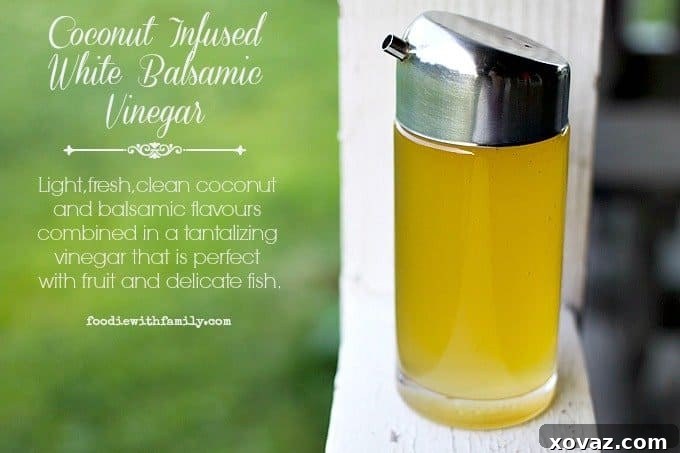
Elevate Your Culinary Creations: The Ultimate Guide to Homemade Coconut Infused White Balsamic Vinegar
Step into the vibrant world of gourmet vinegars, and you’ll quickly discover the transformative power of a well-crafted infusion. Among these delightful elixirs, Coconut Infused White Balsamic Vinegar stands out as a true gem, a versatile condiment that promises to awaken your taste buds and inspire a new wave of culinary creativity. Imagine a vinegar that combines the bright, clean acidity of white balsamic with the subtle, sweet essence of fresh coconut – pure heaven in a bottle, ready to elevate everything from everyday fruit salads to sophisticated grilled dishes.
For many, the first encounter with white balsamic vinegar is a revelation. It shares the complex, nuanced flavor profile of its darker counterpart but boasts a lighter body and a distinctly cleaner finish. Crucially, its pale hue means it won’t discolor delicate ingredients, making it ideal for dressings, marinades, and drizzles where visual appeal is just as important as taste. This unique characteristic makes it the perfect canvas for infusions, allowing the added flavors to shine through with unparalleled clarity.
My own journey into the magic of coconut-infused white balsamic began with a thoughtful fortieth birthday gift from my amazing sister, Airlia. The present was a beautifully curated collection of artisan infused oils and vinegars, a testament to her keen understanding of my culinary passions. Tucked within this treasure trove was a charming bottle of Coconut Infused White Balsamic Vinegar. Knowing her love for all things coconut, I eagerly uncorked it, sharing the anticipation. The aroma alone was intoxicating – not just coconut, but the freshest, fruitiest, most vibrant coconut imaginable. It was love at first sniff. By the end of the day, half the bottle had mysteriously vanished, sipped surreptitiously straight from the bottle. That’s when I knew: this wasn’t just a delightful discovery; it was a mission. I had to learn how to make it myself.
The Art of Homemade Infusion: Simplicity Meets Sophistication
The beauty of crafting your own infused vinegars lies in its simplicity. With a well-stocked pantry, gourmet delights are always within reach. A quick glance at the label of that inspiring coconut vinegar revealed the secret: just white balsamic vinegar and unsweetened, dry coconut. Score! I had both. Armed with this knowledge, I decided the most straightforward approach would be the best. The process is remarkably easy, yielding a product that tastes far more complex and refined than its humble origins suggest.
Gathering Your Essentials: Ingredients and Equipment
To embark on your own homemade coconut vinegar adventure, you’ll need just two primary ingredients and a few common kitchen items. The quality of your ingredients directly impacts the final flavor, so choose wisely.
- **Unsweetened, Dry Coconut Flakes:** This is crucial. Sweetened coconut will alter the flavor profile significantly, introducing an unwanted sugary note. Opt for unsweetened flakes or shredded coconut for the purest coconut essence. The “dry” aspect is important because it ensures a concentrated flavor transfer and helps prevent spoilage during the infusion process.
- **White Balsamic Vinegar:** As discussed, white balsamic is key for its clean taste and light color. Any good quality white balsamic will do, but a reputable brand often ensures better flavor depth.
For equipment, you’ll need:
- **A Glass Jar (12-ounce or 1-pint canning jar with a two-piece lid):** Mason jars are ideal due to their sturdy construction and airtight seals. Ensure the jar is clean and sterilized to prevent any unwanted bacteria from interfering with your infusion.
- **Parchment Paper:** This is a small but vital detail. Vinegar, being acidic, can react with metal canning lids over time, potentially causing rust or an off-flavor. A barrier of parchment paper protects your vinegar and ensures its pristine taste.
- **A Fine Mesh Sieve or Colander:** For straining the infused coconut.
- **Cheesecloth or Butter Muslin:** Essential for achieving a crystal-clear finished product. Butter muslin is a finer weave than standard cheesecloth, offering superior straining.
- **A Clean Spoon:** For pressing the coconut and general handling.
The Infusion Process: Patience is a Virtue
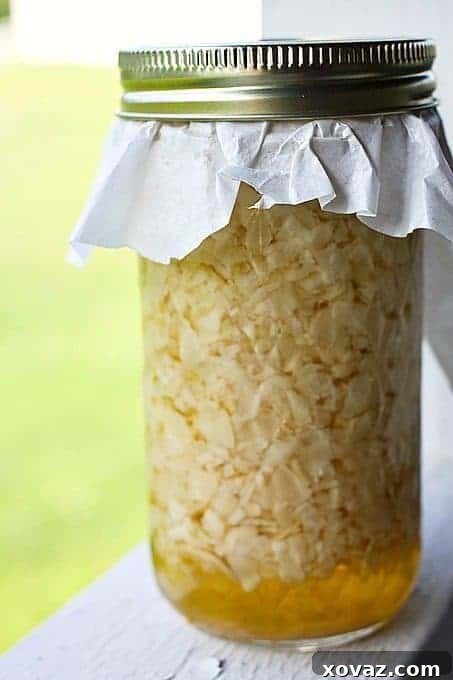
The magic of infusion happens over time. Start by filling your clean canning jar with unsweetened coconut flakes, leaving about an inch of space from the rim. This allows room for the vinegar and for the coconut to expand slightly as it absorbs the liquid. Next, pour the white balsamic vinegar over the coconut, ensuring all the flakes are submerged. Use a clean spoon to gently press down on the coconut, packing it tightly and releasing any trapped air bubbles. The goal is to maximize contact between the coconut and the vinegar.
Now, for the parchment paper trick: place a square of parchment paper over the mouth of the jar, then position the metal lid and ring over it, screwing it tightly into place. This protective layer prevents direct contact between the acidic vinegar and the metal lid, safeguarding your infusion. Once sealed, give the jar a vigorous shake to ensure even distribution. Store your jar in a cool, dark place for one week. This environment helps facilitate a steady and thorough infusion without exposure to light, which can degrade flavors.
Consistency is key during this week-long infusion. Each day, take a moment to retrieve the jar. Open it, replace the parchment square with a fresh one (this isn’t strictly necessary every day but ensures maximum protection and freshness), reseal the jar, and give it another firm shake. This daily agitation helps to continually expose new surfaces of the coconut to the vinegar, ensuring a robust and evenly flavored infusion. It’s a small ritual that makes a big difference in the final product.
Straining for Perfection: Achieving Clarity and Purity
After seven days, your coconut-infused white balsamic vinegar is ready for straining. This step is crucial for achieving a clean, clear liquid, free from coconut particles. Set up your straining station by lining a fine mesh sieve or colander with a double layer of cheesecloth or, for superior clarity, butter muslin. Position this over a large bowl or a liquid measuring cup to catch the infused vinegar.
Carefully pour the entire contents of your jar into the lined sieve. Allow the liquid to drain naturally for a few minutes. Then, using a sturdy spoon or spatula, gently but firmly press down on the coconut flakes in the sieve. This action will extract as much of the flavorful vinegar as possible. The more liquid you extract, the more intense your finished product will be. Once strained, your beautiful, clear Coconut Infused White Balsamic Vinegar is ready!
Don’t discard the strained coconut! This flavor-packed by-product still has plenty of life left in it. Transfer the used coconut to a tightly covered jar and store it in the refrigerator for later use. We’ll explore some ideas for repurposing it shortly.
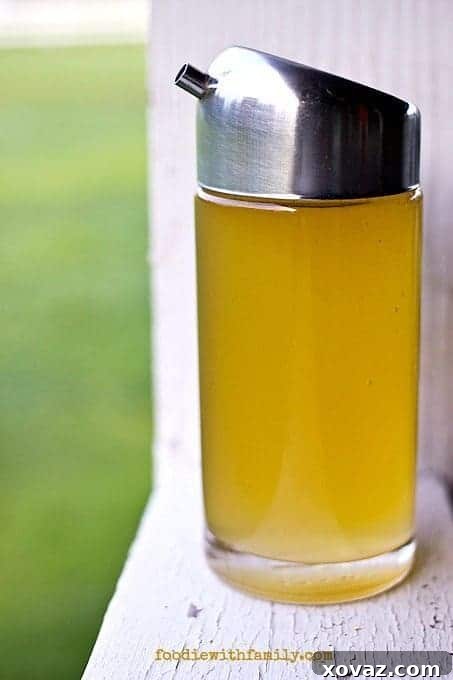
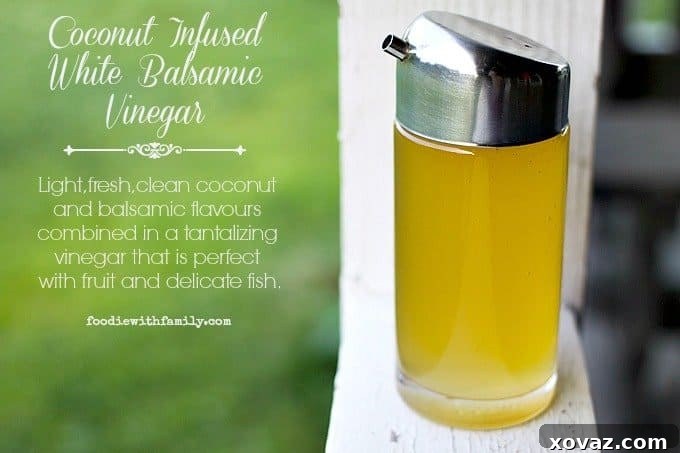
Pour your newly infused vinegar into a clean, sterile jar or glass bottle with a tight-fitting lid. This homemade condiment can be stored at room temperature for up to six months. For extended freshness and to preserve its delicate flavors, it’s advisable to store it in the refrigerator, where it can last even longer.
Unleashing the Versatility: Creative Ways to Use Coconut Infused White Balsamic Vinegar
Now that you’ve successfully crafted your own homemade coconut vinegar, it’s time to put it to use! This delicate and uniquely flavored condiment is incredibly versatile, making it a fantastic addition to both sweet and savory dishes. It’s primarily a finishing vinegar, designed to enhance rather than dominate flavors.
1. The Ultimate Fruit Enhancer
One of the most spectacular applications for Coconut Infused White Balsamic Vinegar is drizzled over fresh, cut-up fruit. Not only does its clean, light acidity magically prevent browning in fruits like apples, pears, and bananas, but its subtle tropical notes also seem to magnify and brighten the fruit’s natural sweetness. Imagine sliced mango, pineapple, berries, or melon, glistening with a hint of this fragrant vinegar – it’s a game-changer for your fruit platters and breakfast bowls. It adds an unexpected layer of depth and sophistication without overpowering the delicate fruit flavors.
2. Revolutionizing Fruit Salads
Forget the same old citrus dressings! Coconut Infused White Balsamic Vinegar makes an exquisite alternative for fruit salad dressings. Its balanced sweet-tart profile beautifully complements a medley of fruits, offering a refreshing and innovative twist. Create a simple dressing by whisking it with a touch of olive oil, a pinch of salt, and perhaps a tiny bit of honey or maple syrup if your fruits need extra sweetness. This dressing is particularly fantastic with tropical fruit salads, where the coconut flavor truly shines.
3. Refreshing Shrub Beverages: A Taste of History
Beyond culinary applications, this infused vinegar excels as the base for a truly refreshing beverage known as a “shrub.” No, we’re not talking about garden foliage or comedic British sketches! Traditionally, a shrub is a vinegar-based syrup, often infused with fruits and herbs, used to create invigorating, non-alcoholic drinks. Historically, shrubs were a popular way to preserve fruits before refrigeration and provided a delicious means to cool off during hot weather.
To make a simple coconut shrub drink, splash an ounce or two of your Coconut Infused White Balsamic Vinegar over ice, then top it off with icy cold soda water or seltzer. The result is a crisp, tangy, subtly sweet, and incredibly hydrating beverage that’s far more interesting than plain soda. You can experiment by adding a squeeze of lime, a sprig of mint, or a slice of cucumber for an extra layer of flavor complexity. It’s the perfect sophisticated mocktail for a warm afternoon.
4. Gourmet Finishing Touches
As a delicate finishing vinegar, its uses extend beyond fruit.
- **Seafood:** A light drizzle over grilled or broiled fish (like mahi-mahi or snapper) or shrimp can add a surprising burst of flavor and brightness. The coconut notes pair exceptionally well with the ocean’s bounty.
- **Poultry:** Consider a small amount whisked into a marinade for chicken, or simply drizzled over cooked chicken breast for a vibrant finish.
- **Vegetables:** Roasted root vegetables or steamed green beans can take on a new dimension with a hint of this unique vinegar.
- **Desserts:** An unexpected but delightful application is adding a dash or two to fruit crisps, crumbles, or even a simple scoop of vanilla ice cream. The acidity cuts through the sweetness and enhances the fruitiness.
Don’t Waste a Flake: Repurposing the Infused Coconut
One of the joys of mindful cooking is minimizing waste. The coconut flakes that remain after straining your vinegar are far from spent; they are bursting with a subtle vinegar-kissed coconut flavor, perfect for repurposing. Instead of tossing them, reserve them in a tightly sealed container in the refrigerator.
Here are some creative ways to use your infused coconut flakes:
- **Savory Dishes:** Toss a handful into your next batch of coconut shrimp, sweet and sour chicken, or a stir-fry (like the sweet and sour ham ball stir fry mentioned in the original recipe). The acidity from the infusion adds a layer of brightness to these dishes, balancing their richness.
- **Baking:** Incorporate them into muffins, quick breads, or cookies for a unique flavor twist. They would be particularly delightful in a tropical-themed baked good.
- **Granola or Cereal Topping:** Sprinkle a pinch over your morning yogurt, oatmeal, or homemade granola for an instant flavor upgrade.
- **Snack:** If you’re like me, you might just find yourself sneaking a pinch or two straight from the jar. They have a surprisingly satisfying chew and a lovely balance of sweet and tangy.
This simple act of repurposing not only reduces food waste but also extends the culinary life of your ingredients, proving that a little creativity can go a long way in the kitchen.
Conclusion: Your New Pantry Essential Awaits
Creating your own Coconut Infused White Balsamic Vinegar is a rewarding experience that yields a truly exceptional pantry staple. It’s a testament to the power of simple ingredients, a touch of patience, and a dash of culinary curiosity. From its ability to brighten fresh fruit and elevate fruit salads to its role in crafting refreshing shrub beverages and adding a gourmet finish to savory dishes, this infused vinegar is incredibly versatile.
So, why not give it a try? Unlock a world of vibrant flavors and discover how this homemade condiment can transform your cooking. Share your creations and inspire others – because good food, especially when made with love and ingenuity, is meant to be shared!
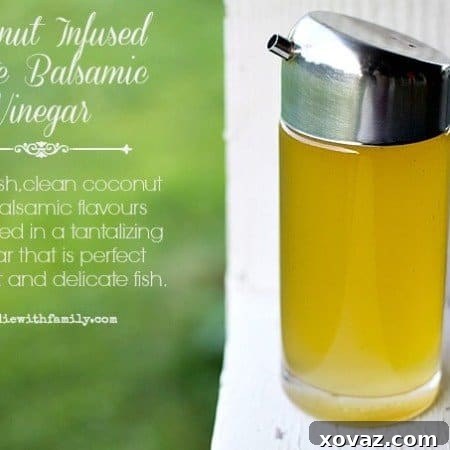
Coconut Infused White Balsamic Vinegar
Recipe by Rebecca Lindamood
Pin Recipe
Share on Facebook
Ingredients
Ingredients:
- dry unsweetened coconut flakes
- white balsamic vinegar (example)
Equipment:
- 1 12-ounce or 1-pint canning jar with a new 2-piece lid
- 7 5-inch squares of parchment paper
Instructions
-
Add enough dry coconut to the jar to fill it to within 1-inch of the rim of the jar. Pour in vinegar to cover the coconut, then use a clean spoon to gently push down on the coconut to pack it down. Lay a square of parchment on the jar rim. Position the lid over it, then lower the ring and screw it tightly in place. Shake vigorously then put in a cool, dark place for a week. Once a day, open the jar, replace the parchment square, put the lid back in place, then shake firmly again.
-
After 7 days, line a sieve or colander with a double layer of fine cheesecloth or butter muslin and position it over a large bowl or liquid measuring cup. Pour the contents of the jar into the lined sieve. Gently press the coconut with a sturdy spoon to squeeze as much liquid from it as possible. Reserve the coconut for other uses in a tightly covered jar in the refrigerator.
-
Pour the strained vinegar into a sterile jar or glass bottle with a tight fitting lid. This can be stored at room temperature for up to 6 months. For longer storage, keep in the refrigerator.
Nutritional information is an estimate and provided to you as a courtesy. You should calculate the nutritional information with the actual ingredients used in your recipe using your preferred nutrition calculator.
Did you make this recipe?
Make sure to tag @foodiewithfam on Instagram and #hashtag it #foodiewithfamily so I can check it out!
Pin Recipe
Share on Facebook
Are you inspired to try making your own Coconut Infused White Balsamic Vinegar? What creative uses do you envision for this delightful condiment? Share your thoughts and culinary adventures with us!
Need some help locating the ingredients or equipment for this Coconut Infused White Balsamic Vinegar? Amazon can help! (affiliate links)
Colavita White Balsamic Vinegar, 16.9 Ounce
Bob’s Red Mill Unsweetened Medium Shredded Coconut, 24-Ounce Packages (Pack of 4)
Ball Mason Jars Wide-Mouth Can or Freeze – 16 oz 12pk
Butter Muslin
Wilton Parchment Paper
Winco MS3A-8D Strainer with Double Fine Mesh, 8-Inch Diameter