How to Freeze Sweet Corn for Year-Round Freshness: The Ultimate Guide
There’s an undeniable magic to fresh summer sweet corn. That first bite, when the tender kernels burst with a delicate sweetness and a milky texture, is a culinary experience truly unlike any other. While nothing can perfectly replicate the joy of eating corn on the cob, straight from the field, during peak season, the good news is that you can come remarkably close to this sublime experience year-round. Today, we’re diving deep into the art and science of how to freeze sweet corn, ensuring you can savor that taste of summer long after the season has passed.
Capture Summer’s Sweetness: Why Freeze Fresh Corn?
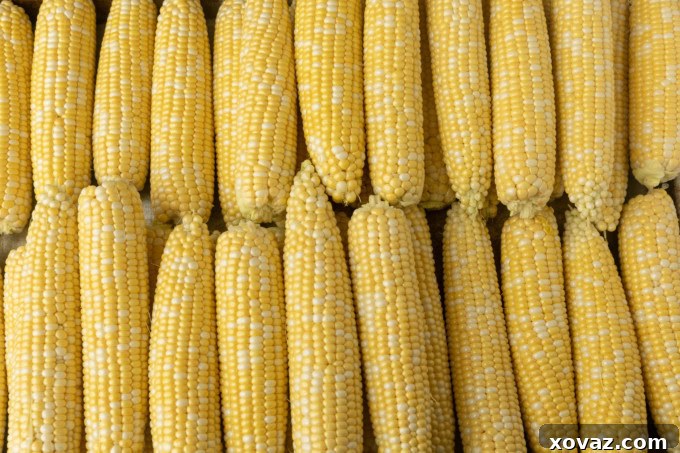
For many, fresh sweet corn isn’t just a vegetable; it’s a seasonal obsession. Take, for instance, the unparalleled quality of corn grown in regions like Western New York. The local varieties are so succulent and flavorful that a simple preparation—a dozen ears, a generous stick of butter, and a sprinkle of salt—can easily become a complete, satisfying meal. The joy of biting into such a fresh ear, feeling the kernels “pop” with their natural sweetness, is something supermarket-bought or canned corn simply cannot replicate. Its ephemeral magic often fades quickly after harvest.
Supermarket corn, while convenient, often lacks that vibrant essence of summer. It might be perfectly fine for daily meals, but it rarely delivers the same intense flavor and crisp-tender texture that defines peak-season produce. This is precisely why preserving sweet corn at home is a game-changer. Freezing allows you to capture a significant portion of that fleeting glory, enabling you to enjoy truly delicious corn even in the dead of winter. If you’ve never tried home-frozen corn, prepare to be amazed – it genuinely tastes like summer!
The practice of home food preservation has been passed down through generations. My grandmother, for example, taught me both canning and freezing techniques. While canning offers a unique shelf-stable product, I’ve always leaned towards freezing due to its versatility and the superior texture it retains. It’s a method that promises convenience without sacrificing the authentic, garden-fresh taste of your lovingly picked produce.
The Essential Process: A Step-by-Step Guide to Freezing Corn
Freezing sweet corn might seem like a daunting task at first glance, but it’s surprisingly straightforward and doesn’t demand specialized, expensive equipment. What it does require, however, is a modest investment of your time and a bit of organized effort. While it’s certainly less labor-intensive than canning other produce like tomatoes, it’s best approached as a dedicated project to be completed in a single day. Proper planning is key to a smooth and efficient preservation session, ensuring you get the most out of your fresh harvest. Here’s a typical timeline to help you organize your efforts:
- Morning Prep (10:00 am – 10:30 am): Start by setting a large stockpot, filled about two-thirds with water, on to boil. Simultaneously, begin shucking all your corn, meticulously removing every silk strand from each ear.
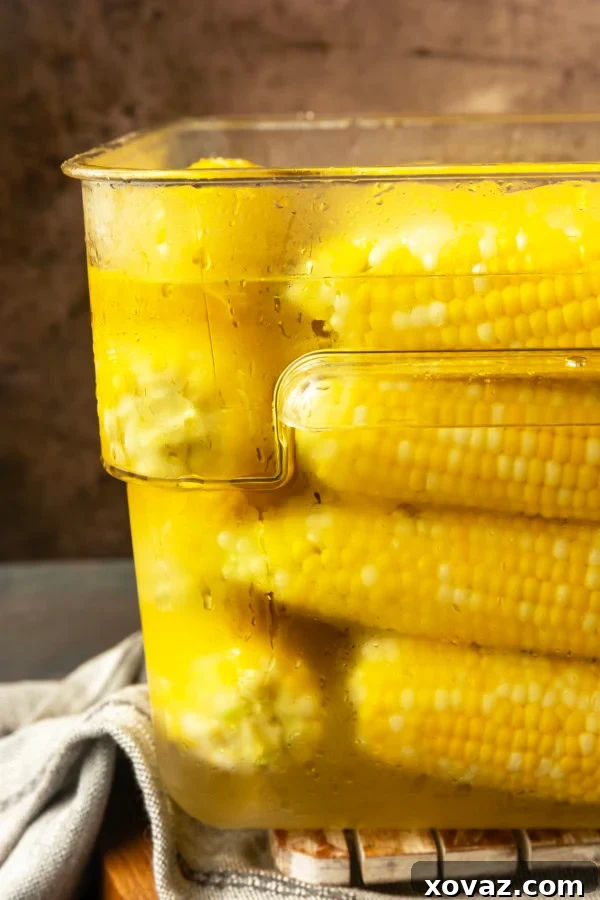
- Blanching & Cooling (10:30 am – 11:30 am): Once the water reaches a rolling boil, blanch the shucked corn in manageable batches. Immediately after blanching, transfer the hot corn to a prepared ice water bath to halt the cooking process. This phase typically includes about 30 minutes for the actual blanching and an additional 15-20 minutes for the corn to cool completely in the ice bath.
- Drying & Preparation (11:30 am – 12:00 pm): Remove the thoroughly cooled corn from the ice bath and allow it to drip dry in a colander. For best results, pat each ear dry with a clean kitchen towel. At this point, decide whether you’ll freeze corn on the cob or cut the kernels off for loose storage.
- Packaging & Freezing (12:00 pm – 12:30 pm): Portion your prepared corn (whether whole cobs, quarters, or loose kernels) into freezer-safe bags or vacuum seal bags. Be sure to label each package clearly with the contents and date. Transfer immediately to the deepest part of your freezer.
- Well-Deserved Break (12:30 pm onwards): With your bounty successfully preserved, it’s time to pour yourself a refreshing drink and enjoy the satisfaction of a job well done!
Understanding Blanching: Why This Step is Non-Negotiable
Blanching is a fundamental cooking technique crucial for preserving vegetables, especially those destined for the freezer. It involves briefly submerging food in vigorously boiling water, cooking it just enough to halt specific enzymatic processes, and then quickly transferring it to an ice water bath to stop further cooking. Many people wonder if this extra step is truly necessary, and some even suggest freezing corn raw or unshucked. However, when it comes to long-term quality preservation, science firmly supports the blanching method, and skipping it can lead to significantly inferior results.
This quick thermal treatment performs several vital functions for vegetables destined for the freezer:
- Halts Enzyme Action: Enzymes naturally present in vegetables cause them to ripen, age, and eventually spoil. During freezing, these enzymes continue to work, albeit slowly, leading to undesirable changes in flavor, color, and texture. Blanching effectively deactivates these enzymes, preventing the corn from developing an unpleasant “starchy,” “woody,” or “over-corny” taste and becoming tough or mushy after freezing.
- Preserves Flavor and Texture: By stopping enzymatic degradation, blanching helps maintain the corn’s natural sweetness and its desirable crisp-tender texture. Unblanched corn, when frozen, can become chewy, dry, or even develop an off-flavor.
- Retains Nutrients and Vibrant Color: The brief cooking time helps set the natural pigments in the corn, ensuring it retains its bright yellow color even after months in the freezer. It also helps to preserve many of the essential vitamins and minerals that would otherwise degrade over time.
- Cleanses and Softens: Blanching also serves to clean the surface of the corn from any lingering dirt or microbes and slightly softens it, making it easier to pack more efficiently into freezer bags.
A key reason unblanched corn suffers in the freezer is related to water expansion. When the liquid inside raw corn kernels freezes, it expands dramatically, causing the delicate cell walls to break down. This cellular damage results in corn that is simultaneously tough and floppy upon thawing – a truly undesirable and unappetizing outcome. Given the effort you’re putting into preserving this delicious sweet corn, taking this one extra, crucial step guarantees that your hard work will result in a truly delightful and flavorful product that tastes just like summer.
Essential Equipment for Freezing Sweet Corn
To successfully freeze sweet corn, you’ll need a few basic kitchen tools. The good news is, you likely already own most of them, making this a cost-effective preservation project:
- A Large Stockpot: This is crucial for boiling water and fully submerging whole ears of shucked corn during the blanching process.
- A Large Bowl or Clean Sink: Essential for preparing an ample ice water bath, which needs to be large enough to quickly cool down several ears of corn.
- A Sharp Knife: A good chef’s knife will make cutting kernels off the cob much easier, more efficient, and safer.
- A Sturdy Cutting Board: Provides a stable and hygienic surface for cutting corn and helps protect your countertops. (View options here).
- Freezer Bags or Vacuum Sealer Bags: High-quality, thick zipper-top freezer bags are acceptable for shorter storage, but specialized vacuum sealer bags are highly recommended for superior, longer-term results.
- Tongs: For safely transferring hot corn from boiling water to the ice bath.
- Colander: For draining blanched and cooled corn.
- Clean Kitchen Towels: For thoroughly patting the corn dry before packaging. This step helps prevent ice crystal formation.
Maximizing Freshness: Packaging for Longevity
When it comes to freezing any food, air is the enemy. Exposure to air leads directly to freezer burn, which severely degrades the flavor, texture, and color of your frozen corn. For decent results that last approximately 6 months, standard zipper-top freezer bags can suffice, provided you remove as much air as possible. Here are a couple of techniques for manual air removal:
- Manual Compression Method: Fill the bag with your corn, then close the zipper about three-quarters of the way, leaving a small opening. Gently but firmly compress the corn, starting from the bottom of the bag, to force out as much air as possible before fully sealing the zipper.
- Straw Method: Close the zipper almost entirely, leaving a small gap (just enough for a straw). Insert a drinking straw into this gap and suck out as much air as you can from the bag. Quickly remove the straw and immediately seal the bag completely.
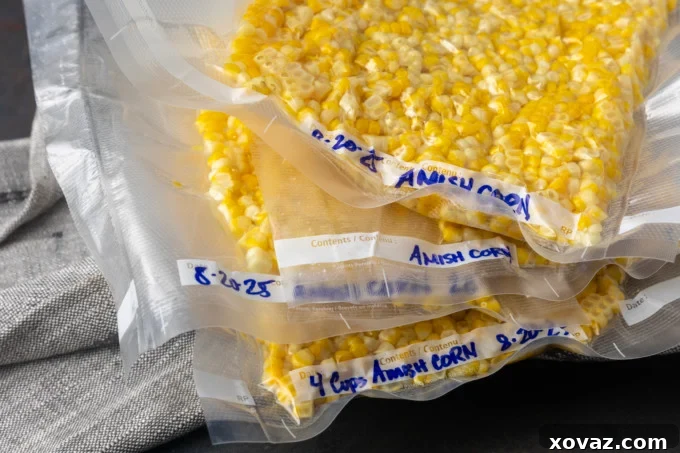
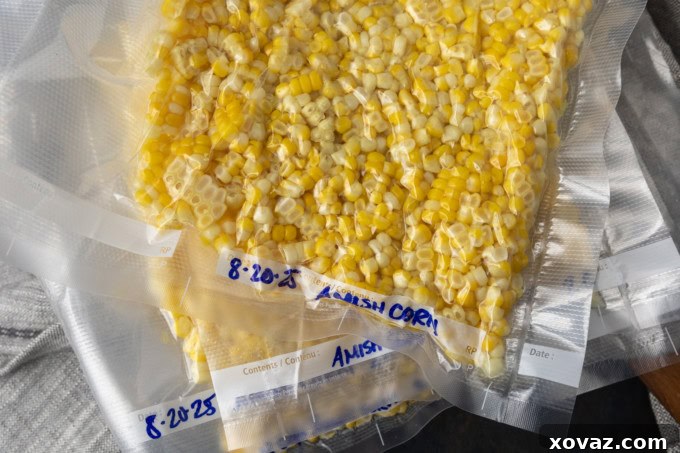
However, to truly safeguard your diligently preserved corn and extend its freezer life significantly (up to 12 months or even longer), I wholeheartedly recommend investing in a vacuum sealer. This is my preferred method, as it removes nearly all air from the packaging, creating an airtight seal that offers unparalleled protection against freezer burn and preserves the corn’s peak quality. This particular model is one I’ve personally used and trusted for years, consistently delivering excellent results.
Freezing Corn On The Cob vs. Cut Kernels: Which Method is Best?
One of the beauties of freezing sweet corn is the flexibility it offers in terms of how you choose to store it. You can either freeze entire ears of corn on the cob, or you can cut the kernels off for loose storage. Both methods have their distinct advantages, and I often do a combination of both each year to ensure I have options for various culinary applications throughout the colder months.
Freezing Corn on the Cob
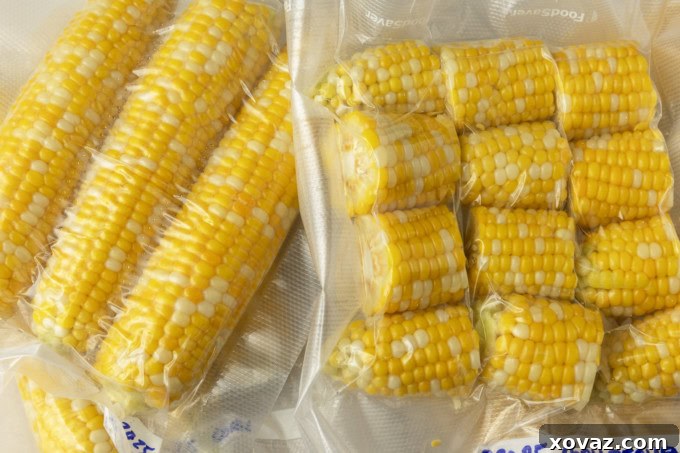
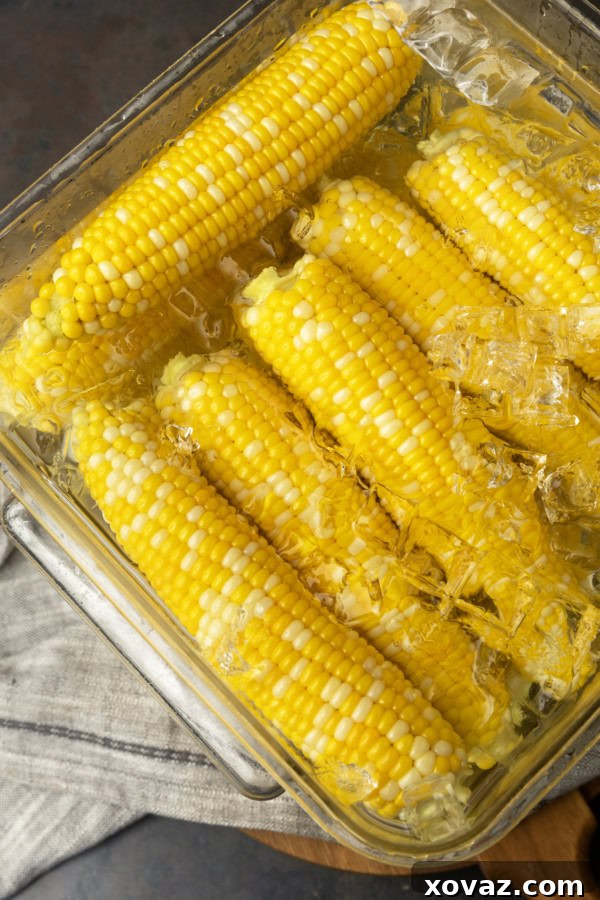
This method is arguably one of the simplest food preservation projects you can undertake. After the essential blanching and drying steps, simply package the whole ears. I typically prepare a couple of meals’ worth of whole corn on the cob, perfect for those times when I crave that classic, straight-from-the-cob presentation. Additionally, I often take about 6 to 8 blanched ears and cut them into quarters. These smaller segments are incredibly versatile and are ideal for adding directly to hearty stews, comforting soups, or even roasting directly from frozen. This ensures I have convenient options for diverse dishes throughout the colder months.
Freezing Corn Cut Off the Cob (Kernels)
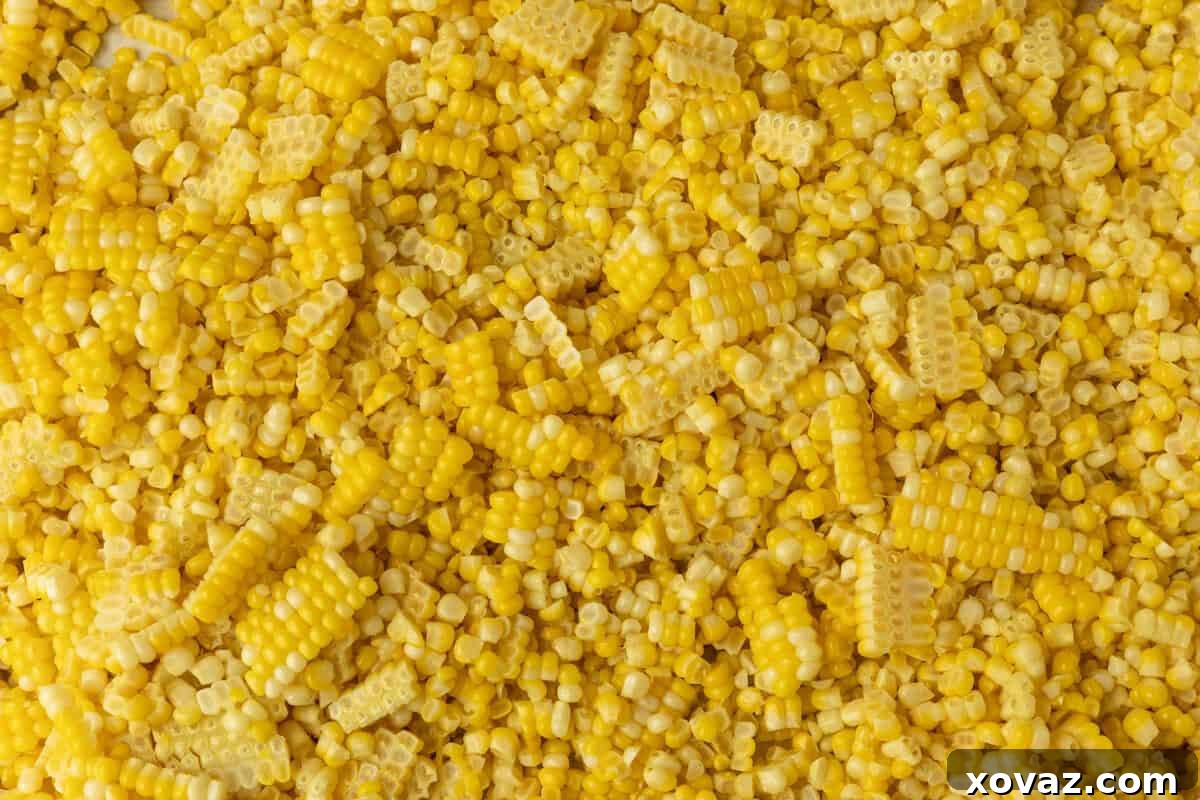
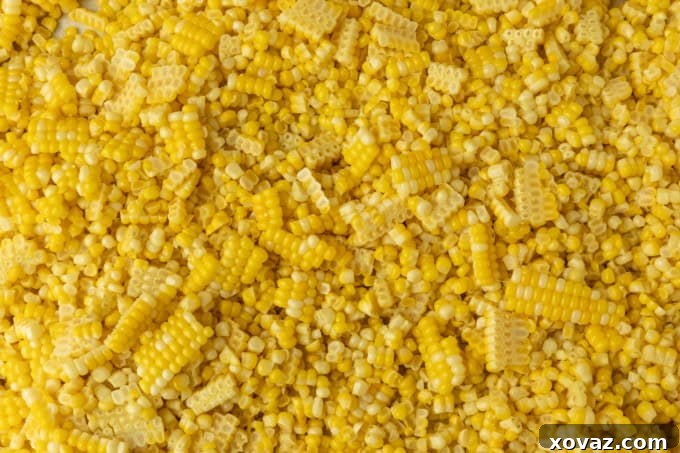
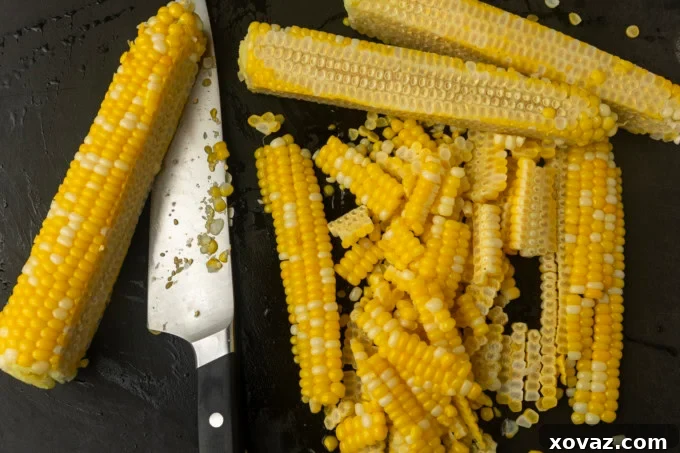
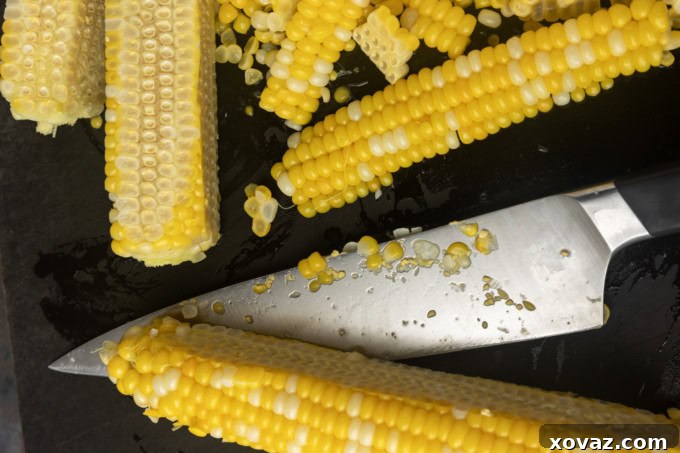
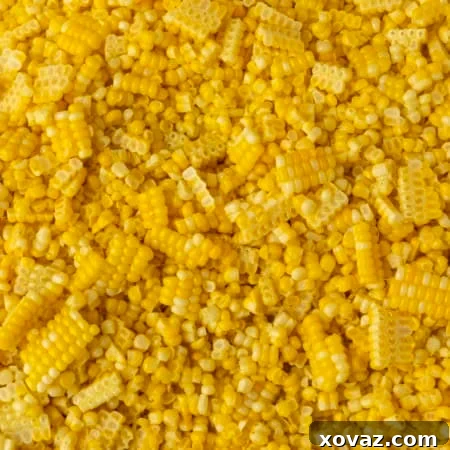
Freezing individual kernels offers maximum versatility and convenience. Once your corn has been blanched and thoroughly dried, you’re ready to remove the kernels. To do this efficiently, stand an ear of corn upright on a cutting board, or for a clever trick, place the pointed end into the center hole of a bundt pan (the pan will catch all the falling kernels!). Using a sharp knife, carefully slice downwards (or along the side) to remove the kernels. A key tip here is to only cut about two-thirds of the way down the kernel, intentionally avoiding the tougher, more fibrous parts closest to the cob. This technique ensures you harvest only the sweetest, most tender kernels. These loose kernels are incredibly versatile, perfect for adding to casseroles, vibrant salsas, quick stir-fries, or simply serving as a delicious side dish any time of year.
Beyond Sweet Corn: Embracing the World of Home Food Preservation
Has the home food preservation bug bitten you yet? Whether you’re a seasoned homesteader looking to maximize an excellent garden yield or simply someone who appreciates the superior taste and quality of homemade goods, expanding your preservation repertoire is a rewarding endeavor. Here are more tried-and-true recipes from my kitchen that will help you extend the bounty of harvest season, allowing you to enjoy fresh flavors year-round:
- Homemade Jellied Cranberry Sauce: Join hundreds who make this annually! This delicious, nutritious homemade Jellied Cranberry Sauce with a hint of orange is exactly what cranberry sauce lovers crave. Tangy, sweet, and a holiday classic, your own cranberry sauce is the perfect complement to any roast you serve!
- Zesty Corn Relish: Serve this updated classic with everything! Tacos, chili, beans and rice, pot roast, grilled or broiled chicken, pork, or fish, or sausage pair beautifully with it. Stir it into jarred salsa for extra texture or serve it alone with tortilla chips as a stand-alone salsa. You can even chill a jar and serve it as a side salad! Trust me. Once you’ve tried this, you’re going to want shelves lined with crunchy, savory, sweet, zippy Zesty Corn Relish.
- Rum Soaked Preserved Cherries and Boozy Cherry Molasses: These Rum Cherries and Boozy Cherry Molasses are one of my favorite two-for-one recipes. While you’re making these gorgeous, luscious rum-soaked sweet cherries, you’ll also be creating incredible, ruby-hued, rum-infused cherry drizzle that elevates ice cream, crumbles, and even seltzer water.
- Smoky Roasted Salsa: This Smoky Roasted Salsa is the “little black dress” of the salsa world; non-traditional, smoky, fine-textured, and slightly spicy with a bold flavor that’ll knock you out. This salsa is equally wonderful when dunked with chips, poured over meats in a slow-cooker, or spooned and baked on enchiladas.
- Ginger Peach Preserves: Imagine sweet, fragrant, slightly tart peaches paired with luscious, thick ginger syrup. It’s hard to beat these Ginger Peach Preserves on toast or ice cream!
- Instant Hummus in a Jar: We’re talking about chickpeas canned with lemon juice, garlic, and sesame seeds; everything you need for hummus in one pretty little package. Try this Instant Hummus in a Jar recipe.
- Boiled Cider (Apple Molasses): Boiled Cider is the pure essence of apple and everything wonderful about fall condensed into one rich syrup. And it’s ridiculously easy to make!
And if your preference is to put your food up in the freezer, we’ve got you covered there, too! Here are more fantastic freezer-friendly preservation ideas:
- Best Thing Tomatoes: These Best Thing Tomatoes are truly the easiest and best way to preserve all of your ripe tomatoes. This intense, concentrated puree of tomatoes, garlic, onions, and herbs gives serious depth of flavor to every dish it’s in and on.
- Creamy Tomato Basil Soup (Freezer-Friendly): Super smooth, ultra Creamy Tomato Basil Soup is both the best and easiest way to make soup from fresh tomatoes. You’re going to love this so much, you’ll want to double, triple or even quadruple the recipe to keep on hand in the freezer long after summer and fresh tomatoes are a pleasant memory.
- Garlic Buffalo Sauce: This Garlic Buffalo Sauce recipe will have you singing “The Bills Make me Wanna Shout!”. At the very least, it will make you extremely glad that Buffalo and their magical wings exist.
Recipe: How to Freeze Sweet Corn
How to Freeze Sweet Corn
By Rebecca Lindamood
This comprehensive guide breaks down the simple, essential steps to effectively freeze sweet corn, capturing that incredible fresh summer flavor to enjoy throughout the year. Perfect for preserving your abundant harvest!
Equipment
- Large stockpot
- Large bowl or clean sink (for ice bath)
- Chef’s knife
- Cutting board
- Tongs
- Colander
- Clean kitchen towels
- Zipper-top freezer bags or vacuum sealer with bags
Ingredients (Yields approximately 24 servings)
- 24 ears sweet corn (fresh, ideally picked within 24 hours for best flavor)
- Plenty of ice and cold water (for the ice bath)
Instructions
Part 1: Prepare Corn for Freezing (Blanching Process)
- Boil Water: Bring a very large pot of water (at least 6-8 quarts capacity) to a full, rolling boil. Ensure there’s enough water to completely submerge several ears of corn at once.
- Shuck Corn: While the water is heating, thoroughly remove and discard all husks and silk from your fresh sweet corn ears. Inspect each ear carefully to ensure no silk strands remain.
- Prepare Ice Bath: Immediately set up a large ice water bath. You can either fill a clean sink or a very large container with equal parts cold water and ice. This step is crucial for stopping the cooking process rapidly.
- Blanch Corn: Add about 4-6 ears of shucked corn to the vigorously boiling water. Do not overcrowd the pot, as this will lower the water temperature too much. Immediately start your timer. Blanch for exactly 5 minutes.
- Ice Bath: After 5 minutes, use tongs to quickly transfer the blanched ears of corn from the boiling water directly into the ice water bath. Make sure they are fully submerged in the icy water. Repeat the blanching and ice bathing process until all your ears of corn have been processed.
- Cool Thoroughly: Let the corn rest in the ice water bath for at least 15 minutes, or until the cobs are completely cool to the touch. This ensures the enzymatic action is fully stopped and the corn retains its crisp texture.
- Dry Corn: Transfer the cooled corn to a colander to drip dry. For best results, pat each ear gently but thoroughly with a clean, dry kitchen towel to remove as much surface moisture as possible. Excess water can lead to ice crystals and freezer burn.
Part 2A: To Freeze Corn on the Cob (Whole or in Quarters)
- Prepare Cobs: After patting the corn dry, decide if you want to freeze them whole or cut them into quarters. For whole cobs, I often vacuum seal 2-3 ears together. For quarters, use a sharp knife to carefully cut the blanched cobs into 3 or 4 pieces.
- Package: If you have a vacuum sealer, place the desired number of whole or quartered cobs into a vacuum seal bag and seal according to your machine’s instructions. If you do not have a vacuum sealer, wrap each ear or piece individually in plastic wrap, then slide these wrapped pieces into a resealable, zipper-top freezer bag. Remove as much air as possible (using the straw method or manual compression technique described above).
- Label & Freeze: Label the bags clearly with the contents (e.g., “Corn on Cob – Whole” or “Corn Quarters”) and the date. Store in the freezer for up to 6 months for optimal freshness. While still edible beyond this point, they may begin to lose some of their vibrant flavor and ideal texture.
Part 2B: To Freeze Corn Cut Off of the Cob (Kernels)
- Cut Kernels: Lay an ear of blanched and dried corn on its side on a cutting board. Alternatively, stand it upright in the center of a bundt pan (the hole holds the cob steady, and the kernels fall neatly into the pan). Using a sharp knife, carefully cut away slabs of corn kernels. Aim to remove only about two-thirds of the kernels from the cob, intentionally leaving the tougher, more starchy inner parts behind for superior taste and texture.
- Portion: Portion the cut corn kernels into meal-sized amounts that suit your cooking needs. I often prepare some bags with 2 cups and others with 4 cups, as these are versatile for most recipes.
- Package & Seal: Place the portioned kernels into zipper-top freezer bags or vacuum sealer bags. Remove as much air as possible before sealing (using a vacuum sealer or the manual/straw methods).
- Label & Freeze: Label the bags clearly with the quantity, contents (“Corn Kernels”), and the date. Store in the freezer for up to 6 months for best quality when using standard freezer bags. For vacuum-sealed corn, quality can extend to 12 months or even longer.
Notes
Whatever you do, don’t throw away those corn cobs after cutting off the kernels! They are a fantastic base for making the world’s easiest value-added food preservation product: corn stock. You can either freeze the stock for later use or can it, if you have a pressure canner! This homemade corn stock adds incredible depth of flavor to soups, chowders, and stews, making it an excellent way to utilize every part of your corn harvest.
Nutrition Information (per serving, estimated)
- Calories:
- 77kcal
- Carbohydrates:
- 17g
- Protein:
- 3g
- Fat:
- 1g
- Saturated Fat:
- 0.3g
- Polyunsaturated Fat:
- 0.4g
- Monounsaturated Fat:
- 0.4g
- Trans Fat:
- 0.01g
- Sodium:
- 14mg
- Potassium:
- 243mg
- Fiber:
- 2g
- Sugar:
- 6g
- Vitamin A:
- 168IU
- Vitamin C:
- 6mg
- Calcium:
- 2mg
- Iron:
- 0.5mg
Nutritional information is an estimate and provided to you as a courtesy. You should calculate the nutritional information with the actual ingredients used in your recipe using your preferred nutrition calculator.
Did you make this recipe?
Make sure to tag @foodiewithfam on Instagram and #hashtag it #foodiewithfamily so I can check it out!
Pin Recipe
Share on Facebook