Mastering culinary skills often begins with a fundamental understanding of how to properly wield your most important kitchen tool: the knife. Whether you’re a novice cook or a seasoned home chef, honing your knife skills is paramount for efficiency, safety, and elevating the quality of your dishes. In an exciting collaboration, I’ve partnered with Craftsy to bring you an incredible opportunity: a comprehensive, free online video course on Knife Skills. This course offers lifetime access, allowing you to rewatch lessons as many times as you like, making it an invaluable resource for continuous improvement in your kitchen endeavors. Craftsy has generously sponsored this promotion, but rest assured, all opinions and the enthusiasm you’ll read about this course are entirely my own.
The Undeniable Importance of Knife Skills in the Kitchen
Knife skills are more than just a fancy chef technique; they are the bedrock of successful cooking. Taking the time to develop these fundamental abilities can dramatically transform your culinary experience, leading to more consistent, attractive, and efficiently prepared meals. Why is this so crucial? It’s rooted in the very science of cooking.
When your ingredients are uniformly cut – meaning they are of a similar size and shape – they will cook evenly and reach perfection at the same time. Consider a pot of stew or a tray of roasted vegetables: if your carrots are inconsistently chopped, some tiny, some large, some trapezoidal, others perfectly cubed, you’ll inevitably end up with a mix of mushy, perfectly cooked, and stubbornly raw pieces. This leads to frustrating situations where you’re sifting through your dish, trying to salvage the smaller, overcooked bits while waiting for the larger ones to finish. Nobody wants that kind of culinary chaos!
Beyond even cooking, precise knife skills contribute to:
- Enhanced Flavor: Uniform cuts allow ingredients to release their flavors consistently, ensuring a balanced taste in every bite.
- Improved Texture: Each component of your dish will have the desired texture, without unpleasant surprises from undercooked or overcooked pieces.
- Safety: Learning proper cutting techniques and knife grips significantly reduces the risk of accidents in the kitchen. A sharp knife, handled correctly, is far safer than a dull one wielded haphazardly.
- Efficiency: Mastering these techniques saves you valuable time. You’ll move faster and more confidently through prep work, making cooking a more enjoyable and less daunting task.
- Presentation: Beautifully cut vegetables and proteins elevate the visual appeal of any dish, making it look professional and appetizing.
Unlock Your Potential: Introducing the Free Knife Skills Video Course
Don’t let the thought of acquiring these essential skills intimidate you. Together, Craftsy and I have collaborated to offer you this truly exceptional free online video course dedicated to knife skills! What makes this offering truly special is that your access to the course never expires. You can revisit the lessons, review techniques, and refine your abilities as often as you wish, for life. I’ve personally encouraged each of my children to go through this course, underscoring its value for cooks of all ages and skill levels.
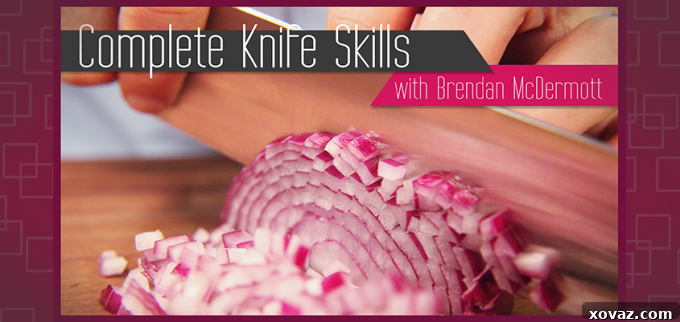
Photo Courtesy of Craftsy
While taking this free online class will provide an enormous boost to your abilities, the secret to true mastery lies in consistent practice. But don’t worry, this doesn’t mean you need to enroll in a full culinary school or spend endless evenings dicing carrots in front of the TV. Simply integrate what you learn from this fantastic Craftsy course into your everyday cooking. Focus a little more intently on your cutting techniques each time you step into the kitchen. You’ll be amazed at how quickly those small, deliberate efforts compound, ultimately saving you time and frustration in the long run.
What You’ll Discover in This Invaluable Course
Without giving away too many spoilers, here’s a glimpse into the foundational and advanced techniques you’ll master in this engaging class:
- Essential Knife Selection: Beyond just knowing how many knives you *really* need, you’ll learn to identify the most important types – like the chef’s knife, paring knife, and serrated knife – and understand their specific applications in your home kitchen. This knowledge empowers you to choose the right tool for every task.
- Optimizing Your Cutting Surface: Discover the best materials for cutting boards, from wood to various plastics, and learn critical care instructions to ensure hygiene, longevity, and to protect your knife blades. A well-maintained cutting surface is as important as a sharp knife!
- The Art of Dicing: Understand precisely what dicing entails and its significance. You’ll be guided through the step-by-step process of creating uniform cubes, essential for dishes where even cooking and consistent texture are key, such as stews, sautés, and salads.
- Mastering Julienne and Brunoise: Delve into the world of precise, elegant cuts. Learn how to create thin matchsticks (julienne) and tiny, perfect cubes (brunoise). These techniques are not just for show; they ensure delicate ingredients cook rapidly and uniformly, offering a refined touch to your culinary creations.
- Effortless Onion Preparation: Tackle one of the most common kitchen challenges with confidence. You’ll learn how to quickly and safely break down an onion, along with invaluable professional tips to minimize those dreaded tears, making onion prep a breeze.
- Comprehensive Knife Cut Terminology and Execution: Familiarize yourself with the names and proper execution of various classic knife cuts used by professional chefs. From mincing to slicing, you’ll gain a robust vocabulary and the practical skills to perform each cut with precision and ease.
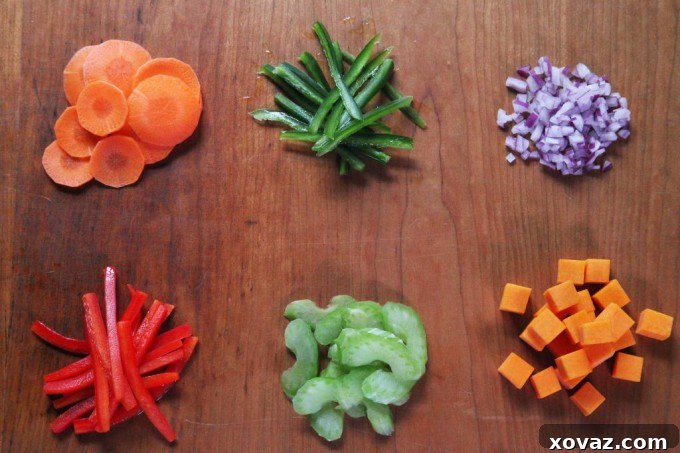
Photo courtesy of Craftsy
This course is, quite simply, invaluable for anyone looking to make their life easier and more enjoyable in the kitchen. Even if you consider yourself an old hand at knife work, like me, it serves as a fantastic refresher on the essential basics, reminding you of techniques you might have forgotten or never fully perfected. It’s truly hard to believe that Craftsy is offering this exceptional class for free, because its educational value is truly priceless. Chef McDermott is a remarkably clear, witty, and highly competent instructor (I might even admit to having a bit of a chef crush on him now!). Furthermore, the production quality of the videos is absolutely superb, making for an engaging and effective learning experience. What are you waiting for? Don’t miss out on this incredible opportunity to elevate your cooking skills – head over there and sign up today!
Click Here to Sign Up for this Free Knife Skills Class!
Putting Your New Skills to the Test: A Classic Ratatouille
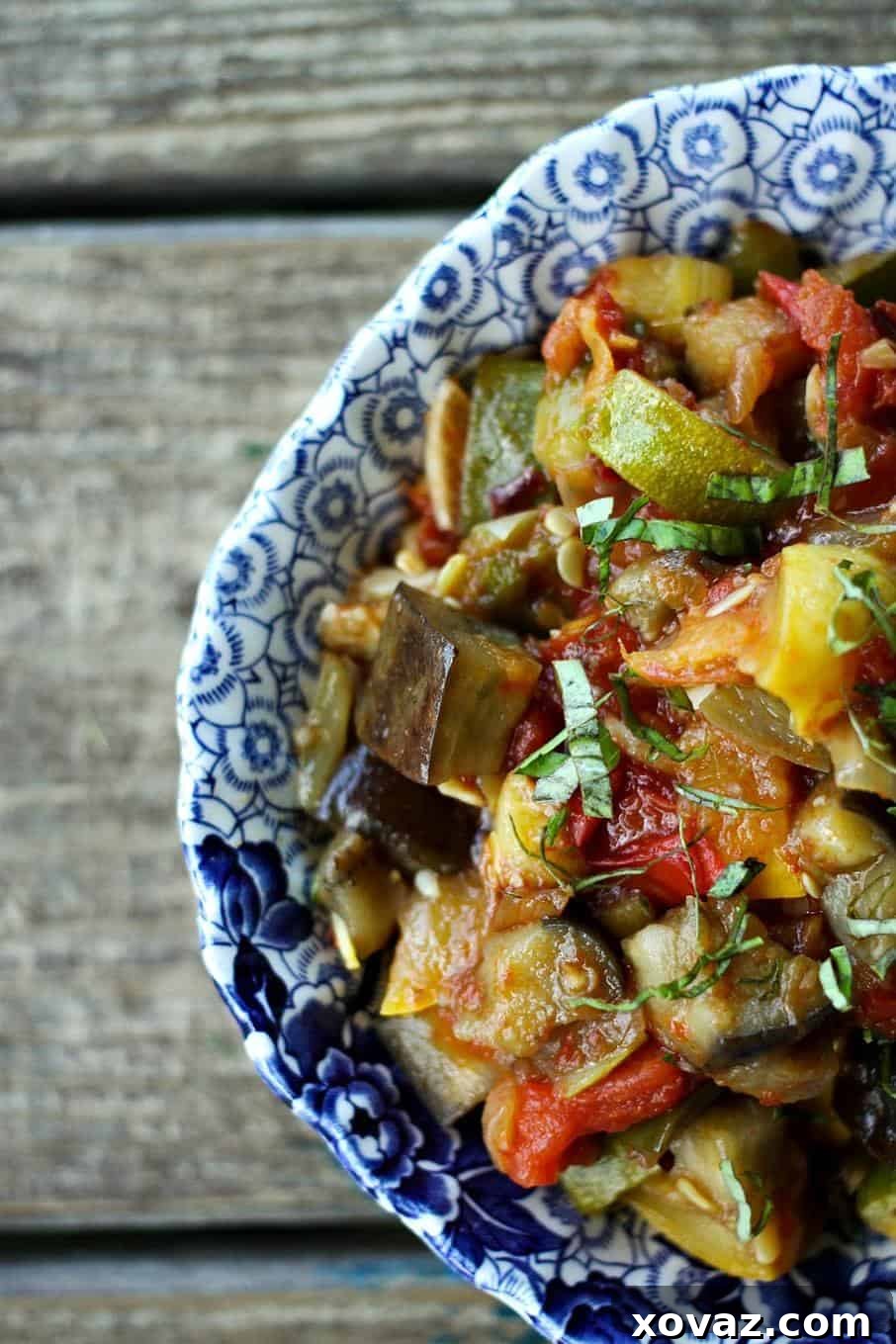
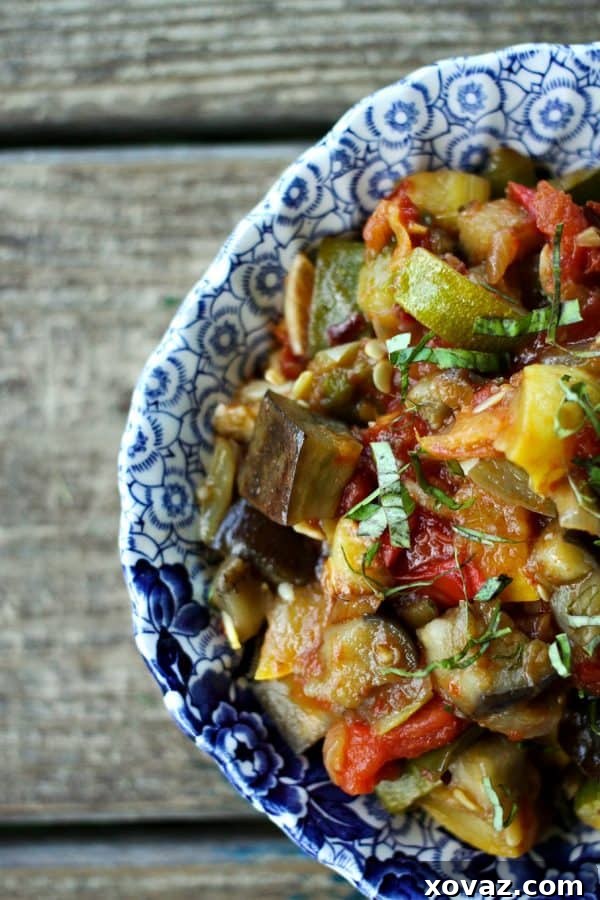
Once you’ve completed the course and sharpened your abilities, there’s no better way to practice your newly acquired knife-wielding prowess than by preparing a vibrant, flavorful dish like Ratatouille. This gorgeous, garlicky French vegetable stew is the quintessential meal for applying a variety of cutting techniques, and the delicious payoff makes every slice and dice worthwhile!
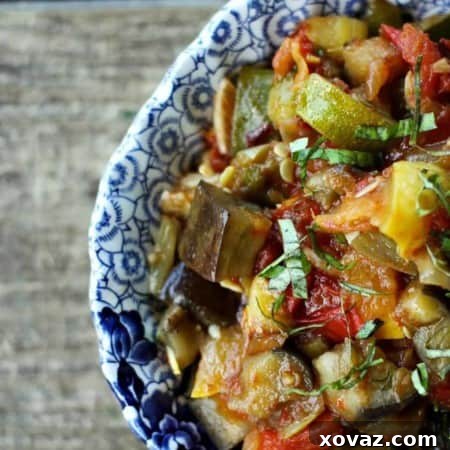
Classic Ratatouille
Rate Recipe
By Rebecca Lindamood
Pin Recipe
Ingredients
- 2 to 3 small or medium eggplants trimmed of the stem and diced into 1/2-inch cubes
- 6 tablespoons olive oil divided, plus more if needed
- 3 medium onions peeled, trimmed, and diced into 1/2-inch pieces
- 8 to 10 cloves of garlic peeled, and sliced thinly
- 2 to 3 stems of fresh basil tied together with kitchen twine, plus 6 to 8 additional fresh basil leaves for adding at the end
- 1/4 teaspoon crushed red pepper flakes
- 3 bell peppers stemmed, seeded, and diced into 1/2-inch pieces
- 2 medium yellow squash trimmed of the stem and diced into 1/2-inch pieces
- 2 zucchini trimmed of the stem and diced into 1/2-inch pieces
- 3 to 5 ripe tomatoes cored, and diced into 1/2-inch pieces
- 4 teaspoons salt divided, or more to taste
Instructions
-
Toss the diced eggplant with 2 teaspoons of salt and let it rest in a colander for 30 minutes while you prepare the rest of your vegetables. This crucial step helps draw out excess moisture and bitterness from the eggplant, leading to a superior texture in the final dish.
-
Heat 4 tablespoons of the olive oil over medium heat in a large, heavy-bottomed pot. Add the eggplant to the pan and fry, stirring frequently, until it turns golden brown and tender. If the eggplant seems to absorb all the oil and starts to stick, feel free to add a bit more olive oil as needed during cooking. Once golden, scoop the cooked eggplant onto a plate and set aside, then return the pot to the heat.
-
Add the remaining 2 tablespoons of olive oil to the pot. Stir in the diced onions with a pinch of salt and cook for approximately 6 to 7 minutes, or until the onions become soft and translucent. Next, add the thinly sliced garlic, the bouquet of basil (tied with kitchen twine for easy removal), crushed red pepper flakes, and another pinch of salt. Continue to cook for 2 to 3 minutes, stirring constantly, until the aroma is wonderfully fragrant. Incorporate the diced bell peppers and cook for 4 minutes before stirring in the yellow squash and zucchini, cooking for an additional 8 minutes until they begin to soften.
-
Finally, stir in the diced tomatoes and cook for 10 minutes, allowing them to break down and release their juices. Then, reintroduce the cooked eggplant to the mixture. Continue to cook the entire Ratatouille for another 10 to 15 minutes, or until all the vegetables are very tender and the flavors have melded beautifully. Carefully remove and squeeze the basil bouquet to extract any remaining essence, then discard it. Slice the reserved fresh basil leaves into thin ribbons (a chiffonade cut, perfect for practicing your new skills!) and stir them into the ratatouille just before serving. A final drizzle of extra virgin olive oil can be added for extra richness, if desired. Serve this versatile dish hot, warm, or even cold!
Nutritional information is an estimate and provided to you as a courtesy. You should calculate the nutritional information with the actual ingredients used in your recipe using your preferred nutrition calculator.
Did you make this recipe?
Make sure to tag @foodiewithfam on Instagram and #hashtag it #foodiewithfamily so I can check it out!
Pin Recipe
Share on Facebook
Cook’s Notes and Pro Tips for Your Ratatouille Journey:
- The eggplant is often the most demanding vegetable in Ratatouille preparation, but a simple trick makes it hassle-free. After dicing it, toss the eggplant cubes thoroughly with salt and let them rest in a colander for at least 20 to 30 minutes. This process is called “sweating” and it effectively draws out excess moisture, reducing bitterness and improving the eggplant’s texture, preventing it from becoming soggy. Tackle your eggplant first, then let it rest while you confidently prepare and dice the remaining vegetables for your Ratatouille – problem solved with strategic planning!
- Be prepared for the primary task involved in making Ratatouille: extensive slicing and dicing. While it might seem like a lot of knife work upfront, remember your newfound skills will make it quicker and more enjoyable. Don’t lose heart; once all your vegetables are perfectly cut and prepped, the cooking process itself is smooth sailing and deeply rewarding. This recipe is an excellent canvas to practice those uniform cuts!
- Don’t let any leftover Ratatouille go to waste! This versatile dish transforms beautifully. Simply puree any leftovers in a blender or food processor to create a majorly flavorful sauce. It’s fantastic served over pasta, spread as a vibrant base for a gourmet pizza, or as an accompaniment to grilled, roasted, or pan-fried meats, adding a burst of Mediterranean flavor to any meal.
Do yourself a favor and invest this small amount of time to get this free online knife skills course under your belt. You will be so incredibly glad you did, and your cooking will thank you for it!