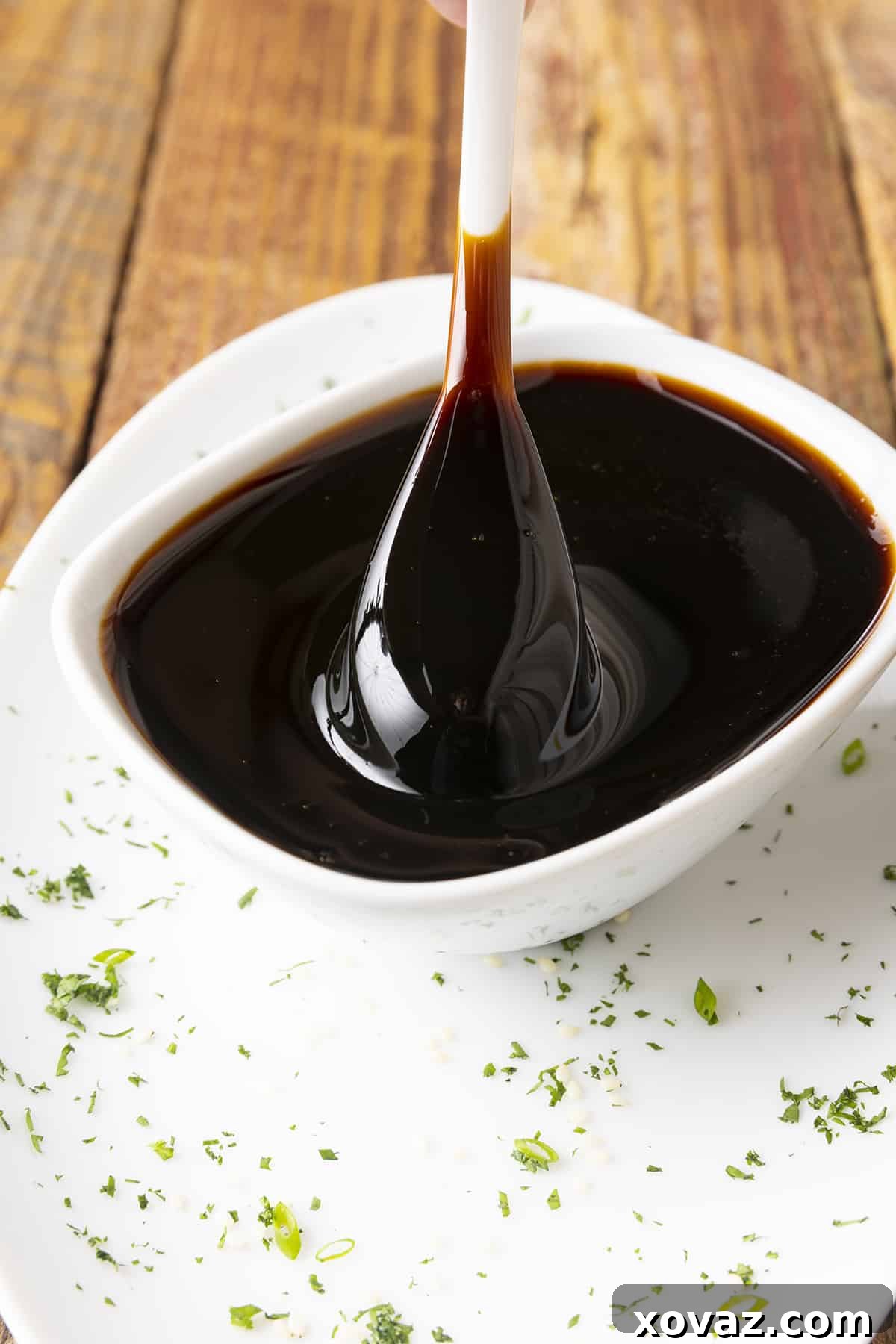
For enthusiasts of Japanese cuisine, the rich, captivating allure of eel sauce is likely a familiar delight. Often referred to as Unagi Sauce, this deep, dark, and exquisitely balanced condiment offers a perfect harmony of sweet and savory notes, brimming with a profound umami flavor. Its glossy, sticky texture transforms every dish it graces into something truly special. Given its incredible versatility and irresistible taste, it’s a staple you’ll want readily available in your kitchen at all times.
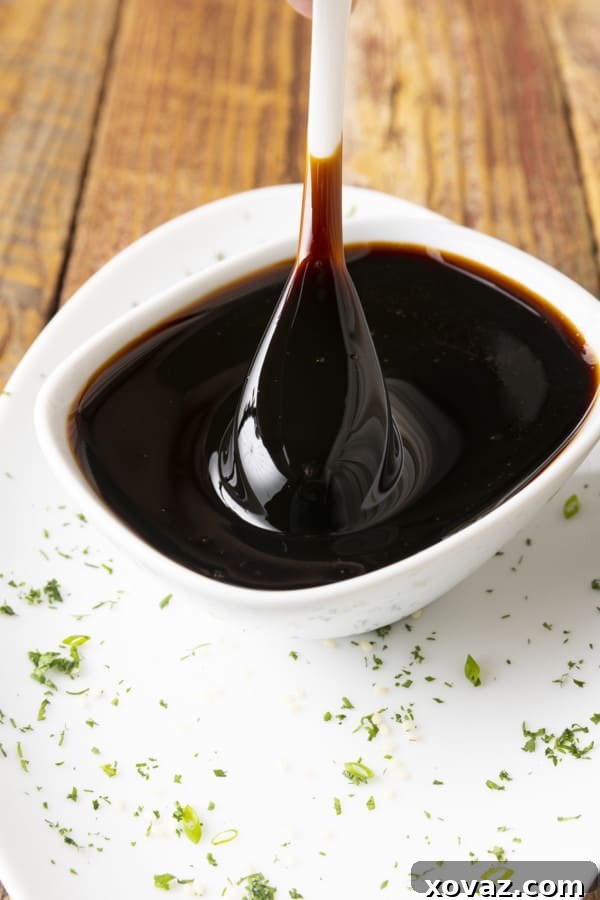
Known by various names such as Kabayaki sauce, eel sauce, nitsume, or Unagi no Tare, this savory Japanese condiment is a cornerstone in a vast array of dishes. While its most traditional pairing is with grilled freshwater eel (unagi), from which it derives its popular “eel sauce” moniker, its applications extend far beyond. It’s a fantastic glaze for barbecue dishes, a crucial component in sushi bake, an essential drizzle for homemade sushi rolls, and an exceptional enhancement for stir-fries, noodle dishes, and iconic creations like dragon roll sushi.
What Exactly is Unagi Sauce? Unveiling Its Flavor Profile
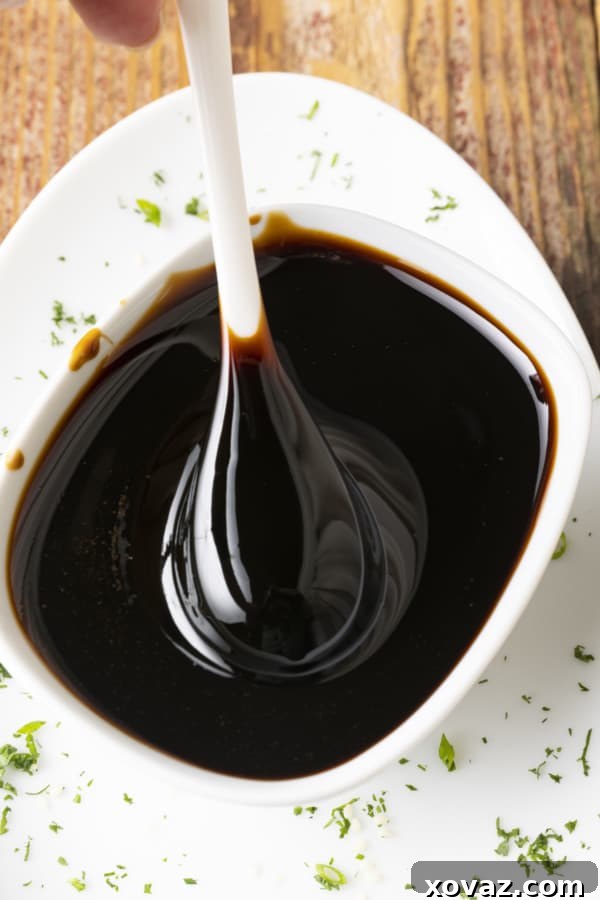
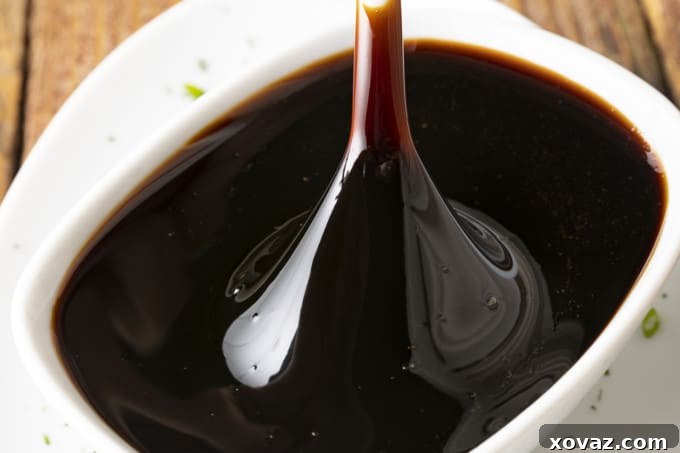
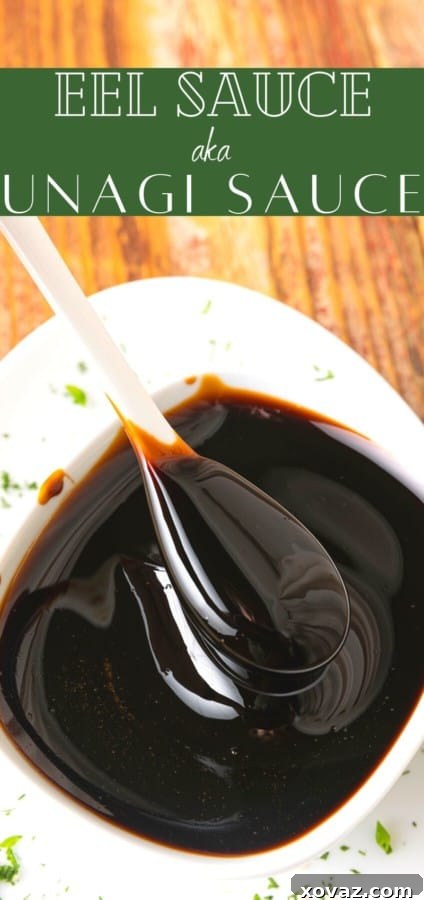
If you’re new to the world of Unagi sauce, prepare to be captivated. This thick, glistening sauce is renowned for its complex flavor profile: a delightful balance of sweetness, savory depth, and an unmistakable umami richness that lingers on the palate. Its texture is smooth, syrupy, and beautifully glossy, making it visually appealing as well as incredibly tasty.
Traditionally, Unagi sauce is a reduction made from just three core ingredients: soy sauce, mirin (a sweet rice wine), and sugar. These components are simmered slowly, allowing their flavors to meld and concentrate, resulting in a sauce that is both intensely flavorful and wonderfully sticky. While often associated with eel, the sauce itself does not contain eel; its name merely refers to its primary traditional use as a glaze for grilled eel (unagi kabayaki).
The magic of Unagi sauce lies in its ability to elevate simple ingredients. It’s used as a dipping sauce for delicate shrimp tempura, brushed generously onto succulent grilled eel (much like a barbecue sauce), drizzled over freshly made sushi rolls, incorporated into vibrant stir-fry dishes, and stirred into comforting noodle bowls. Its versatility is truly astounding, making it a must-have in any kitchen aiming to explore authentic Japanese flavors.
Unagi Sauce vs. Other Asian Condiments: A Clear Distinction
Unagi sauce is occasionally mistaken for other popular Asian condiments like hoisin sauce or oyster sauce due to their similar dark, thick appearance. However, crucial differences set them apart, not only in their ingredients and flavor profiles but also in their cultural origins. Unagi sauce is a foundational element of Japanese cuisine, while hoisin and oyster sauces are stalwarts of Chinese cooking.
- **Hoisin Sauce:** Often called Chinese BBQ sauce, hoisin sauce is typically sweeter and spicier than Unagi sauce. It’s made from a blend of fermented soybeans, garlic, vinegar, sugar, and various spices, giving it a much more assertive and pungent flavor profile. While both are great glazes, hoisin carries a distinct tang and spice that Unagi sauce does not.
- **Oyster Sauce:** This savory Chinese condiment is crafted from caramelized oyster juices, often combined with soy sauce, sugar, salt, and sometimes cornstarch. Despite its umami richness, similar to Unagi sauce, oyster sauce tends to be sweeter and has a unique seafood undertone that is entirely absent from Unagi sauce. Its savory character is also quite different, often more robust and less delicate than the subtle elegance of Unagi.
- **Teriyaki Sauce:** While both Unagi and Teriyaki sauces are Japanese and share a base of soy sauce, mirin, and sugar, they differ significantly in consistency and depth of flavor. Teriyaki sauce is generally thinner and less sweet, often used as a marinade or a lighter glaze. Unagi sauce, by contrast, is much thicker, almost syrupy, and boasts a more pronounced sweetness and intense umami, making it ideal as a finishing glaze or dipping sauce. Its glossy sheen is also typically more prominent.
While all three sauces are excellent vehicles for delivering powerful umami, Unagi sauce stands out for its delicate yet rich sweetness, its signature thickness, and its distinctively Japanese flavor profile. Understanding these differences allows for more authentic and delicious culinary creations.
The Advantages of Making Homemade Unagi Sauce
While store-bought Unagi sauce is widely available at Asian markets and many well-stocked grocery stores, crafting your own homemade version offers numerous compelling benefits. Not only is it incredibly easy to make, but it also allows for superior flavor control and caters to specific dietary needs.
- **Superior Flavor and Freshness:** Homemade Unagi sauce captures an unparalleled depth of flavor that often surpasses its commercial counterparts. By using fresh, quality ingredients, you can achieve a brighter, more nuanced taste without any artificial additives or preservatives. The aroma and richness of a freshly made batch are simply incomparable.
- **Cost-Effective:** The simple ingredients required for Unagi sauce are generally inexpensive. Making it at home can be significantly more budget-friendly than repeatedly purchasing bottled versions, especially if you use it frequently.
- **Customizable Sweetness and Thickness:** One of the greatest advantages is the ability to adjust the flavor profile to your preference. Want it a little sweeter? Add more sugar. Prefer it less intense? Reduce the simmering time slightly. You can also control the thickness, making it as syrupy or as pourable as you desire, a level of customization rarely found in store-bought options.
- **Gluten-Free Option:** Most commercial Unagi sauces contain gluten because they are made with traditional soy sauce. For those following a gluten-free diet, this presents a significant hurdle. Making homemade eel sauce is the perfect solution, as you can easily substitute regular soy sauce with gluten-free tamari. This simple swap ensures a delicious, authentic-tasting Unagi sauce that is completely safe for gluten-sensitive individuals.
- **Simple Ingredients, Minimal Effort:** Despite its gourmet taste, homemade Unagi sauce requires only three basic ingredients and minimal equipment. It’s a rewarding culinary project that yields impressive results with very little fuss, making it accessible even for novice cooks.
Crafting Your Own Unagi Sauce: A Simple Guide
You’ll be delighted to hear that making this incredible homemade eel sauce is surprisingly straightforward. It calls for only a handful of common ingredients (and no actual eel!), along with the most basic kitchen equipment you likely already possess.
Essential Ingredients for Homemade Eel Sauce
The beauty of Unagi sauce lies in its simplicity, requiring just three core ingredients to achieve its profound flavor:
- Low Sodium Soy Sauce (or Gluten-Free Tamari Sauce)
- Granulated Sugar
- Mirin (Sweet Rice Wine)
Selecting Your Ingredients for Optimal Flavor:
- **Soy Sauce:** The quality of your soy sauce is paramount here, as it forms the base of the sauce. I highly recommend starting with a good quality, low-sodium soy sauce. Since you’ll be reducing the sauce significantly, the flavors will concentrate, and a regular soy sauce might result in an overly salty final product. For those avoiding gluten, gluten-free tamari is an excellent, widely available substitute that delivers a comparable depth of flavor.
- **Sugar:** Granulated white sugar is the standard choice, providing clean sweetness. Raw sugar can also be used, offering a slightly deeper, molasses-like note. While technically you could use sweeteners like honey or maple syrup, they carry strong characteristic flavors that can overshadow the delicate balance of traditional Unagi sauce. Sticking to granulated or raw sugar helps maintain authenticity.
- **Mirin:** This sweet Japanese rice wine is indispensable for authentic Unagi sauce. It contributes a subtle sweetness, a characteristic tang, and helps create that desirable glossy finish. Mirin is widely available at Asian markets, larger grocery stores, and online. If genuine mirin is unavailable, a suitable substitute can be made by combining sake with a pinch of sugar, though the flavor profile will be slightly different. Avoid “mirin-style” condiments that often contain high fructose corn syrup and other additives.
Essential Equipment for Making Eel Sauce
When I said you don’t need anything specialized to make Unagi or Eel Sauce, I truly meant it. You’ll only require items that are standard in nearly every home kitchen:
- Measuring Cup
- Small Saucepan
- Whisk or Heat-Proof Spatula
- Mason Jar or Heat-Proof Container with an Air-Tight Lid (for storage)
Homemade Unagi Sauce Recipe
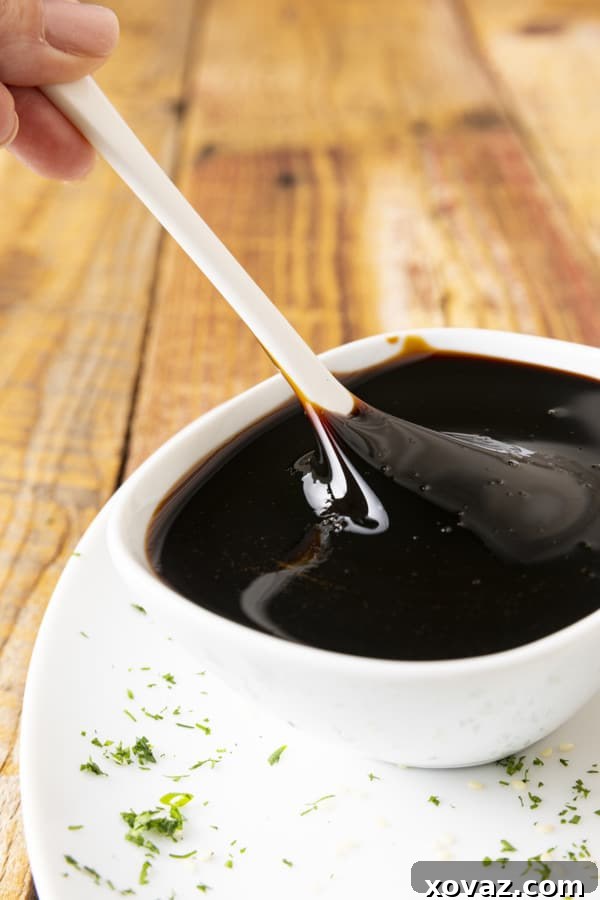
Achieving the perfect consistency for Unagi sauce is key. At room temperature, it should naturally have a rich, syrupy texture, similar to honey. If you prefer an even thicker eel sauce, you can easily achieve this with a cornstarch slurry. Simply combine up to 2 teaspoons of cornstarch with 2 tablespoons of cold water until thoroughly dissolved. While the hot eel sauce is gently boiling, whisk this slurry in constantly. Continue to boil gently, stirring for an additional 2 minutes, until the sauce reaches your desired thickness.
Once your sauce is ready, carefully pour it into a clean mason jar or another heat-proof, airtight container. Allow it to cool completely to room temperature before sealing it tightly. Stored in the refrigerator, your homemade Unagi sauce will remain fresh and flavorful for up to two weeks.
Eel Sauce Recipe
Rate Recipe
Rebecca Lindamood
Pin Recipe
Share on Facebook
Whether drizzling over sushi, poke bowls, rice,or brushing on fish or chicken before, during, and after cooking, you’ll find yourself reaching for Eel Sauce all the time.
Ingredients
- ½ cup soy sauce
- ½ cup mirin
- ½ cup granulated sugar
Optional:
- Up to 2 teaspoons cornstarch for an extra thick sauce See Notes
Instructions
-
In a small saucepan over medium heat, whisk together the soy sauce, mirin, and sugar until the sugar is dissolved. Bring to a gentle boil.
-
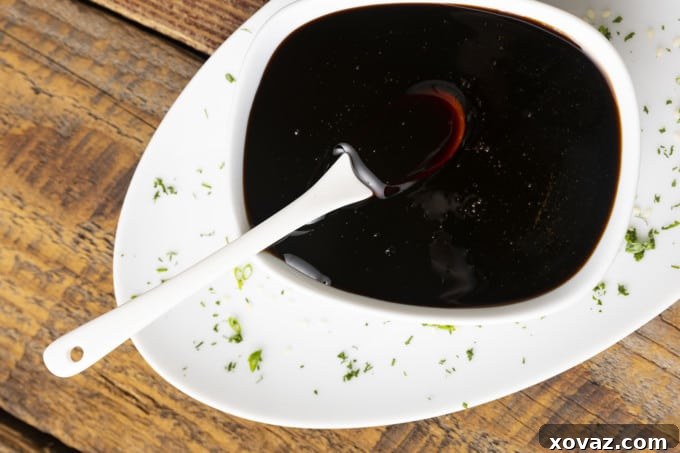
Maintain a gentle boil until the sauce has reduced by approximately one-third of its original volume. You can check for readiness by dipping a spoon into the sauce and carefully drawing your finger across the back; if the line remains clean, the sauce has reached the desired consistency.
-
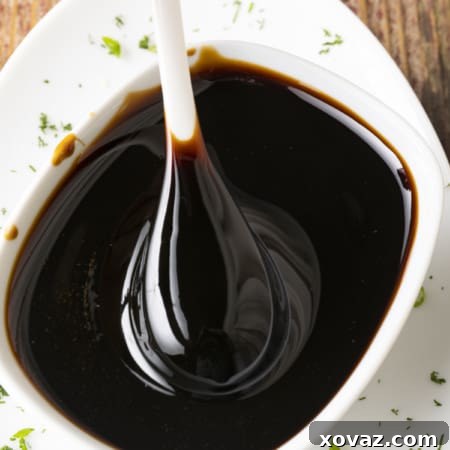
Remember that the sauce will continue to thicken significantly as it cools. The ideal consistency at room temperature should be similar to that of honey.
-
Pour the finished sauce into a clean canning jar or another heat-proof container. Loosely cover it and allow it to cool completely to room temperature before sealing tightly with a lid. Store the sauce in the refrigerator for up to 2 weeks.
Notes
Once thickened (if desired), pour the sauce into a jar and store as instructed above.
Nutrition
Nutritional information is an estimate and provided to you as a courtesy. You should calculate the nutritional information with the actual ingredients used in your recipe using your preferred nutrition calculator.
Did you make this recipe?
Make sure to tag @foodiewithfam on Instagram and #hashtag it #foodiewithfamily so I can check it out!
Pin Recipe
Serving Suggestions and Creative Uses for Your Homemade Unagi Sauce
Once you’ve mastered the art of making this delectable sauce, the culinary possibilities are endless. Here are just a few ideas to inspire you:
- **Classic Unagi Donburi:** Drizzle generously over grilled unagi (eel) served on a bed of steamed rice for the quintessential unagi donburi.
- **Sushi and Sashimi:** A delicate brush or drizzle over various sushi rolls and nigiri, particularly those with cooked fish or vegetables, enhances their flavor and adds a beautiful gloss. It’s especially popular on California rolls, tempura rolls, and dragon rolls.
- **Poke and Rice Bowls:** Elevate your homemade poke bowls or simple rice bowls with a generous swirl of Unagi sauce. It adds a layer of rich, savory sweetness that complements fresh fish, avocado, and vegetables perfectly.
- **Grilled Meats and Seafood:** Use it as a glaze for grilled chicken, salmon, shrimp, or even tofu. Brush it on during the last few minutes of cooking, or serve it on the side as a dipping sauce. Its stickiness helps create a beautiful caramelized crust.
- **Stir-fries and Noodle Dishes:** A spoonful or two can transform a humble stir-fry or noodle dish, adding depth and umami without overpowering other ingredients. It pairs wonderfully with chicken, beef, or vegetable stir-fries.
- **Tempura Dipping Sauce:** While often served with dashi-based tentsuyu, Unagi sauce offers a sweeter, richer alternative for dipping crispy tempura vegetables or shrimp.
- **Roasted Vegetables:** Toss roasted Brussels sprouts, asparagus, or broccoli with a touch of Unagi sauce for a surprising and delicious twist.
- **Marinade:** Its sweet and savory profile makes it an excellent base for a quick marinade for chicken, pork, or firm tofu.
Tips for Storing Your Homemade Unagi Sauce
Proper storage is essential to keep your homemade Unagi sauce fresh and delicious. Once cooled to room temperature, transfer the sauce to a clean, airtight container, such as a glass mason jar. Store it in the refrigerator, where it will maintain its quality for up to two weeks. Always ensure the lid is tightly sealed to prevent any absorption of refrigerator odors or premature spoilage. While it might thicken slightly more when chilled, simply let it come to room temperature or gently warm it before use if you prefer a looser consistency.
With its profound umami, delightful sweetness, and versatile applications, homemade Unagi sauce is a culinary secret weapon. It’s incredibly easy to make, remarkably cost-effective, and allows for complete control over ingredients and flavor. So, gather your simple ingredients and prepare to unlock a world of authentic Japanese flavors right in your own kitchen. Your taste buds, and your Japanese-inspired dishes, will thank you!