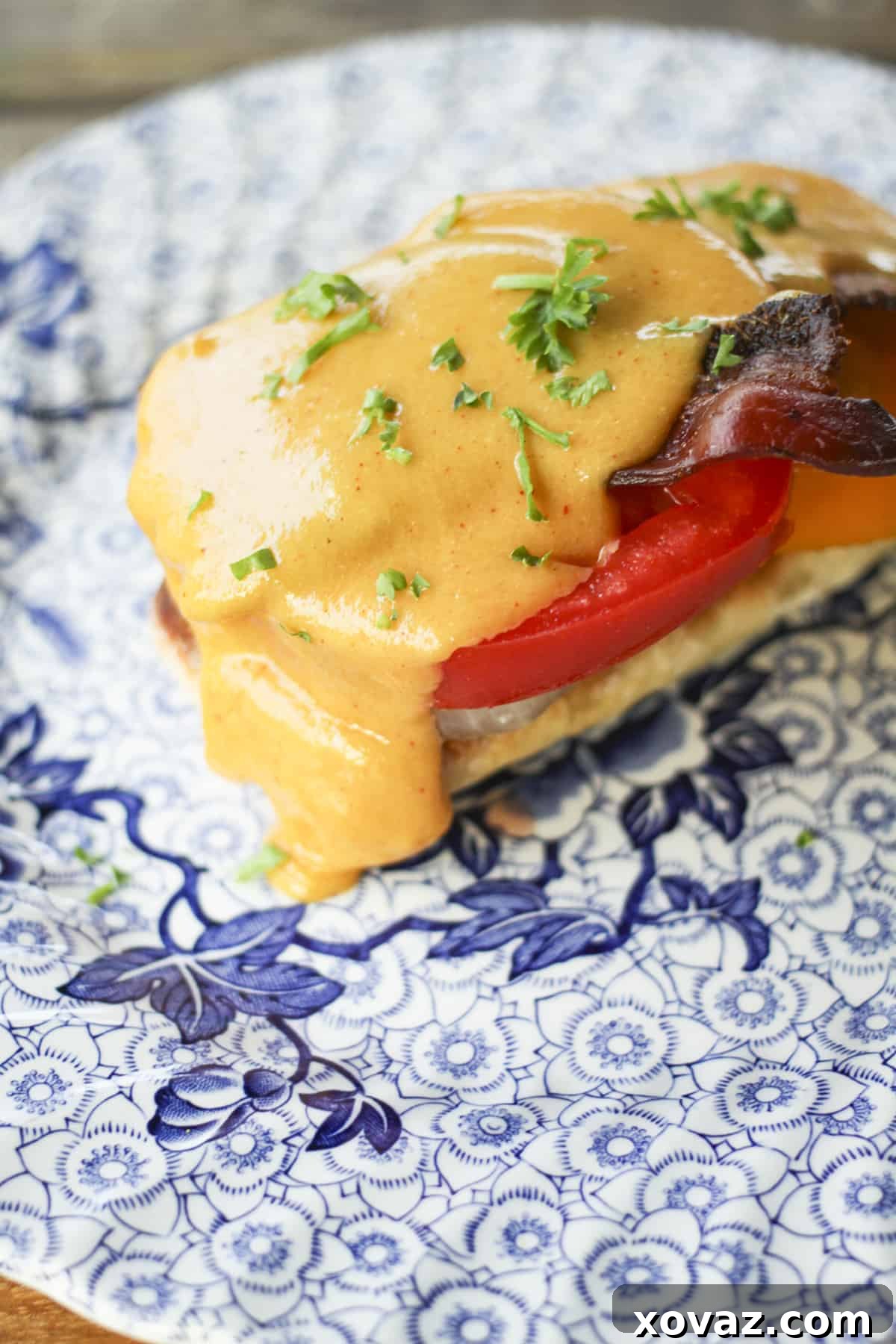
Delve into the comforting world of Welsh Rabbit, also known as Welsh Rarebit. This timeless British classic features a rich, creamy cheese sauce, subtly enhanced with the tang of mustard and the depth of beer, generously poured over perfectly toasted bread and sweet, pan-fried onions. While traditionally a hearty vegetarian meal, we’ll explore how adding a touch of crispy bacon can elevate it to an extraordinary culinary experience. Prepare yourself for a dish that is far more than just “cheese on toast” – it’s a symphony of textures and flavors designed to satisfy the soul.
Welsh Rabbit (a.k.a. Welsh Rarebit): A Timeless British Comfort Food
The very name “Welsh Rabbit” often sparks immediate curiosity and a hint of confusion. Let’s clear the air right away: despite its intriguing moniker, there is absolutely no rabbit meat in this beloved dish. In its most authentic form, Welsh Rabbit is a triumph of vegetarian cuisine, showcasing the humble yet profound versatility of cheese on toast. The alternative name, “Welsh Rarebit,” emerged later, likely as an attempt to clarify that this savory creation is indeed a ‘rare bit’ of something truly delicious, not a game animal.
Unraveling the Mystery: What Exactly is Welsh Rarebit?
At its core, Welsh Rarebit is a sophisticated and elevated take on simple cheese on toast. Far from being a quick grilled cheese sandwich, it involves a lusciously thick, flavorful cheese sauce, typically made with sharp cheddar, a hint of ale or stout, a touch of mustard (dry and Dijon), and sometimes Worcestershire sauce or paprika for added depth. This exquisite sauce is then lovingly spooned over toasted bread and often broiled briefly to achieve a beautiful, bubbly golden crust. The origins of “Welsh Rabbit” can be traced back to at least 1725, as confirmed by the Oxford English Dictionary, suggesting its roots run deep in British culinary history and possibly even predate these written records.
The precise reason behind the “rabbit” in its name remains a delightful subject of humorous debate among food historians. Theories abound, ranging from a jocular reference to the Welsh being so fond of cheese that they preferred it over meat, even rabbit, to a playful corruption of a word now lost to time. Another popular theory suggests it was a culinary jest, implying that cheese was a “poor man’s rabbit.” Regardless of its intriguing etymology, its enduring popularity is a testament to its irresistible appeal and comforting qualities. It’s a dish that has satisfied generations with its rich flavors and hearty nature, evolving slightly over centuries but always retaining its essence as a celebration of cheese.
An Elevated Classic: Our Signature Welsh Rabbit Recipe
While the traditional Welsh Rarebit is undoubtedly delicious in its simplicity, our rendition proudly elevates this classic to new heights, blending time-honored techniques with thoughtful enhancements. This particular adaptation was inspired by cherished friends, an Australian national and her American husband, who brought fresh perspectives to this British staple. Our journey begins by swapping traditional sliced sandwich bread for sturdy, crusty slices of toasted baguette. This choice isn’t just about elegant presentation; the baguette’s robust texture ensures it stands up admirably to the generous pour of rich cheese sauce, preventing any unwelcome sogginess and providing a satisfying chew.
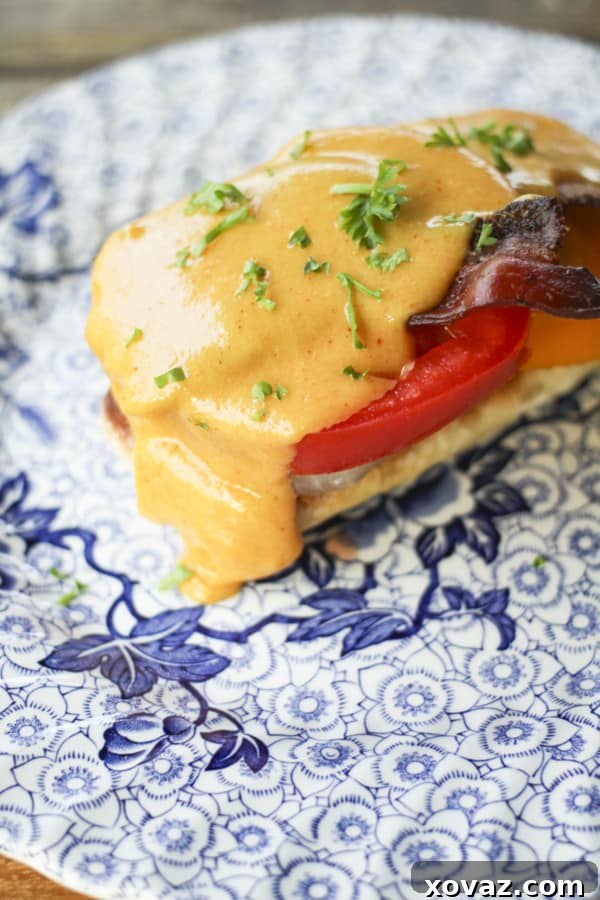
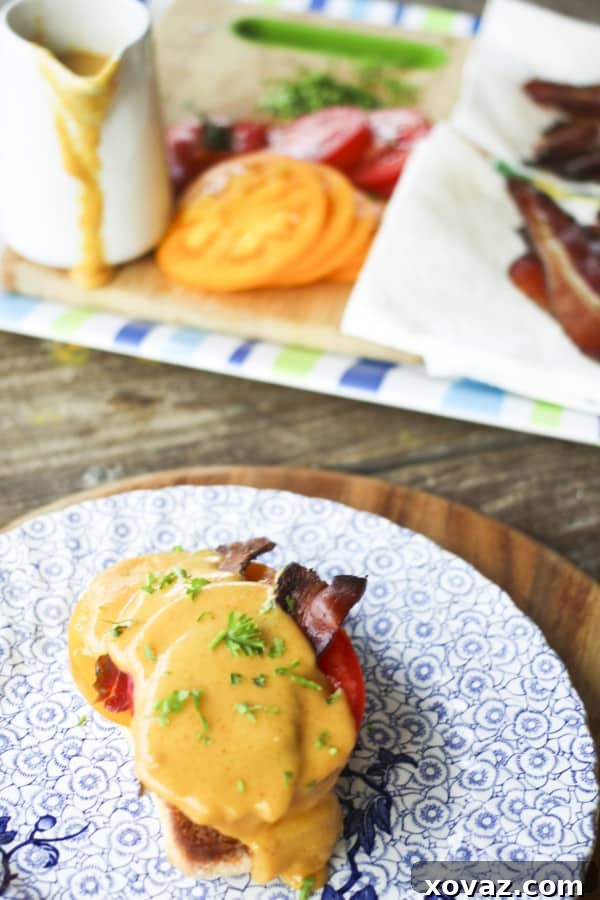
But the enhancements don’t stop there. Our perfectly toasted baguette forms the foundation for layers of culinary delight: tender, sweet pan-fried onions, caramelized to golden perfection; thick, juicy slices of fresh summer tomatoes, offering a vibrant burst of acidity; and for those who seek an extra layer of indulgence and savory depth, crispy, smoky bacon. Finally, everything is lovingly drenched in our signature beer-based cheese sauce, subtly spiced with a hint of mustard, paprika, and Worcestershire. Each bite of this Welsh Rabbit is a symphony of textures and flavors – creamy, crunchy, sweet, tangy, and profoundly savory. It’s a truly unforgettable experience that transforms a classic comfort food into an extraordinary culinary adventure, guaranteed to leave you yearning for more.
Mastering the Components of an Exceptional Welsh Rarebit
Achieving the perfect Welsh Rarebit requires attention to detail for each key ingredient, ensuring every element contributes to the overall harmony of the dish. Here’s a deeper dive into selecting and preparing them:
The Foundation: Choosing Your Bread
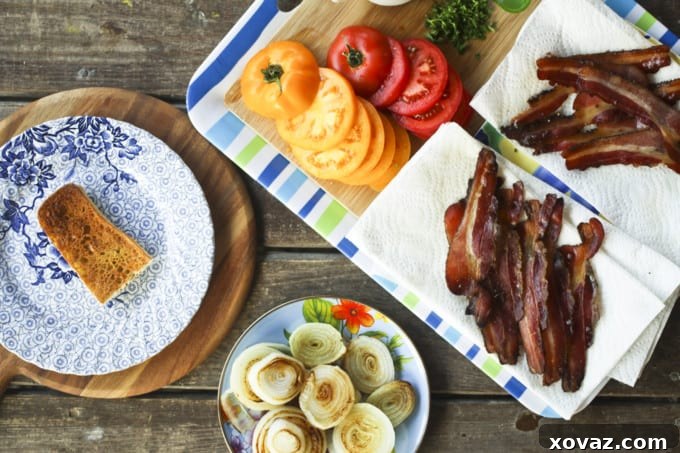
As highlighted, a long, thin baguette is our unequivocal preferred choice for this recipe. Its structural integrity is unmatched, providing a firm yet yielding base that beautifully absorbs the savory sauce without ever becoming waterlogged. The golden crust of a perfectly toasted baguette adds a delightful crunch that contrasts wonderfully with the creamy, soft topping. Before toasting, a light drizzle of olive oil further enhances the bread’s flavor and helps achieve that desirable golden-brown finish. If a baguette isn’t readily available, don’t despair! Thick slices of homemade sourdough or a hearty artisan white bread can make excellent, admirable substitutes. The crucial factor is selecting a bread with good density and a robust crust that can gracefully withstand the moisture and heat of the broiler, maintaining its character throughout the meal.
The Aromatic Layer: Pan-Fried Onions
Sweet onions, such as Vidalia or Walla Walla, are perfectly suited for this dish. They caramelize beautifully when pan-fried, releasing their natural sugars and imparting a subtle sweetness that exquisitely balances the richness of the cheese sauce. Their tender texture, achieved through slow cooking, adds another layer of comfort. However, any good quality onion will certainly do. Keep in mind that starting with a stronger onion variety, like a yellow or red onion, will result in a more pungent, assertive onion flavor in the finished dish. This isn’t necessarily a bad thing; if you prefer a bolder, more piquant profile, a stronger onion can be a wonderful choice. The key lies in the careful pan-frying process, transforming their raw bite into a deeply flavorful, aromatic complement to the luxurious cheese sauce.
Seasonal Freshness: The Role of Tomatoes
When preparing Welsh Rabbit during the peak of warmer months, there’s truly nothing quite like piling on a couple of thick, ruby-red slices of ripe, juicy summer tomatoes. Their vibrant acidity and inherent fresh sweetness provide a glorious contrast, cutting through the richness of the cheese sauce and adding a lively burst of seasonal flavor. They are a welcome, bright counterpoint to the savory depth of the dish. However, midwinter tomatoes can often be a culinary disappointment, lacking flavor and texture. During colder months, it’s generally best to omit fresh tomatoes from the main dish. Instead, consider serving a side of tangy pickles, crisp cornichons, or bright cherry tomatoes, perhaps lightly dressed. These alternatives can offer the necessary fresh, acidic counterpoint to cleanse the palate and enhance the overall experience, ensuring your Welsh Rabbit remains a delight year-round.
Crafting the Perfect Cheese Sauce: Tips for Success
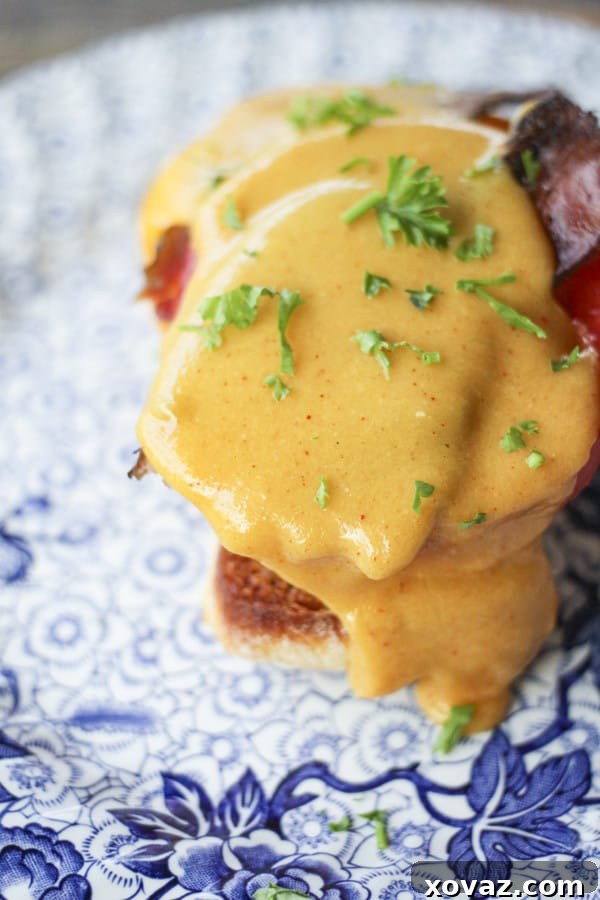
The cheese sauce is undeniably the undisputed star of Welsh Rabbit, and its smooth, velvety texture is absolutely paramount to the dish’s success. Here are essential tips for achieving culinary perfection with your sauce:
- Precise Flour Measurement: When creating the roux – the foundational butter and flour paste – it’s crucial to err on the side of slightly under-measuring your flour. Too much flour can quickly lead to a thick, pasty, or grainy sauce, which is the antithesis of a luxurious Welsh Rarebit. For the utmost precision, gently sprinkle flour over your measuring spoon and level it off carefully with the back of a knife or the handle of another spoon. Take great care to avoid shaking the spoon, as this can compact the flour and result in an over-measurement. This small, meticulous effort guarantees a silkier, lump-free sauce that will coat your palate beautifully.
- Optimal Cheese Selection: While extra-sharp cheddar is often a go-to for many cheese-centric dishes due to its intense flavor, regular sharp cheddar is generally preferable for Welsh Rabbit. It melts more smoothly and is less prone to graininess, providing a robust, authentic cheddar flavor without any textural compromises. The sauce’s overall sharpness and complexity will be wonderfully boosted by the strategic addition of dry mustard powder and Dijon mustard, creating a deeply flavorful and balanced profile.
- The Role of Beer: The beer, preferably a traditional ale, is not merely for flavor; its subtle acidity plays a vital role in the science of the sauce. The acids help to break down the cheese proteins, contributing significantly to the sauce’s silky smooth texture and adding a sophisticated depth of flavor that is truly characteristic of a classic Welsh Rarebit.
- Incorporating the Egg Yolk: A raw egg yolk, carefully whisked into the finished sauce off the heat, is a secret weapon for richness and gloss. It acts as a powerful emulsifier, making the sauce incredibly luxurious and adding a beautiful sheen. If you have any health concerns about consuming raw egg yolk, an excellent alternative is to use a pasteurized egg yolk, which ensures food safety without compromising the dish’s integrity or the desired velvety texture. For many, a fresh, separated egg yolk is a relatively low-risk addition, as most foodborne illnesses associated with eggs typically stem from the shell or whites.
Pairing and Serving Your Delicious Welsh Rabbit
Once your glorious Welsh Rabbit is assembled, it demands to be enjoyed immediately, hot or at least warm, to fully appreciate its melty goodness, complex flavors, and enticing aroma. A crisp, cold beverage is the perfect accompaniment to balance the richness of the cheese. Naturally, a chilled beer, perhaps the same ale used in the sauce, makes for a supremely harmonious pairing. Its refreshing effervescence and subtle bitterness beautifully complement and cut through the creamy richness of the cheese, enhancing each bite.
Beyond beer, consider a refreshing, tangy drink for a different kind of palate cleanser. For a summery twist, a Boozy Strawberry Basil Lemonade offers a sweet and herbal counterpoint. Alternatively, a Berry Kombucha Margarita provides a unique, effervescent kick that beautifully cuts through the richness, adding a layer of sophisticated tartness. Welsh Rabbit is incredibly versatile and can be enjoyed in various contexts. It makes an excellent, hearty vegetarian main dish for a satisfying lunch or a light dinner. It can also serve as a sophisticated and intriguing appetizer for a gathering, or a delightfully indulgent brunch option that stands out from the usual fare. Imagine a cozy Sunday morning, a perfectly prepared Welsh Rabbit gracing your table – it’s truly comfort food at its most refined and satisfying.
Welsh Rabbit a.k.a. Welsh Rarebit Recipe
This recipe yields 4 servings of an unforgettable Welsh Rabbit, a comforting dish perfect for any meal.

Welsh Rabbit a.k.a. Welsh Rarebit
Recipe by Rebecca Lindamood (adapted from Sandii Laing Peiffer)
Pin Recipe
Share on Facebook
Ingredients
- 1/2 baguette, sliced in half as if for a sandwich, then divided in half lengthwise to yield 4 pieces
- 2 tablespoons butter, softened or melted, for toasting bread
- 2 sweet onions, peeled and sliced into 1/2 to 3/4-inch thick slabs
- 1 tablespoon olive oil, for frying onions
- 12 ounces thick-sliced bacon, cooked until crispy (optional, for a non-vegetarian version)
- 2 beefsteak tomatoes, sliced thickly (optional, for summer months)
For the Welsh Rabbit Sauce:
- 1 tablespoon butter
- 1 tablespoon all-purpose flour
- 1/2 cup beer, preferably ale (such as a pale ale or mild bitter)
- 1/3 cup milk (whole milk recommended for richness)
- 1 teaspoon mustard powder, preferably Coleman’s Mustard powder
- 1/4 teaspoon Worcestershire sauce
- 1/4 teaspoon paprika (sweet or smoked, to taste)
- 2 teaspoons Dijon mustard, grainy or smooth
- 6 ounces sharp cheddar cheese, freshly shredded (approximately 1 1/2 cups)
- 1 egg yolk (use pasteurized if you prefer for safety)
Instructions
- Prepare the Toast: Set your oven’s broiler to HIGH. Arrange the baguette slices, cut side up, on a cookie sheet. Spread or brush a thin layer of softened or melted butter over the baguette. Place the pan under the broiler and toast until the bread is uniformly golden brown (this usually takes 1-2 minutes, watch carefully to prevent burning). Remove from the oven and set aside.
- Cook the Onions: Heat 1 tablespoon of olive oil in a heavy-bottomed skillet over medium-high heat. Once the oil is shimmering, carefully lay the onion slabs in the pan in a single layer. Let them fry undisturbed for 3-4 minutes on one side, or until they are beautifully golden brown and softened. Gently flip each slice with a flexible spatula and fry for another 3 to 4 minutes on the second side, until equally golden brown. Transfer the cooked onions to a plate and tent gently with foil to keep them warm.
- Make the Roux: Return the same skillet to the burner and adjust the heat to low. Melt 1 tablespoon of butter in the skillet. Sprinkle the 1 tablespoon of all-purpose flour over the melted butter. Whisk continuously for 1 minute, or until the flour paste (roux) is fragrant and lightly golden.
- Build the Sauce Base: Gradually whisk in the 1/2 cup of beer until the mixture is completely smooth and lump-free. Continue to whisk as you slowly pour in the 1/3 cup of milk until it is fully incorporated and the sauce begins to thicken slightly.
- Season and Thicken: Whisk in the dry mustard powder, Worcestershire sauce, paprika, and Dijon mustard until the sauce is perfectly smooth and well combined. Stir in the freshly shredded sharp cheddar cheese, continuously stirring until it has completely melted into a smooth, creamy, and luxurious sauce. Remove the skillet from the heat immediately.
- Finish with Egg Yolk: While the sauce is still warm but off the direct heat, whisk in the egg yolk vigorously until it is fully incorporated and the sauce appears glossy and extra rich. The residual heat of the sauce will gently warm the yolk without scrambling it, adding emulsification and velvety texture.
- Assemble and Serve: To serve, place a toasted baguette slice on each plate. Top generously with the warm pan-fried onions, fresh tomato slices (if using), and crispy bacon (if using). Finally, douse each portion with a hearty helping of the hot Welsh Rabbit cheese sauce. Serve immediately while hot or warm for the best possible experience, allowing the flavors and textures to shine.
Nutrition Information (Estimated per serving)
Calories: 850kcal | Carbohydrates: 40g | Protein: 28g | Fat: 64g | Saturated Fat: 26g | Polyunsaturated Fat: 8g | Monounsaturated Fat: 24g | Trans Fat: 1g | Cholesterol: 172mg | Sodium: 1167mg | Potassium: 901mg | Fiber: 4g | Sugar: 16g | Vitamin A: 2299IU | Vitamin C: 31mg | Calcium: 426mg | Iron: 3mg
Nutritional information is an estimate and provided to you as a courtesy. You should calculate the nutritional information with the actual ingredients used in your recipe using your preferred nutrition calculator.
Share Your Welsh Rabbit Creation!
We absolutely love seeing your culinary adventures and how you interpret our recipes! If you whip up this delightful Welsh Rabbit recipe, don’t forget to share your photos with us. Tag @foodiewithfam on Instagram and use the dedicated hashtag #foodiewithfamily so we can admire your delicious creations and celebrate your cooking success!
This post was originally published on August 20, 2014, and has been comprehensively updated in April 2022 with enhanced instructions, additional helpful information, and fresh photography to bring you the most enjoyable and successful Welsh Rabbit experience possible.