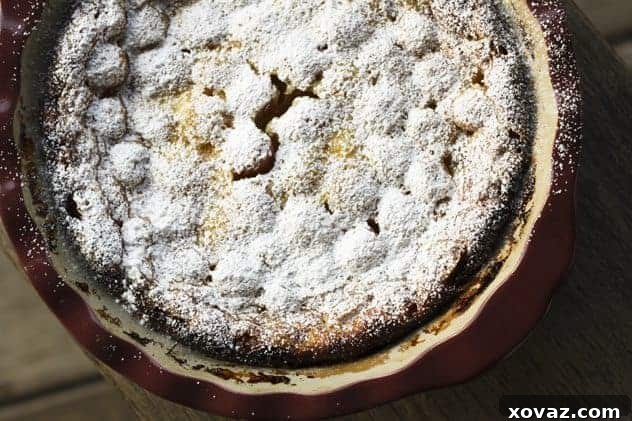
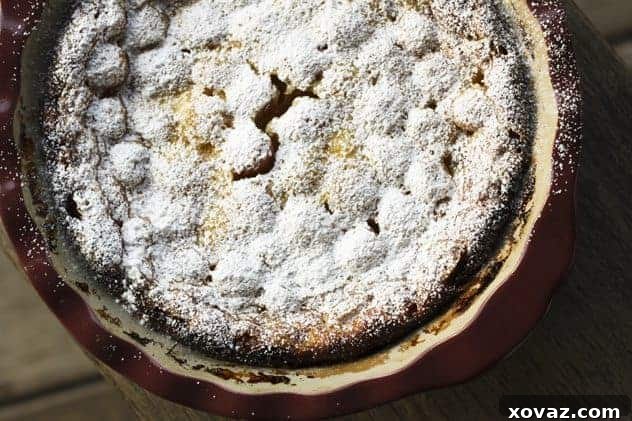
Imagine a sun-drenched afternoon in the French countryside, a gentle breeze rustling through cherry trees, and the irresistible aroma of a freshly baked dessert wafting from a nearby kitchen. This idyllic scene brings to mind one of France’s most beloved and iconic sweet treats: the Clafoutis. More than just a simple dessert, Clafoutis embodies the elegance and simplicity of French culinary tradition, offering a rustic yet refined experience that captivates with every bite. Often compared to a custardy pancake or a fruit-studded flan, this charming dish is a celebration of seasonal bounty, particularly fresh cherries, making it a quintessential summer delight.
Discovering the Enchantment of French Clafoutis
Originating from the Limousin region of France, Clafoutis (pronounced kla-foo-TEE) is a humble yet sophisticated dessert that perfectly blends tender fruit with a rich, egg-based batter. Traditionally, it features a scattering of fresh fruit, most commonly dark, sweet cherries, baked in a thick, custardy batter until it’s puffy, golden, and set. The result is a delightful texture—creamy and soft in the center with slightly caramelized edges, offering a comforting warmth whether served straight from the oven or at room temperature. It’s a dessert that speaks of home, tradition, and the simple pleasures of good food.
While cherries are the classic choice, the versatility of Clafoutis extends to other fruits as well. Pears, apples, plums, berries, and even apricots can be used, adapting beautifully to the creamy batter. Each variation offers a slightly different flavor profile, allowing for a year-round enjoyment of this charming French staple. However, the cherry clafoutis holds a special place in the hearts of many, revered for its timeless appeal and the unique characteristics that come with its traditional preparation.
For those uninitiated, encountering a traditional cherry clafoutis in France might come with a delightful, albeit surprising, discovery: the cherries are often baked whole, pits and all. This practice, while initially unusual for many outside of France, is not an oversight but a deliberate choice rooted in culinary tradition and flavor enhancement. It’s a key element that distinguishes an authentic French Clafoutis and elevates its taste and texture beyond what might be expected from a pitted version.
The French Secret: Why Cherries are Baked Whole in Clafoutis
The practice of leaving the pits in cherries when making clafoutis is a cornerstone of French tradition, and for very good reasons. Far from being a mere convenience, this method is integral to both the visual appeal and the deep, complex flavor of the finished dessert. Understanding these reasons reveals the subtle artistry behind this seemingly simple culinary choice and offers a glimpse into the thoughtful approach of French gastronomy.
Preserving the Perfect Form
One of the primary benefits of using whole cherries is the preservation of their beautiful, round shape during the baking process. When cherries are pitted, they tend to break down more easily, losing their structural integrity and releasing more juice. This can result in a softer, mushier texture and a dessert where the fruit bleeds excessively into the custard, potentially altering its delicate consistency and appearance. By contrast, the pit acts as a natural barrier, protecting the cherry flesh from collapsing and ensuring each fruit retains its plump, appealing form. This creates a visually stunning dessert, where vibrant, intact cherries are nestled within the golden, creamy custard, making for a truly inviting presentation that’s as delightful to the eyes as it is to the palate.
Unlocking a Hidden Flavor Dimension: The Almond Note
Perhaps the most compelling reason for leaving the pits intact is the extraordinary depth of flavor they impart to the clafoutis. Believe it or not, cherry pits contain a compound called benzaldehyde, which, when gently heated, releases a subtle, delicate almond-like aroma and taste. This isn’t a strong, overpowering almond flavor like that from an extract, but rather a nuanced undertone that harmonizes perfectly with the natural sweetness and tartness of the cherries. This natural infusion elevates the clafoutis, giving it a complexity and aromatic richness that simply cannot be achieved with pitted cherries or by merely adding almond extract. The classic pairing of cherry and almond is no accident; it’s a flavor marriage made in culinary heaven, and the pits are the traditional, natural way to achieve this exquisite combination in a clafoutis. This subtle almond essence is a hallmark of authentic French clafoutis, offering a unique taste experience that distinguishes it from other cherry desserts.
Mastering the Clafoutis Experience: Enjoying a French Classic
Embracing the French tradition of whole cherries means learning the simple art of eating Clafoutis with pits. For those accustomed to pit-free cherry desserts, the idea might seem daunting at first, but it’s a surprisingly natural and enjoyable process. It’s all about slowing down, savoring each bite, and appreciating the full, authentic experience, much like the French approach to dining itself.
The Art of Negotiating the Pits
When the cherries cook in the rich, custardy batter, the pits tend to separate easily from the softened fruit. As you bite into a piece of clafoutis, the cherry flesh will yield, and the pit will often slip out quite readily. The customary way to handle this is to discreetly tuck the pit into your cheek, then gently deposit it onto your spoon or directly into a small bowl provided for this purpose. Alternatively, a napkin can be used for a quick and polite disposal. This practice is entirely normal and expected in France, so there’s no need for self-consciousness. It’s part of the charm and authenticity of enjoying this rustic dessert, a small ritual that connects you to generations of French diners. Think of it as an interactive element that encourages mindful eating, allowing you to truly appreciate the textures and flavors as you go.
Selecting the Best Cherries for Your Clafoutis
The quality of your cherries will significantly impact the flavor of your clafoutis. Opt for fresh, ripe, dark sweet cherries when they are in season, typically late spring through summer. Look for firm, plump cherries with bright green stems. Varieties like Bing, Rainier, or Skeena are excellent choices for their sweetness and juicy texture. While sweet cherries are traditional, a mix of sweet and tart cherries (such as Morello) can add a wonderful complexity and balance to the dessert. Washing the cherries thoroughly and gently drying them before use is essential. Remember, you’ll be leaving the pits in, so a good wash is crucial.
Baking Tips for a Flawless Clafoutis
Creating the perfect clafoutis is simpler than you might think, but a few key tips can ensure a truly spectacular result. First, always ensure your eggs and milk are at room temperature. This helps create a smoother, more uniform batter without lumps, leading to a more consistent and tender custard. Secondly, generously butter your baking dish – a deep pie plate or a gratin dish works beautifully. This not only prevents sticking but also contributes to the rich, golden crust around the edges. When preparing the batter, whisk the eggs until frothy, then incorporate the sugar, salt, and vanilla before gradually adding the milk, cream, and flour. Whisk vigorously until the batter is perfectly smooth. Allowing the batter to rest for 5-10 minutes at room temperature before pouring it over the cherries can help the flour fully hydrate, resulting in a more tender and delicate texture. Bake until the clafoutis is beautifully puffed up, golden brown at the edges, and still slightly jiggly in the center, indicating a perfectly set yet creamy custard.
Serving Your Authentic Clafoutis
Clafoutis is wonderfully versatile in how it can be served. While it’s absolutely divine warm from the oven, allowing it to cool to room temperature deepens its flavors and allows the custard to fully set, resulting in a more cohesive texture. A generous dusting of powdered sugar is the classic finishing touch, adding a delicate sweetness and elegant presentation. For an extra touch of indulgence, serve with a dollop of crème fraîche, a scoop of vanilla bean ice cream, or a light drizzle of cherry liqueur. To truly immerse yourself in the French experience, put on some classic Edith Piaf, perhaps pour a glass of sparkling rosé, and enjoy your clafoutis with style and great taste. Leftovers, if any, can be tightly wrapped and stored in the refrigerator for up to three days, and are surprisingly good enjoyed cold, cut into neat wedges.
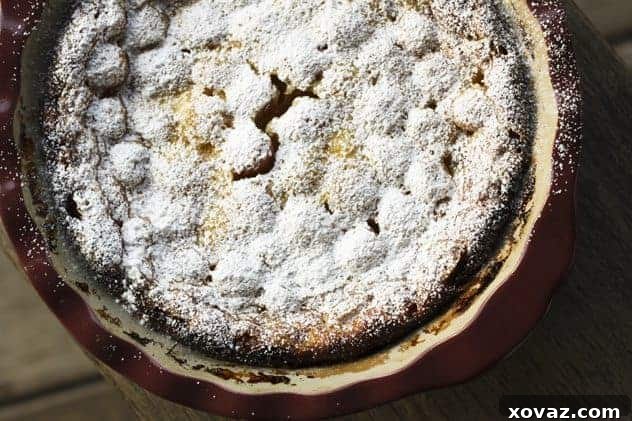
Whole Cherry Clafoutis (Classic French Custard Tart)
A simple, creamy, custard-based classic French dessert made with fresh, whole cherries. Enjoy with a generous dusting of powdered sugar.
Author: Rebecca Lindamood
Rate this Recipe | Print Recipe | Pin Recipe | Share on Facebook
Ingredients
- 1 pound of fresh sweet cherries
- 3 large eggs, room temperature
- 3/4 cup sugar
- 1/8 teaspoon salt
- 1 1/2 teaspoons real vanilla extract
- 1/2 cup all-purpose flour
- 3/4 cup whole milk (DO NOT SKIMP ON THE FAT. You will regret it bitterly.)
- 1/4 cup heavy cream
- Soft butter, for greasing the pan
- Powdered sugar, for serving
Instructions
- Preheat your oven to 350°F (175°C).
- Remove the stems from your cherries, but leave the pits intact. Generously butter the sides and bottom of a deep pie plate (a 9 or 10-inch dish works well). Scatter the cherries as evenly as possible over the bottom of the pie plate. Set aside.
- In a large bowl, vigorously whisk the eggs until they are frothy and lightly colored.
- Add the sugar, salt, and vanilla extract to the eggs and continue to whisk well until the sugar is fully incorporated and the mixture is smooth. Gradually whisk in the whole milk and heavy cream until combined. Sprinkle the flour over the surface of the liquid mixture and, once again, beat enthusiastically with the whisk until you have a perfectly smooth, lump-free batter.
- Allow the batter to rest for 5 minutes at room temperature. This brief rest allows the flour to fully hydrate, resulting in a more tender clafoutis. After resting, carefully pour the batter over the cherries in the prepared pie plate.
- Bake the clafoutis for 40-50 minutes, or until it is beautifully puffed, golden brown in the center (it should still have a slight jiggle), and darker brown at the edges. To check for doneness, a knife or a thin skewer inserted into the center should come out clean; it may be slightly damp but should not have uncooked egg clinging to it.
- Let the clafoutis cool in the pan on a wire cooling rack until it is barely warm to the touch or has reached room temperature. This allows the custard to fully set and achieve its ideal texture.
- Dust the clafoutis generously with powdered sugar just before serving. Serve in wedges with a small bowl or a stack of napkins for guests to discreetly discard the cherry pits. Store any tightly wrapped leftovers in the refrigerator for up to 3 days.
Nutritional information is an estimate and provided to you as a courtesy. You should calculate the nutritional information with the actual ingredients used in your recipe using your preferred nutrition calculator.
Did you make this recipe?
Make sure to tag @foodiewithfam on Instagram and #hashtag it #foodiewithfamily so I can check it out! We love seeing your culinary creations!
Print Recipe | Pin Recipe | Share on Facebook