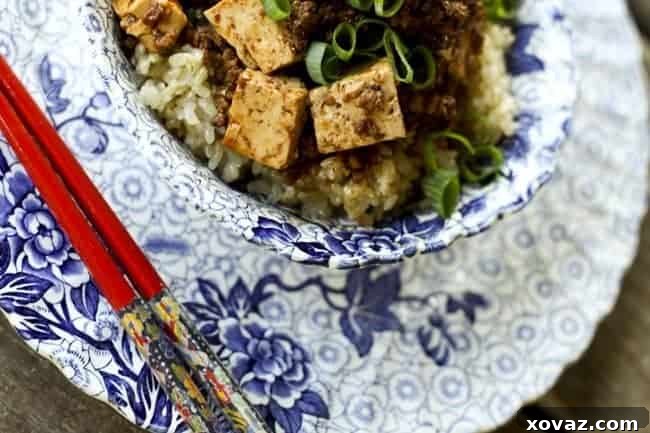
Prepare your palate for a culinary adventure! Mapo Tofu, famously known as “Pockmarked Lady Tofu” (a curious name that belies its incredible flavor), is a legendary dish that marries perfectly browned and crispy ground pork with pillowy soft squares of tofu. These delightful components are bathed in a thick, profoundly spicy, and subtly sweet sauce, perfumed with the aromatic notes of garlic and ginger. Served generously over a bed of steaming hot rice, it invites you to savor every drop of its glistening, flavorful richness. This isn’t just a meal; it’s an experience, a symphony of textures and tastes that captivates from the first bite.
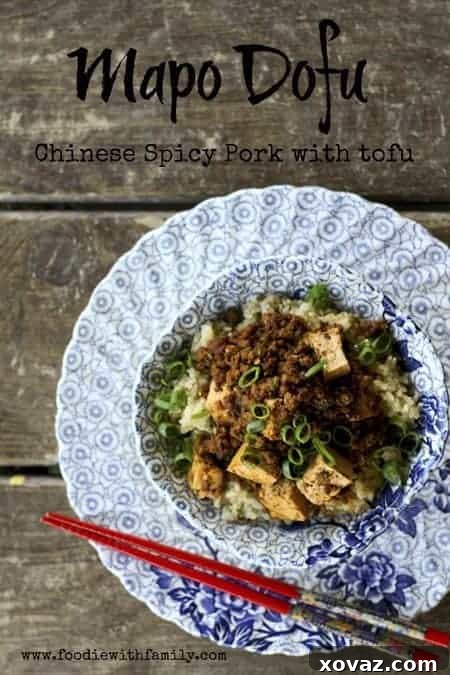
I consider myself incredibly fortunate to come from a family where exceptional cooking is a tradition. Each family member boasts their own culinary niche, spanning everything from expert canning and intricate vegetarian dishes to gluten-free baking and hearty meat preparations. Indeed, if you ever find yourself sharing a meal with my relatives, rest assured, you’re in for a treat. Today, I’m thrilled to share a dish that holds a special place in our family repertoire, a particular specialty perfected by my dear younger sister, Christina.
Christina and I share an interesting culinary history: we are both enthusiastic meat-eaters who once embraced vegetarianism. Though I can’t recall the exact moment the conversation arose, we vividly remember discovering that, in our vegetarian days, neither of us was particularly enamored with tofu. We both found its texture and taste somewhat uninspiring. That all changed the moment we encountered the brilliant and delicious Chinese method of cooking tofu alongside meat. From then on, our perceptions were entirely transformed, especially after experiencing the quintessential Chinese takeout classic: Mapo Tofu, or Mapo Dofu as it’s also known.
What is Mapo Tofu (Mapo Dofu)? Unpacking a Sichuan Classic
Mapo Tofu, often translated as “Pockmarked Lady’s Tofu” (a legendary, albeit unusual, homage to its supposed creator), is far more delightful than its name suggests. At its heart, it’s a vibrant dish featuring ground pork, meticulously broken apart and fried until beautifully crispy. This savory pork is then simmered with tender, pillowy cubes of soft tofu, all enveloped in a rich, thick sauce. This sauce is a masterclass in flavor, boasting a tantalizing balance of spiciness, a subtle sweetness, and the intoxicating fragrance of fresh garlic and ginger. Traditionally, it’s served over hot, fluffy rice, which acts as the perfect canvas to absorb every drop of the luscious sauce and the glorious richness from the pork fat.
You might wonder, why bother with tofu in such a flavorful, meat-centric dish? The answer lies in tofu’s remarkable ability to absorb flavors and its unique texture. It soaks up the complex sauce like a sponge, becoming infused with every spicy, savory, and aromatic note. Moreover, the soft, yielding tofu introduces a delightful lightness to the dish, preventing it from becoming overly heavy. In Mapo Tofu, tofu truly shines, elevating the entire experience. Even my husband and sons, who are confirmed meat lovers, absolutely adore this dish. Though I’ll admit, two of my children still tend to navigate around the tofu. But I’m patient; one day, they’ll undoubtedly take an accidental bite and discover the incredible deliciousness they’ve been missing!
Beyond its irresistible taste, another fantastic aspect of Mapo Tofu is its incredible speed. This recipe comes together faster than calling for takeout, making it an ideal choice for a weeknight meal when cravings strike. You have complete control over the ingredients, ensuring freshness and quality. And yes, while you *could* drain off the pork fat, I strongly advise against it – that glistening fat is pure flavor! This homemade version perfectly captures all the exciting notes you crave from your favorite Chinese restaurant. If you play your cards right and prepare a generous batch, you’ll even have wonderful leftovers. A container of Mapo Dofu waiting in the refrigerator has an almost magical effect on my mood. It inspires me to exercise with more vigor, work a little harder, and feel a touch more patient throughout the day, all fueled by the anticipation of that glorious bowl of “pockmarked lady’s” legacy.
Is this an Authentic Mapo Tofu Recipe? Balancing Tradition with Practicality
Ah, the eternal question of authenticity! This particular recipe for Mapo Tofu arrived in my kitchen through my sister, who happens to hail from Cleveland. Does its origin automatically label it as inauthentic? I certainly don’t believe so. Having researched numerous recipes and enjoyed countless bowls of Mapo Tofu from various sources, I’m quite confident that this version successfully hits the mark in terms of flavor profile. While I’ve taken a slight detour from strict tradition by incorporating a Korean ingredient—Gochujang—I find that it adds a wonderful dimension to the dish.
The addition of Gochujang serves as a convenient hack, standing in for the fresh chilies typically used in more traditional preparations. Fresh chilies aren’t always readily available or consistent in quality where I live. Gochujang not only provides a fantastic kick but also introduces a lovely savory depth that somehow perfectly complements the other flavors. Ultimately, the most important factor is its undeniable deliciousness and its habit-forming nature. I confess, I obsess over this dish, and I always keep a block of tofu on hand, ready for when a Mapo Tofu craving inevitably strikes.
Essential Ingredients for Mapo Tofu: Sourcing the Stars
Admittedly, this recipe does call for a few ingredients that might not be staples in every pantry. However, the good news is that these are generally inexpensive and increasingly accessible. Most well-stocked Asian markets, and even the Asian food sections of larger grocery stores, carry them. If you have the option, I highly recommend visiting an Asian market. They typically offer the widest variety of authentic ingredients for Chinese and other Asian cuisines, often at the best prices.
For those without easy access to an Asian market or a diverse Asian food selection at their local grocer, many of these specialty ingredients are conveniently available online. The other excellent news is that these aren’t “one-trick ponies.” The ingredients you purchase for Mapo Tofu can be used in a multitude of other delicious Asian dishes. Here are some of the key ingredients that might require a little extra searching:
-
Black Bean Chilli Sauce: This pungent and spicy sauce is made from fermented black beans and chili peppers. It’s not just fantastic in Mapo Tofu; its umami-rich heat makes it a superb addition to stir-fries and fried rice, adding a complex depth that’s hard to replicate.
-
Szechuan (Sichuan) Peppercorns: These unique peppercorns are not “hot” in the same way black or white peppercorns are. Instead, they are celebrated for their distinctive, slightly citrusy aroma and, more famously, for the “ma la” sensation—a delightful tingling and numbing quality they impart to the lips and tongue, especially when used generously. It’s an essential element of authentic Sichuan cuisine and utterly delightful.
-
Sriracha Hot Chili Sauce or Gochujang Chili Paste: Sriracha has become a household name, known for its garlicky, thick, and fiery kick, making it a ubiquitous hot sauce in many kitchens, including ours. Gochujang, on the other hand, might be less familiar unless you have a connection to Korean culture or a love for Korean food. It’s a tangy, salty, and spicy fermented chili paste that is a cornerstone of Korean cooking, indispensable for dishes like bulgogi and bibimbap. While either can be used, I personally prefer the unique savory depth that Gochujang brings to Mapo Tofu.
A Handy Trick for Grating Fresh Ginger
The recipe specifies using grated ginger, and if you’ve ever wrestled with grating fresh ginger root, you’re probably cringing at the thought right now. It can be a notoriously fiddly task: the fibrous strings get tangled, and the slippery root is difficult to grip, let alone grate into a fine paste. But I have excellent news! There’s a simple trick that will revolutionize your ginger prep.
Simply wrap single-use-sized pieces of fresh ginger in plastic wrap, then stash these individual portions in a zip-top freezer bag and freeze them solid. Frozen ginger is infinitely easier to grate than its fresh counterpart, and it doesn’t compromise the vibrant flavor you desire. An added bonus, particularly for those of us living far from bustling grocery stores, is that you’ll always have a ready supply of fresh ginger on hand. If freezing seems like too much effort, you could opt for ginger paste available in tubes in the produce section, but in my experience, frozen ginger yields a noticeably stronger and fresher ginger taste.
Choosing the Perfect Rice for Your Mapo Tofu
When it comes to selecting rice for your Mapo Tofu, my advice might sound flippant, but it’s genuinely meant: use whatever type of rice you love most! The beauty of Mapo Tofu is its versatility in pairing. We frequently enjoy it over a variety of rice types, including delicate sushi rice, delightfully sweet brown sticky rice, fragrant jasmine rice, or even dependable plain old long-grain white rice. If you were to press me for a favorite, I’d probably lean towards sweet brown sticky rice, as it’s generally my preferred choice for most dishes.
However, the honest truth is that if you presented me with a bowl of Mapo Tofu, even served over instant minute rice (which I’m not particularly fond of), I’d still eagerly devour every last bite! That truly speaks volumes about the irresistible appeal of this dish. The rice serves primarily as a comforting base, soaking up all the incredible sauce, so choose one that brings you joy.
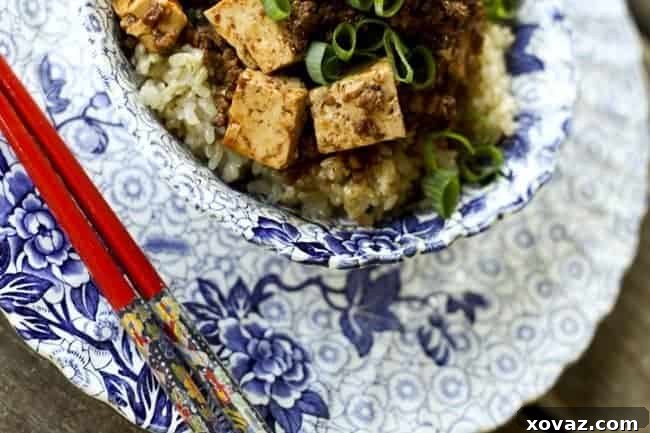
Do you already keep fresh ginger in your freezer? Are you a seasoned tofu lover, or do you typically avoid it? If you’re usually on the fence about tofu, would you be willing to give it a try in this intensely flavorful dish? And finally, what’s your all-time favorite Chinese takeout meal? Share your thoughts in the comments below!
Mapo Tofu: Chinese Spicy Pork with Tofu Recipe
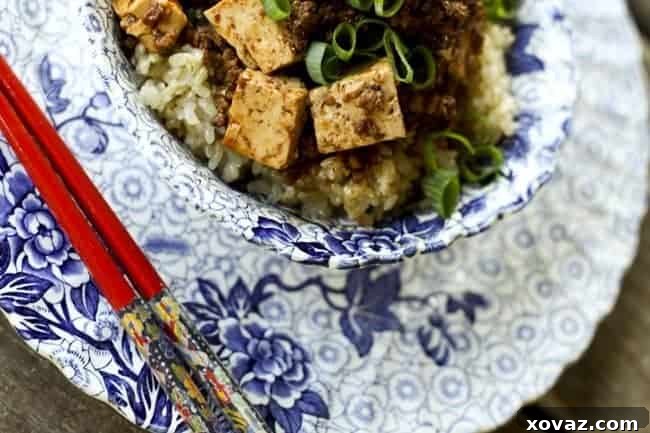
Mapo Tofu | Chinese Spicy Pork with Tofu
Author: Rebecca Lindamood
Prep Time: 10 mins
Cook Time: 25 mins
Yields: 6 servings
Faster than phoning for take-out, my little sister’s version of the Chinese classic ‘Mapo Tofu’ is the stuff of obsession. Ground pork is broken up and fried until crispy, then simmered with pillowy soft squares of tofu in a thick, spicy and sweet sauce fragrant with garlic and ginger served over hot rice. This is tofu for meat lovers! Adapted lovingly from my sister Christina Thrasher’s recipe.
Ingredients
- 1 tablespoon Szechuan peppercorns
- 1 tablespoon peanut or canola oil
- 1 pound ground pork
- 2 tablespoons chili powder
- 6 cloves of garlic, peeled and minced
- 1 1/2-inch piece of fresh ginger root, grated or finely minced
- 1 bunch green onions, trimmed of the root ends and sliced thinly, white sections divided from the green sections.
- 1/2 cup black bean chili sauce
- 1 cup water
- 1 tablespoon reduced sodium soy sauce or tamari
- 1 tablespoon Gochujang or Sriracha, plus more to taste
- 1 block soft tofu (14 ounces), drained, cut into 1/2-inch cubes, and drained in a colander while the pork cooks
For Serving:
- Hot Cooked Rice
Instructions
- In a large, dry, clean skillet or frying pan, toast the Szechuan peppercorns over medium-low heat, shaking the pan occasionally, until they are fragrant and beginning to darken in color. Transfer the peppercorns to a bowl to cool. When completely cool, grind them in a spice grinder, blender, or mortar and pestle. Store in an airtight jar until ready to use.
- Return the skillet or frying pan to the burner, this time over medium-high heat. When the pan is hot, add the peanut or canola oil and swirl to coat. Break up the ground pork over the hot oil and stir-fry, continuing to break up the pork into smaller and smaller pieces, until the pork is cooked all the way through and has browned and crisped up on the outside. Sprinkle the chili powder, garlic, ginger, and white sections of the green onions over the crisped pork and stir-fry until fragrant. Add the black bean chili sauce, water, and the Gochujang or Sriracha then stir together and bring to a gentle simmer, scraping the bottom of the pan to get up any delicious crispy bits that have clung to it. Gently stir in the tofu cubes and simmer until the sauce is thick and the tofu is hot all the way through.
- Sprinkle at least 1 teaspoon of the ground Szechuan peppercorns over the dish, stir, and taste. If you want to make the sauce hotter, add a bit more Gochujang or Sriracha, taking care, though, because that also adds saltiness to the dish. If you need to tone down the saltiness, or your sauce is too thick, add a bit more water to thin it and return to the burner just until hot all the way through.
- Serve over fresh, hot rice garnished with the sliced green parts of the green onion.
- Leftovers store well, tightly covered, in the refrigerator for up to 4 days.
Nutritional information is an estimate and provided to you as a courtesy. You should calculate the nutritional information with the actual ingredients used in your recipe using your preferred nutrition calculator.
Did you make this recipe?
Make sure to tag @foodiewithfam on Instagram and #hashtag it #foodiewithfamily so I can check it out!