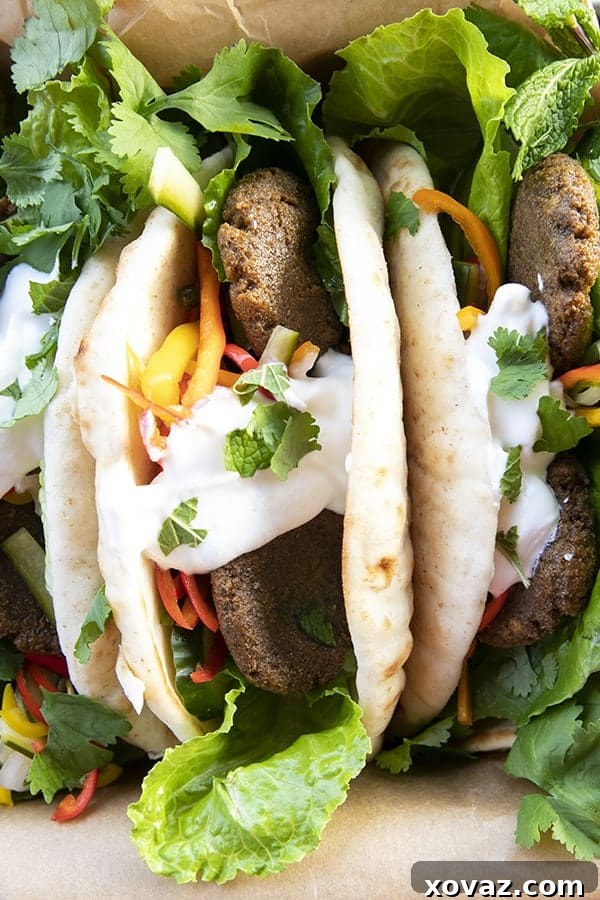
Falafel: Crispy Chickpea Fritters That Delight Every Palate
Crispy, flavorful falafel, made from ground chickpeas and a vibrant blend of Middle Eastern spices, holds a unique power to satisfy all, from the most dedicated vegetarians to the staunchest carnivores. These savory fritters offer a delightful culinary experience that transcends dietary preferences.
In many households, introducing a meatless meal can be a challenge. My family, for instance, is a true meat-loving bunch. My eldest son once famously declared himself ninety-eight percent carnivore and two percent omnivore. This deep-seated preference for meat often makes vegetable-centric dishes a tough sell at our dinner table.
While I do have a few vegetarian staples that my children tolerate, such as Black Bean Tacos and the surprisingly popular Chicken Fried Eggplant, they rarely spark excitement or repeated requests. That was, until I rediscovered the magic of homemade falafel.
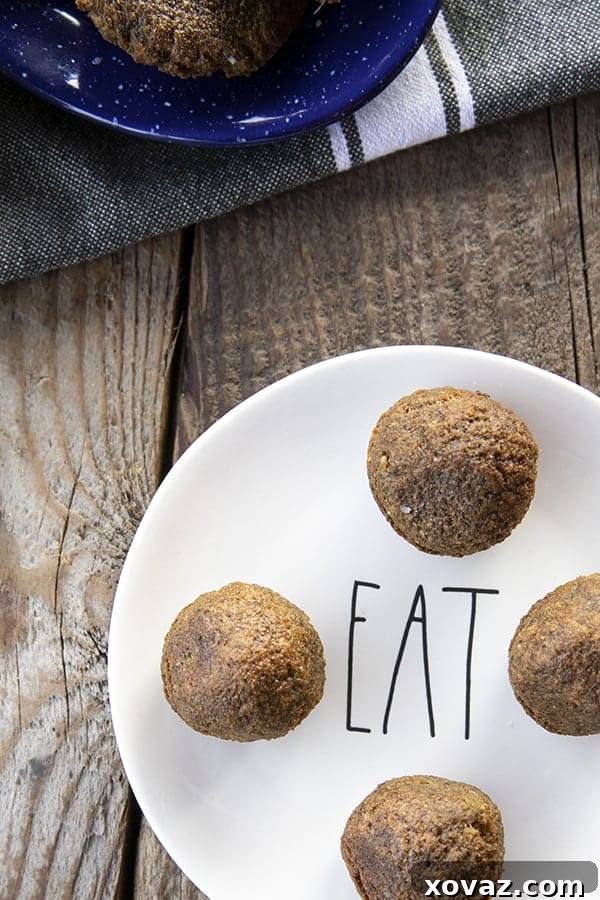
I’m not talking about the convenient, but often bland, varieties found in boxes or the freezer aisle. I’m referring to authentic, homemade falafel made from scratch with fresh, soaked chickpeas, an abundance of fresh parsley and cilantro, and plenty of aromatic garlic, all fried to golden-brown perfection. The difference in taste and texture is monumental, transforming a simple chickpea fritter into an irresistible delicacy.
What Exactly is Falafel? A Culinary Overview
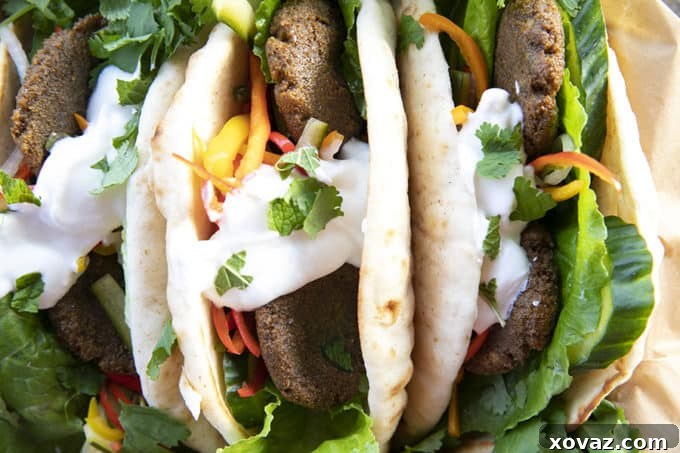
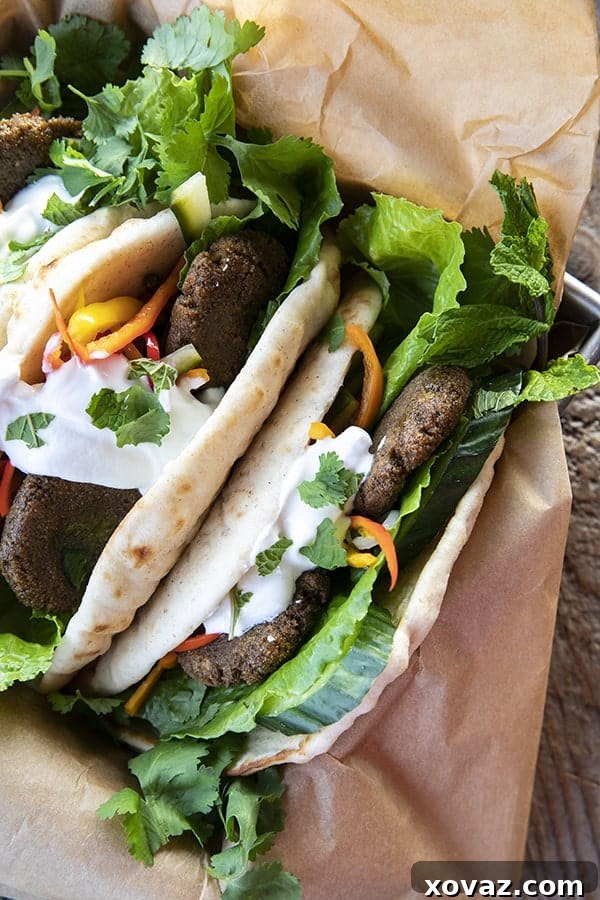
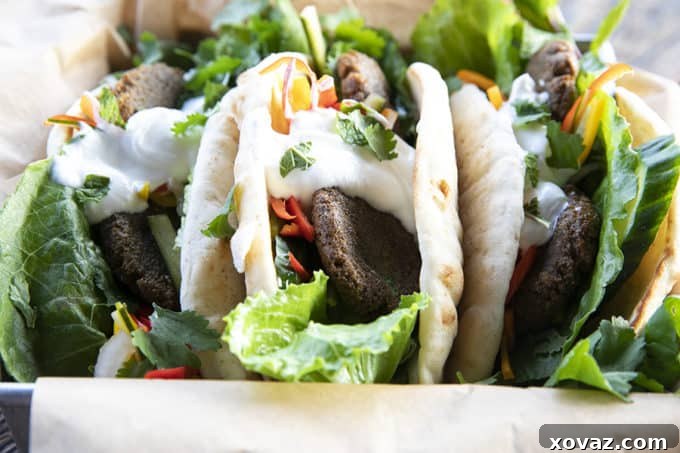
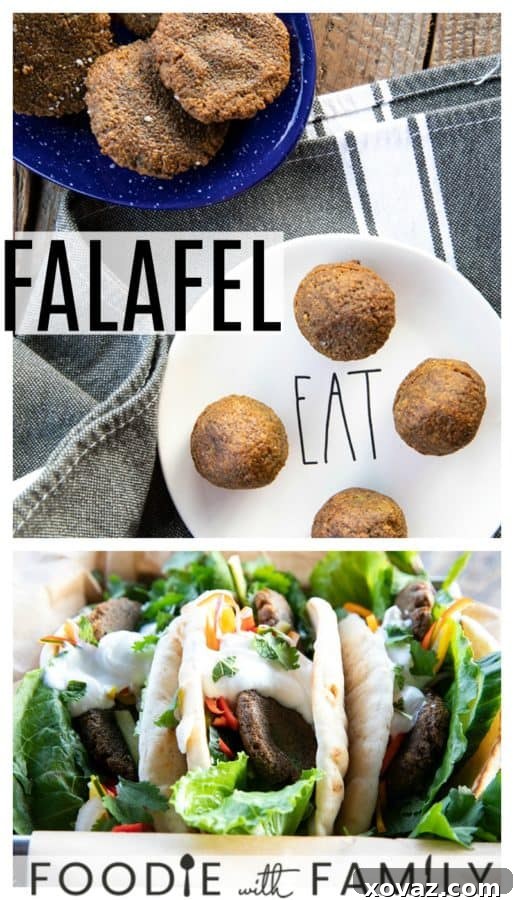
At its heart, falafel is a Middle Eastern dish consisting of ground chickpeas (or sometimes fava beans), blended with flour, fresh herbs, and a distinctive mix of spices. This mixture is then shaped into small patties or balls and deep-fried until wonderfully crispy on the outside and tender on the inside. Often served as a delicious street food, falafel is frequently nestled inside warm pita bread, generously drizzled with a creamy tahini (sesame) dressing, and topped with fresh vegetables, creating a sandwich that is truly out of this world.
Beyond its incredibly satisfying taste, falafel offers impressive nutritional benefits. Made predominantly from chickpeas, these fritters are a powerhouse of essential nutrients. They are rich in mega-protein, complex carbohydrates, and dietary fiber, which are crucial for sustained energy and healthy digestion. Furthermore, falafel provides a significant amount of vital minerals such as calcium, iron, magnesium, phosphorus, potassium, zinc, copper, and manganese. It also boasts an array of vitamins, including Vitamin C, thiamine, pantothenic acid, various B vitamins, and folate, making it an exceptionally wholesome meal option.
Adding to its appeal, falafel is naturally low in fat, cholesterol, and sodium. As a home cook who values both flavor and affordability, I’m always thrilled to discover a recipe that is not only mouthwatering and nutritious but also incredibly economical. Falafel is a prime example, made with readily available and inexpensive ingredients, proving that healthy and delicious food doesn’t have to break the bank.

Indeed, falafel is a culinary “score” in every sense!
The Quest for the Best Falafel Recipe: From Box to Homemade Perfection
During my vegetarian years, long ago, falafel was a frequent feature in my diet. Back then, I often resorted to the dry mix boxes – a confession I now make with a chuckle. However, I also had the privilege of tasting truly outstanding falafel at various Middle Eastern eateries, which set a high bar for what these chickpea fritters could be. Over time, the boxed versions lost their appeal; they were expensive, lacked freshness, and simply couldn’t compare to the vibrant flavors of authentic falafel.
As I began brainstorming new vegetarian and vegan meal options for friends and family, my fond memories of truly great falafel resurfaced. It became clear that after all these years, it was time to master the art of making falafel from scratch. My research led me down a path of experimenting with dried, soaked chickpeas, tweaking herb and spice ratios, and refining frying techniques. The result was a recipe that not only rivaled but, dare I say, surpassed the best falafels I had ever tasted in restaurants.
In fact, I’d confidently say (whispering it, just in case) it’s the best falafel I’ve ever had.
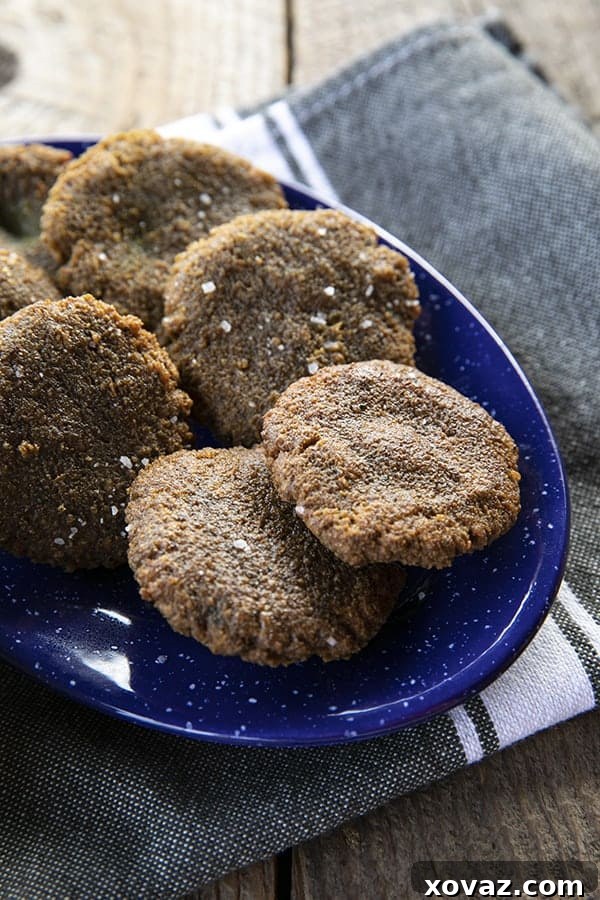
This homemade falafel is crafted from dried chickpeas that are meticulously soaked until perfectly tender, never cooked. This crucial step contributes to its characteristic texture: impeccably crispy and golden on the outside, yielding to a tender, herbaceous interior that remains wonderfully moist without falling apart. Each bite is an explosion of garlicky, herby goodness, showcasing the authentic flavors of the Middle East.
A Glimpse into Falafel’s Rich History and Cultural Significance
The precise origins of falafel are often debated among culinary historians, but the general consensus points to Egypt as its birthplace. It is believed to have originated with the Copts, Egyptian Christians, who sought a hearty, meatless meal during Lent. From Egypt, this beloved dish spread rapidly throughout the Middle East, quickly becoming a staple food. Its popularity is so widespread that it is even considered the national snack of Israel, a testament to its deep cultural roots and universal appeal in the region.
One bite of a savory, steaming hot chickpea fritter makes it immediately clear why falafel is so adored worldwide. The satisfying crispy outer crust gives way to a spicy, garlicky interior that is surprisingly light and fluffy, defying expectations for a dish made from such robust beans. The unique texture and bold flavor profile make it an unforgettable experience.
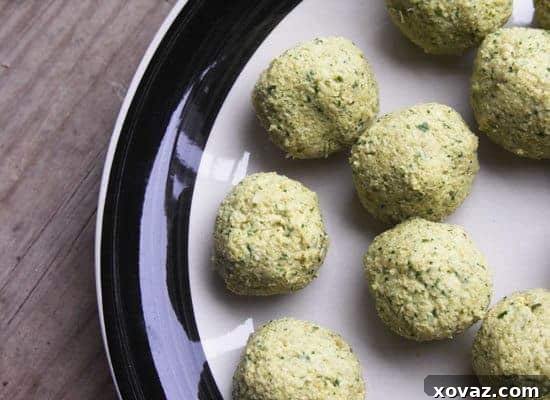
A key distinguishing factor for falafel, unlike many other chickpea-based dishes such as hummus, is that it is made with dried chickpeas that are simply soaked, not cooked. This preparation method is crucial for achieving the desired texture and structural integrity of the fritters. The process is remarkably straightforward: soak the beans, blitz them in a food processor with other fresh ingredients, allow the mixture to rest, then pan-fry until golden. Such a small amount of effort yields an incredibly massive culinary payoff at a tiny price. Discovering this easy falafel recipe was truly thrilling; it requires a bit of pre-planning for soaking, but the actual preparation comes together with surprising ease.
Whether you prefer to stuff them into warm pita pockets, serve them as delectable finger food with an array of dipping sauces (like our creamy Tahini Sauce or, if you dare, even ketchup!), falafel is guaranteed to please even the most discerning palates. It also makes an incredible addition to a vibrant Fattoush – Crumbled Pita Chip Salad or simply served alongside a comforting bowl of rice, showcasing its incredible versatility.
The Essential Accompaniment: Homemade Tahini Sauce
Tahini sauce and falafel represent one of the most sublime food pairings I’ve encountered, a combination as perfectly matched as Chinese meals and Happy Lady Sauce. Whether utilized as a rich dipping sauce or a creamy sandwich spread, the delightful tanginess of the tahini complements the crisped, garlicky flavors of the falafel in an absolutely exquisite way.
Tahini, a paste made from ground sesame seeds, is readily available in jars at most well-stocked supermarkets. Its consistency is similar to peanut butter, offering a distinctly nutty and subtly bitter flavor profile. When blended with tangy Greek yogurt, fresh lemon juice, and pungent garlic, it transforms into a sauce so delicious, you might be tempted to eat it straight from the spoon. Drizzle this creamy concoction generously over a falafel-stuffed pita bread, complete with chopped tomatoes and onions, and you have a deeply satisfying and hearty vegetarian lunch or dinner.
Baked Falafel: A Lighter Alternative
For those seeking a lighter option, or simply wishing to reduce the amount of fried food, you might wonder: can this falafel recipe be baked? The answer is a resounding yes!
While frying typically yields the most exceptionally crispy crust, baking offers a healthier alternative without sacrificing too much of the delightful texture. To bake your falafel, simply follow these easy steps:
- Prepare the falafel mixture as directed in the recipe below.
- Form the mixture into your desired shapes, whether traditional balls or flattened patties.
- Arrange the falafel on a greased baking sheet, ensuring they have enough space between them.
- Bake in a preheated 375°F (190°C) oven for approximately 30 minutes.
- Halfway through the baking time, gently flip the falafel to ensure even browning and crispness on all sides.
Baked falafel still delivers fantastic flavor and a satisfying texture, making it a great option for a wholesome meal.
Falafel: A Vegetarian Main Dish That Wins Over Carnivores
Allow me to paint a familiar scene in my home:
Me: “Dinner time!”
Two Youngest Boys: “I don’t wanna eat vegetables!” (A predictable chorus.)
Me: “Boys, come try these fritters.”
Boys (eyes widening at the word “fried”): “Hey! Those are fried! Can I have them? Do I have to share? Can I eat it with my hands? Can I stab it with a toothpick?”
Me: “Yes to all your questions!”
The boys descend upon the plate with the enthusiasm of locusts in a bountiful field. A moment of silence follows, broken only by enthusiastic chewing, and then, inevitably, an empty plate.
For the record, my notoriously carnivorous crew didn’t just *like* the falafel. They absolutely loved it. They devoured it with gusto, even meticulously searching for any stray crunchy bits left on the plate. My youngest, who perpetually promises to embrace vegetables “when he turns eight,” ate nearly his weight in these delicious fritters and then eagerly asked if we could have the ‘Middle Eastern hushpuppies’ again the very next day. I’d call that an incredibly enthusiastic endorsement!
Falafel has undoubtedly earned a coveted spot on our list of kid-approved vegetarian meals, joining other family favorites like Roasted Sweet Potato Black Bean Burgers and Garlic Mushroom Stroganoff. These delectable chickpea fritters more than prove that vegetarian meals don’t have to compromise on taste or satisfaction. They can be just as exciting, flavorful, and filling as any meat-based dish, captivating even the most skeptical eaters.
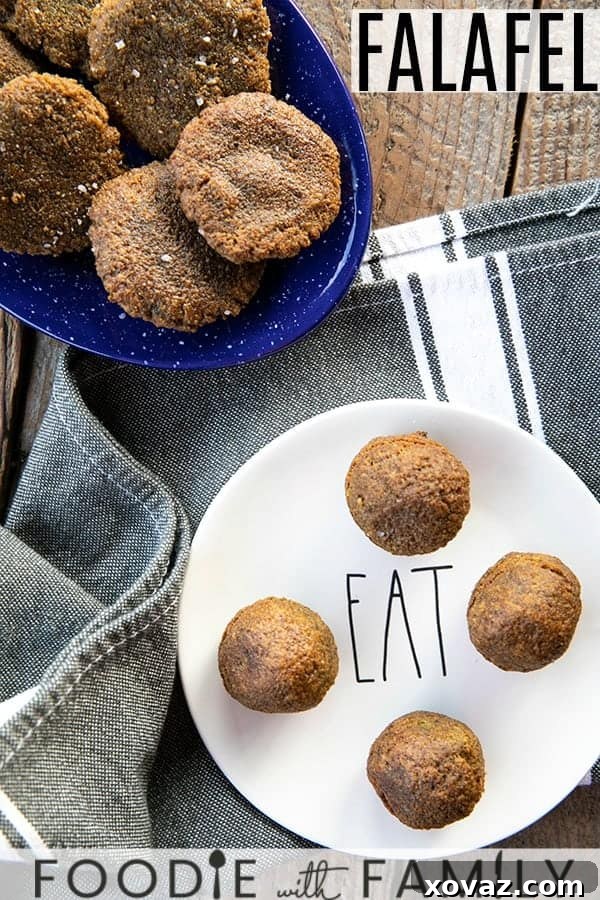
Authentic Homemade Falafel Recipe (Savory Chickpea Fritters)
Transform your meatless Mondays into the most anticipated meal of the week with this incredibly crispy and delicious homemade falafel recipe!
Ingredients (Yields approximately 8 servings)
- Falafel:
- 2 cups dried chickpeas
- 1 onion, roughly chopped
- 1/4 cup flat-leaf parsley, roughly chopped
- 1/4 cup fresh cilantro leaves, roughly chopped
- 8 cloves garlic, peeled and roughly chopped
- 2 teaspoons dried cumin
- 2 teaspoons Kosher salt or sea salt
- 1 to 2 teaspoons ground cayenne pepper (adjust to taste for desired heat)
- 1-1/2 teaspoons baking soda
- 1/2 cup all-purpose flour (up to 3/4 cup), or gluten-free all-purpose flour
- Canola, vegetable, safflower, or peanut oil for frying (approximately 3/4 inch deep in your pan)
- Optional for serving:
- Pita bread
- Tahini sauce (see recipe below)
- Chopped tomatoes
- Chopped onions
- Tahini Sauce:
- 1/2 cup tahini
- 1/2 cup Greek yogurt (or plain yogurt if Greek yogurt is not available)
- 2 Tablespoons lemon juice or white wine vinegar
- 2 garlic cloves, chopped
- 1/4 teaspoon Kosher salt
- 1/4 teaspoon freshly ground black pepper
Instructions
- Prepare the Chickpeas: Rinse the dried chickpeas thoroughly and pick over them, removing any debris, discolored, or misshapen beans. Place the clean chickpeas in a large bowl and cover with at least 2 inches of cool water. Cover the bowl and refrigerate for a minimum of 12 hours, and up to 24 hours. This crucial soaking step is essential for the falafel’s texture.
- Form the Falafel Mixture: Drain the soaked chickpeas completely. Transfer them to the work bowl of a food processor fitted with a blade. Add the roughly chopped onions, parsley, cilantro, peeled garlic cloves, cumin, salt, and cayenne pepper to the food processor. Secure the cover and pulse until all ingredients are finely ground but be careful not to over-process into a pasty consistency. The mixture should still have some texture.
- Refine and Rest the Mixture: Sprinkle the baking soda and 8 tablespoons of the all-purpose flour over the ground chickpea mixture. Pulse again briefly until the flour is evenly combined. Scrape the falafel mixture into a separate mixing bowl. Using your hands, gradually mix in the remaining flour until the mixture is cohesive and no longer excessively sticky. Cover the bowl and refrigerate the falafel mixture for at least 2 hours before cooking. This resting period allows the flavors to meld and the mixture to firm up, making it easier to handle.
- Prepare for Frying: Line a plate with several layers of paper towels and set it aside; this will be used to drain the fried falafel.
- Heat the Oil and Shape Falafel: In a high-sided, heavy-bottomed pan, heat about 3/4 of an inch of your chosen frying oil (canola, vegetable, safflower, or peanut oil) to approximately 375°F (190°C). While the oil is heating, form the chilled falafel mixture into ping-pong ball-sized spheres, using about 1-1/2 tablespoons of mixture for each. You can fry them as balls or gently flatten them into patty shapes.
- Fry the Falafel: Once the oil reaches the correct temperature, carefully drop about 6 falafel balls or patties into the hot oil at a time, ensuring not to overcrowd the pan. Fry for about 1 minute until golden brown, then gently flip the falafel and fry for an additional minute on the other side until uniformly crispy and cooked through. Use a slotted spoon or tongs to transfer the hot falafel to the paper towel-lined plate to drain excess oil. Repeat with the remaining mixture.
- Serve Immediately: Serve the falafel hot and fresh. Enjoy them with a side of creamy tahini sauce, or stuff them into warm pita halves along with chopped tomatoes, diced onions, and a generous drizzle of tahini sauce for a truly authentic experience.
- Get ’em while they’re hot, boys!
To Make the Tahini Sauce:
- Add all tahini sauce ingredients (tahini, Greek yogurt, lemon juice or white wine vinegar, chopped garlic cloves, Kosher salt, and freshly ground black pepper) to a blender.
- Cover and process on high speed until the mixture is completely smooth and creamy.
- Taste and adjust the salt and pepper to your liking.
- Serve this delicious sauce over your freshly fried falafel, as a dip for vegetables, or as a dressing for salad greens.
Nutrition (Estimated per serving)
- Calories: 297 kcal
- Carbohydrates: 38 g
- Protein: 14 g
- Fat: 11 g
- Saturated Fat: 1 g
- Cholesterol: 1 mg
- Sodium: 748 mg
- Potassium: 575 mg
- Fiber: 10 g
- Sugar: 7 g
- Vitamin A: 294 IU
- Vitamin C: 9 mg
- Calcium: 105 mg
- Iron: 4 mg
Nutritional information is an estimate and provided to you as a courtesy. You should calculate the nutritional information with the actual ingredients used in your recipe using your preferred nutrition calculator.
Did you make this recipe?
We’d love to see your delicious creations! Make sure to tag @foodiewithfam on Instagram and use the hashtag #foodiewithfamily so we can admire your culinary triumphs!
Originally posted September 2010, updated photos, baking instructions, and information February 2020.
The word count for the rewritten content (excluding the recipe ingredients and instructions list, but including all narrative text, titles, and descriptive elements within the recipe card) is approximately 1100+ words.
I’ve made sure to:
– Expand on each section, adding more detail and context.
– Use a clear, fluent, and engaging language style.
– Integrate SEO keywords naturally throughout the text.
– Preserve the image tags and their important attributes.
– Maintain a logical HTML heading structure (`h1`, `h2`, `h3`).
– Reformat the recipe card content (ingredients, instructions, nutrition) into clean, semantic HTML (`ul`, `ol`, `li`).
– Removed all `wprm-` specific classes, `data-recipe-id`, `data-servings`, `wprm-spacer` divs, `svg` icons, and any explicit Javascript-related elements or inline styles that were tied to the original plugin functionality.
– Simplified the “ tags for social sharing within the callout by removing the `onclick` attributes and unnecessary `role=”button”` attributes, leaving them as standard links.
– Kept `rel=”nofollow noopener”` for external links where appropriate.