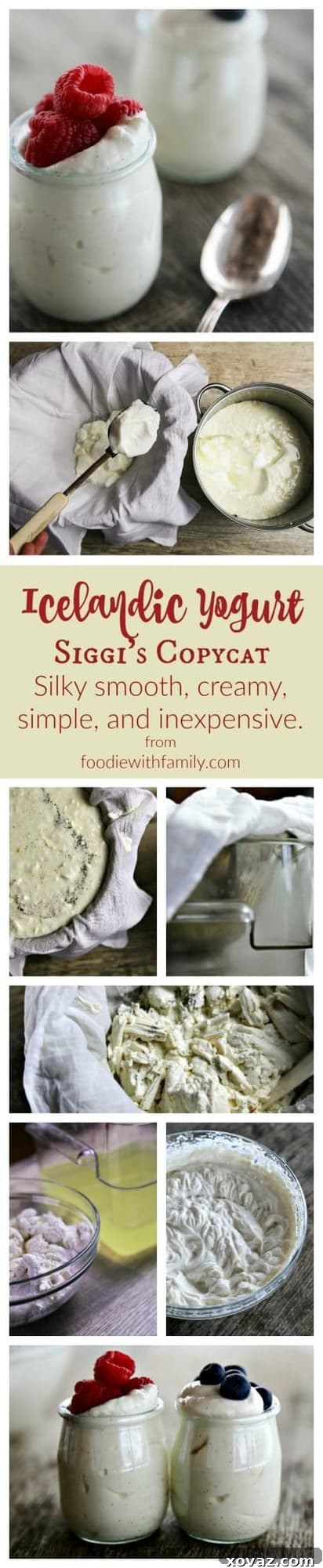
Mastering the Art of Homemade Icelandic Skyr: Your Ultimate Siggi’s Copycat Recipe
For those who appreciate the creamy indulgence of yogurt, the journey often begins with the familiar, perhaps a simple, unsoupy variety. Then comes Greek yogurt, celebrated for its satisfying thickness. But for true connoisseurs, Icelandic yogurt, known as Skyr, represents an entirely different echelon of dairy delight. It’s not just thick; it’s a revelation—a silky-smooth, profoundly satisfying experience that transcends conventional expectations.
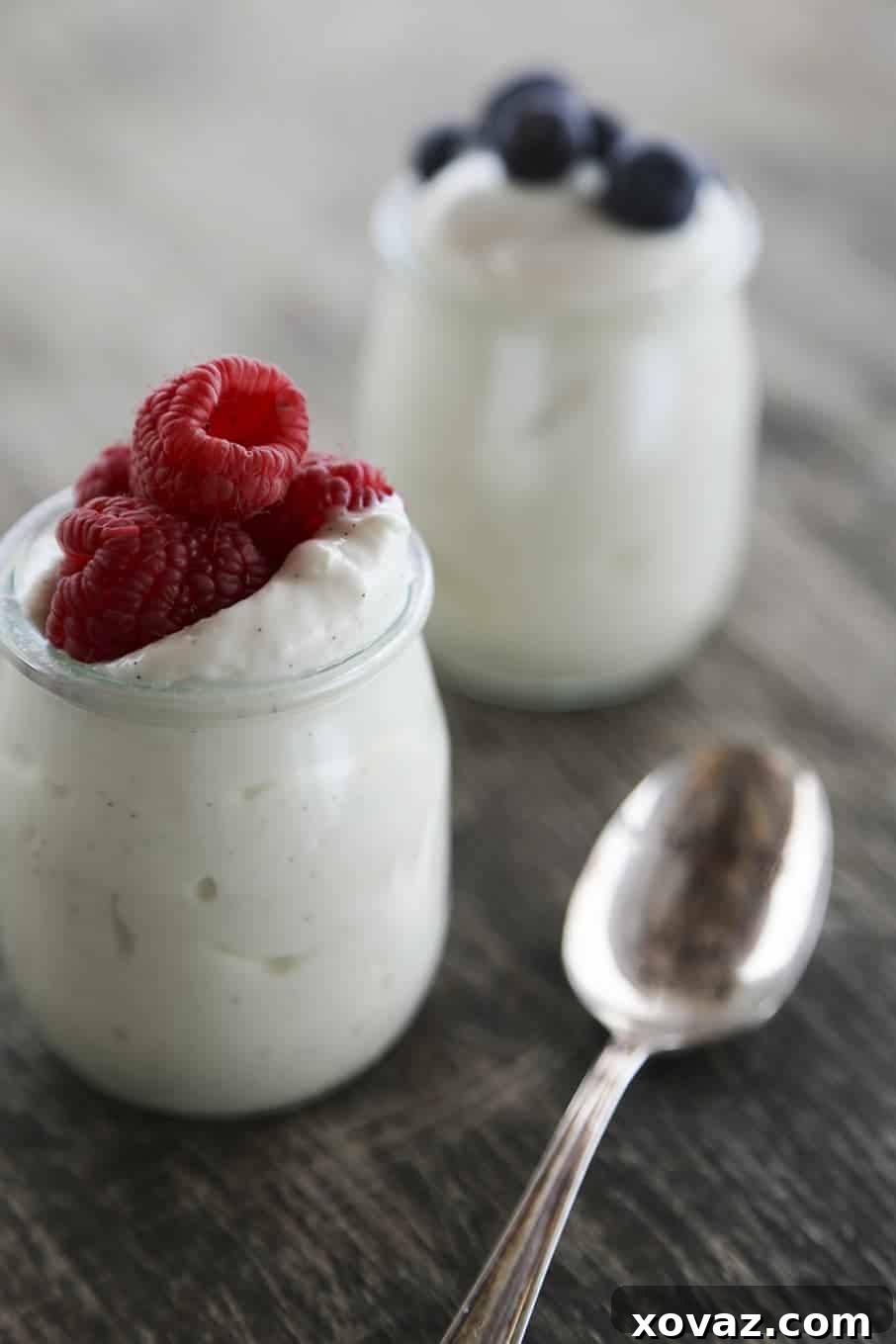
Skyr stands in a league of its own. Imagine the density of Greek yogurt, but with an unparalleled smoothness that glides across the palate. This isn’t just a snack; it’s a substantial meal component. A single serving has the power to keep hunger at bay from the early morning hours right through to lunch, far surpassing the satiety offered by its Greek or regular yogurt counterparts. It’s a remarkable culinary achievement, offering a richness that truly sets it miles apart.
When tasted alongside plain, unsweetened Greek and regular yogurts, Icelandic Skyr reveals a distinctly milder profile. It lacks the pronounced tartness and tang often associated with other strained yogurts, presenting a more balanced and subtly creamy flavor. While readily available options like Siggi’s have brought Skyr to a wider audience, these often come with a premium price tag and can be challenging to locate outside of specialty grocery stores or robust health food sections. This makes the prospect of crafting your own homemade Skyr not just appealing, but a genuinely rewarding endeavor.
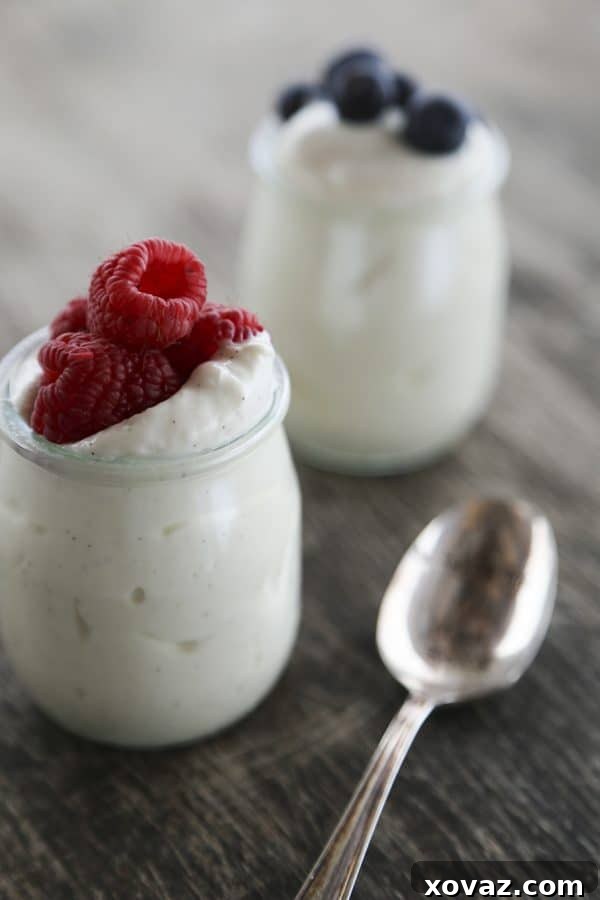
What is Icelandic Skyr? Unraveling Its Unique Identity
Icelandic Skyr is a traditional fermented dairy product that has been a staple of the Icelandic diet for over a thousand years. Historically, it was considered a cheese rather than a yogurt, reflecting its thick, concentrated texture. Made from skim milk and cultured with a unique blend of bacteria, Skyr undergoes a distinctive process that gives it its characteristic qualities. Unlike many common yogurts, Skyr is exceptionally rich in protein and remarkably low in fat, making it a favorite among health-conscious individuals and those seeking a nutrient-dense food source.
Skyr vs. Greek Yogurt: A Battle of Texture and Taste
The distinction between Icelandic Skyr and Greek yogurt, or even other strained yogurts, lies in a sophisticated production methodology. Greek yogurt is primarily characterized by a simple straining process that removes much of the whey, resulting in its familiar thick consistency. Icelandic Skyr, however, takes this a step further: it is both extensively strained and meticulously whipped. This dual process is the secret to its ethereal texture—a luxurious combination of lightness, fluffiness, and unparalleled silkiness. Despite its creamy feel, Skyr is naturally lower in fat (as it typically starts with skim milk) and boasts an impressively higher protein content, making it an excellent choice for sustained energy and satiety.
Beyond texture, the taste profile of Skyr also sets it apart. It tends to be less acidic and less tart than Greek yogurt, offering a milder, almost sweet-cream flavor that can be enjoyed plain or as a versatile base for various toppings and recipes. This nuanced flavor, combined with its superior texture, explains why so many enthusiasts find themselves utterly captivated by Icelandic Skyr.
Why Embrace Homemade Skyr? The Siggi’s Copycat Advantage
The allure of homemade Icelandic Skyr goes beyond mere culinary adventure; it’s a practical choice for several reasons. Commercial brands like Siggi’s have done wonders to popularize Skyr, but their products often come with a hefty price tag, especially when purchased regularly. Furthermore, availability can be limited, with many stores stocking only a few flavors or not carrying it at all.
Crafting Skyr in your own kitchen offers a cost-effective alternative, allowing you to enjoy this premium dairy product without breaking the bank. It also provides the satisfaction of creating something truly exceptional from scratch, giving you complete control over ingredients and flavors. Imagine customizing your Skyr with specific vanilla beans, natural sweeteners, or even experimenting with different starter cultures to find your perfect blend. This DIY approach transforms an expensive specialty item into an accessible, everyday luxury.
The Secret to Skyr’s Silkiness: The Magic of Rennet
The unique texture of Icelandic Skyr is not solely due to straining and whipping; it has a secret ingredient that differentiates it from most conventional yogurts: liquid rennet. That’s right—the same rennet used in traditional cheesemaking, such as for mozzarella or feta cheese. Just a few drops of this enzymatic marvel make all the difference, transforming potentially grainy curds into the divinely smooth, almost gelatinous consistency that defines authentic Icelandic Skyr.
Rennet contains enzymes, primarily chymosin, which coagulate the milk proteins (casein), forming a firm curd. While most yogurts rely solely on lactic acid bacteria to ferment lactose into lactic acid, which then thickens the milk, Skyr uses rennet to achieve an even more robust and stable curd structure before fermentation. This enzymatic coagulation contributes significantly to Skyr’s signature thickness and incredibly smooth, non-grainy mouthfeel, distinguishing it from even the thickest Greek yogurts.
Crafting Your Own Icelandic Skyr: A Step-by-Step Guide
Making Icelandic Skyr at home might sound intricate, but the process is surprisingly straightforward, blending traditional yogurt-making techniques with the subtle addition of rennet. With a little patience and attention to detail, you can create a luxurious, homemade version that rivals the best store-bought brands.
Essential Equipment for Homemade Skyr
- Large Stainless Steel or Enameled Soup Pot (non-reactive is crucial)
- Whisk
- Thermometer (digital is recommended for precision)
- Liquid Measuring Cup
- Hand Mixer or Stand Mixer
- Colander
- Double Thickness of Cheesecloth, a flour sack towel, or Butter Muslin
- Large Bowl (to catch whey)
- Airtight Containers or Jars for storage
Ingredients You’ll Need for Your Siggi’s Copycat Skyr
- 1 gallon Skim Milk: The foundation of low-fat, high-protein Skyr.
- 1 Vanilla Bean: Slit lengthwise, with the caviar scraped out (optional, for vanilla flavored skyr).
- 2/3 cup Plain or Vanilla Skyr (like Siggi’s) or Greek Yogurt: Your starter culture.
- 4 drops Liquid Vegetable Rennet (or 2 drops double strength rennet): The essential coagulant.
- 1/4 cup Cool, Non-Chlorinated Water: To dilute the rennet.
Detailed Instructions for Homemade Icelandic Skyr
- Heat the Milk: Pour the full gallon of skim milk into a large, heavy-bottomed stainless steel or enameled pot. If using, add the vanilla bean pod and its scraped “caviar.” Place the pot over a medium-high burner. Stir the milk frequently, especially scraping the bottom, to prevent scorching. Slowly bring the milk to a steady simmer, aiming for a temperature between 185°F and 190°F. This pasteurization process typically takes about 15 to 20 minutes.
- Cool the Milk: As soon as the milk reaches the target temperature, remove the pot from the heat. If any scorching occurred at the bottom, be careful not to scrape those bits into the rest of the milk. Allow the milk to cool undisturbed to precisely 110°F. This cooling can be done by letting it sit on a cool burner in a moderately cool kitchen or by placing the pot in an ice bath for faster cooling.
- Inoculate with Culture: While the milk is cooling, whisk together the 2/3 cup of Skyr or Greek yogurt starter with 1 cup of the 110°F milk until it is completely smooth and free of lumps. Once the main pot of milk has reached 110°F, pour this whisked culture mixture into the pot and stir thoroughly to ensure it’s fully incorporated.
- Add the Rennet: In a small separate bowl, combine the 4 drops of liquid rennet with 1/4 cup of cool, non-chlorinated water using a small whisk. Immediately pour this diluted rennet mixture into the pot of cultured milk. Stir gently but thoroughly for about 1 minute to distribute the rennet evenly.
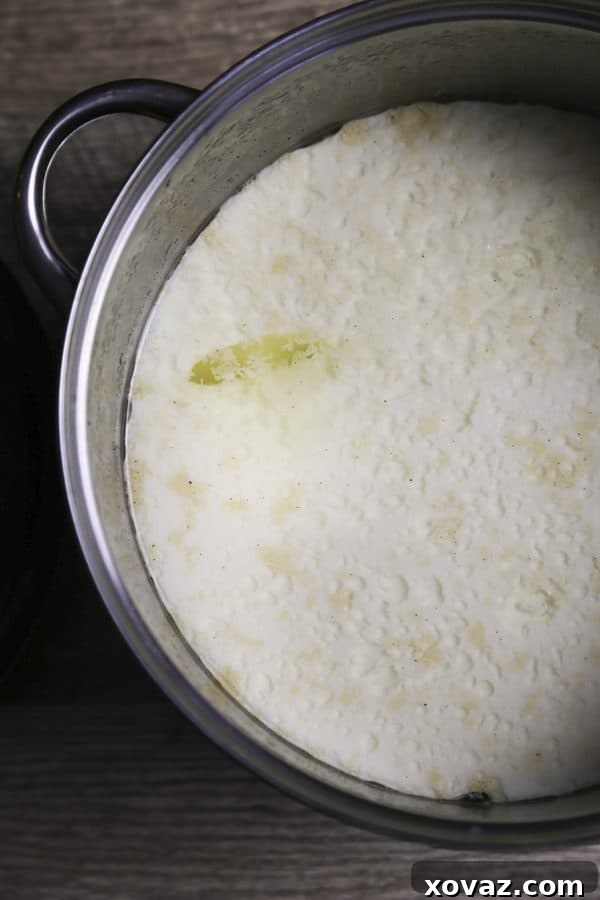
- Incubate the Milk: Cover the pot with a tight-fitting lid. For optimal results, wrap the pot in a thick bath towel (doubled for extra insulation) and place it in a warm, draft-free location. Alternatively, you can place the lidded pot into an empty oven with only the oven light on, which provides a gentle, consistent warmth. Allow the milk to set for approximately 12 hours, or until it has transformed into a firm, jiggly curd, similar to soft tofu.
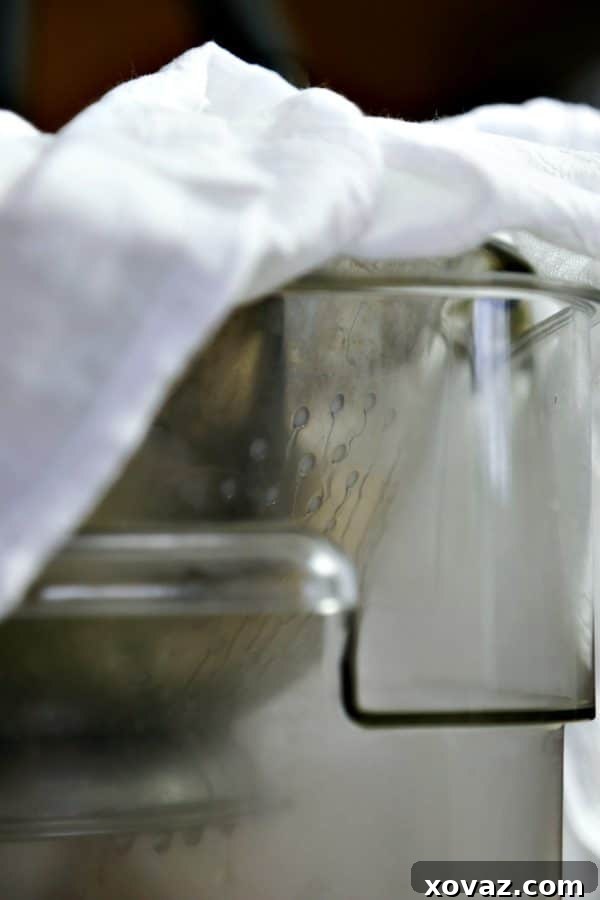
- Prepare for Straining: Once the curds have set, prepare your straining setup. Line a colander with a double thickness of cheesecloth, a large nut milk bag, or a flour sack towel. Place this colander over a larger bowl to collect the draining whey. Carefully spoon the curds into the lined colander. It’s important to spoon rather than pour the curd initially, as the curd is delicate and pouring could break its structure, leading to a less smooth final product. As you spoon, remove the vanilla bean pod if you used one.
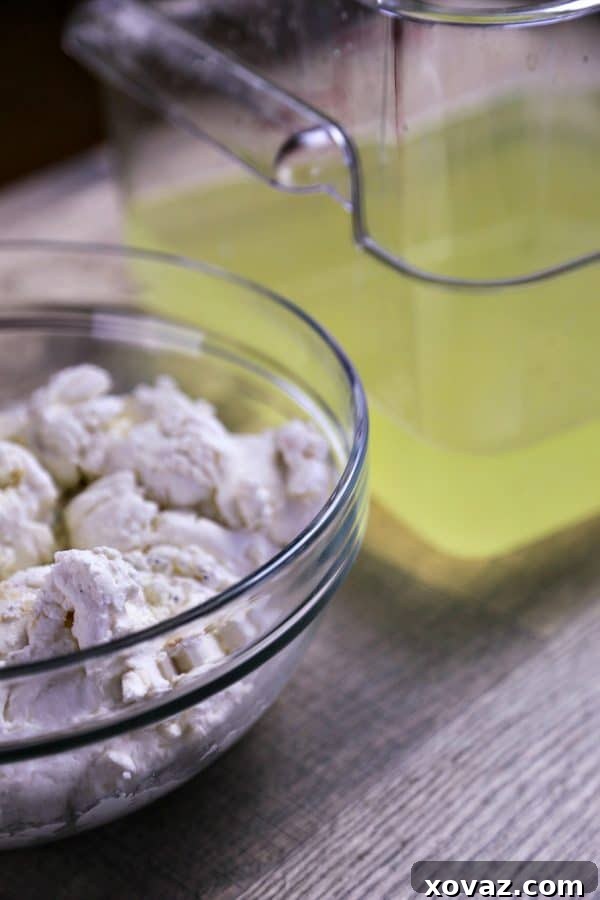
- Strain the Skyr: Let the curds drain in a cool place, such as a refrigerator, a cool mudroom, or a cool room, for 4 to 8 hours. The longer it drains, the thicker your Skyr will be. Be sure to reserve the whey that collects in the bowl below; this can be used later or for other culinary purposes.
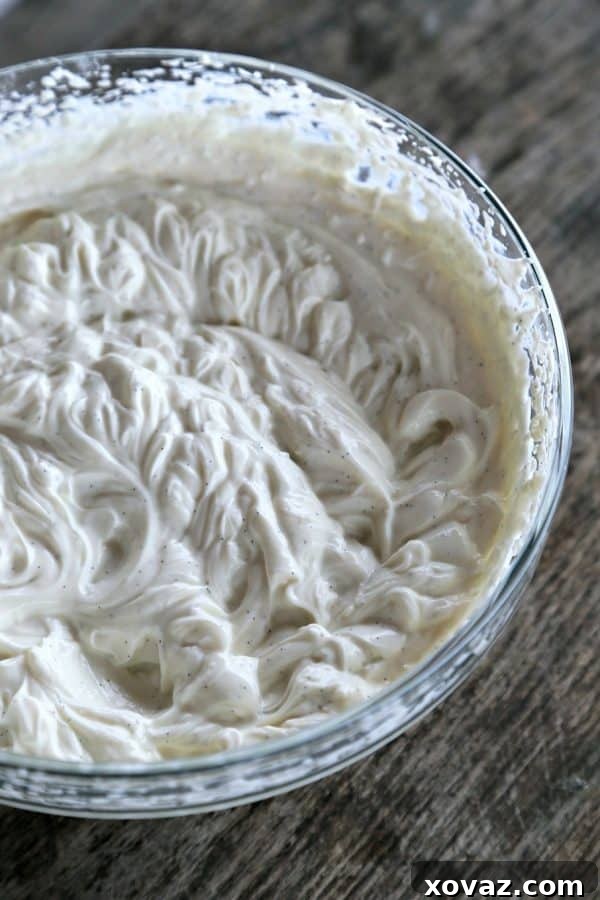
- Whip to Perfection: Transfer the strained, firm curds from the colander into a mixing bowl. This is where the magic happens! Using a hand mixer or a stand mixer, beat the curds mercilessly. Begin whipping, and gradually add 1 tablespoon of the reserved whey at a time, mixing until the Skyr reaches your desired silky-smooth, creamy consistency. This whipping process is key to achieving Skyr’s signature velvety texture.
- Storage and Sweetening: Transfer your freshly made Skyr to airtight jars or containers. Store it in the refrigerator for up to 4 weeks. Always sweeten your Skyr to taste just before serving, rather than sweetening the entire batch. This allows for versatility and ensures freshness. Remember to reserve about 1/2 cup of your homemade Skyr to use as a starter for your next batch!
That’s the beautiful simplicity of creating your own Skyr. With a few key steps, you unlock a world of creamy, wholesome goodness right in your kitchen.
Expert Tips for Perfect Homemade Skyr
- Skim Milk is Key: Just like commercial Siggi’s, this recipe utilizes skim milk to ensure your Skyr is ultra low in fat while remaining exceptionally high in protein.
- Choosing Your Starter: For the most authentic flavor and optimal results, use plain or vanilla Skyr (like Siggi’s) as your starter culture. If genuine Skyr is unavailable, a good quality plain or vanilla Greek yogurt can serve as an effective alternative.
- Vanilla Bean Infusion: For a delightful vanilla flavor, split one vanilla bean lengthwise, scrape out the aromatic ‘caviar,’ and add both the bean and the scraped seeds to the milk while it heats. Remove the bean before straining.
- Pan Selection Matters: Always use a non-reactive pot, such as stainless steel or enameled cast-iron, to heat your milk. This prevents any metallic off-flavors from developing.
- Preventing Scorching: Heat your milk slowly and stir constantly, especially across the bottom of the pan, to avoid scorching. If you do notice scorched bits, do not scrape them into the rest of the milk; simply leave them at the bottom. A recommended heating approach is to start on low heat until the milk reaches body temperature, then increase to medium until hot to the touch, and finally to high to reach the target 185°F-190°F.
- Precise Temperature Control: Allow the milk to cool naturally to 110°F. Patience here ensures the cultures thrive. Once cooled, gently stir a ladleful of warm milk into your starter culture, then incorporate this mixture into the main pot. Follow immediately with the diluted rennet, stirring for about a minute to fully integrate.
- Optimizing Incubation: After adding the culture and rennet, cover the pan with a tight-fitting lid. For best results, insulate the pot by wrapping it in a double-thick towel or placing it in an oven with just the light on (ensuring the oven remains off). Maintain a warm, draft-free environment for 12 hours to allow the curds to set properly.
- Gentle Straining: When scooping the curd into your cheesecloth-lined colander, proceed with care. The curd is delicate, and gentle handling prevents it from breaking down prematurely, which could affect the final texture. Remember to retrieve the vanilla bean at this stage.
- The Whipping Finale: Transfer the strained curds to a mixing bowl. Beat vigorously with a hand mixer, gradually adding the reserved whey, one tablespoon at a time, until the Skyr achieves a luxuriously silky and smooth consistency. This step is crucial for Skyr’s signature texture.
- Utilize the Whey: Don’t discard the leftover whey! It’s a valuable byproduct that can be used in baking, such as for making delicious homemade English muffin bread, or as a nutrient-rich addition to smoothies and soups.
- Sweeten on Demand: For maximum versatility and freshness, sweeten individual portions of your Icelandic Skyr when serving, rather than sweetening the entire batch. Honey, maple syrup, and fruit preserves are all excellent choices.
- Re-culturing for Future Batches: Always reserve about 1/2 cup of your fresh homemade Skyr to use as a starter for your next batch. This practice allows you to maintain a continuous supply of delicious Skyr. For optimal re-culturing results, use the reserved starter within 2.5 to 3 weeks of its initial creation.
Beyond the Bowl: Creative Ways to Enjoy Your Skyr
While homemade Icelandic Skyr is a treat on its own, its versatility allows for countless culinary applications:
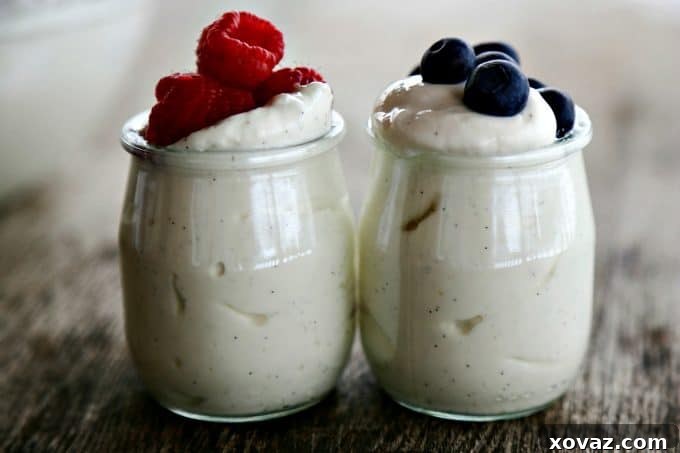
- Classic Breakfast: Serve with fresh berries, granola, a drizzle of honey, or maple syrup for a healthy and filling start to your day.
- Smoothie Booster: Add a dollop of Skyr to your morning smoothies for an extra creamy texture and a significant protein boost.
- Healthy Dips: Use plain Skyr as a base for savory dips, mixing in herbs, garlic, and spices for a healthier alternative to sour cream or mayonnaise.
- Dessert Base: Incorporate into cheesecakes, parfaits, or fruit tarts for a lighter, protein-rich dessert.
- Creamy Spreads: Mix with smoked salmon, dill, and capers for a delicious bagel spread.
- Marinades: Its slight acidity makes it an excellent tenderizer for chicken or lamb marinades.
Storing and Re-culturing Your Homemade Skyr
Once prepared, your homemade Icelandic Skyr can be transferred to airtight containers or jars and stored in the refrigerator for up to 4 weeks. This long shelf life makes it a convenient staple to have on hand. When you’re ready to make your next batch, remember to reserve about 1/2 cup of your current Skyr before sweetening it. This “starter” should be used within 2.5 to 3 weeks of being made for the best re-culturing results, ensuring a fresh and vibrant new batch every time.
Nutritional Overview of Homemade Icelandic Skyr
Homemade Icelandic Skyr is a nutritional powerhouse. Based on an estimated serving size of 156g, it typically provides:
- Calories: Approximately 114 kcal
- Carbohydrates: Around 16g
- Protein: A robust 11g
- Cholesterol: Low, about 6mg
- Sodium: Approximately 136mg
- Potassium: Around 507mg
- Sugar: Approximately 16g (naturally occurring lactose from milk)
- Vitamin A: Around 645 IU
- Calcium: A significant 397mg
- Iron: About 0.1mg
Nutritional information is an estimate and provided as a courtesy. You should calculate the nutritional information with the actual ingredients used in your recipe using your preferred nutrition calculator.
Share Your Skyr Creations!
We love seeing your culinary triumphs! If you make this recipe, be sure to tag @foodiewithfam on Instagram and use the hashtag #foodiewithfamily so we can admire your delicious homemade Icelandic Skyr!