Let’s talk about chicken stock, a foundational element in countless culinary traditions. Beyond being a simple ingredient, having homemade chicken stock at your fingertips is like owning a classic black dress or a vibrant pair of red shoes – it’s a versatile staple that empowers your cooking and elevates everyday meals into something special.
The undisputed best chicken stock comes from your own kitchen. This allows for complete control over the final product: its depth of flavor, aromatic profiles, intensity, and crucially, its salt content. You dictate every ingredient that enters the pot, ensuring a pure and personalized result. But the advantages extend far beyond mere control. There’s a vital element often overlooked: texture.
While texture might not be the first characteristic you consider when contemplating chicken stock, it should be. Store-bought cartons of stock, readily available on grocery shelves, simply cannot compare to the richness of homemade. They lack the intrinsic qualities that define a truly exceptional stock, primarily because of how homemade stock, when crafted correctly, transforms when refrigerated.
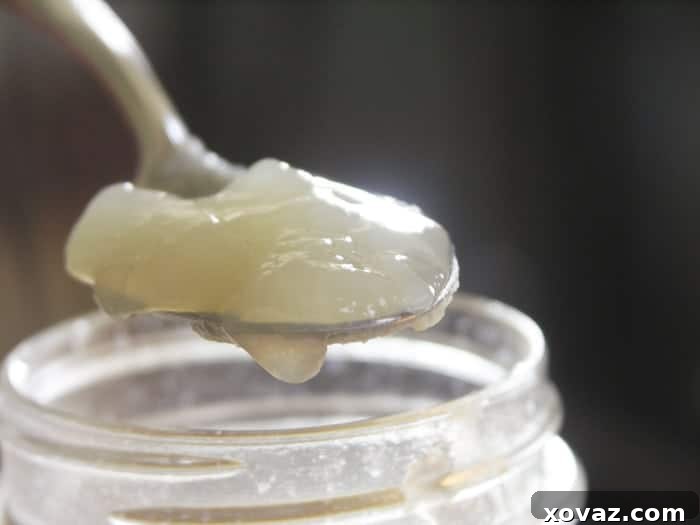
A well-made homemade stock will become thick, almost gelatinous, upon cooling. This desirable texture is a clear indicator of its incredible nutritional density and bioavailability. It’s packed with easily absorbable forms of essential nutrients such as calcium, protein, gelatin, glucosamine, chondroitin, magnesium, and phosphorous. These are the building blocks for strong bones, healthy joints, radiant skin, and a robust digestive system. This gelatinous quality is a direct result of slow-simmering bones and connective tissues – the very “throwaway” bits of meat and bone – allowing every beneficial compound to leach into the savory liquid, creating a potent elixir that store-bought versions, even premium brands, simply cannot replicate.
For an unparalleled gelatinous stock, consider incorporating chicken feet. Many avid stock makers, myself included, keep a dedicated container in the freezer for chicken trimmings: bones from thighs, wings, necks, and especially cleaned chicken feet and backs from whole chickens broken down for various meals. If whole chickens with feet and necks aren’t readily available, exploring ethnic markets, particularly Asian food markets, can yield excellent results. My partner, affectionately known as The Evil Genius, often procures several pounds of chicken feet for a very modest price. While peering into a simmering pot full of chicken feet might initially seem a bit peculiar, the velvety, full-flavored broth it produces, brimming with gelatin from connective tissues, is truly worth the initial hesitation. Once you experience the superior taste and texture, you’ll undoubtedly become a believer.
Whether made with or without chicken feet, the remarkable nutritional qualities are a primary reason why homemade stock has long been revered as the quintessential comfort food, especially for those feeling unwell, weak, depressed, or simply under the weather. It’s profoundly nourishing, deeply satisfying, remarkably simple to prepare, and incredibly economical. It embodies what wholesome food truly should be: a source of strength and comfort.
Below, you’ll find two of my favorite chicken stock recipes: a versatile basic version and a flavorful Asian rendition. Remember, these are guidelines, encouraging you to customize with your preferred aromatics and vegetables. A crucial tip for stock making is to avoid adding salt. Salt is for broth, which is typically seasoned for immediate consumption. By leaving salt out of your stock, you maintain ultimate control over the final seasoning of any dish you prepare with it, ensuring perfect flavor balance every time.
For those unaccustomed to the idea of gelatinous chicken stock, let me offer reassurance. The thick, jello-like consistency is purely a characteristic of the stock when cold. As soon as you introduce heat during cooking, the gel effortlessly melts into a silky, smooth liquid, integrating seamlessly into your recipes. Don’t just take my word for it; give it a try and experience the difference!
For a photo-free, printer-friendly, and concise version of these recipes, free from additional commentary, you can click here.
Basic Chicken Stock: Your Culinary Foundation
This fundamental chicken stock is an indispensable asset for a myriad of culinary applications. It forms the perfect base for hearty soups, creamy risottos, fluffy plain rice, rich sauces, and gravies, or any dish that benefits from a robust and clean chicken flavor. Its versatility makes it a true workhorse in the kitchen.
Ingredients:
- 2 pounds chicken trimmings (a combination of backs, necks, bones, fat, skin, and cleaned chicken feet, if available. Prioritize uncooked bones for optimal gelatin extraction.)
- 2 large carrots, thoroughly scrubbed and broken in half
- 2 stalks of celery, scrubbed clean and broken in half
- 1 large onion, peeled and halved
- A generous handful of fresh parsley stems (reserve the leaves for other culinary uses)
- 10 black peppercorns, whole
- Cold, fresh water
Instructions:
Begin by placing all the chicken trimmings into a large stockpot. Cover the contents with cold, fresh water, ensuring it extends approximately four inches above the chicken. Gradually bring the liquid to a gentle simmer. A simmer is characterized by an occasional bubble breaking the surface of the steaming liquid, not a rolling boil. As the stock heats, foam and impurities will rise to the surface. Use a fine-mesh skimmer or a large spoon to diligently remove these, as skimming helps to ensure a clear and clean-tasting stock. Continue skimming and simmering for about 30 minutes. After this initial skimming period, add the remaining ingredients – carrots, celery, onion, parsley stems, and peppercorns – to the pot. Partially cover the pot with a lid, allowing some steam to escape, and maintain a very low simmer for a minimum of 4 hours, or ideally up to 10 hours, to maximize flavor and nutrient extraction. If the liquid level drops below the solids, replenish with additional boiling water to keep everything submerged. Once the desired simmering time is complete, remove the pot from the heat. Carefully fish out as many large solids as possible using a pair of tongs and transfer them to a separate bowl.
To strain the stock, position a fine-mesh strainer, or a colander lined with cheesecloth or a clean tea towel, over a large heatproof bowl or another clean stockpot. Slowly pour the stock through the strainer. Add the solids you initially removed back into the strainer and press them firmly with the back of a wooden spoon to extract any remaining liquid and concentrated flavor. Discard all the spent solids.
Allow the strained stock to cool completely before covering it tightly and chilling it in the refrigerator. As it chills, the fat will rise and solidify on the surface. Once fully chilled, skim off this layer of fat. This chicken fat, often called schmaltz, can be stored in the freezer and used to create exceptionally flavorful roasted potatoes or to enrich other dishes.
Your homemade basic chicken stock can be stored in the refrigerator, tightly covered, for up to 5 days. For longer preservation, transfer the stock into smaller, freezer-safe containers, leaving some headspace for expansion, and freeze for several months. Labeling with the date is recommended.
For those who are enthusiastic about canning, an excellent method for long-term storage, reboil the prepared stock. Pour the boiling hot stock into clean, sterilized canning jars. Secure new two-piece lids and process the jars in a pressure canner at 10 pounds of pressure for 25 minutes. If you require more detailed instructions on safe pressure canning practices, please don’t hesitate to seek out reliable canning guides; I’m always happy to share tips on this fantastic preservation method!
Asian Chicken Stock: An Aromatic Elixir
This fragrant Asian chicken stock is incredibly delicious and versatile. It shines as the base for authentic Asian-style noodle soups, comforting dumpling soups, or simply sipped on its own as a nourishing beverage. Few things bring more comfort than a steaming hot bowl of jook or congee, especially when made with this deeply flavored stock.
Ingredients:
- 2 pounds of chicken trimmings (a combination of bones, meat, and skin, with a preference for a higher proportion of chicken feet and necks for maximum richness)
- 1 whole head of garlic, left intact but rubbed to remove the loose papery exterior
- 1 (2-inch) piece of fresh ginger, unpeeled and sliced or lightly crushed
- Optional: 2 fresh chile peppers (such as jalapeño, habanero, or Thai bird chiles), for a hint of heat
- Cold, fresh water
Instructions:
Place all the chicken trimmings into a large stockpot. Add enough cold, fresh water to cover the chicken by approximately four inches. Bring the liquid to a gentle simmer, observing for an occasional bubble on the surface, but avoiding a vigorous boil. As the stock begins to simmer, use a skimmer or spoon to carefully remove any foam or impurities that rise. This initial skimming, performed for about 30 minutes, contributes to a cleaner and clearer final stock. After this period, add the whole head of garlic, the fresh ginger, and the optional chile peppers (if using) to the pot. Partially cover the pot and allow the stock to simmer gently for at least four hours, and ideally up to 10 hours, to fully extract all the complex flavors. Should the liquid level drop below the solids during simmering, add more boiling water to keep them submerged. Once cooking is complete, remove the pot from the heat. Use tongs to carefully remove as many large solids as possible and transfer them to a separate bowl.
To properly strain the stock, set a fine-mesh strainer, or a colander lined with cheesecloth or a clean tea towel, over a large bowl or another clean stockpot. Carefully pour the stock through the strainer. Add the previously removed solids back into the strainer and press them firmly with the back of a wooden spoon to extract any last drops of flavorful liquid. Discard all remaining solids.
Allow the strained stock to cool completely before covering it and refrigerating. Once thoroughly chilled, a layer of fat will have solidified on the surface. Skim off this fat. This aromatic chicken fat can be stored in the freezer and makes an excellent addition to fried rice or for pan-frying dumplings, imparting a unique depth of flavor.
Your finished Asian chicken stock can be stored, tightly covered, in the refrigerator for up to 5 days. For extended storage, divide the stock into smaller containers and freeze it for several months. Always remember to label your containers with the date.
If you wish to preserve this flavorful stock through canning, follow the detailed pressure canning directions previously provided in the Basic Chicken Stock recipe section above. This method ensures a pantry-stable supply of your homemade Asian stock for future culinary endeavors.