Unveiling the Best Middle Eastern Salad Dressing: A Zesty Journey to Freshness
As the chill of winter deepens and the festive season fades, a distinct craving for vibrant, fresh flavors often emerges. For many, including myself, this yearning for crisp vegetables, refreshing salads, and anything verdant becomes almost insatiable, typically arriving in early January and lasting until the earth awakens with spring blossoms. During these months, Middle Eastern cuisine becomes an undeniable haven. Its culinary philosophy is intrinsically woven with an abundance of fresh herbs, bright citrus, pungent garlic, and wholesome vegetables, making it the perfect antidote to winter’s heavier fare. This vibrant approach to food perfectly aligns with my desire for light, healthful, and utterly delicious meals. Among the many treasures this cuisine offers, one particular dish consistently calls to me: Fattoush, a quintessential Middle Eastern crumbled pita chip salad that embodies everything I crave in a fresh meal. But what truly elevates a Fattoush, or any salad for that matter, is an exceptional dressing – and I’m here to share what I truly believe is the Best Middle Eastern Salad Dressing you’ll ever taste.
Your Search for the Best Middle Eastern Salad Dressing Ends Here
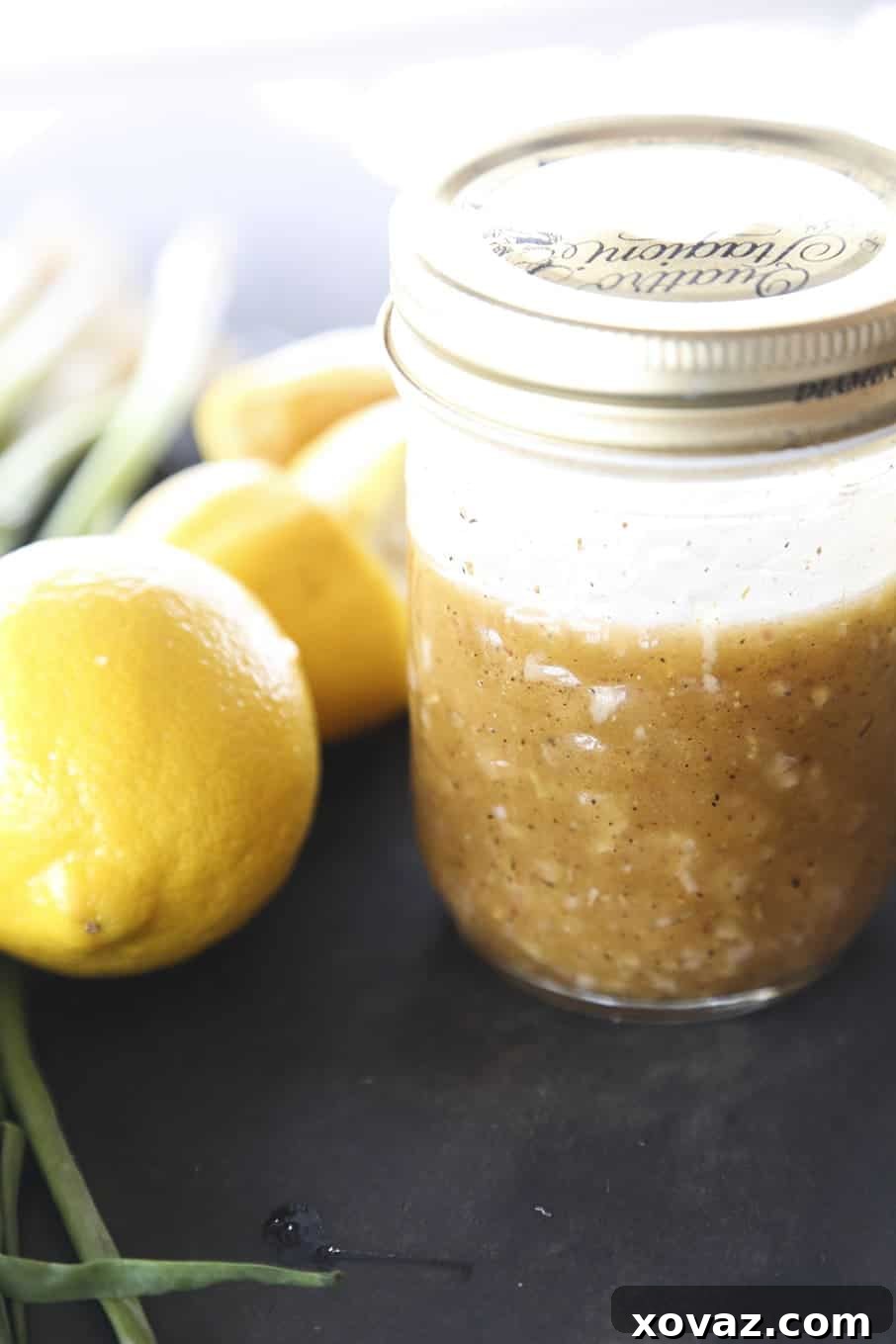
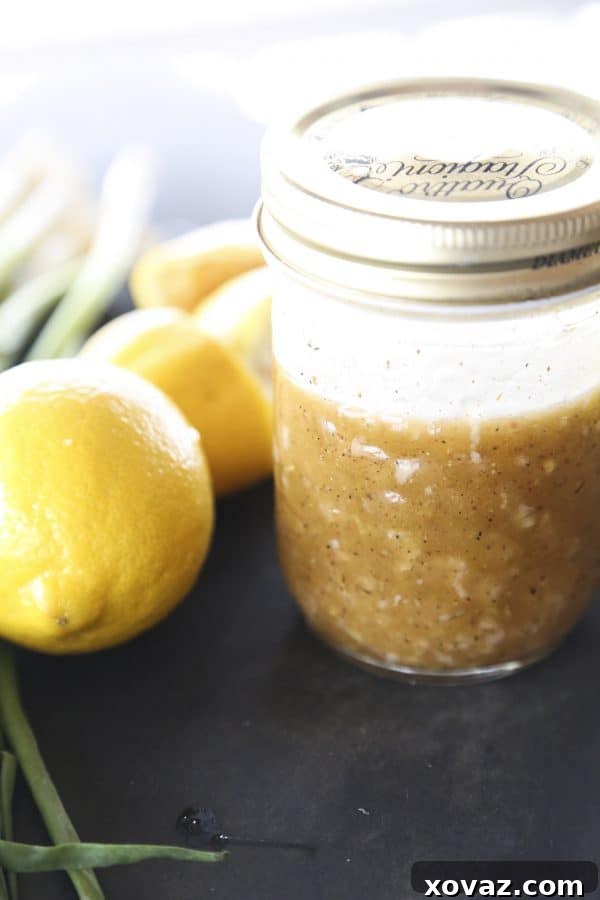
Yes, you heard that right. This isn’t just a Middle Eastern salad dressing; it’s the Middle Eastern salad dressing of my dreams, and it will likely become yours too. What makes it so extraordinary? It’s a symphony of simple, fresh ingredients that harmonize beautifully, coming together in mere minutes to create pure, bottled deliciousness. Imagine the bright, invigorating tang of fresh lemon juice, the rich, nuanced depth of garlic-infused extra virgin olive oil, the pungent warmth of freshly prepared garlic paste, and just enough Za’atar to make every component sing with authentic flavor. This isn’t just a dressing; it’s an experience, transforming even the simplest greens into a culinary masterpiece that will consistently brighten your plate and your palate.
Decoding Za’atar: The Heartbeat of Middle Eastern Flavor
For those unfamiliar, allow me to introduce you to Za’atar – a truly magical spice blend that is the heartbeat of Middle Eastern cooking. I’ve previously shared my recipe for homemade Za’atar, and if you haven’t yet explored it, I wholeheartedly encourage you to do so. This aromatic blend typically combines dried herbs like thyme, oregano, and marjoram, with toasted sesame seeds, a touch of kosher salt, and the distinctive tartness of ground sumac. It’s crucial to note that we’re referring to culinary sumac (derived from the dried berries of the sumac plant), not the poisonous variety found in certain regions. Culinary sumac imparts a wonderfully citrusy and tangy flavor, reminiscent of lemon but without the sharp acidity. It’s a taste profile that can truly awaken any dish it graces.
Think of Za’atar’s role in Middle Eastern cuisine much like five-spice powder in Chinese cooking or curry powder in Indian dishes – it’s an essential, defining flavor that provides depth and character. Most of the components of Za’atar are readily available: thyme, oregano, marjoram, and kosher salt. The two ingredients that might require a slightly more dedicated search are sesame seeds and sumac. As mentioned, sumac can sometimes give people pause due to the unfortunate association with ‘poison sumac’ in North America. However, culinary sumac is a completely different plant, yielding a beautiful red or reddish-purple powder from its dried berries. These sumac plants thrive across the Middle East, Eastern Asia, Africa, and even parts of North America. Its flavor is bright, lemony, and slightly fruity, making it indispensable in many Middle Eastern recipes.
You have several options for sourcing this incredible blend: craft your own homemade Za’atar following my recipe, find it in the international or Asian foods section of a well-stocked grocery store, visit a dedicated Middle Eastern grocer, or conveniently purchase it online at Amazon. Regardless of how you acquire it, Za’atar is a pantry staple worth investing in for its versatility and profound flavor contributions.
Embrace Freshness: How to Use and Store Your Middle Eastern Dressing
Once you’ve whipped up a batch of this Best Middle Eastern Salad Dressing, you’ll find countless ways to incorporate its vibrant flavors into your meals. My personal routine involves using it generously on my daily salads or on a substantial bowl of Fattoush Salad. When I tell you that I could happily consume this salad every day from mid-January right through June, it’s barely an exaggeration. The true brilliance of this dressing isn’t just its bright, citrusy, and garlicky explosion of flavor; it’s also incredibly potent, meaning a little goes an impressively long way. For instance, a salad built on two hearts of crisp romaine lettuce rarely requires more than two tablespoons of this dressing to be thoroughly seasoned and come alive. Even such a small amount infuses every single leaf with excitement and a burst of invigorating taste, making every bite a delight.
What’s more, this dressing defies typical culinary expectations by actually improving with age. It’s not just good on day one; it develops even deeper, more complex flavors on day two, and continues to be fantastic for up to a week when stored properly in the refrigerator. This makes it an ideal candidate for meal prep – whip up a batch on Sunday, and enjoy sensational salads all week long without any extra effort. Its mellowing process in the fridge allows the flavors to meld and deepen, making it an even more irresistible condiment. This remarkable longevity means you always have a vibrant, healthy option readily available. Be sure to prepare a jar today; not only will it elevate your everyday salads, but it will also set the stage for another fantastic recipe I’ll be sharing with you very soon!
Expert Tips for Crafting Your Perfect Middle Eastern Salad Dressing
To ensure your Best Middle Eastern Salad Dressing is truly exceptional, here are some seasoned cook’s notes and tips that will guide you to perfection, enhancing both flavor and texture.
The Secret to Silky Garlic Paste: A Culinary Game Changer
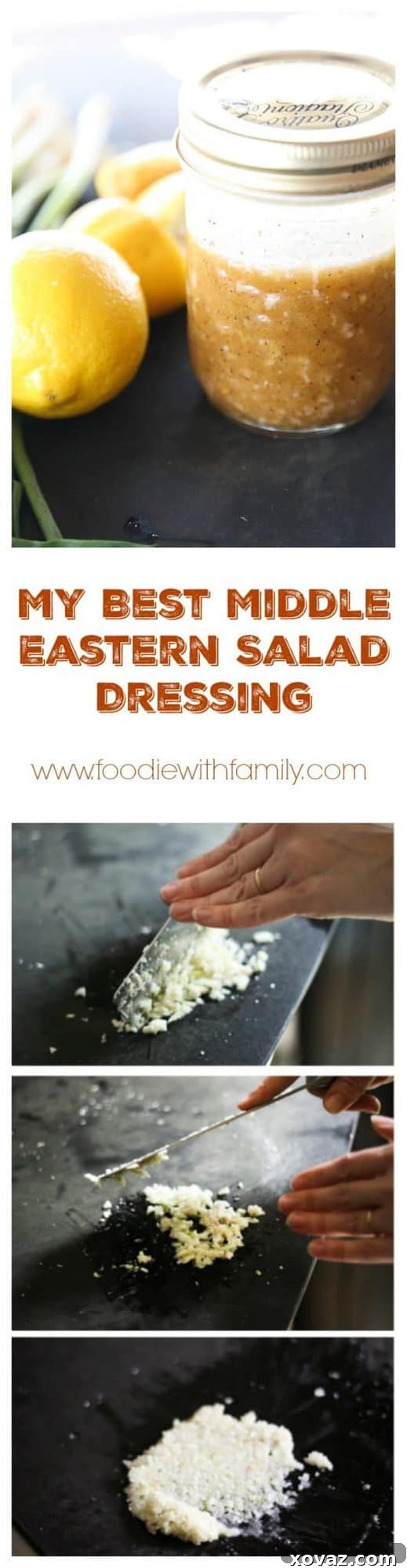
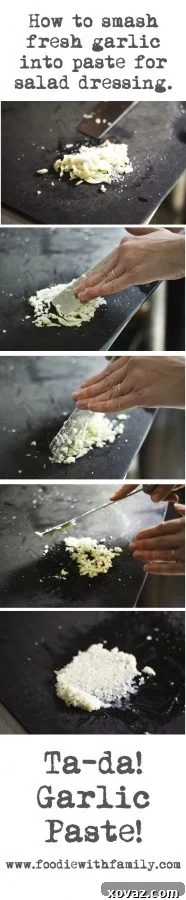
One technique in making this dressing might be new to you: creating a garlic paste. While garlic presses are common and convenient, they often produce stringy bits of garlic that can be unevenly distributed in a dressing, leading to an inconsistent and sometimes overpowering bite. For a dressing that boasts smoothly integrated garlic flavor, a different method is key. This simple yet effective procedure involves peeling and roughly chopping your garlic cloves. Gather them into a small pile on your cutting board, then generously sprinkle a teaspoon of coarse kosher salt over the garlic. The salt is not just for seasoning; it acts as an abrasive and helps to break down the garlic fibers, facilitating the paste formation.
Now, using the broad side of your chef’s knife or a sturdy vegetable knife, alternate between firmly squashing or smearing the garlic pile and then finely chopping it. Periodically, stop, scrape the garlic back into a compact pile, and repeat the process. Continue this rhythmic action until you achieve a thick, smooth, and uniform paste. Why bother with this seemingly extra step? The salt, combined with the mashing and chopping action, effectively softens the garlic’s cellular structure, transforming it into a velvety paste. This ensures that the pungent and aromatic flavor is beautifully infused throughout the dressing without any unwelcome chunky or stringy pieces disrupting the smooth texture. Once you experience the difference this technique makes in the even distribution and seamless texture of your dressing, you’ll likely never go back to a garlic press for your dressings again – the superior result is truly worth the minimal extra effort.
Homemade Za’atar vs. Store-Bought: What’s Your Preference?
Whether you choose to make your own Za’atar from scratch or opt for a high-quality store-bought version like this one, rest assured that your dressing will be delicious. Crafting your own allows for customization, enabling you to adjust the ratios of herbs, sesame seeds, and sumac to your exact liking, and ensures ultimate freshness. However, many excellent brands are available on the market that deliver authentic and vibrant flavor profiles. When purchasing, look for brands that list their ingredients clearly and avoid those with excessive fillers or artificial additives. Both options will infuse your dressing with that indispensable Middle Eastern essence.
The Zest of Fresh Lemon Juice: A Non-Negotiable Ingredient (Almost!)
Whenever possible, reach for fresh lemons. The difference between freshly squeezed lemon juice and its bottled counterpart is palpable. Fresh lemon juice offers a bright, vibrant ‘spunk’ and nuanced acidity that bottled versions often lack, providing a more complex and lively flavor to your dressing. The natural oils from the lemon zest, inadvertently captured during squeezing, also contribute to a richer aroma and taste. However, if fresh lemons are truly unavailable, or if using bottled juice means the difference between making this incredible dressing and not making it at all, then by all means, choose a good quality bottled variety. Just be mindful that you might miss a subtle layer of brightness. The ultimate goal is to enjoy this amazing dressing on your table!
Garlic Olive Oil vs. Regular EVOO: Simple Substitutions
The recipe calls for garlic-infused extra virgin olive oil, which contributes an extra layer of garlicky depth and convenience. This specialized oil is fantastic for dressings and other dishes where a subtle garlic flavor is desired. If you can’t find this specialized oil locally and prefer not to order it online, a simple and effective substitution works perfectly. You can use regular extra virgin olive oil – ensure it’s good quality for the best flavor – and simply increase the number of garlic cloves by one when making your paste. This adjustment will ensure your dressing still has that desirable robust garlic flavor, seamlessly integrating into the overall profile without requiring a special ingredient hunt.
Essential Tools and Ingredients for Your Best Middle Eastern Salad Dressing
To embark on your journey to creating the Best Middle Eastern Salad Dressing, ensure you have these key items readily available in your kitchen:
- Garlic Extra Virgin Olive Oil: For that deep, aromatic garlic foundation.
- Za’atar Seasoning: The essential Middle Eastern spice blend that brings everything to life.
- Half Pint Jars with Lids: Perfect for mixing, storing, and shaking your dressing.
- A Wooden Cutting Board: Provides a stable surface for making your garlic paste.
- A Vegetable Knife or Chef’s Knife: Crucial for peeling, chopping, and smashing garlic into a smooth paste.
- Coarse Kosher Salt: Not just for seasoning, but a vital aid in creating that perfect garlic paste.
Connect with the Culinary Community
facebook | pinterest | instagram
twitter | G+
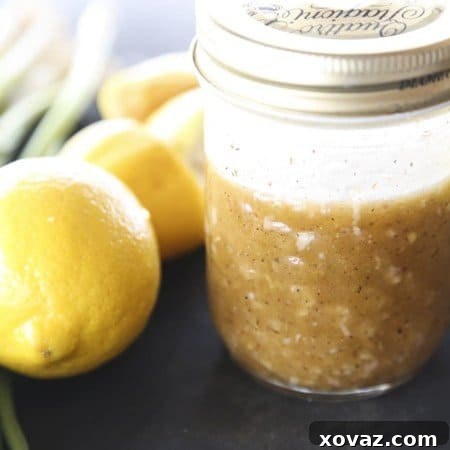
Best Middle Eastern Salad Dressing
By Rebecca Lindamood
Pin Recipe
Share on Facebook
Ingredients
- 4 garlic cloves peeled and roughly chopped
- 1 teaspoon coarse kosher salt
- 1/3 cup fresh lemon juice about 1 1/2 lemons
- 1/3 cup garlic or regular extra virgin olive oil
- 1 teaspoon Za’atar Seasoning
Instructions
-
Peel and roughly chop the garlic cloves. Sprinkle the salt over the garlic and use the broad side of your knife alternately to squash the garlic and chop the garlic until a thick paste forms. Add that to a half-pint sized mason jar along with the remaining dressing ingredients.
-
Screw the lid tightly in place, and shake hard. Refrigerate until ready to dress your salad, allowing the flavors to meld and deepen for the best results.
Nutritional information is an estimate and provided to you as a courtesy. You should calculate the nutritional information with the actual ingredients used in your recipe using your preferred nutrition calculator.
Did you make this recipe?
Make sure to tag @foodiewithfam on Instagram and #hashtag it #foodiewithfamily so I can check it out!
Pin Recipe
Share on Facebook