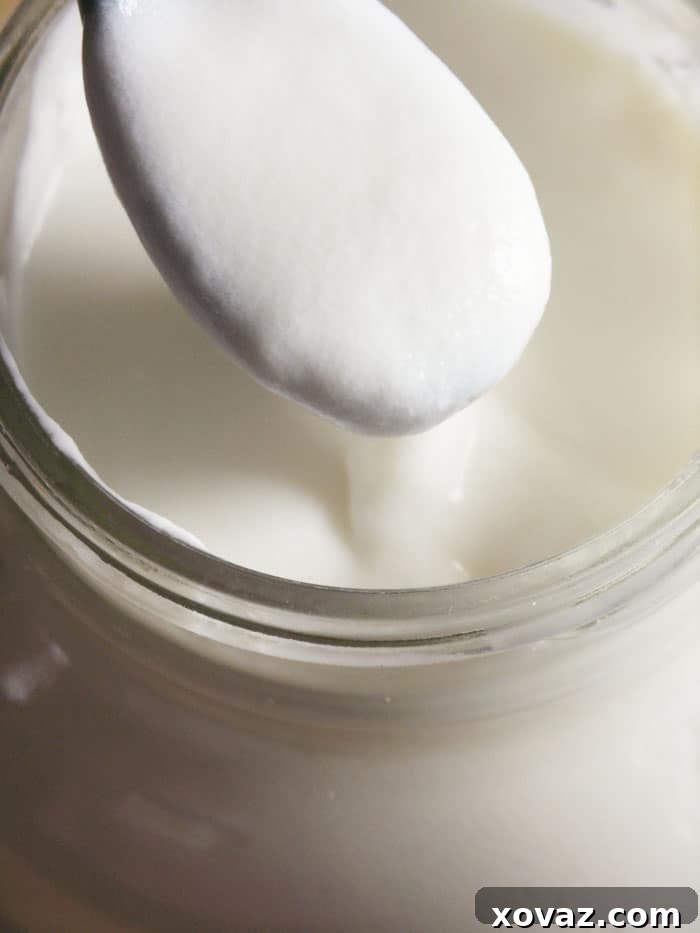
Unlock a world of culinary possibilities with homemade cultured buttermilk – a simple yet profoundly impactful ingredient that promises to revolutionize your kitchen. Forget the days of last-minute store runs or settling for inferior substitutes; crafting your own rich, tangy buttermilk is surprisingly easy, requiring just two ingredients and minimal effort. Once you experience the superior flavor and texture of your freshly made cultured buttermilk, you’ll wonder how you ever managed without it. Stick around to discover a treasure trove of inspiring ideas for incorporating this versatile dairy delight into your everyday cooking and baking.
Why Homemade Cultured Buttermilk is a Kitchen Essential
In many households, buttermilk is more than just an occasional ingredient; it’s a staple. From imparting tenderness and flavor to countless baked goods to serving as a base for creamy salad dressings, its presence is felt across a spectrum of recipes. For some, like my beloved Evil Genius, it’s even a refreshing drink, enjoyed simply with a pinch of salt and pepper – a practice cherished by millions across the American South and beyond. While the thought of drinking plain buttermilk might raise an eyebrow for some, remember the golden rule: never criticize someone else’s culinary preferences (unless we’re talking about durian, a notorious exception for good reason!).
Living in a rural setting, often miles away from the nearest grocery store, highlights the sheer convenience and necessity of being self-sufficient in the kitchen. Having a constant supply of fresh buttermilk on hand eliminates those inconvenient last-minute trips and ensures you’re always prepared for any culinary whim. Beyond convenience, the ability to control the quality of your ingredients, from the type of milk to the absence of additives, elevates your cooking to a whole new level.
The Science Behind Real Cultured Buttermilk: Beyond Acidified Milk
Perhaps you’ve heard the common kitchen hack: “Just add a little vinegar or lemon juice to milk, and you’ve got buttermilk!” While this method does create an acidic milk product that can function in some recipes, it’s crucial to understand that it is NOT the same as real cultured buttermilk. The difference lies in the fundamental process and the resulting properties that make authentic buttermilk so invaluable in cooking and baking.
Acidified milk, created by simply adding an acid like vinegar or lemon juice, reacts immediately, causing the milk proteins to curdle. This provides the desired tang and some acidity, but it woefully lacks the distinctive texture, viscosity, and complex flavor profile of traditionally cultured buttermilk. The science behind this distinction is fascinating and vital for understanding why true buttermilk truly excels.
What Makes Cultured Buttermilk Unique?
Real cultured buttermilk is made through a fermentation process involving lactic acid bacteria. These beneficial bacteria, primarily from the Lactococcus Lactis family and its many subspecies, consume the lactose (milk sugar) and produce lactic acid. This process is not instantaneous like adding vinegar; it’s a slower, living transformation that yields profound benefits:
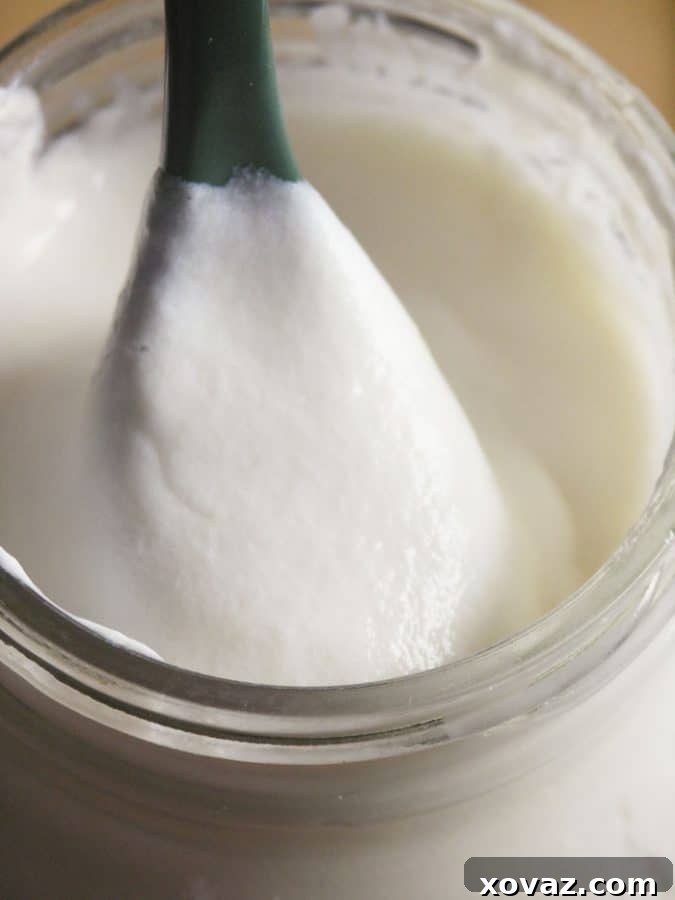
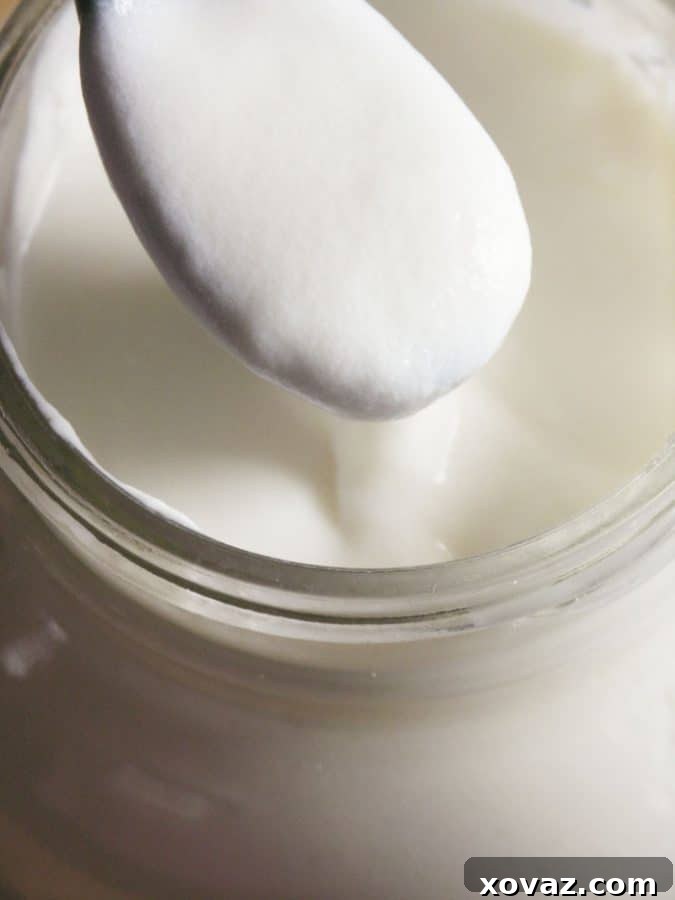
- Texture and Viscosity: The active cultures in buttermilk don’t just curdle the milk; they thicken it, creating a smooth, rich, and viscous liquid. This unique texture is essential for recipes where buttermilk contributes to the overall mouthfeel and structure, such as tender biscuits or creamy dressings.
- Leavening Power: The natural acidity of cultured buttermilk plays a critical role in activating leavening agents like baking soda and baking powder in baked goods. This interaction produces carbon dioxide gas, leading to a higher rise, lighter crumb, and beautifully fluffy results in pancakes, muffins, and quick breads.
- Flavor Development: The fermentation process imparts a complex, tangy, and slightly buttery flavor that artificial acidification cannot replicate. This depth of flavor enhances everything it touches, from savory marinades to sweet cakes.
- Emulsification Properties: Buttermilk contains natural emulsifiers that improve the texture and aroma of baked goods. These emulsifiers help distribute fats and liquids evenly, resulting in a more uniform product and extended shelf life.
- Enhanced Browning and Color: The acid in buttermilk also contributes to deep, attractive browning and helps combat discoloration in baked items, yielding visually appealing results.
- Meat Tenderization: For savory dishes, the acidity of homemade cultured buttermilk makes it an exceptional marinade for chicken, pork, and even fish. The lactic acid gently breaks down tough protein fibers, leading to incredibly tender and flavorful meat, while also imparting a delightful tang.
The Health Benefits of Cultured Buttermilk
Beyond its culinary prowess, the “cultured” aspect of buttermilk carries significant health advantages. Much like yogurt, cultured buttermilk is a probiotic-rich food, teeming with beneficial active cultures. These live microorganisms contribute positively to gut health, aiding in digestion, nutrient absorption, and supporting a balanced microbiome. Incorporating cultured buttermilk into your diet can be a delicious way to boost your daily intake of probiotics, contributing to overall wellness.
Why Make Your Own? The Irresistible Advantages
By now, you might be thinking, “Okay, I get it, buttermilk is great. But why go through the effort of making it myself?” The answer is simple, yet compelling:
- Cost-Effective: Homemade buttermilk is incredibly inexpensive to make. You’re essentially transforming regular milk into a premium product for pennies.
- Supreme Freshness and Quality Control: When you make it yourself, you control the ingredients. Use organic milk, raw milk, or your preferred dairy to ensure the highest quality. You also avoid any stabilizers, thickeners, or preservatives often found in commercial versions.
- Unparalleled Flavor and Texture: Nothing compares to the fresh, vibrant tang and lusciously thick consistency of homemade cultured buttermilk. It simply tastes better and performs better in recipes.
- Never Run Out: Once you have a starter, you can continuously re-culture your buttermilk, ensuring an endless supply. This eliminates those frustrating moments when a recipe calls for buttermilk, and you realize you’re out.
- Eco-Friendly: Making your own reduces packaging waste, contributing to a more sustainable kitchen.
- Simply Fun and Empowering: There’s a deep satisfaction in crafting something delicious from scratch. It’s a simple act of culinary empowerment, allowing you to “stick it to the man” and enjoy superior results.
Unleashing the Versatility of Buttermilk: Creative Uses for Your Homemade Batch
A common concern when starting to make your own buttermilk is, “What do I do with all of it?” Rest assured, you’ll find countless ways to use every drop! Buttermilk’s unique properties make it an invaluable asset across a wide range of dishes. Here are some fantastic ideas to get you started:
Buttermilk in Baking: The Secret to Perfection
Buttermilk is a baker’s best friend, contributing moisture, tenderness, and lift to an array of baked goods. Its acidity reacts with baking soda to create a light, airy crumb.
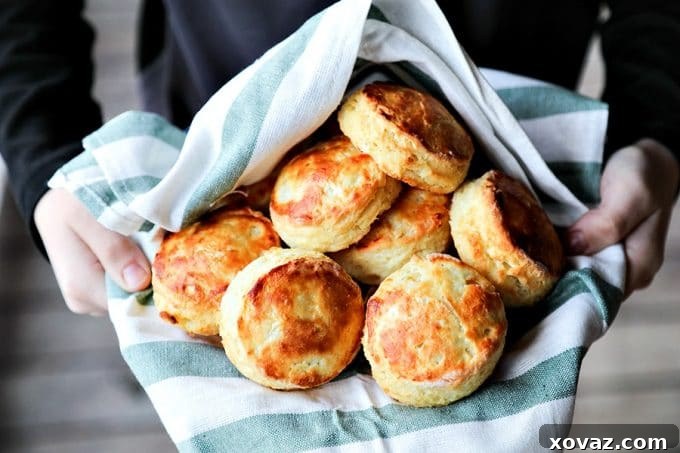
Perfect, Flaky, Homemade Buttermilk Biscuits: These are a true Southern classic. The acidity of buttermilk tenderizes the gluten in the flour and reacts with baking soda to create those signature lofty, flaky layers. Your Arkansas Grandma would undoubtedly approve!
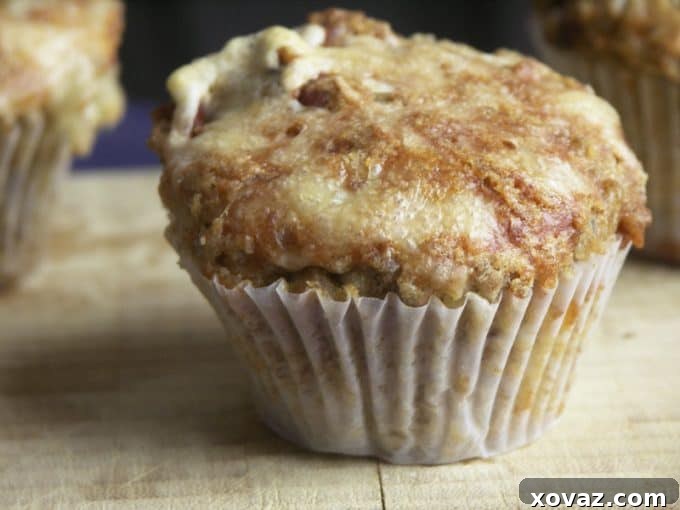
Bacon and Swiss Rye Muffins: Savory muffins benefit immensely from buttermilk, which keeps them moist and flavorful. These are as irresistible as they sound and surprisingly simple to bake.
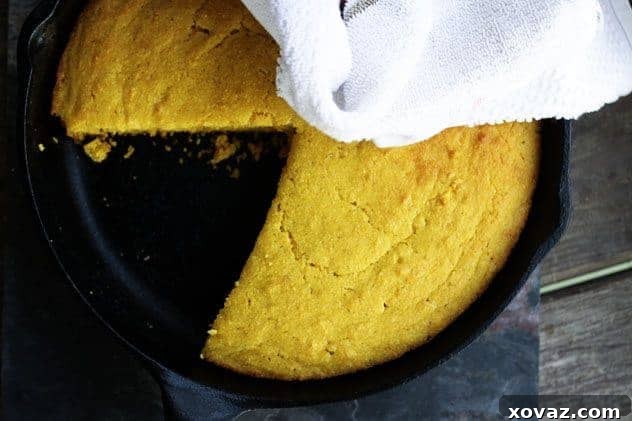
Grandma’s Buttermilk Cornbread: A quintessential comfort food, buttermilk cornbread is moist, tender, and boasts a perfect crumb thanks to the buttermilk. It’s ridiculously delicious and a must-try.
Buttermilk Cornbread Rounds: Building on the classic cornbread, these perfectly portioned rounds are convenient, charming, and just as flavorful. They make a great accompaniment to any meal.
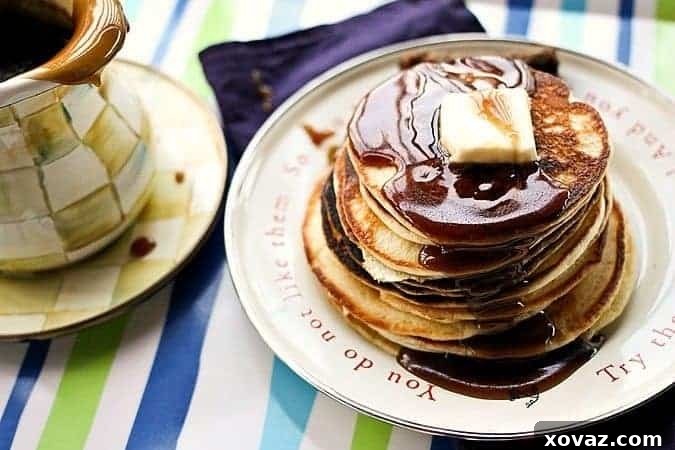
Buttermilk Pancakes: Nothing quite beats the light, fluffy texture of buttermilk pancakes, especially when drenched in real maple syrup. Buttermilk ensures they rise beautifully and have an unmatched tenderness.
Garam Masala Depression Cake: Don’t let the name fool you – this cake is anything but depressing! Buttermilk contributes to its rich, moist texture, making it a perfect canvas for exotic flavors like Garam Masala, chocolate, orange buttercream, and toasted coconut. A decadent treat that defies expectations.
More Buttermilk Culinary Adventures:
- Chocolate Chip Breakfast Cookies (Drop Scones): Buttermilk ensures these scones (or “breakfast cookies”) are tender and moist, making them a delightful start to your day.
- Extra Crispy Fried Chicken Fingers: Marinating chicken in buttermilk before frying is a time-honored secret to achieving incredibly tender, juicy meat with a perfectly crispy coating. The buttermilk not only tenderizes but also helps the breading adhere better.
- Cornbread Salad: This unique salad combines crumbled cornbread with various vegetables and a creamy, tangy dressing, often buttermilk-based, creating a flavorful and textural delight.
- Buttermilk Dressings: From classic ranch to creamy blue cheese, buttermilk adds a desirable tang and emulsified texture to a myriad of salad dressings.
- Smoothies and Drinks: For those who appreciate its unique flavor, buttermilk can be blended into refreshing smoothies or simply enjoyed as a nourishing drink with a dash of salt and pepper.
Your Guide to Crafting Perfect Homemade Cultured Buttermilk
Are you ready to embark on this simple yet rewarding journey? Making your own cultured buttermilk is so easy, you might miss it if you blink! Here’s how to do it:
Homemade Cultured Buttermilk Recipe
(Scroll to the bottom for an easy-print version of this recipe)
Ingredients:
- 1/4 to 1/2 cup cultured buttermilk (store-bought or from a previous homemade batch as a starter)
- 1 to 2 quarts of milk (skim, 1%, 2%, whole milk, or raw milk)
Equipment Needed:
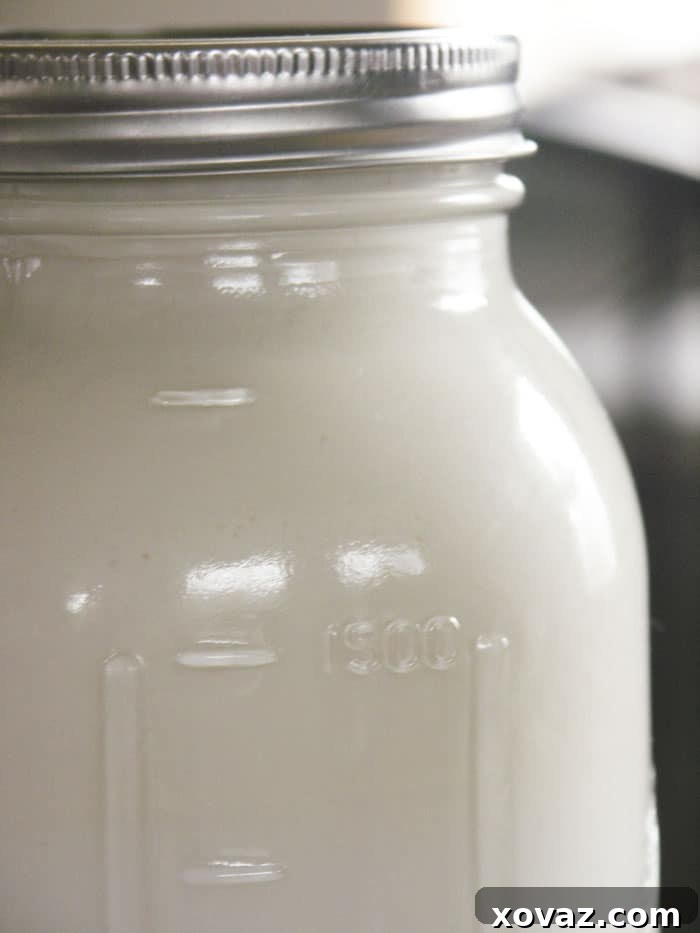
- 1 clean, dry quart or half-gallon jar with a tight-fitting two-piece lid.
Instructions:
- Prepare Your Jar: Ensure your jar is sparkling clean and completely dry to prevent any unwanted bacteria from interfering with the culturing process.
- Add the Starter: Pour 1/4 cup of cultured buttermilk into a quart-sized jar, or 1/2 cup into a half-gallon jar. This small amount of starter buttermilk contains the active cultures needed to begin the fermentation.
- Fill with Milk: Top off the jar with your preferred plain milk. Any milk fat percentage will work, though whole milk tends to yield a thicker, creamier product.
- Mix Thoroughly: Tightly screw the lid onto the jar and shake vigorously for approximately one minute. This ensures the starter cultures are evenly distributed throughout the fresh milk.
- Culture at Room Temperature: Place the jar in a warm (ideally 68-72°F or 20-22°C), but not hot, area out of direct sunlight. A kitchen counter or pantry shelf is usually suitable.
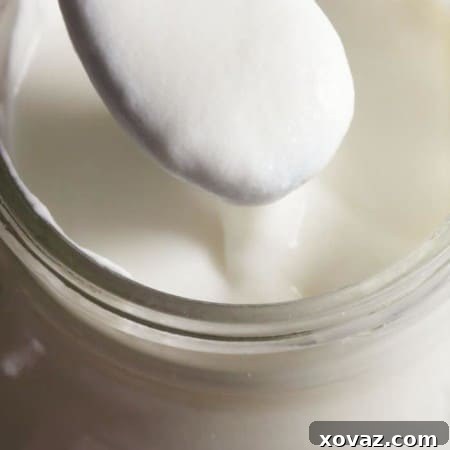
- Wait for Thickening: Allow the mixture to sit undisturbed for 12 to 24 hours. The culturing process is complete when the milk has noticeably thickened. It should have a consistency similar to thin yogurt or heavy cream, and a pleasant tangy aroma.
- Refrigerate: Once it reaches your desired thickness, immediately transfer the homemade cultured buttermilk to the refrigerator. Chilling it will slow down the fermentation process and preserve its freshness.
- Enjoy and Store: Your homemade buttermilk is now ready to use! Store it in the refrigerator and aim to use it within two weeks for optimal quality.
Notes for Success:
Re-Culturing Indefinitely: One of the most incredible aspects of homemade cultured buttermilk is its sustainability. You can use a portion of your current batch as the starter for your next batch. As long as you maintain a healthy starter, you can continue to re-culture buttermilk indefinitely, ensuring you never run out and always have the freshest product possible. This truly feels like beating the system!
Consistency Variations: The final thickness of your buttermilk will vary depending on the type of milk you use. Whole milk will yield a very thick, creamy buttermilk, while skim milk will result in a thinner, yet still delicious, version.
Temperature Matters: A consistent room temperature is key. Too cold, and the cultures will be sluggish, taking longer to thicken. Too hot, and undesirable bacteria could thrive, leading to off-flavors or spoilage. Aim for the sweet spot of 68-72°F (20-22°C).
Troubleshooting: If your buttermilk doesn’t thicken, it could be due to an inactive starter (old store-bought buttermilk), milk that’s too cold, or a jar that wasn’t perfectly clean. Don’t be discouraged; simply try again with a fresh starter and ensure optimal conditions.
Nutritional information is an estimate and provided to you as a courtesy. You should calculate the nutritional information with the actual ingredients used in your recipe using your preferred nutrition calculator.
Did you make this recipe?
Make sure to tag @foodiewithfam on Instagram and #hashtag it #foodiewithfamily so I can check it out!
This recipe was originally posted March 24, 2010, and was updated with photos, links, and improved notes March 2021.