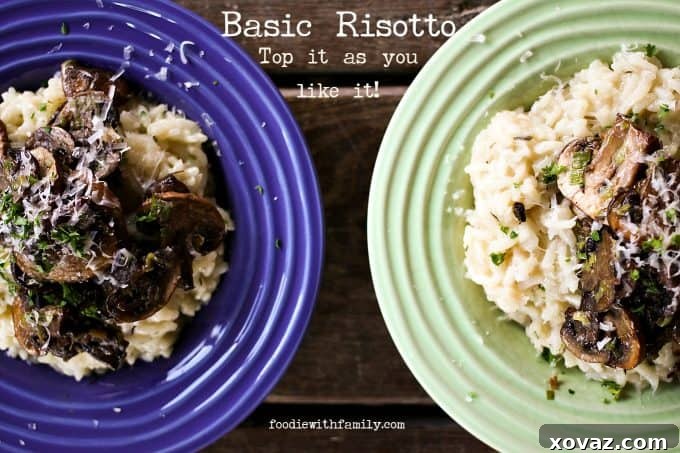
In the vast realm of comfort foods, few dishes evoke the same warmth and satisfaction as a perfectly prepared risotto. This beloved Italian classic, with its signature creamy texture and rich, savory flavors, holds a special place in the hearts of food enthusiasts. Substantial, incredibly filling, and utterly irresistible, risotto is more than just a meal; it’s an experience.
For many, the mere mention of risotto conjures images of cozy evenings and culinary bliss. Its profound ability to soothe the soul is almost ineffable. When asked what makes it so uniquely perfect, words often fail, giving way to an instinctive urge to savor every last spoonful, perhaps even contemplating licking the bowl clean or indulging in a generous wedge of Parmesan cheese.
Demystifying Risotto: Simplicity in a Bowl
Despite its gourmet reputation, risotto has somehow acquired an undeserved label for being excessively difficult and fussy to prepare. This misconception couldn’t be further from the truth. In reality, mastering a basic risotto is surprisingly straightforward, making it one of the most impressive yet accessible dishes any home cook can add to their repertoire. It’s less about complex techniques and more about understanding a fundamental concept and applying a touch of patience.
What truly makes risotto a culinary marvel is its versatility. Once you grasp the core technique – a process that typically clicks after just one attempt – you unlock a world of customization. This foundational method involves sweating onions and garlic in a blend of olive oil and butter, adding Arborio rice to toast until translucent, deglazing with white wine, and then gradually incorporating small amounts of warm chicken or vegetable stock while stirring frequently. The goal is to cook until the rice is tender with a slight al dente bite, surrounded by a luxurious, creamy sauce formed by the rice’s natural starches. The final flourish? Stirring in some freshly grated Parmesan cheese. It’s a culinary triumph in just a few steps.
Beyond the Basic: Creative Risotto Topping Ideas
While a simple, perfectly executed basic risotto is a delight on its own, it also serves as an exceptional canvas for a multitude of toppings and flavor profiles. Its neutral yet rich base welcomes a vast array of additions, allowing for endless creativity and adaptation to seasonal ingredients or personal preferences.
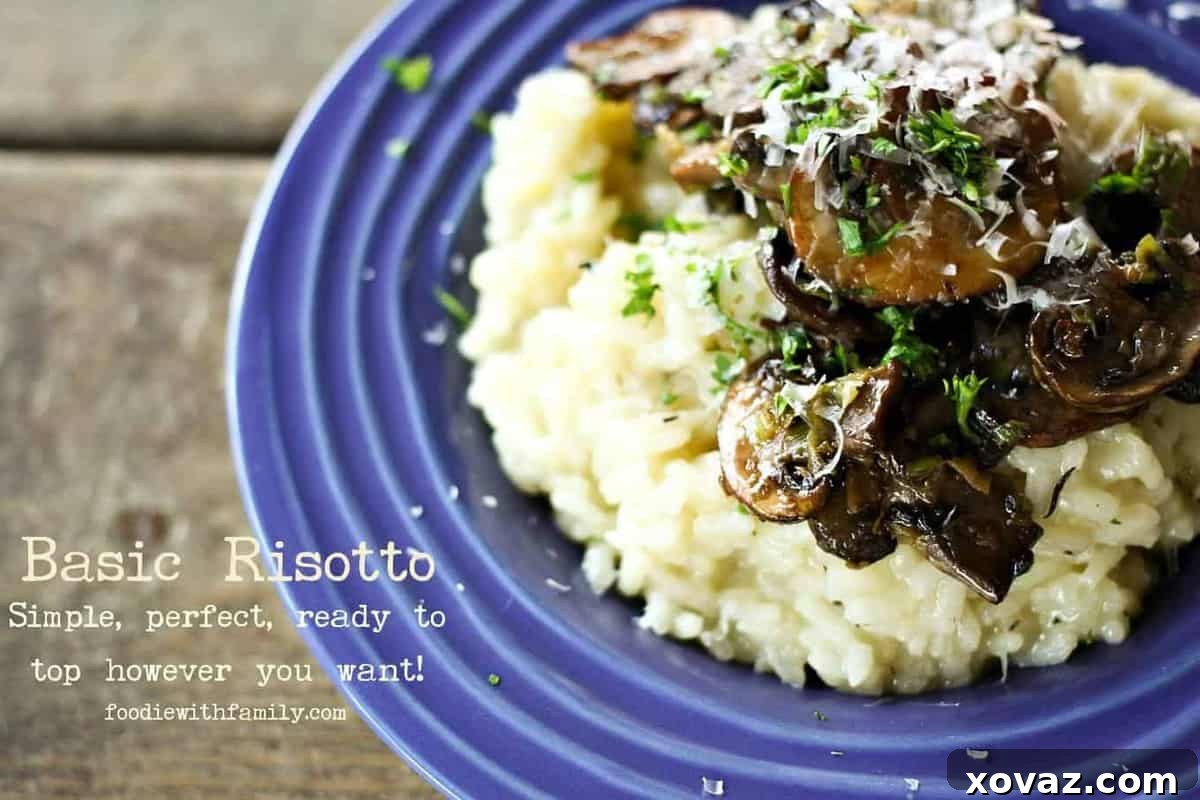
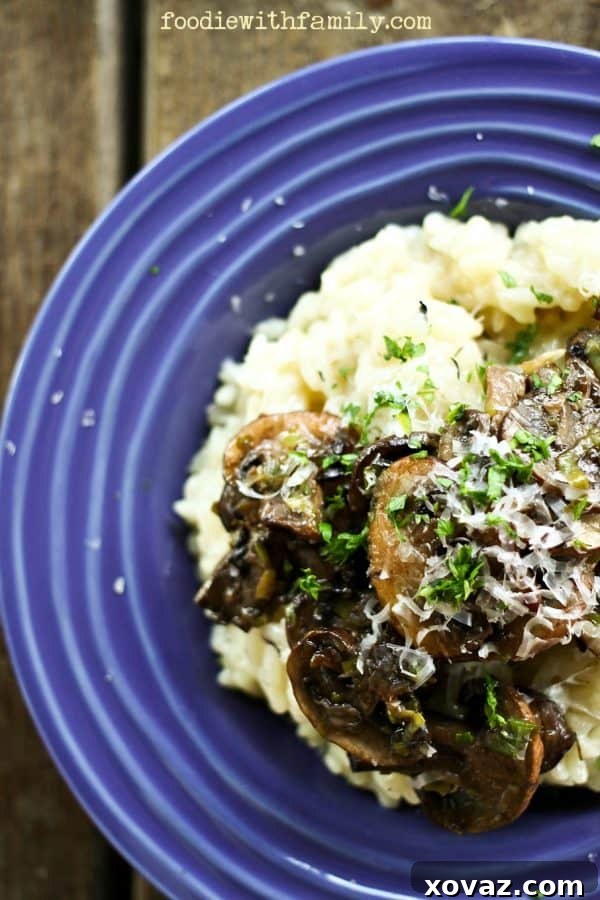
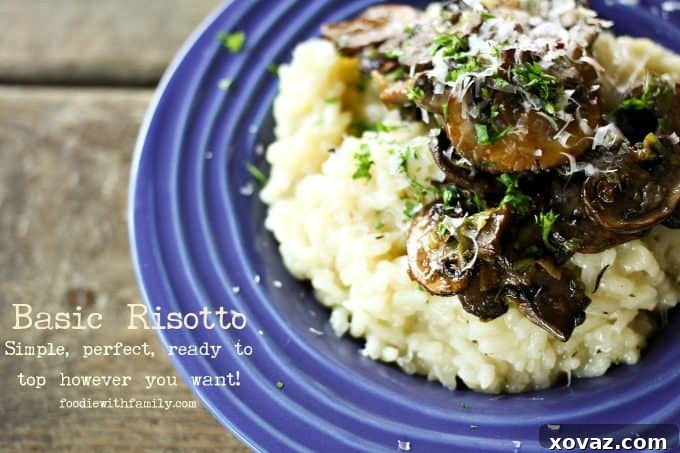
Among the most beloved toppings for risotto, earthy mushrooms often take center stage. Whether you prefer the deep, umami notes of perfectly seared mushrooms, caramelized to perfection, or the tender texture and aromatic essence of roasted mushrooms infused with herbs like thyme, they both complement the creamy rice beautifully. But the possibilities extend far beyond fungi. For those who aren’t mushroom fans, don’t fret! Consider topping your risotto with extra grated Parmesan, a generous serving of shredded chicken simmered in a rich gravy, succulent leftover shrimp, thinly sliced seared beef, or even roasted seasonal vegetables like asparagus, butternut squash, or peas. The beauty of risotto lies in its welcoming nature; almost anything you can imagine pairing with a rich, savory grain will likely find a happy home atop your creamy creation.
Moreover, risotto’s adaptability shines in its role at the dining table. It can effortlessly transition from a luxurious stand-alone entrée, hearty enough to satisfy the keenest appetite, to an elegant and comforting side dish that perfectly complements a main protein. Its versatility ensures it fits seamlessly into various meal plans and occasions, always promising a comforting and sophisticated touch.
The Magic Behind the Creaminess: Understanding Risotto’s Secret
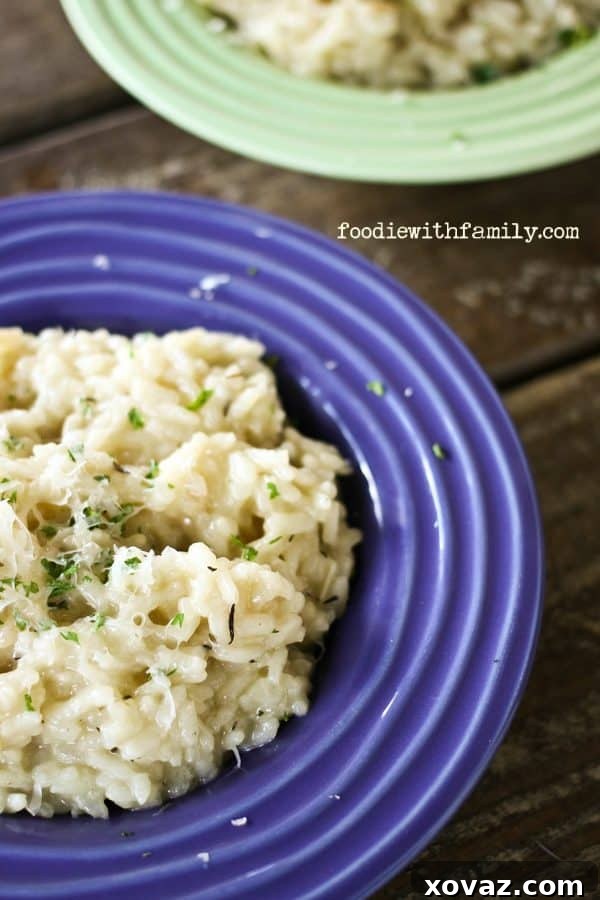
The enchanting creaminess that defines risotto isn’t achieved through added cream (though a touch of butter at the end certainly helps), but rather through a clever culinary technique that leverages the very starch within the rice grains. As you gradually add warm stock and stir, the friction and moisture encourage the Arborio rice to release its starches, creating a velvety, emulsified sauce that coats each grain. This unique characteristic is why specific types of rice, rich in amylopectin starch, are essential for authentic risotto.
This process, far from being difficult, simply requires attention and a gentle hand. It’s genuinely hard to ruin a risotto to the point of inedibility unless one actively tries to sabotage it. The perceived complexity often stems from a misunderstanding of the continuous, yet not vigorous, stirring required. It’s a rhythmic, almost meditative cooking process that rewards patience and engagement rather than demanding advanced chef skills. So, dismiss any fears or intimidation surrounding risotto preparation. Embrace the journey of transforming simple ingredients into a dish that consistently delivers rich, heartwarming comfort.
Essential Tips for Mastering Risotto
Making perfect risotto is all about understanding a few key principles rather than adhering to rigid rules. Here are some detailed notes to guide you:
Choosing the Right Rice
For an authentic and perfectly creamy risotto, the choice of rice is paramount. Opt for high-starch, short-grain varieties like Arborio, Carnaroli, or Vialone Nano. These types are specifically cultivated for their ability to absorb liquid slowly and release starches, which is crucial for creating the characteristic creamy texture without becoming mushy. Avoid long-grain or jasmine rice, as they will not yield the desired result.
The Importance of Warm Broth
Always use warm or hot stock (chicken, vegetable, or even beef broth) when adding it to your risotto. Keeping the stock warm prevents it from shocking the rice and cooling down the pan, which can disrupt the cooking process and lead to unevenly cooked grains. A gently simmering pot of stock beside your risotto pan is a simple yet vital step for consistent results.
Heat Management is Key
Achieving the perfect risotto texture relies heavily on precise heat control throughout the cooking process. Begin by melting your butter and olive oil over a gentle, medium-low heat. When adding the diced onions and garlic, reduce the heat to its lowest setting. This slow, deliberate sautéing, known as ‘sweating,’ ensures they become beautifully translucent and sweet without browning or burning, laying a crucial flavor foundation. Once the aromatics are tender, increase the heat to medium before introducing the Arborio rice. This allows the rice grains to toast evenly and become opaque, a vital step that prevents them from becoming mushy later. When it’s time to deglaze with white wine, elevate the heat to medium-high. This helps the alcohol evaporate quickly, leaving behind its complex flavors. Finally, for the gradual addition of stock, reduce the heat to a steady medium-low. This controlled simmer allows the stock to be absorbed slowly and consistently, giving the rice enough time to release its starches and achieve that characteristic creamy consistency without boiling too vigorously.
Choosing Your Wine Wisely
When selecting wine for your risotto, always choose a dry white wine – something you would genuinely enjoy drinking. Varieties like Pinot Grigio, Sauvignon Blanc, or an unoaked Chardonnay work beautifully. The acidity in dry wine adds a wonderful depth of flavor and cuts through the richness of the dish. Avoid sweet wines at all costs, as their sugars will caramelize and impart an unpleasant sweetness to your savory risotto. If you prefer to cook without alcohol, simply omit the wine and proceed directly to adding the stock; the risotto will still be delicious, though it will have a slightly different flavor profile. Rest assured, Italian cooking is flexible!
Vegetarian and Dietary Adaptations
Easily transform this classic into a vegetarian delight by substituting chicken stock with a high-quality vegetable broth. The process remains identical, ensuring a flavorful and satisfying meat-free meal. For those with other dietary considerations, remember that risotto is naturally gluten-free (ensure your stock is too!).
The Art of Adding Broth and Tasting
The amount of stock specified in any recipe is merely a guideline. Variables such as the type of rice, the pan’s width, the heat intensity, and even humidity can affect how much liquid the rice absorbs. The golden rule for adding stock is to do so gradually, about half a cup at a time, allowing each addition to be almost entirely absorbed before adding more. More importantly, taste frequently! This is crucial for gauging the rice’s doneness and adjusting the seasoning. You’re aiming for a creamy, tender texture with a slight al dente bite, where the rice still offers a hint of resistance. Don’t be surprised if you need more or less stock than the recipe suggests; trust your palate and your intuition.
The Finishing Flourish (Mantecatura)
Just before serving, off the heat, stir in the freshly grated Parmesan cheese and a knob of butter. This final step, known as “mantecatura,” is vital for achieving the risotto’s iconic rich, glossy finish and ultimate creaminess. The combination of fat and cheese emulsifies with the rice’s starches, creating a luxurious texture that cannot be replicated otherwise. Furthermore, always save a small splash of warm stock for the very end. Adding this final bit of liquid ensures the risotto maintains its loose, flowing consistency – often described as ‘all’onda’ (like a wave) – preventing it from becoming thick or stodgy on the plate as it rests.
Your Go-To Basic Risotto Recipe
Basic Risotto
Pin Recipe
Share on Facebook
Ingredients
- 2 tablespoons extra-virgin olive oil
- 2 tablespoons butter
- 1 medium onion, peeled, trimmed, and finely diced
- 4 cloves garlic, peeled and minced or pressed
- Pinch of thyme
- 3 1/2 cups chicken stock (plus extra if needed, warmed)
- 1 cup Arborio rice
- 1/2 cup dry white wine
- 1/2 cup freshly grated Parmesan cheese (plus extra for garnish)
Optional:
- Seared or Roasted Mushrooms for topping
- Fresh parsley or chives for garnish
Instructions
- In a large skillet or saucepan, melt the butter with the olive oil over medium-low heat. Add the finely diced onion to the pan. Reduce the heat to LOW and sauté, stirring frequently, until the onions are translucent and softened but not browned, which should take approximately 8 to 10 minutes. Add the minced garlic to the onions and stir for about 1 minute until fragrant.
- Increase the heat to MEDIUM. Stir in the Arborio rice with a wooden spoon, toasting it for 3 to 4 minutes until the edges of the grains become translucent and opaque, but not browned.
- Pour in the dry white wine. Increase the heat to MEDIUM-HIGH and cook, stirring, until the wine is almost completely absorbed by the rice. This deglazing step adds depth of flavor.
- Add the pinch of thyme. Now, begin adding the warmed chicken stock, 1/2 cup at a time. Stir continuously (but not vigorously) until each addition of liquid is almost entirely absorbed before adding the next 1/2 cup. Continue this process, ensuring the rice is always simmering gently.
- Cook in this manner for about 15 to 20 minutes, or until the rice is tender and creamy with a slight al dente bite in the center. Taste frequently to determine doneness and adjust seasoning if necessary. You might need slightly more or less stock than the initial 3 1/2 cups.
- Remove the pan from the heat. Stir in the 1/2 cup of freshly grated Parmesan cheese and a small knob of butter (if desired, for extra richness) until melted and fully incorporated, creating that beautiful “mantecatura” effect. If the risotto seems too thick, add a small splash of extra warmed stock to achieve a desirable creamy, flowing consistency.
- Serve the risotto immediately, hot or warm, either plain or topped with your chosen optional additions like seared mushrooms or extra Parmesan.
Nutritional information is an estimate and provided to you as a courtesy. You should calculate the nutritional information with the actual ingredients used in your recipe using your preferred nutrition calculator.
Did you make this recipe?
We’d love to see your creations! Make sure to tag @foodiewithfam on Instagram and use the hashtag #foodiewithfamily so we can check it out!
Pin Recipe
Share on Facebook