Looking for more fantastic homemade breads? Be sure to visit our Bread Recipes page for an array of delicious options!
Experience the Magic of One-Hour Swedish Limpa Bread: Fresh, Flavorful, Fast!
There’s an undeniable joy that comes with baking fresh bread at home. The comforting aroma filling your kitchen, the soft texture, and the rich taste are unparalleled. Now, imagine achieving all of this in less than an hour, from start to finish! Introducing our One-Hour Swedish Limpa Bread – a lightning-fast take on a beloved classic that promises warm, homemade goodness without the wait. This isn’t just any quick bread; it’s a wonderfully aromatic Swedish rye bread, subtly sweetened and infused with the bright notes of orange zest and the delicate warmth of fennel seed. Close your eyes and picture a slice, lightly toasted, glistening with melted sweet butter, perhaps even adorned with your favorite homemade jam. It’s an experience that truly transcends the everyday, awakening your senses and offering a simple, profound pleasure.
In a world where diet trends often sideline traditional staples, bread has faced its share of scrutiny. Yet, for countless generations, bread has remained the “staff of life,” a fundamental comfort and sustenance. There’s truly nothing that rivals the intoxicating scent of bread baking, transforming a simple kitchen into a haven of culinary delight. What could possibly make this experience better? Knowing that this incredible aroma, and the delicious bread it heralds, can be yours in just sixty minutes. This recipe empowers you to create a beautiful, artisanal loaf on a whim, perfect for last-minute gatherings, accompanying hearty soups and stews, or simply elevating an ordinary weeknight meal into something special.
We’re about to delve into the secrets of crafting this magnificent bread. But first, let’s explore some essential cook’s notes and expert tips to ensure your baking journey is smooth and successful. Soon, you’ll be slicing into a warm loaf, watching cold butter melt into its porous surface, and savoring every delightful bite of your daily bread.
Why Swedish Limpa Bread is a Must-Try
Swedish Limpa, traditionally a rye bread, is celebrated for its distinctive flavor profile. It’s known for being slightly sweet, often with hints of molasses or brown sugar, and beautifully spiced. Our one-hour version captures this essence perfectly, making it accessible for even the busiest home bakers. The combination of earthy rye flour with the vibrant citrus notes of orange zest and the mild, anise-like flavor of toasted fennel seeds creates a truly unforgettable taste experience. It’s a bread that is robust enough to hold up to savory toppings yet delicate enough to be enjoyed with sweet spreads. Its unique character makes it an excellent addition to any meal, from breakfast toast to a sophisticated dinner side.
Essential Tips for Baking Success
To help you achieve bakery-quality results with your One-Hour Swedish Limpa Bread, here are some crucial notes and insights derived from years of baking experience. These simple guidelines will streamline your process and ensure a perfect loaf every time.
- Mixing Method Versatility: While I personally prefer the convenience and efficiency of a stand mixer for this recipe, I understand that not everyone has one. Therefore, the recipe includes detailed instructions for mixing the dough by hand and with a food processor, ensuring everyone can enjoy this bread regardless of their kitchen equipment.
- Prevent Sticking: The lamentable sight of a beautiful loaf firmly stuck to its pan is a baker’s nightmare. To avoid this heartbreak, always line your baking sheet with parchment paper or a silicone baking mat (Silpat). This simple step guarantees an effortless release and keeps your bread intact and beautiful.
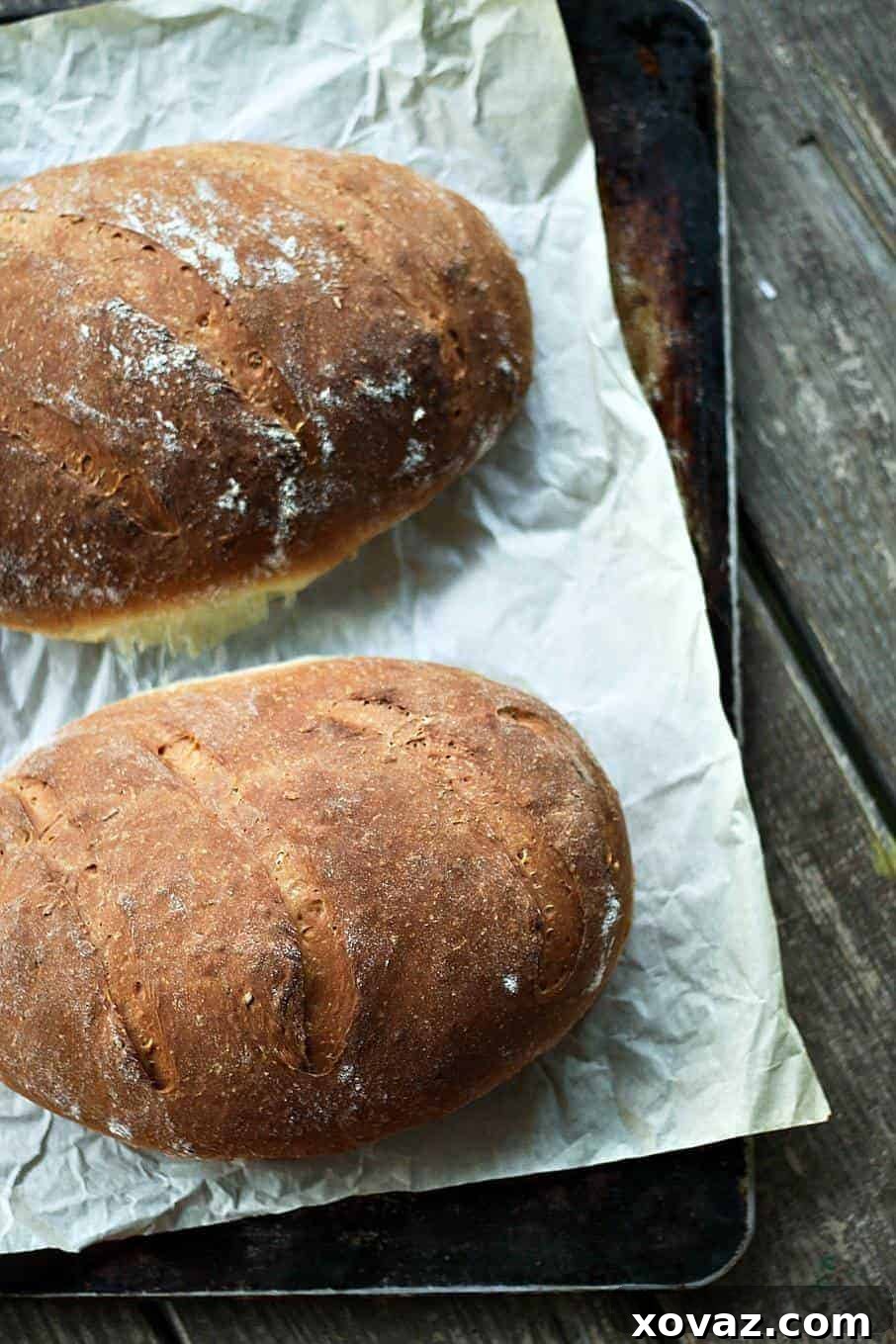
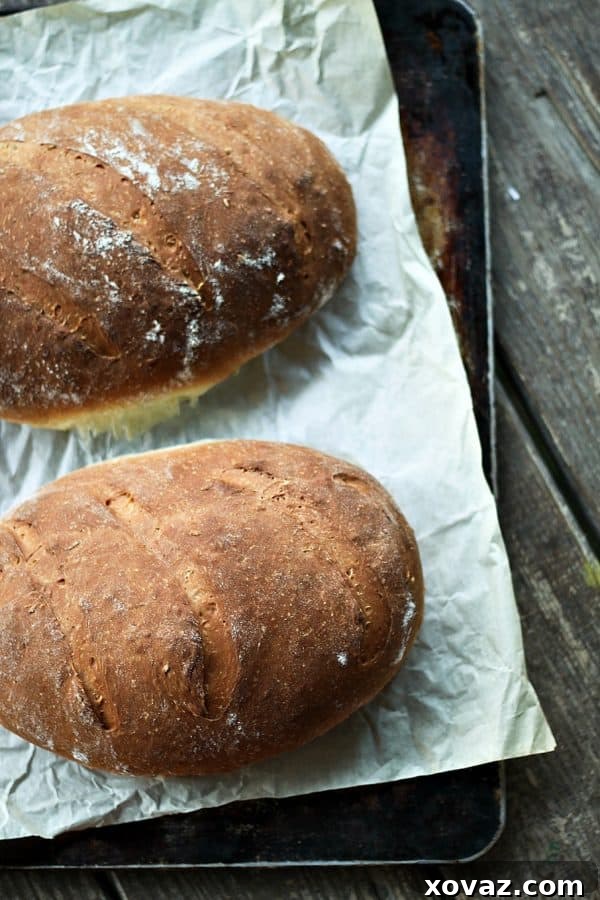
- Shaping Your Loaf: I’ve found that forming this bread into a non-traditional oval shape yields superior results for uniform slicing and toasting. However, if you prefer the classic round shape (boule), feel free to shape it that way! The most important thing is to create a cohesive, smooth loaf.
- The Art of Slashing: You’ll notice the instruction to slash the top of the dough before baking. This isn’t just for aesthetics; it serves a vital purpose. Slashing creates vents that allow steam to escape from the bread as it bakes. Without these pre-made escape routes, the steam would forcefully burst through the crust, potentially deforming your beautifully shaped loaf. While some might embrace a rustic, blown-out look, I find a controlled slash leads to a prettier, more predictable rise and a picture-perfect crust.
- Cold Oven Baking Technique: A unique aspect of this recipe is starting the bread in a cold oven. This technique, coupled with a pan of hot water for steam, creates a gradual heat increase that promotes a fantastic rise and a wonderfully crisp crust, mimicking the professional ovens that bakers use. It’s a game-changer for homemade bread.
Connect with Foodie with Family
Stay in the loop with more delicious recipes and kitchen tips by connecting with us on social media:
Facebook| Pinterest| Instagram
Twitter| Google+
One Hour Swedish Limpa Bread
A lightning fast version of the classic slightly sweet Swedish Rye Bread, lightly scented with orange and fennel seed. This makes the ultimate toast!
Author: Rebecca Lindamood
Print Recipe
Pin Recipe
Ingredients
- 5 cups all-purpose flour (approximately 1 pound, 9.5 ounces by weight)
- 1 cup medium rye flour (approximately 3 ounces by weight)
- 2 Tablespoons instant yeast (also known as Bread Machine Yeast)
- 1 Tablespoon Kosher salt (if using table salt, reduce to 1 ½ teaspoons)
- The zest of one large orange
- 1 tablespoon toasted fennel seed
- 2 cups very warm water (ideally around 120°F)
- 2 Tablespoons unsalted butter, softened
- 2 Tablespoons molasses
Instructions
Mixing the dough by Stand Mixer (My Preferred Method):
- Combine the all-purpose flour, rye flour, instant yeast, Kosher salt, orange zest, and toasted fennel seed in the bowl of a stand mixer fitted with a dough hook. Mix on low speed for approximately 30 seconds to thoroughly combine the dry ingredients.
- With the mixer running on low speed, slowly pour in the very warm water and molasses simultaneously. Add the softened butter. Continue mixing until the dough comes together, forms a smooth ball, and is no longer sticky, which typically takes about 4 minutes.
- Remove the bowl from the stand mixer. Scrape any dough clinging to the dough hook back into the bowl. Using your hands, gently pull the dough from the bowl and quickly form it into a smooth ball. Return the dough ball to the bowl, cover it with a clean tea towel, and let it rise in a warm place for exactly 15 minutes. This quick rise is crucial for the “one-hour” timing!
Mixing the dough by Food Processor:
- In the bowl of a food processor fitted with a standard blade or dough blade, combine the all-purpose flour, rye flour, instant yeast, Kosher salt, orange zest, and toasted fennel seed. Pulse 10 times to mix.
- With the food processor running, slowly pour the very warm water and molasses into the feed chute while simultaneously adding the softened butter. Continue processing until the dough forms a cohesive ball. Allow the dough ball to spin in the processor for about 20 rotations, then turn off the machine.
- Remove the dough, form it into a smooth ball, and place it in a lightly oiled mixing bowl. Cover with a clean tea towel and let it rise in a warm place for 15 minutes.
Mixing the dough by Hand:
- In a large mixing bowl, combine the all-purpose flour, rye flour, instant yeast, Kosher salt, orange zest, and toasted fennel seed. Whisk with a fork or spoon to ensure all ingredients are well distributed.
- Slowly pour the very warm water and molasses into the flour mixture, and add the softened butter. Use a sturdy wooden spoon or spatula to combine the ingredients until a shaggy, cohesive dough forms.
- Turn the dough out onto a clean, lightly floured surface and knead vigorously for 8 minutes. If the dough is too sticky, dust your hands and the surface with a little extra flour, but avoid adding too much as this can make the bread dense.
- After kneading for 8 minutes, return the dough to the mixing bowl. Cover the bowl with a clean tea towel and let it rise in a warm place for 15 minutes.
To Shape the Loaves:
- After the 15-minute rise, turn the dough out onto a clean, lightly floured surface. Divide the dough in half to create two equal portions.
- Dust your hands with a little flour. Take one half of the dough and form it into your desired shape – either an oval or a round ball. To achieve a smooth surface, pull the edges of the dough from the top and tuck them underneath the loaf. Repeat with the second half of the dough.
- Place the shaped loaves 5-6 inches apart on a baking sheet that has been lined with parchment paper or a silicone baking mat (silpat), or lightly greased if using a non-stick pan.
- Using a very sharp knife or a baker’s lame, make shallow slashes on the top of each loaf, about ¼ of an inch deep. These slashes are essential to allow steam to escape during baking, preventing the crust from tearing haphazardly and encouraging a beautiful, controlled rise.
To Bake the Loaves:
- Before you begin baking, ensure your oven racks are properly arranged: one rack on the very bottom of the oven and another positioned in the center.
- Place the baking sheet with your shaped loaves on the center rack. On the bottom rack, place a bread or cake pan filled with very hot tap water. This creates a steamy environment that helps develop a beautiful, crisp crust.
- Crucially, close the oven door *before* turning the oven on. Turn your oven on to 400°F (200°C). Starting the bread in a cold oven with the steam pan is imperative for this recipe’s success.
- Set your timer for 40 minutes. This 40-minute period includes the time it takes for the oven to preheat and the bread to bake. The gradual increase in temperature, combined with the steam, will give your bread an incredible lift and a perfect crust.
- Once the timer goes off, carefully remove the loaves from the oven. The crust should be a deep, golden brown and feel firm to the touch.
- Transfer the baked loaves to a wire cooling rack. While it’s ideal to let them cool completely before slicing for the cleanest cuts, it’s perfectly understandable (and often irresistible!) to tear into one loaf immediately. If you choose this path, slather generous amounts of cold sweet cream butter on the warm bread for an unparalleled treat.
Nutritional information provided is an estimate and offered as a courtesy. For precise nutritional values, it is recommended to calculate the information with the actual ingredients used in your recipe using your preferred nutrition calculator.
Did you make this recipe?
We absolutely love seeing your culinary creations! If you tried this One-Hour Swedish Limpa Bread, please share your photos and experience with us.
Make sure to tag @foodiewithfam on Instagram and use the hashtag #foodiewithfamily so we can admire your delicious results!
Print Recipe
Pin Recipe
Share on Facebook

Explore More Culinary Adventures with Rebecca Lindamood
If you’ve enjoyed this recipe, you’ll love delving deeper into the world of creative cooking with my book, “Not Your Mama’s Canning Book: Modern Canned Goods and What to Make with Them.” Discover innovative ways to preserve and transform everyday ingredients into extraordinary meals. This book is a labor of love, designed to inspire both novice and experienced cooks to embrace the joy of homemade goodness.
My book, “Not Your Mama’s Canning Book: Modern Canned Goods and What to Make with Them,” is widely available for order through these reputable retailers. Click on your preferred store to get your copy today and start your journey into modern canning!
This recipe was originally published as a guest post on StephieCooks on October 1, 2014.