
Savoury, creamy, wonderfully peppery, and incredibly simple to prepare, Classic Sausage Gravy is the quintessential soul-warming dish. Whether generously spooned over flaky, homemade buttermilk biscuits or spread over a humble slice of toast, this comforting concoction brings a taste of Southern hospitality to any breakfast or brunch table. It’s more than just a meal; it’s a culinary hug, a taste of tradition that resonates deep within.
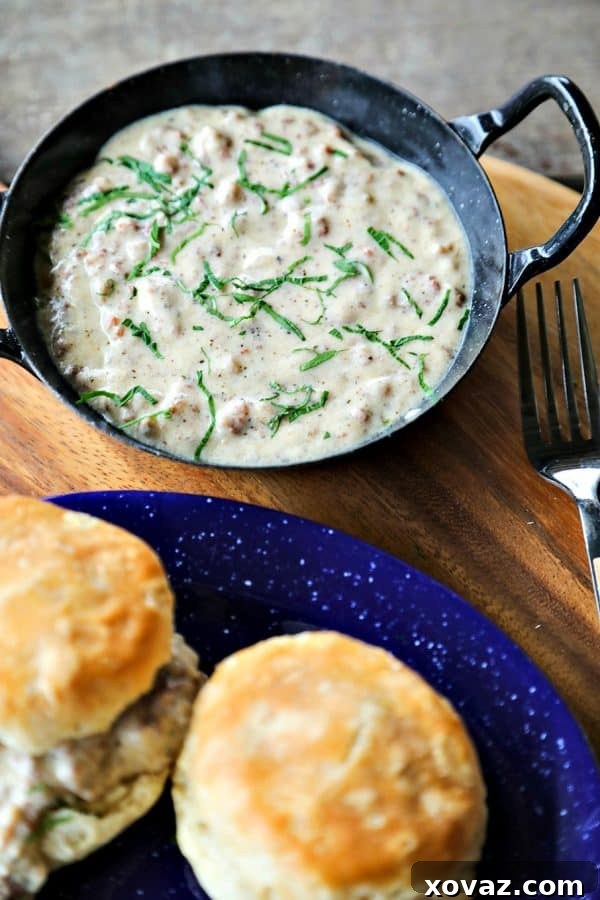
Embracing Southern Comfort: The Timeless Appeal of Classic Sausage Gravy
Growing up with a Southern grandma offered many invaluable life lessons, but none were quite as outstanding as the culinary education. Oh, my grandma’s cooking! I still marvel at how she managed to produce such vast quantities of consistently wonderful food, seemingly without effort. Every dish was infused with an immeasurable amount of love, and that love translated into unforgettable flavors that lingered long after the last bite.
Among her legendary creations, my grandma’s biscuits stood supreme. And in my mind, the only fitting accompaniment for these cloud-like masterpieces was, and always will be, a generous serving of Classic Sausage Gravy. Her gravy remains the gold standard by which I unconsciously judge all others. I vividly recall the sizzling sound of sausage in her well-seasoned cast-iron skillet, a crucial detail that allowed her to render every bit of flavorful fat and achieve those coveted, toasty brown bits—the foundation of an truly exceptional gravy. She also had a knack for adding just the right touch of dried sage or poultry seasoning, lending an extra layer of warmth and complexity to a dish already bursting with comfort.
For me, Classic Sausage Gravy is inextricably linked to crisp mornings, cooler weather, and most profoundly, the joyous holiday season. That hint of sage my Grandma incorporated elevated a simple, hearty dish into something festive and celebratory. It evokes powerful memories of bustling family gatherings, laughter, and the undeniable warmth of togetherness. Do you have any dishes from your childhood that transport you back to those cherished family moments?
The Art of Gravy: Why This Recipe Stands Above
What elevates a good sausage gravy to a truly great one? It’s a combination of simple ingredients, mindful preparation, and a deep appreciation for the humble elements that come together to create something extraordinary. This recipe for Classic Sausage Gravy isn’t just about mixing ingredients; it’s about understanding the nuances that transform a few staples into a rich, savory, and utterly satisfying meal. The secret lies in building layers of flavor, starting with perfectly browned sausage, creating a robust roux, and then carefully simmering it with full-fat milk and a symphony of complementary seasonings.
Unlike some breakfast dishes that can feel heavy or overly complicated, classic sausage gravy offers a rustic elegance. It’s hearty without being overwhelming, flavorful without being overly spiced, and comforting in a way that feels both luxurious and familiar. It’s the kind of dish that makes you slow down, savor each bite, and appreciate the simple pleasures of good food made with care. Perfect for a leisurely weekend breakfast, a holiday brunch, or even a comforting weeknight dinner, this gravy is versatile and always a crowd-plepleaser.
Expert Tips for Crafting the Perfect Classic Sausage Gravy
Achieving sausage gravy perfection isn’t difficult, but a few key considerations will ensure your efforts yield the most delicious results. These “cook’s notes” are derived from years of experience and traditional Southern wisdom, designed to guide you toward a gravy that rivals grandma’s own.
- Sausage Selection: The Foundation of Flavor. When it comes to Classic Sausage Gravy, the quality and type of sausage make all the difference. A bulk pork breakfast-style sausage is the unequivocal ultimate choice. Its fat content is ideal for rendering, which is crucial for forming the roux, and its seasoned flavor is foundational to the gravy. If bulk sausage isn’t available, you can absolutely substitute link-style breakfast sausage; just be sure to remove the casings and break the meat into small pieces in the pan. A personal preference note: while maple-flavored breakfast sausages have their place, for this classic recipe, I recommend sticking with a savory variety to maintain the traditional flavor profile.
- Turkey Sausage Considerations: Adding Back the Fat. Can you use turkey sausage for a lighter alternative? Yes, you can, but with one critical caveat. Turkey sausage is significantly leaner than pork. The rendered fat from the sausage is what provides the essential base for your roux, which thickens the gravy and carries flavor. If using turkey sausage, you will absolutely need to add a tablespoon or two of a neutral fat, such as vegetable oil or butter, to the pan after browning the sausage to ensure you have enough fat to properly cook the flour and create a smooth, rich gravy. Without this added fat, your gravy will likely be thin and lack the desired consistency and depth of flavor.
- The Essential Skillet: Cast Iron or Heavy Stainless Steel. Please, for the love of good gravy, avoid using a non-stick skillet for this recipe. There are two very important reasons for this recommendation:
- Durability and Safety: Throughout the gravy-making process, you’ll be actively scraping the bottom of the pan and whisking vigorously. A non-stick coating risks flaking off into your gravy, which would be incredibly unpleasant and unsafe to consume.
- Superior Browning and Flavor Development: Non-stick pans are simply not designed for achieving the kind of deep, rich browning that’s essential for flavor development in sausage gravy. To render the fat properly and create those delicious, mahogany-brown bits of sausage – which contribute immensely to the gravy’s depth – you need to raise the heat to a temperature that is often not recommended for non-stick surfaces, potentially damaging the pan. Cast iron or a heavy-bottomed stainless steel skillet are inexpensive kitchen staples that excel at heat retention and even cooking, allowing you to achieve that perfect browning without worry.
- Sausage Texture: Fine Bits for Maximum Flavor. How much you break up the sausage while cooking is a matter of personal preference, but I strongly advocate for making it very fine. The more surface area you create, the more opportunities there are for those delightful, toasty brown bits to form. This caramelization adds incredible flavor to the sausage itself and, crucially, contributes to the overall richness of the gravy. Trust me, it’s a scientific fact (or at least a culinary one) that finer sausage bits directly correlate to increased gravy happiness!
- The Power of Pepper and Nutmeg: Essential Seasonings. Do not be tempted to skimp on the black pepper. Freshly ground black pepper is absolutely crucial to authentic Classic Sausage Gravy; its bold, aromatic bite balances the richness of the sausage and milk. Ditto for nutmeg! A tiny whisper of freshly grated nutmeg (about 1/8 teaspoon) adds an unexpected warmth and depth that truly elevates the gravy, complementing the sage beautifully. If you have whole nutmegs that you can grate yourself, so much the better! Freshly grated nutmeg is infinitely more fragrant and flavorful than the pre-ground variety. Bonus tip: Don’t worry about those whole nutmegs rattling around your spice drawer; they stay good practically forever and taste vastly superior to their pre-ground counterparts.
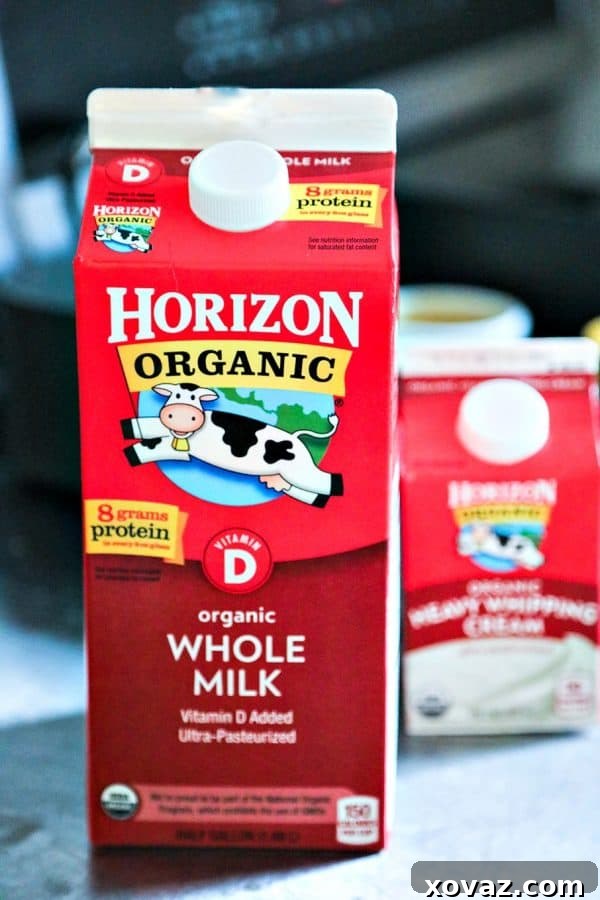
- The Unwavering Importance of Whole Milk. Oh my goodness, please, I implore you, do not be tempted to make this Classic Sausage Gravy with low-fat or reduced-fat milk. This is a dish where you truly go for the gusto! Whole milk is non-negotiable for achieving the creamy, rich texture and luxurious mouthfeel that defines truly exceptional sausage gravy. The fat content in whole milk contributes significantly to the gravy’s body and helps carry all those wonderful flavors. And while you’re at it, choose an excellent quality whole milk, like Horizon Organic’s Whole Milk, or any other full-fat, high-quality dairy you prefer. When a dish relies on so few ingredients, selecting each one wisely is paramount.
- The Perfect Pairing: Flaky Buttermilk Biscuits. You are definitely, unequivocally going to want to serve this incredible Classic Sausage Gravy with homemade flaky buttermilk biscuits! The way the light, airy layers of a perfectly baked biscuit soak up the creamy gravy is pure culinary magic. The contrasting textures and complementary flavors create a breakfast experience that is truly unparalleled.
Essential Kitchen Tools for Classic Sausage Gravy Success
Having the right tools can make all the difference in the kitchen, turning cooking from a chore into a joy. For this Classic Sausage Gravy recipe, a few basic, yet indispensable, items will ensure a smooth and satisfying cooking experience:
- Heavy-Duty Skillet: As discussed, a cast iron skillet or a sturdy stainless steel skillet is paramount for proper browning and flavor development.
- Sausage Breaking Tool: A chopper or a sturdy wooden spoon is essential for breaking up the sausage into fine, even pieces during cooking.
- Whisk: A good quality whisk is critical for creating a lump-free roux and smoothly incorporating the milk into the gravy.
- Pepper Grinder: For that essential freshly ground black pepper, a reliable pepper grinder is a game-changer. (This is the one I have used and recommended for almost 10 years, folks. I wouldn’t want to be without it even if you paid me!)

Make Ahead and Beyond: Maximizing Your Sausage Gravy
Classic Sausage Gravy is delicious fresh off the stove, but it also holds up beautifully for leftovers and can even be repurposed into other delightful meals. Consider making a double batch; you’ll be glad you did! With extra gravy on hand, you’ll have enough to whip up a batch of the irresistible Sausage Gravy Casserole the very next day. This hearty casserole transforms leftover gravy and biscuits into an entirely new, equally comforting breakfast or brunch offering that’s perfect for feeding a crowd.
To store leftover gravy, allow it to cool completely before transferring it to an airtight container. It will keep well in the refrigerator for up to 3-4 days. When reheating, the gravy may thicken considerably. To restore its creamy consistency, gently warm it over low heat on the stovetop, adding a splash of extra whole milk until it reaches your desired consistency. Whisk constantly to prevent scorching and ensure smoothness. This makes it an ideal candidate for meal prep or enjoying a cozy breakfast without starting from scratch.

Classic Sausage Gravy
Recipe by Rebecca Lindamood
Savoury, creamy, peppery, and tremendously simple to make, Classic Sausage Gravy is soul-warming whether served over flaky, buttermilk biscuits or humble toast.
Ingredients
- 1 pound bulk pork breakfast sausage (or links with the casings removed)
- 3 tablespoons all-purpose flour
- 3 cups whole milk
- 1 1/2-2 teaspoons freshly ground black pepper
- 1 teaspoon dried sage or poultry seasoning
- 1/8 teaspoon grated nutmeg
Optional, for garnish
- minced fresh parsley
Instructions
- Place a cast-iron or heavy-bottomed stainless steel skillet over medium-high heat. Add the pork sausage and break it up with a chop-and-stir utensil or wooden spoon. Continue breaking up the sausage, cooking until the fat has rendered and the sausage has developed beautiful, toasty brown bits interspersed throughout.
- Once the sausage is browned, lower the heat to medium-low and sprinkle the all-purpose flour evenly over the cooked sausage. Use a whisk or spatula to stir it in, ensuring the flour is thoroughly distributed and absorbs the rendered fat, forming a roux. Continue cooking and stirring for another 2 minutes to cook out the raw flour taste.
- Pour in half of the whole milk and immediately whisk vigorously, scraping the bottom of the pan repeatedly, until the mixture is smooth and begins to thicken. Pour in the remaining half of the milk and continue to whisk, still scraping the pan until you feel all the toasted bits (fond) stuck to the bottom have been released into the gravy, adding a deeper layer of flavor.
- Whisk in the freshly ground black pepper and the dried sage or poultry seasoning.
- Raise the heat to medium and bring the gravy to a gentle boil, whisking constantly to prevent lumps and ensure even thickening.
- Once boiling, immediately reduce the heat back to low and allow the gravy to simmer gently, whisking occasionally, until it has thickened to your desired consistency, typically about 2-3 minutes.
- Remove the skillet from the heat. Taste and adjust seasonings if necessary. Garnish, if desired, with fresh minced parsley before serving.
Nutritional information is an estimate and provided to you as a courtesy. You should calculate the nutritional information with the actual ingredients used in your recipe using your preferred nutrition calculator.
Did you make this recipe?
We’d love to see your delicious creations! Make sure to tag @foodiewithfam on Instagram and use the hashtag #foodiewithfamily so we can check it out and share your culinary success!

This content was created in collaboration with Horizon. All opinions and experiences expressed are my own.