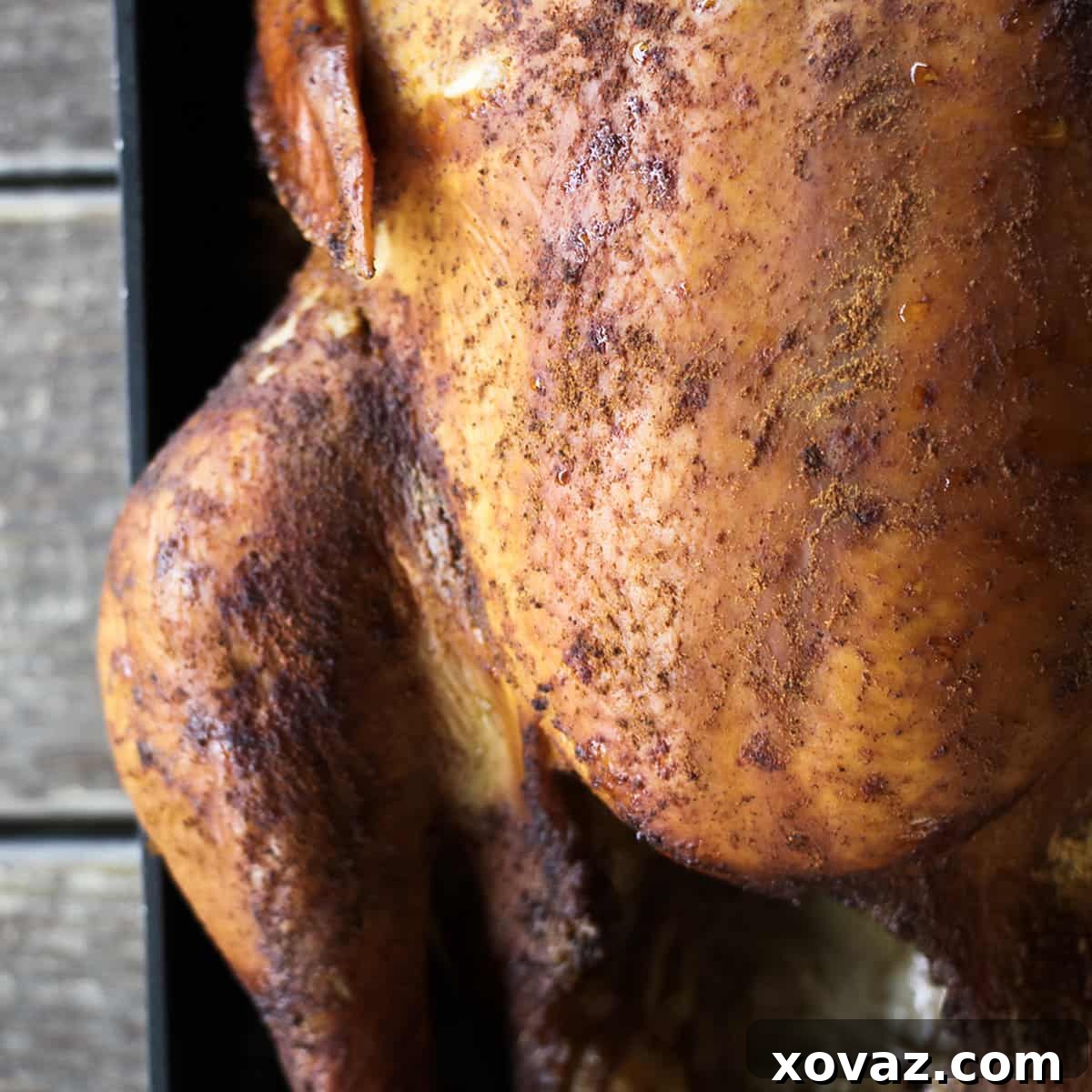
The Ultimate Guide to Smoking a Perfect Thanksgiving Turkey
Transform your holiday feast with the most flavorful and juicy turkey you’ve ever tasted! This comprehensive guide will walk you through everything you need to know about how to smoke a turkey, ensuring a show-stopping centerpiece that will leave your guests in awe. Forget dry, bland turkey; get ready for a Thanksgiving dinner that truly wows!
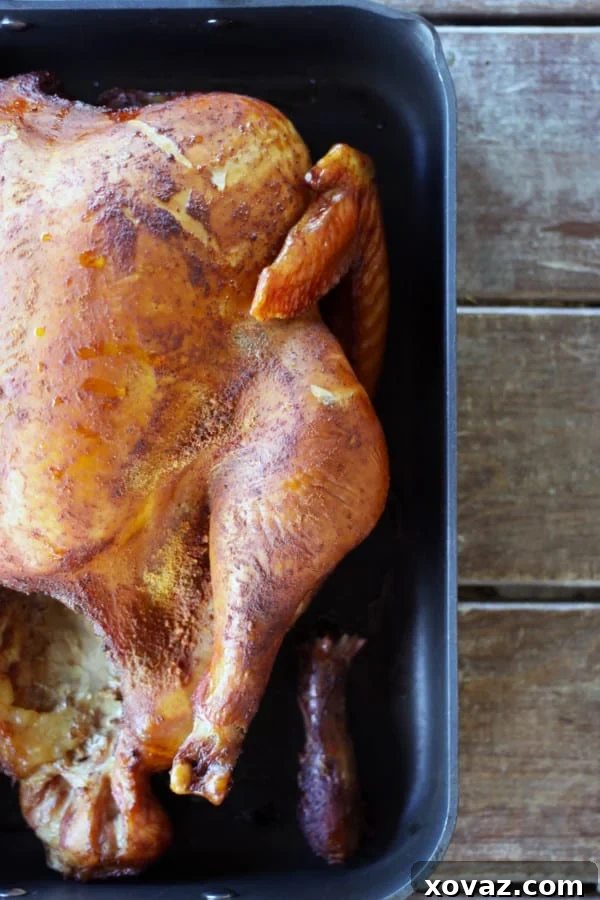
Why Choose a Smoked Turkey for Your Holiday Feast?
Smoked turkeys possess a certain mystique, often reserved for specialty stores where people eagerly place orders weeks before Thanksgiving. There’s a widespread agreement among food enthusiasts that when it comes to flavor and texture, smoked turkey reigns supreme. Yet, surprisingly few home cooks venture into the world of smoking their own turkey, perhaps intimidated by the process. The truth is, smoking a turkey is a remarkably easy and forgiving cooking method.
In fact, you are far more likely to end up with an inedibly dry turkey when roasting it in a conventional oven. Think of the infamous “turkey jerky” from ‘National Lampoon’s Christmas Vacation’ – a common pitfall of roasting. Smoking, on the other hand, cooks the turkey at a low temperature for an extended period, continuously basting it with its own juices and infusing it with an incredible depth of smoky flavor. This slow and steady approach ensures a moist, tender, and flavorful bird every single time, making it the ideal choice for your holiday table.
Essential Preparation Steps for Smoking Turkey
To Brine or Not to Brine?
When it comes to smoking a turkey, my short answer regarding brining is typically no. While you certainly can brine your turkey if that’s your preference, I generally find that wet brining creates extra effort and mess without a significant enough improvement to warrant it for a smoked turkey. Some people swear by it, believing it’s essential for moisture, but the smoking process itself is so adept at preserving moisture that it often renders traditional brining redundant.
However, if you’re keen on the effects of brining – namely enhanced flavor and moisture retention – without the hassle of a wet brine, consider a dry brine. Dry brining involves salting the turkey and letting it rest in the refrigerator, drawing moisture out, then reabsorbing it, resulting in a more concentrated flavor and crispy skin. You can adapt the dry brining instructions from my smoked whole chicken post; just scale the quantities proportionally to the weight of your turkey.
A crucial step that you absolutely should not skip, whether brining or not, is drying the turkey’s skin. After thawing and removing giblets, pat the turkey thoroughly dry with paper towels. Then, place it on a roasting rack in a pan and let it rest, uncovered, in the refrigerator for at least 4 hours, or ideally, overnight. While blotting with paper towels helps, allowing air to circulate around the turkey in the fridge is far more effective in achieving a truly dry skin. Why is this important? Dry skin simply behaves better in the smoker. It develops a marginally crispier texture – though smoked turkey skin won’t ever be as intensely crisp as roasted turkey skin – and, more importantly, it allows the meat to absorb the smoke flavor more effectively. This simple step is well worth the minor inconvenience.
Selecting Your Turkey: Size Matters!
When choosing a turkey for smoking, I highly recommend opting for smaller birds, ideally under 15 pounds. This recommendation stems from both personal preference for better results and, more critically, food safety guidelines. Experts generally agree that smoking turkeys larger than 15 pounds can be risky. Larger birds spend a longer time in the “danger zone” temperatures (between 40°F and 140°F), where harmful bacteria can multiply to dangerous levels, potentially causing foodborne illness.
If you need more turkey to feed a larger crowd, it’s safer and often results in a better cook to smoke two smaller turkeys simultaneously rather than one giant one. Most electric smokers and pellet smokers, like a Traeger, offer ample space to accommodate two whole birds comfortably. This method ensures more consistent cooking and enhances overall safety.
Whole Bird vs. Turkey Breast: What’s Your Preference?
Is a whole turkey too much for your gathering, or do you simply prefer white meat? You have excellent options! You can opt to smoke a bone-in turkey breast instead of an entire bird. A bone-in breast still provides a cavity that can be stuffed with aromatics, ensuring fantastic flavor and moisture. This is a great route for smaller families or for those who strictly prefer the tender, white breast meat.
For a whole turkey, you might consider my drumstick removal method before smoking. I’ve successfully smoked turkeys both with drumsticks attached and detached. Detaching the drumsticks allows them to cook a bit faster. This means that by the time the breast meat reaches its perfect doneness, the dark meat will be ideally cooked, which is precisely how I prefer my turkey. Choose the method that best suits your taste and cooking rhythm.
It’s also important to avoid trussing the bird or tying its legs together. Trussing restricts airflow and causes the dark meat, which already cooks slower than white meat, to take even longer. Let the legs go free! While it might not look as perfectly sculpted as a trussed bird, it allows for more even cooking, especially of the dark meat, and is generally a safer practice for ensuring thorough cooking.
Gathering Your Smoked Turkey Ingredients
Simple Seasoning for Unforgettable Flavor
The beauty of smoked turkey is that the smoke itself imparts so much flavor, you truly don’t need an elaborate rub. My essential seasonings are incredibly simple, yet highly effective. Here’s what you’ll need:
- One whole turkey, ideally under 15 pounds (fresh or fully thawed)
- Neutral oil (such as sunflower, canola, or vegetable oil)
- Kosher salt
- Black pepper
- Granulated garlic or garlic powder
- Granulated onion or onion powder
- Fresh sage
- Two yellow onions
- Three fresh apples
- Optional but tasty: McCormick’s Montreal Chicken Seasoning
I truly meant it when I said you don’t need much beyond salt, pepper, granulated garlic, and granulated onion. These basic spices will create a wonderfully savory crust and enhance the natural flavors of the turkey. If you wish to boost the turkey’s golden color, a touch of paprika can be added to your seasoning mix.
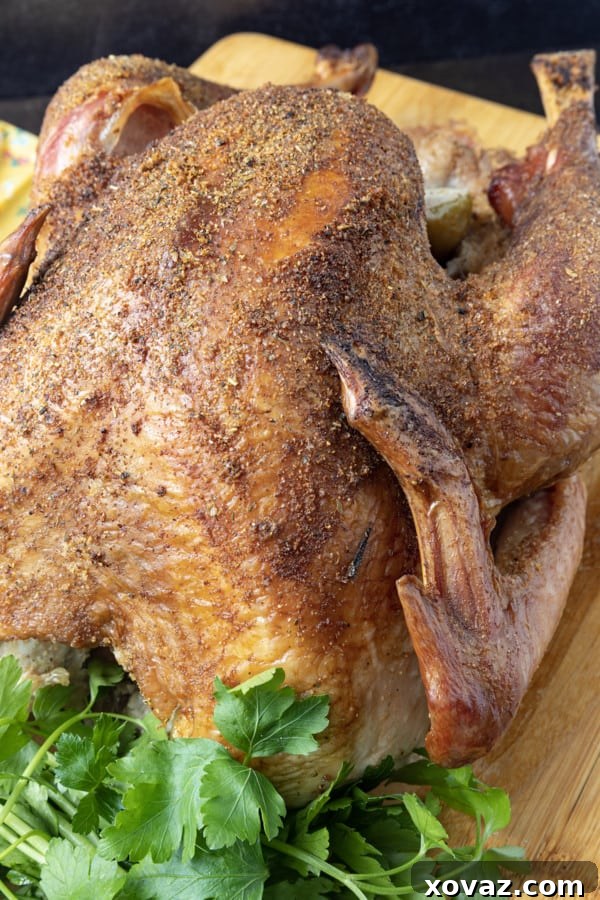
While a special dry rub isn’t necessary for this smoked turkey, if you want to guarantee an exceptionally flavorful skin, McCormick’s Montreal Chicken Seasoning is a fantastic option. It’s a great all-purpose seasoning to have on hand and adds a delicious layer of flavor to the turkey skin.
Above all, do not skip the aromatics inside the turkey cavity! Stuffing the bird with halved yellow onions, apple wedges, and fresh sage lends serious flavor from the inside out. These moisture-rich ingredients steam from within the cavity as the turkey smokes, continuously basting the meat and infusing it with subtle, fragrant notes that complement the smoky exterior beautifully.
Setting Up Your Smoker: Equipment and Wood Choices
Choosing Your Smoker
Having the right equipment is key to a successful smoking experience. The type of smoker you use will largely determine how easily you can maintain the target temperature, which is crucial for a perfectly smoked turkey. Here’s what you’ll need:
- A smoker with a reliable thermostat that allows you to set and maintain a consistent temperature.
- A roasting pan or drip pan for your smoker.
- Appropriate smoking fuel: wood pellets, wood chips, or wood briquettes, depending on your smoker type.
While a dedicated smoker will undoubtedly make this job much easier, it’s entirely possible to smoke a turkey on a charcoal or gas grill using very low, indirect heat. The goal is to maintain a consistent temperature range of 225°F to 250°F. If you have a true smoker with an adjustable thermostat, set it firmly at 250°F for the duration of the cook.
I personally rely on my trusty Traeger pellet grill for smoking. Its insulation allows it to maintain temperature as easily as a kitchen oven, and the hopper system makes it incredibly convenient to use wood pellets. This takes much of the guesswork and effort out of smoking, making it a truly enjoyable process. As an added bonus, I can even subscribe to monthly shipments of Traeger pellets from Amazon for ultimate convenience!
If your smoker uses wood chips, simply follow your manufacturer’s instructions to achieve and maintain the target temperature of approximately 250°F.
The Art of Wood Selection for Turkey
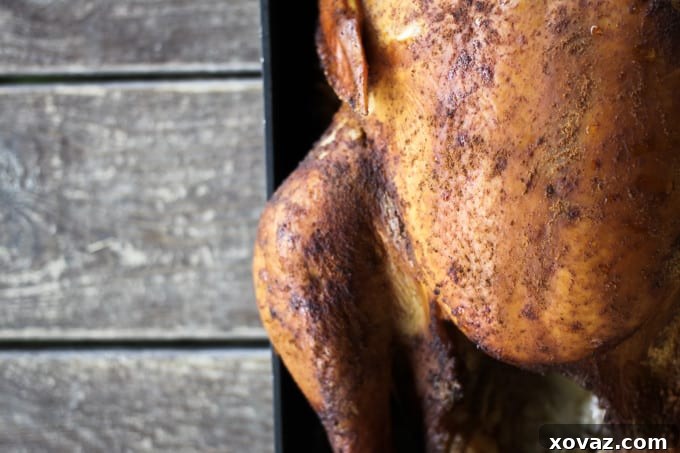
Choosing the right type of wood is essential for imparting the perfect smoky flavor to your turkey. I wholeheartedly recommend apple or alder wood for turkeys. Both offer a mild yet distinct fruity flavor that beautifully complements poultry without overpowering it. They are also relatively easy to find in most regions.
If you’re looking for a good second choice, hickory is an excellent option. It provides a slightly stronger, yet still pleasant, smoky flavor that many enjoy with turkey. I would be less inclined to use mesquite, as its flavor profile can be quite intense and might overshadow the delicate taste of the turkey, though it wouldn’t be a terrible choice if it’s all you have on hand.
Drip Pan Essentials
You have a couple of options for how to place your turkey in the smoker: directly on the grates with a drip tray below, or in a roasting pan on a rack. I personally prefer using a roasting pan. This allows me to collect all the precious turkey drippings, which are liquid gold for making the most incredible gravy or for roasting vegetables like potatoes later, infusing them with a rich, smoky flavor. If you choose to smoke directly on the grates, ensure your drip pan is deep enough and monitor it frequently; turkeys release a surprising amount of liquid as they cook, and you don’t want it overflowing in your smoker!
The Smoking Process: Temperature and Time
What Temperature to Smoke a Turkey?
As mentioned, the ideal temperature range for smoking a turkey is between 225°F and 250°F. Maintaining this low and slow heat is what allows the turkey to cook gently, basting itself continuously and absorbing that incredible smoky essence without drying out. If your smoker has precise temperature control, set it to 250°F and trust the process.
How Long Does It Take to Smoke a Turkey?
The cooking time for a smoked turkey is directly proportional to its size. First and foremost, ensure your turkey is completely thawed before it enters the smoker. This is a non-negotiable step for food safety and even cooking.
As a general rule of thumb, plan on approximately 30 to 40 minutes of smoking time per pound of turkey. However, the most reliable way to determine when your turkey is perfectly done is by using a meat thermometer. An in-oven temperature probe thermometer that can stay in the bird throughout the smoking process is ideal, as it takes all the guesswork out of the equation. Alternatively, an inexpensive instant-read thermometer can be used for occasional checks of both the dark meat (thigh) and white meat (breast).
The turkey is fully cooked when the thickest part of the breast reaches an internal temperature of 160°F and the thickest part of the thigh reaches 175-180°F. Remember that the temperature will continue to rise a few degrees after the turkey is removed from the smoker (this is called carry-over cooking), so pulling it at 160°F in the breast will allow it to safely reach the USDA recommended 165°F after resting.
Step-by-Step Smoked Turkey Recipe
Smoked Turkey
This recipe provides a simple, foolproof method for achieving a wonderfully juicy and flavorful smoked turkey. The slow cooking at low temperatures ensures the turkey remains moist, while the aromatics and smoke infuse it with rich taste.
Yield: 16 servings (for a 12-14 lb turkey)
Prep Time: 15 minutes (plus 4 hours to overnight drying time)
Cook Time: 6 hours (approx. for a 12-14 lb turkey)
Total Time: 6 hours 15 minutes (plus drying time)
Equipment:
- 1 Smoker (e.g., Traeger pellet grill, electric smoker, or another smoker capable of maintaining 250°F for several hours with minimal intervention)
- 1 roasting pan with a rack (or a deep, rimmed pan large enough to accommodate the turkey for drying and smoking)
Ingredients:
- 1 whole turkey, 12 to 14 pounds, fresh or thawed if frozen (giblets and neck removed and reserved for another purpose)
- 1/4 cup neutral oil (such as peanut oil, sunflower, canola, or vegetable)
- 3 tablespoons kosher salt
- 2 teaspoons granulated garlic
- 1 teaspoon granulated onion
For the aromatics:
- 2 yellow onions, halved, papery skin removed
- 3 fresh apples, stems removed and cut into wedges
- 3 cloves garlic, pulled apart, papery skins removed, but left in the peel
- 1 bundle fresh sage
Instructions:
- Prepare the Turkey: Pat the thawed or fresh turkey thoroughly dry with paper towels. Place it, breast side up, on a roasting rack set within a roasting pan. Let it rest, uncovered, in the refrigerator for at least 4 hours, or ideally overnight. This crucial step helps dry the skin, contributing to a better texture and smoke absorption.
- Preheat the Smoker: On the day of smoking, heat your smoker to a consistent 250°F according to the manufacturer’s instructions. If using a charcoal or gas grill, build a bed of low coals or set burners for very low indirect heat to achieve this temperature. Once the smoker is at temperature, add your preferred apple wood chips (or other chosen wood) to produce smoke for at least 30 minutes before placing the turkey inside.
- Season and Smoke: Stuff the cavity of the turkey with the halved onions, apple wedges, garlic cloves, and fresh sage. Drizzle the neutral oil generously over the dried turkey skin, then rub the outside of the turkey evenly with the kosher salt, granulated garlic, and granulated onion. Carefully transfer the turkey to the preheated smoker. Smoke for approximately 30 to 40 minutes per pound, or until an instant-read thermometer (or a stay-in-the-bird probe thermometer) reads 160°F in the thickest part of the breast meat and 175-180°F in the thickest part of the thigh.
- Rest the Turkey: Once the turkey reaches the target internal temperature, use silicone oven mitts or two sets of sturdy tongs to carefully transfer the smoked turkey to a clean rimmed half sheet pan or roasting pan. Tent it lightly with aluminum foil and allow it to rest for at least 30 minutes before carving. This resting period is critical, as it allows the juices to redistribute throughout the meat, ensuring a more tender and juicy result and making it much easier to slice evenly.
- Save the Drippings: Do not discard the turkey drippings! They are incredibly flavorful and can be used to make a rich smoked turkey gravy or to roast vegetables for an added layer of smoky depth. I am particularly fond of potatoes roasted directly in the smoked turkey drippings.
Nutritional information is an estimate and provided to you as a courtesy. You should calculate the nutritional information with the actual ingredients used in your recipe using your preferred nutrition calculator.
Nutrition (Estimated per serving, based on 16 servings):
- Calories: 282 kcal
- Carbohydrates: 6g
- Protein: 35g
- Fat: 12g
- Saturated Fat: 2g
- Cholesterol: 115mg
- Sodium: 1489mg
- Potassium: 423mg
- Fiber: 1g
- Sugar: 4g
- Vitamin A: 110IU
- Vitamin C: 2.7mg
- Calcium: 25mg
- Iron: 1.5mg
Carving Your Masterpiece
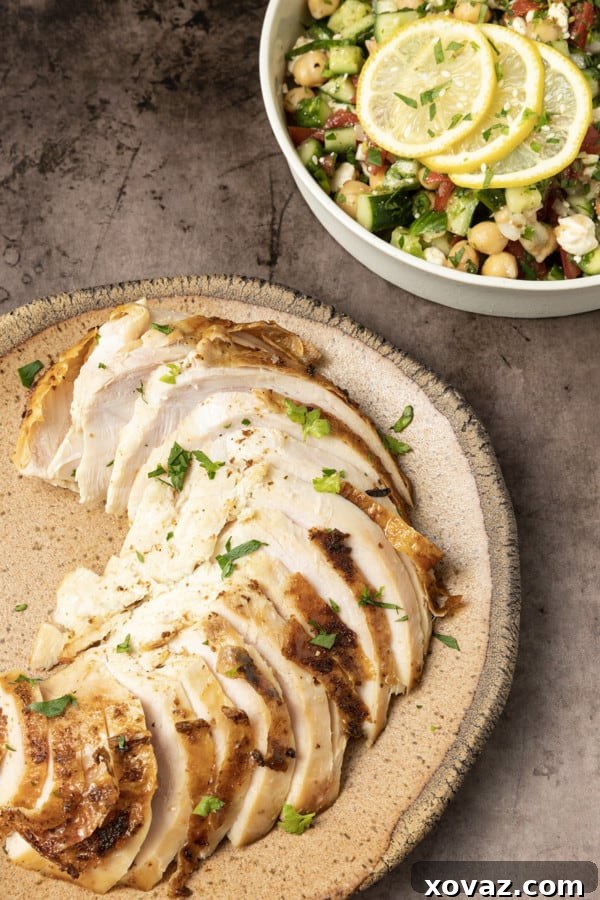
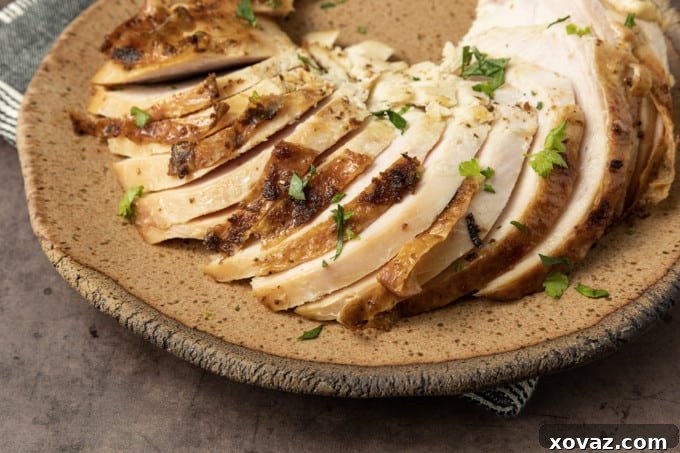
After your smoked turkey has rested adequately, it’s time to carve and serve. The resting period is essential, as it allows the muscle fibers to relax and reabsorb the juices that have migrated to the center of the bird during cooking. This results in incredibly tender, moist slices of turkey. Carve against the grain for the most tender bites, starting with the breast meat and then separating the dark meat sections.
Reheating Smoked Turkey: Keep it Juicy!
One of the many advantages of a smoked turkey is how well it reheats without drying out, making it an excellent choice for meal planning and leftovers. If you’re cooking ahead of time, simply follow these steps:
To reheat a whole smoked turkey that has not been frozen:
- Preheat your oven to 375°F (190°C).
- Place the turkey on a rack in a roasting pan.
- Add about a cup of chicken or turkey stock to the bottom of the roasting pan. This creates a moist environment for reheating.
- Tent the turkey loosely with aluminum foil.
- Check the turkey’s internal temperature at 30-minute intervals until it reaches 145°F (63°C). This process will likely take about 10 to 15 minutes per pound, depending on your turkey’s size and starting temperature.
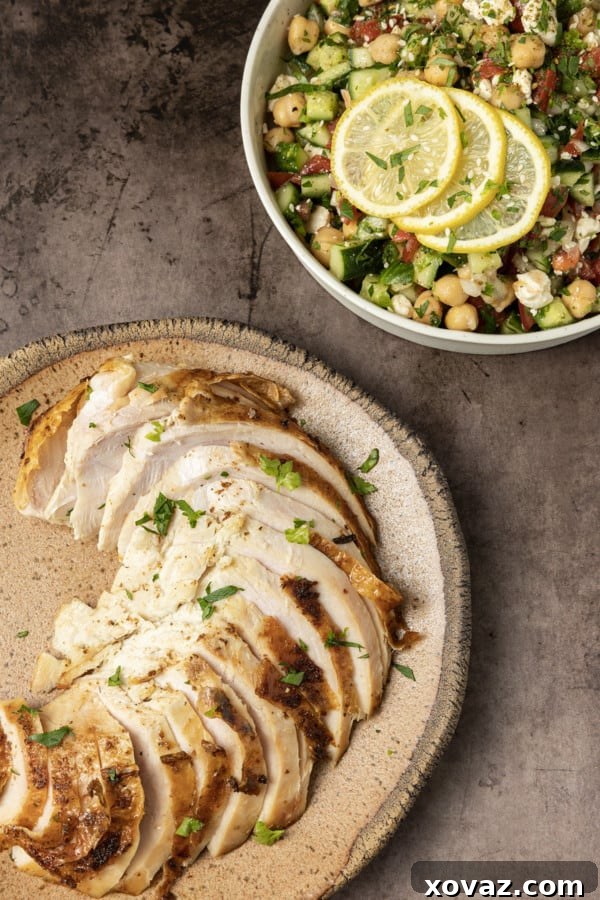
The skin of a reheated smoked turkey won’t be as crisp as it is fresh out of the smoker. However, you can achieve some crispiness by carefully placing the turkey under the broiler for a couple of minutes. This requires constant vigilance – do NOT walk away or get distracted, as a broiler can burn a turkey very quickly!
Beyond the Feast: Delicious Smoked Turkey Leftovers
While a fresh-from-the-smoker turkey is undeniably amazing, the magic of smoked turkey truly shines in its leftovers. I judge all turkeys by the performance of their leftovers, and this one is an exceptional choice! Imagine delectable smoked turkey sandwiches, piled high with your favorite fixings – pure heaven!
But don’t stop there. Smoked turkey can elevate everyday meals into culinary adventures. It’s out of this world in a Trashed Up Barbecue Turkey Pizza, adding a depth of flavor that ordinary chicken or ground meat can’t match. And whatever you do, remember to save those turkey bones! They are the foundation for an incredible, deeply flavored turkey pho or a rich stock that can be used for soups, stews, and gravies throughout the winter months. Smoked turkey leftovers truly offer endless possibilities for delicious meals.
Perfect Pairings: Side Dishes and Drinks
To complete your smoked turkey feast, you’ll want side dishes that complement its rich flavor without overpowering it. Our Twice Baked Mashed Potatoes are a phenomenal choice, offering a creamy, savory counterpoint to the smoky bird. And after expending all that culinary energy on your main dish and sides, you’ll appreciate a cocktail that’s both easy to prepare and delivers big on flavor. Our Bourbon Apple Cider perfectly fits the bill, offering a warm and inviting beverage that’s sure to impress.
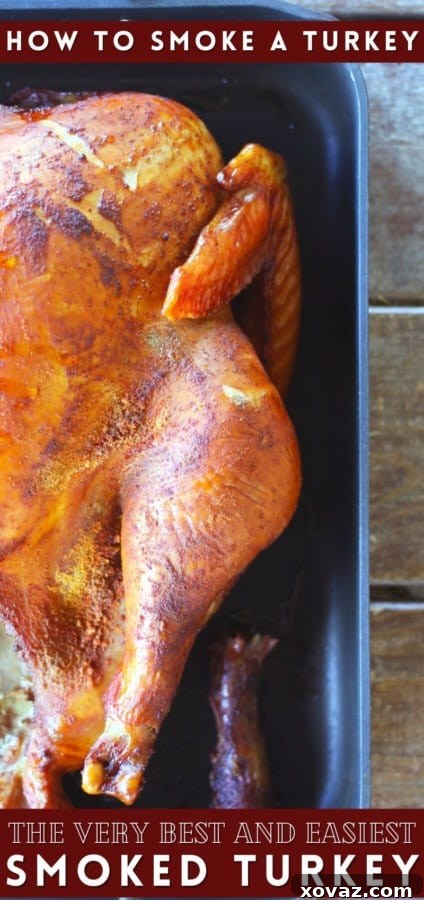
We hope this guide inspires you to try smoking your own turkey. It’s an incredibly rewarding experience that yields unparalleled results. Happy smoking, and enjoy your sensational Thanksgiving feast!
Did you make this recipe? Make sure to tag @foodiewithfam on Instagram and #hashtag it #foodiewithfamily so I can check it out!