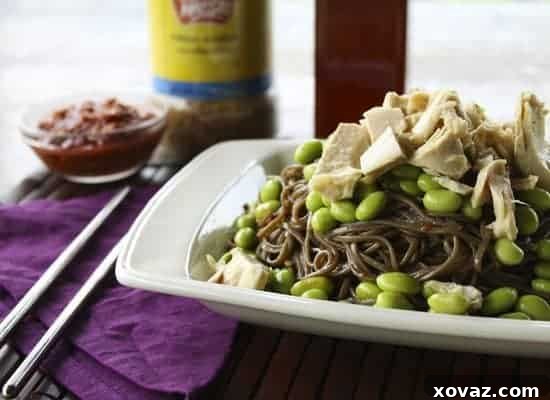
Discovering Delicious: The Art of the Cold Tuna and Edamame Soba Salad
Life gets busy, and sometimes, grocery shopping takes a backseat. It’s been a while, perhaps a month and a half, since my last comprehensive grocery run. This unexpected hiatus from routine shopping has sparked a delightful journey into culinary improvisation, leading to some truly wonderful “happy accidents” in the kitchen. This vibrant Cold Tuna and Edamame Soba Salad is one such serendipitous creation, born from a moment of delightful confusion and a well-stocked pantry.
My culinary adventure began with a simple intention: a classic tuna casserole. Reaching into the freezer, I grabbed what I believed to be a bag of peas, intending to thaw them for my beloved, creamy comfort dish. The next day, upon opening the bag, I was met with a blank stare, pondering who could have possibly swapped my peas for edamame. A true “derp” moment, as one might say.
Upon realizing my mistake, the thought of incorporating edamame into my sacred tuna casserole felt, well, blasphemous. I am, to put it mildly, a staunch tuna noodle casserole purist. For me, the perfect tuna casserole adheres to a strict doctrine: a velvety white sauce, tender onions, quality tuna, the unmistakable sweetness of peas, perfectly cooked egg noodles, all crowned with a golden, crispy, buttery crumb topping. No more, no less. Edamame, while delicious, simply didn’t fit this hallowed culinary scripture.
And so, with my tuna casserole plans derailed, a new path emerged: “Plan Nebulous.” This isn’t a rigid recipe or a structured meal plan; it’s a wonderfully liberating approach to cooking that starts with a loose category of desired flavors. For this particular occasion, my mind drifted towards Asian-inspired tastes. I began to survey my pantry and freezer for ingredients that might fit this profile, assembling a collection of culinary treasures: soba noodles, the zesty kick of chile garlic sauce, savory fish sauce, classic soy sauce, aromatic toasted sesame oil, piquant pickled ginger, crispy fried garlic bits, and a beautiful can of albacore tuna. This eclectic mix covered all the essential components for a satisfying main dish: a foundational starch, a vibrant vegetable, a lean protein, and delightful textural “goodies” to elevate the experience. Simplicity is key with Plan Nebulous; no need to overcomplicate things when the goal is a delicious, fuss-free dinner.
Crafting Flavor: The Art of Assembling Your Soba Salad
With my ingredients gathered, the next step in “Plan Nebulous” involves contemplating the best methods for cooking and combining them. The edamame, already thawed, only needed a quick warm-up. This presented a brilliant opportunity: they could be cooked simultaneously with the soba noodles in the boiling water. Whomp! Two birds, one stone. This efficiency is the heart of resourceful cooking. Meanwhile, the sauce ingredients—sesame oil, chile garlic sauce, soy sauce, and a splash of fish sauce—were swiftly whisked together, creating a harmonious and gently spicy dressing that would beautifully complement the noodles.
Once the noodles and edamame were perfectly cooked and cooled, they were tossed with the vibrant sauce. Piled high on a plate, then generously topped with the succulent flaked albacore tuna and crunchy fried garlic, dinner was served almost instantaneously. This entire process is so swift, you’d have your meal ready faster than you could even dial for takeout.
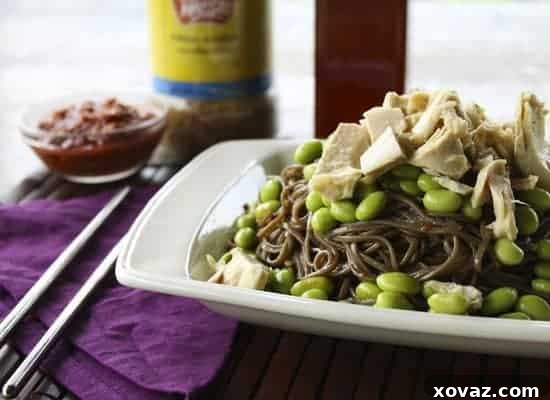
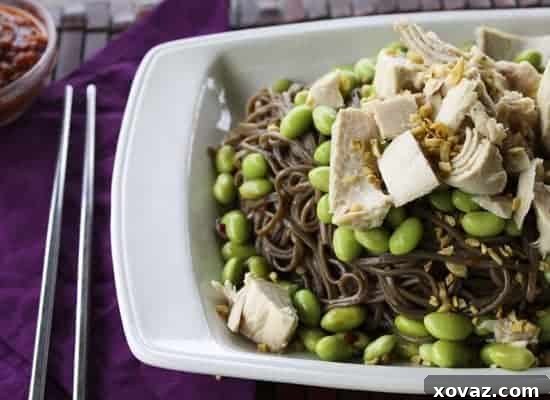
The resulting dish is a true revelation: lovely cold soba noodles, lightly coated in a subtly spicy sesame dressing, adorned with tender edamame and flakes of premium albacore tuna, and garnished with irresistible fried garlic. To elevate this treat further, serve it with extra chile garlic sauce, a drizzle of toasted sesame oil, more fried garlic bits for added crunch, and a small bowl of tangy pickled ginger on the side. This combination creates an unforgettable sensory experience, proving that simple ingredients, thoughtfully combined, can yield extraordinary results. It’s not just a meal; it’s a serious treat that comes together in under 10 minutes, making it an ideal, heat-beating main dish for warm evenings.
The Secret to Perfect Soba Noodles: Avoiding the Mushy Mistake
Let me share a little secret about soba noodles that can transform your cooking. Soba, while delicious, can be notoriously tricky to prepare. Many home cooks find themselves with a disappointing plate of mushy, clumpy, or gummy noodles. This common pitfall stems from a widespread deception: the package instructions.
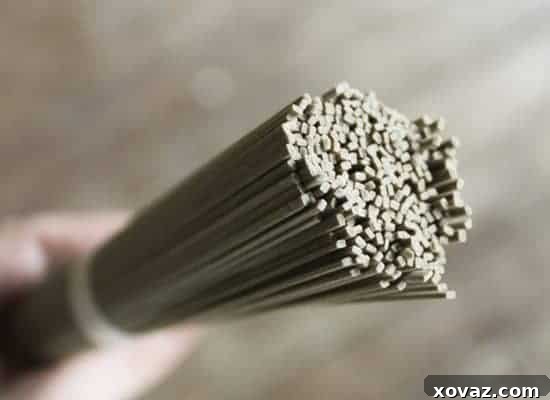
Yes, the package is, quite frankly, lying to us. It often suggests boiling for a specific duration, say, “6 minutes, stirring occasionally.” If you follow this advice, you’ll likely end up with a giant wad of starchy, unappetizing glue. That is far from the delicate, firm texture we crave. Here’s how you can truly achieve perfect soba noodles every single time, whether you plan to serve them hot or cold:
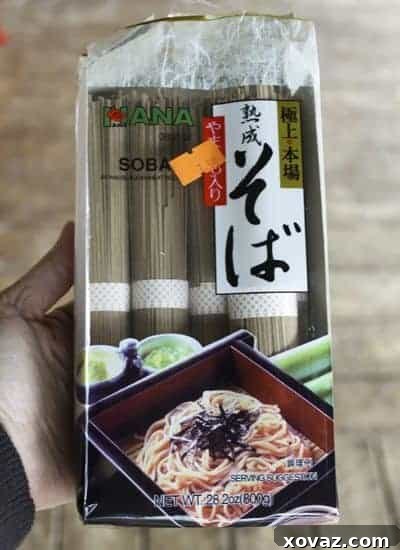
- Boil for Less: Start by boiling the noodles for two minutes less than the time specified on the back of the package. This is a crucial starting point. After this reduced cooking time, immediately test a noodle. It should still possess a slight “body” or resistance when bitten – a delightful al dente texture. It should not be crunchy, indicating it’s undercooked, nor should it disintegrate, signaling overcooking. For my preferred brand, two minutes under the suggested time yields perfect results. I encourage you to experiment slightly with your specific brand of soba to discover your ideal cooking duration.
- Rinse Immediately and Thoroughly: This step is arguably the most important. As soon as the noodles are cooked to your liking, drain them instantly and rinse them very well with cold water. The objective here is to halt the cooking process as rapidly and completely as possible. The starch on the noodles will continue to cook them if not removed, leading to a gummy texture. To “rinse well” means actively lifting and separating the noodles with your hands under the running cold water, ensuring that every single strand is thoroughly rinsed and chilled. This action prevents them from clumping together and maintains their distinct, pleasant texture.
- Chilling for Cold Dishes: If you’re preparing a cold soba dish, like our Tuna and Edamame Soba Salad, toss the rinsed and drained noodles with your dressing or sauce immediately. Then, cover them and let them chill in the refrigerator for at least 30 minutes before serving. This allows the flavors to meld beautifully.
- Reheating for Hot Dishes: If your intention is to serve the soba hot (perhaps in a broth), simply reheat the prepared noodles by dropping them into boiling water for just a moment, until they are heated through. Then, toss them with your desired dressing or sauce, or add them directly to your soup bowl, and serve without delay.
By following these simple yet critical steps, you’ll elevate your soba noodle game, ensuring a consistently delightful texture that forms the perfect base for any dish.
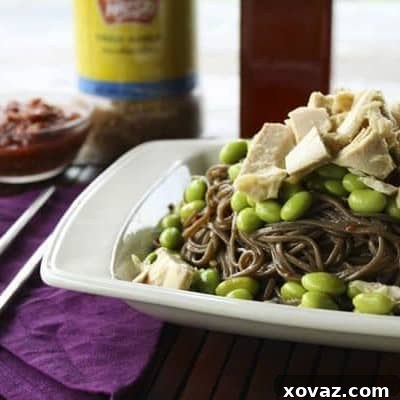
Cold Tuna and Edamame Soba | Frugal & Flavorful
Rate Recipe
Recipe by Rebecca Lindamood
Pin Recipe
Ingredients
- 2 portions dry soba buckwheat noodles
- 1 pound frozen shelled edamame thawed
- 3 tablespoons toasted sesame oil
- 1 1/2 tablespoons chile garlic sauce
- 1 tablespoon soy sauce
- a splash fish sauce about 1/2 teaspoon, adjust to taste
- 1 can albacore tuna drained
Optional for serving:
- fried garlic bits *see notes below
- pickled ginger
- additional chile garlic sauce
Instructions
To Cook the Noodles and Edamame:
-
Bring a gallon of water to a rolling boil in a large pot over high heat.
-
Add 2 teaspoons of salt and the thawed edamame to the boiling water.
-
Boil the edamame for one minute before adding the soba noodles to the pot.
-
Stir frequently to prevent sticking, and boil the soba for approximately 2 minutes less than the time specified on its package.
-
Test a noodle for doneness. It should be cooked through but still have a slight “body” or chew. Immediately drain the noodles and edamame if they are ready.
-
Crucially, immediately rinse the noodles and edamame thoroughly with cold water to stop the cooking process and remove excess starch. The edamame will typically settle at the bottom of the colander.
-
Allow the noodles to drain completely while you prepare the dressing.
To Make the Sauce and Dress the Noodles:
-
In a large mixing bowl, combine the toasted sesame oil, chile garlic sauce, soy sauce, and fish sauce. Whisk until the mixture is smooth and well-combined.
-
Using your hands or tongs, lift the drained soba noodles into the mixing bowl, leaving most of the edamame in the colander for later.
-
Toss the noodles gently yet thoroughly with the sauce, ensuring every strand is evenly coated.
-
Transfer the dressed noodles to your serving platter or individual bowls.
-
Cover the noodles and chill in the refrigerator for at least 30 minutes to allow the flavors to develop and for the dish to cool completely.
To Serve:
-
Evenly scatter the reserved edamame over the chilled noodles, followed by the drained, flaked tuna.
-
Serve immediately with optional bowls of fried garlic, pickled ginger, and additional chile sauce, allowing guests to customize their meal.
Notes
Nutritional information provided is an estimate only and should not be considered a substitute for professional dietary advice. Please calculate the nutritional information with the actual ingredients used in your recipe using your preferred nutrition calculator.
Did you make this refreshing cold soba salad?
We’d love to see your culinary creations! Make sure to tag @foodiewithfam on Instagram and use the hashtag #foodiewithfamily so we can admire your delicious dish!
Pin Recipe
Share on Facebook