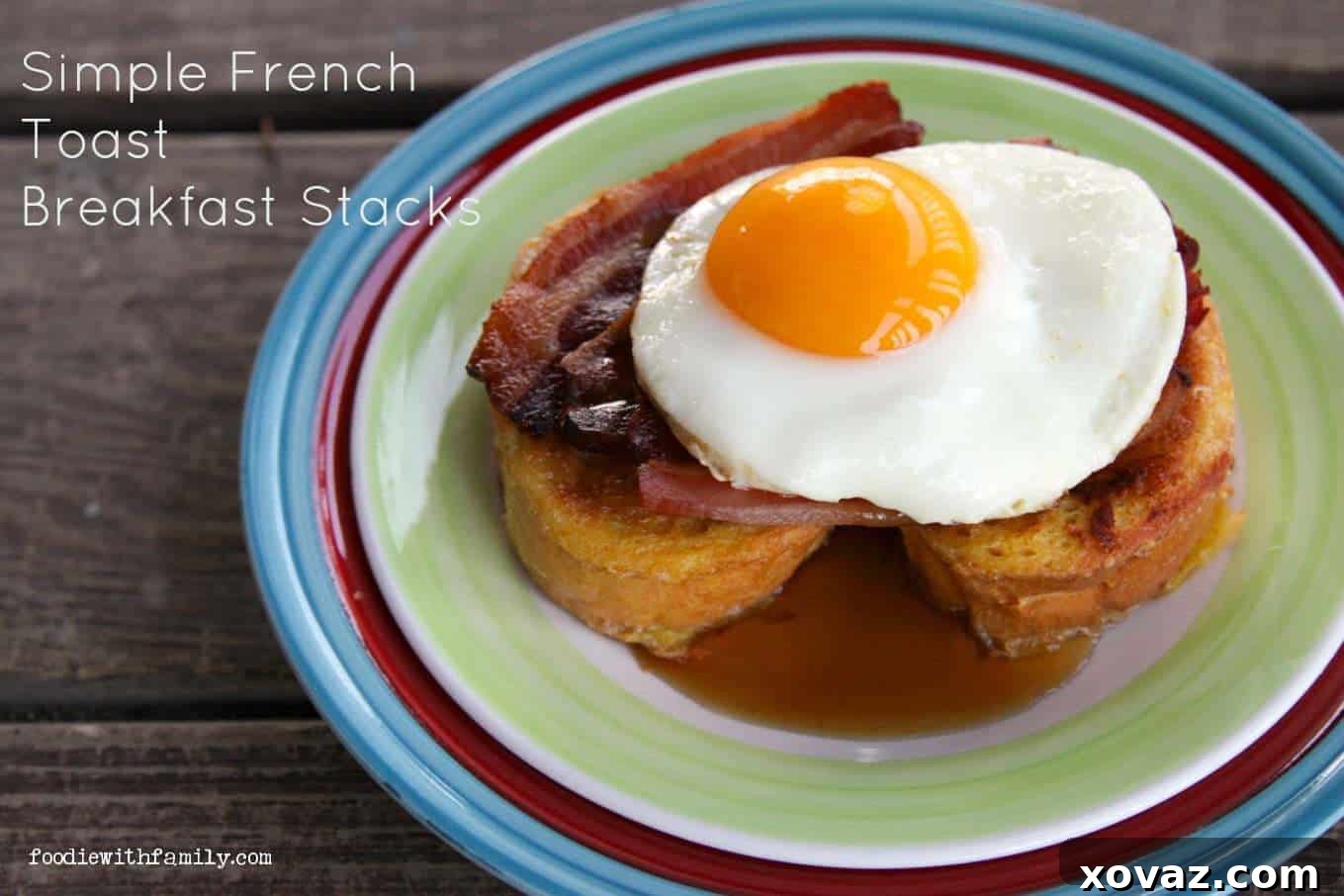
In the vast landscape of breakfast foods, few dishes evoke as much warmth and comfort as French Toast. While many might be tempted to embellish this classic with an array of exotic ingredients, there’s an unparalleled magic in mastering the art of a truly Simple French Toast. It’s a culinary paradox where less truly is more, allowing the fundamental elements of bread, eggs, and milk to shine in perfect harmony. This guide isn’t just about a recipe; it’s about appreciating the magnificent simplicity, achieving that ideal balance of crisp, golden edges and a luxuriously custardy center that often gets lost in over-complication.
The quest for the perfect slice isn’t rocket science, but it does demand a nuanced understanding of how these humble ingredients interact. It’s about recognizing the subtle science behind bread’s absorption, the eggs’ transformative power, and milk’s creamy contribution when bathed in a rich custard and gently caressed by melted butter on a hot griddle. As a dedicated food enthusiast, I admit I hold some strong, perhaps even opinionated, beliefs on what constitutes the ultimate Simple French Toast. And naturally, I’m eager to share those insights with you, ensuring your next breakfast transcends the ordinary.
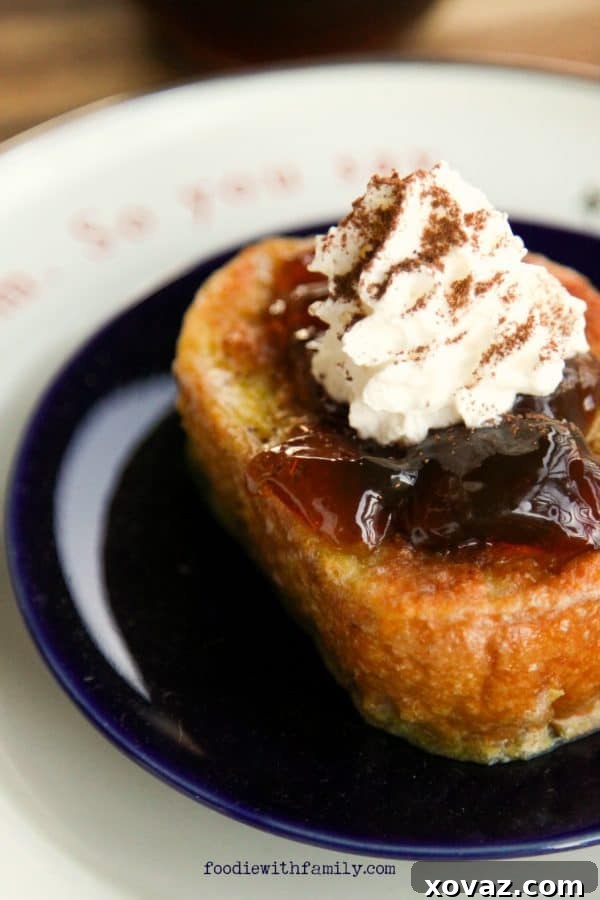
Mastering the Art of Perfect Simple French Toast: Three Golden Rules
Achieving French Toast perfection isn’t about secret ingredients or intricate techniques; it’s about respecting the basics and understanding the foundational principles. These three rules are your roadmap to consistently delicious, deeply satisfying homemade French Toast that will impress even the most discerning palates.
-
The Foundation: Thick, Stale Bread for Superior Absorption
The type and condition of your bread are paramount to an exceptional French Toast recipe. While fresh bread might seem intuitive, stale bread is the undisputed champion for one crucial reason: absorption. Fresh bread, already laden with its own moisture, struggles to fully drink in the delectable egg custard. Stale bread, however, acts like a sponge, eagerly soaking up the rich mixture right to its core. This ensures that every bite of your finished French Toast is uniformly custardy and flavorful, eliminating the disappointment of an outer layer of delightful French Toast surrounding a dry, plain bread center. Opt for a sturdy bread like challah, brioche, or a good quality French baguette that is at least 3 to 5 days old, and cut into generous 1 to 1.5-inch thick slices. This thickness is vital, as it provides enough structural integrity to hold the custard without falling apart, and offers a substantial canvas for that perfect internal texture.
-
The Soak: Patience for Unrivaled Custardy Goodness
Once you have your ideal stale bread, the next non-negotiable step is allowing it ample time to soak in the custard mixture. This isn’t a quick dip; it’s a leisurely bath. It’s imperative that your bread soaks for at least 5 minutes per side, totaling 10 minutes. For truly unparalleled moistness and flavor that penetrates throughout the entire slice, aim for closer to 7 to 7.5 minutes per side, bringing your total soaking time to a luxurious 15 minutes. This extended period allows the egg and milk mixture to fully permeate the bread, transforming it from a simple slice into a rich, custard-infused delight. Rushing this step will result in a French Toast that is merely coated, rather than infused, leading to a less satisfying texture and uneven cooking.
-
The Cook: Low and Slow in Abundant Butter for Golden Perfection
The final pillar of perfect French Toast lies in its cooking method. This is where many home cooks falter, often succumbing to the temptation of high heat. Resist! Your French Toast must be cooked slowly, patiently, and in a generous amount of butter over low heat. The low temperature is critical for several reasons: it prevents the butter from scorching, allowing it to impart a beautiful golden color and a nutty, rich flavor without burning. More importantly, it provides the necessary time for the egg custard in the thick center of each slice to cook through thoroughly without charring the exterior. This slow cooking process may take up to 7 minutes per side, but your patience will be profoundly rewarded. The result will be an exquisite piece of French Toast – golden brown and slightly crisp on the outside, and incredibly tender and custardy on the inside. This is the hallmark of truly exceptional homemade French Toast.
Elevating Your Simple French Toast Experience: Beyond the Basics
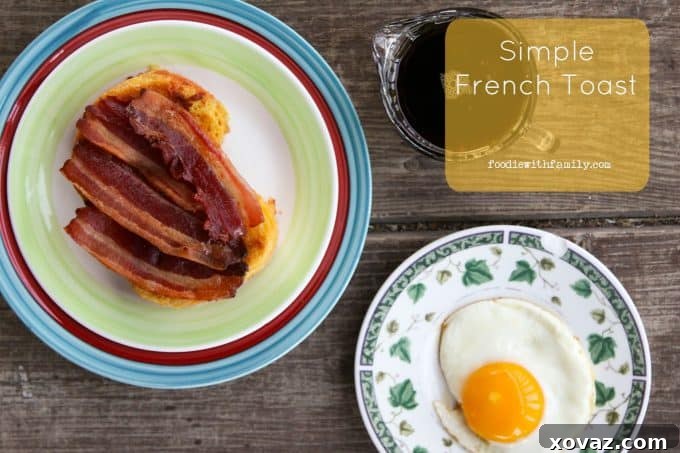
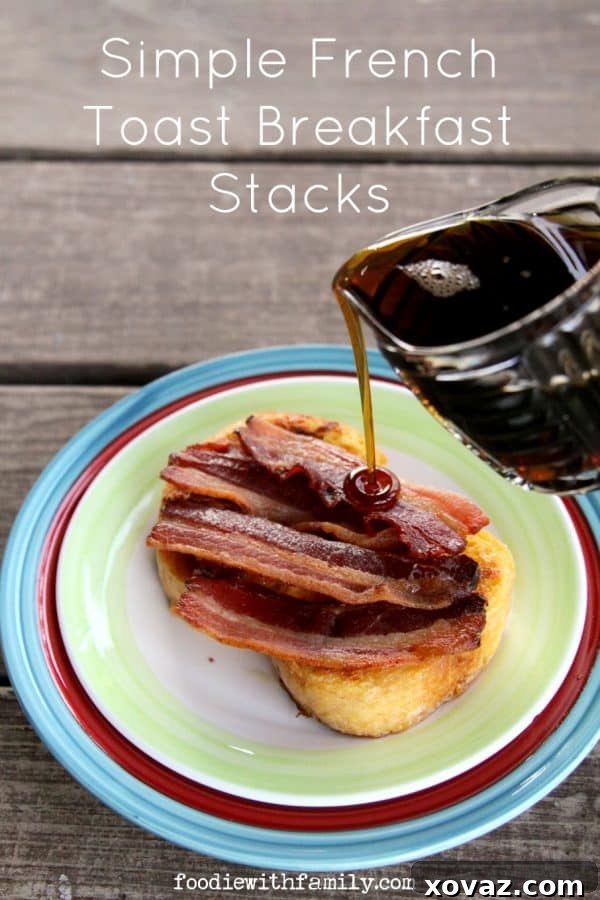
While a perfectly cooked slice of Simple French Toast is a magnificent treat on its own, its inherent versatility makes it an ideal canvas for culinary creativity. It’s superb when enjoyed just as it is, perhaps with a dusting of powdered sugar. However, if you’re looking to truly elevate your breakfast game or create a showstopping brunch presentation, consider building a decadent stack. Imagine thick-cut, crisped bacon layered alongside your golden French Toast, drizzled generously with pure maple syrup, and crowned with a perfectly fried egg where the yolk is still wonderfully runny. This combination transcends a mere meal; it’s an experience – a truly “weepy-good,” utterly satisfying moment that might just inspire declarations of undying love for your morning plate.

Expert Cook’s Notes for Flawless French Toast
- Embrace Patience: As emphasized in our three golden rules, both the soaking and cooking processes demand patience. Do not be tempted to rush either step. A hurried soak leads to dry centers, and quick cooking results in burnt outsides and raw insides. Allow the time specified to achieve the desired custardy texture and golden-brown perfection.
- Sweetener Choice: Maple vs. Brown Sugar: I am utterly smitten with maple sugar in this dish, as it imparts a subtle, nuanced sweetness and a wonderful maple essence. However, I understand it can be challenging to find outside of maple-producing regions. If maple sugar isn’t readily available, fear not! An equal amount of light brown sugar makes an excellent substitute, contributing a rich, caramel-like sweetness that is equally delicious.
- The Fat Factor: Whole Milk and Butter are Non-Negotiable: This is a crucial note for the integrity of this French Toast recipe. Please, do not substitute skim milk, low-fat milk, or vegetable oil for the specified whole milk and butter. This is not the time to skimp on fat or calories. The fat content in whole milk contributes to the custard’s richness and helps create that desirable silky, tender texture. Butter is absolutely critical for flavor, aiding in achieving that beautiful golden crust, and providing a luscious mouthfeel. These ingredients are fundamental to the overall end product we are aiming for – a rich, satisfying, and utterly delicious French Toast. If you absolutely must avoid dairy butter, extra virgin coconut oil is the next best alternative, offering a pleasant flavor and similar fat content for browning.
- Prepping Ahead: To make busy mornings easier, you can whisk together the egg custard mixture the night before and store it covered in the refrigerator. When you’re ready to cook, simply bring it out, give it a quick whisk, and proceed with soaking your stale bread.
- Troubleshooting Soggy French Toast: If your French Toast turns out soggy, it’s usually due to two reasons: either the bread wasn’t stale enough, or it wasn’t cooked long enough at a low temperature. Ensure your bread is genuinely stale, and trust the slow cooking process to evaporate excess moisture and cook the custard through.

Simple French Toast
Rate Recipe
Rebecca Lindamood
Pin Recipe
Share on Facebook
Ingredients
- 12 slices of slightly stale French bread 1 1/2 inch thick, 3 to 5 days old, preferably
- 8 large eggs
- 1/2 cup whole milk
- 1/4 cup maple sugar or light brown sugar
- 1/2 teaspoon kosher salt
- 6 tablespoons of butter divided
Optional but tasty:
- freshly cooked bacon
- maple syrup
- freshly fried egg
Instructions
-
Prepare the Custard: In a 9-inch by 13-inch baking pan (or a shallow dish large enough to hold your bread slices), combine the 8 large eggs, 1/2 cup whole milk, 1/4 cup maple sugar (or light brown sugar), and 1/2 teaspoon kosher salt. Using a whisk, beat the mixture thoroughly until all ingredients are well combined and the color is uniform, with no streaks of egg white remaining. This ensures a consistent flavor and texture in your French Toast.
-
Soak the Bread: Lay the slices of slightly stale, thick-cut French bread directly into the prepared custard mixture. Allow them to soak for at least 5 minutes on the first side. After 5 minutes, gently flip each slice over to the second side and allow them to soak for another 5 minutes. Ideally, for maximum custardy results, aim for 7 to 7.5 minutes per side, for a total of 14-15 minutes. By the end of this soaking time, most of the egg mixture should have been absorbed, and both sides of the bread should appear quite wet and fully saturated.
-
Cook Slowly to Perfection: Melt 3 tablespoons of the butter in a heavy 12-inch skillet (a cast-iron skillet works wonderfully) over medium-low heat. Once the butter is fully melted and shimmering, carefully arrange the soaked bread slices in the pan. Avoid overcrowding the pan; if necessary, cook in batches. The pieces should not touch, allowing for even browning. Let the Simple French Toast fry slowly for approximately 5 to 7 minutes on the first side. Monitor closely and lower the heat if the edges begin to brown too quickly. The bottom should turn a rich golden brown and feel dry to the touch, indicating the custard is cooking through.
-
Finish Cooking: Add the remaining 3 tablespoons of butter to the pan, allowing it to melt around the French Toast slices. Once melted, carefully flip each piece to fry the second side. Continue cooking slowly for another 5 to 7 minutes, or until the second side is also golden brown and cooked through. Remove the finished French Toast pieces to a serving plate.
-
Serve Immediately: Serve your perfect Simple French Toast immediately to enjoy it warm and fresh. Alternatively, you can keep cooked pieces warm for up to 30 minutes in a warm oven (around 200°F / 95°C) set directly on a wire rack to prevent sogginess. Enjoy plain, or topped with crispy bacon, a drizzle of maple syrup, and a freshly fried egg for a hearty and complete breakfast stack.
Nutritional information is an estimate and provided to you as a courtesy. You should calculate the nutritional information with the actual ingredients used in your recipe using your preferred nutrition calculator.
Did you make this recipe?
There’s nothing more rewarding than seeing your culinary creations! If you’ve enjoyed making this Simple French Toast, please share your masterpiece with us! Make sure to tag @foodiewithfam on Instagram and #hashtag it #foodiewithfamily so I can check it out and celebrate your success!
Pin Recipe
Share on Facebook
This article is a part of my commitment to post every single day in November for NaBloPoMo (National Blog Posting Month). Follow the craziness all month as I share recipes, family anecdotes, and throw a couple of giveaways in for good measure!