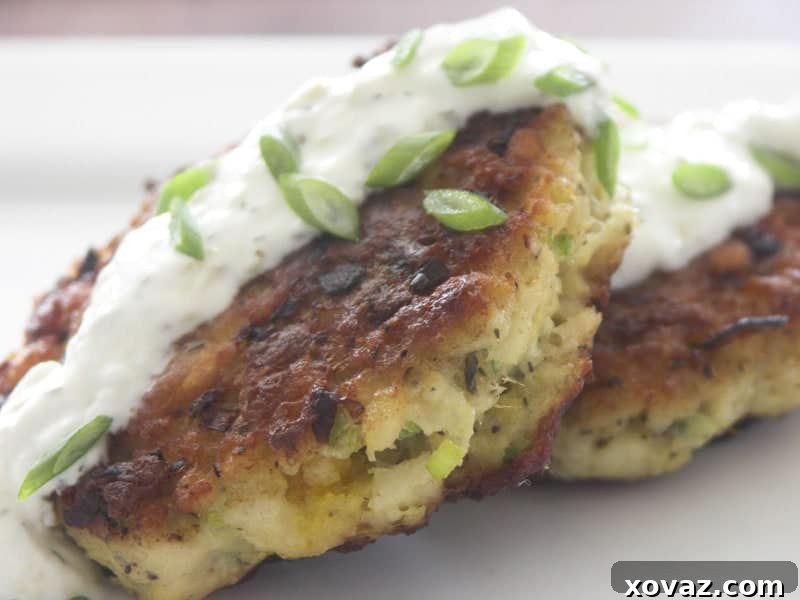
The mere mention of “fish cakes” often elicits a bewildered glance, perhaps even a recoil. As one friend bluntly put it, “Ew. Fish cakes? That just sounds so wrong.” It’s true, the words “fish” and “cake” aren’t typically paired in the culinary lexicon. Yet, we readily embrace the deliciousness of crab cakes, so why should their finned counterparts suffer from a poor reputation? We’re talking about golden, perfectly crisp patties, brimming with succulent fish, finely diced aromatics, and fragrant herbs, all crowned with a dollop of creamy, tangy tartar sauce. This isn’t just a dish; it’s a culinary experience waiting to defy expectations.
The skepticism, however, quickly dissipated with a simple rebrand. “How about New England Fish Cakes?” I suggested. A magical transformation occurred. “Oh yeah!” she exclaimed, “That sounds wonderful!” The power of a name, indeed. Attaching “New England” to any fish-related dish instantly evokes comforting images: a rugged coastline, the crisp salty air, and the hardworking hands of fishermen bringing in their day’s bounty. It conjures a sense of tradition, quality, and wholesome, hearty fare that transforms a potentially pedestrian dish into something truly special and inviting. These aren’t just fish cakes; they are a taste of coastal heritage, a culinary nod to the rich fishing traditions of the Northeast.
~~~ ~~~ ~~~
Embracing the Irresistible Appeal of New England Style Fish Cakes
My friend’s initial apprehension notwithstanding, I am unequivocally smitten with these New England Style Fish Cakes. They possess that coveted, deeply satisfying crunch – a testament to a proper pan-fry in a hot skillet with sizzling oil. Beneath their beautifully browned exterior lies a tender, moist interior, delicately flecked with vibrant bits of scallion, fresh parsley, crisp celery, and a medley of other thoughtfully selected herbs and spices. This isn’t just fish; it’s a symphony of flavors and textures, perfectly balanced and utterly delicious. The internal texture is everything fresh fish should be: flaky, light, and bursting with natural savory goodness.
Despite fish’s undeniable health benefits and versatile nature, it’s not universally adored. Many harbor a preconceived notion about its taste or smell, often due to poorly prepared experiences. It’s a culinary hurdle I relish overcoming. My confidence in this particular recipe is so profound that I once served it to a friend who proudly declared herself a lifelong fish-hater. With a little gentle persuasion, she took a hesitant bite. Then another. Before I knew it, her plate was clean, and she was asking for a second helping! The following week, she recreated the dish for her family, and it has since become a regular fixture in her kitchen. To this day, she still maintains she dislikes fish, yet enthusiastically devours these “New England fish cakes.” It’s a testament to how truly exceptional and universally appealing this homemade fish cakes recipe is.
A Healthy Choice: The Nutritional Benefits of Fish
Beyond their incredible taste, fish cakes made with fresh, quality fish are a fantastic addition to a healthy diet. Fish, particularly the white-fleshed varieties used in this recipe, is a powerhouse of essential nutrients. According to the American Heart Association, “Fish is a good source of protein and, unlike fatty meat products, it’s not high in saturated fat. Fish is also a good source of omega-3 fatty acids. Omega-3 fatty acids benefit the heart of healthy people, and those at high risk of – or who have – cardiovascular disease.”
This isn’t just generic advice; the research is compelling. Omega-3 fatty acids are known to decrease the risk of arrhythmias (abnormal heartbeats), which can sometimes lead to sudden death. They also play a crucial role in lowering triglyceride levels, slowing the growth rate of atherosclerotic plaque, and can even contribute to slightly lower blood pressure. Opting for a delicious meal like these crispy fish cakes is a flavorful way to support your cardiovascular health and boost your overall well-being. For more comprehensive details on the profound health benefits of incorporating fish into your diet, we encourage you to visit the American Heart Association’s dedicated page on fish.
For your convenience, a printer-friendly, photo-free version of this classic New England fish cakes recipe can be accessed by clicking here!
Mastering the Perfect New England Style Fish Cakes
Crafting these delectable fish cakes is an art, but one that is easily mastered with a few key techniques. The secret lies in fresh ingredients, precise preparation, and a loving touch. Here’s how to bring the authentic flavors of New England to your table.
Ingredients:
- 2 pounds firm-fleshed, boneless, and skinless white fish fillets (such as cod, blue hake, or haddock are ideal for their mild flavor and flakey texture)
- 2 cups of freshly made, medium-fine breadcrumbs (approximately 6 slices of day-old bread, processed)
- 3 medium stalks of celery, finely diced
- 1 bunch scallions, thinly sliced then chopped again until finely minced
- 1/4 cup fresh parsley, chopped
- 3 large eggs (acting as a binder and contributing to the texture)
- 1 Tablespoon dried basil (for an aromatic, complementary flavor)
- 1 ½ teaspoons Old Bay Seasoning or another robust seafood seasoning blend (the iconic flavor profile of coastal cuisine)
- Salt and freshly ground black pepper to taste
- Neutral oil, such as canola, vegetable, or grapeseed, for pan-frying
Instructions:
Begin by laying your pristine fish fillets on a clean cutting board. A word of caution: if you step away, even for a moment, mischievous little hands (or even well-meaning but curious adults) might find creative ways to interact with your ingredients. My own children, for instance, once introduced a Lego David Bowie to my perfectly arranged fish – a rock star moment not typically desired in fish cake preparation!
Once you’ve retrieved any unexpected additions from your cutting board, proceed to roughly cut the fish fillets into two-inch chunks. This initial sizing helps with even processing.
Next, place these fish pieces into the work bowl of a food processor fitted with a steel blade. Now, for a step that might sound a little unconventional: you’re going to puree your fish. I understand this might sound off-putting, but trust the process. The end result is a fish cake texture that is incredibly light and cohesive, far surpassing what you could achieve by simply flaking the fish. Pulse the processor several times until the fish is broken down into a puree that still contains some small, pebble-sized pieces. Avoid over-processing; you want a rustic texture, not a paste. It should look somewhat like coarse ground meat, not completely smooth. This texture is crucial for the lightness of the finished fish cakes, ensuring they are moist and tender without being dense.
Transfer the processed fish into a large mixing bowl. Add the remaining ingredients: the fresh breadcrumbs, finely diced celery, minced scallions, chopped parsley, eggs, dried basil, Old Bay Seasoning, and salt and pepper to taste. Using your hands or a sturdy spatula, mix all the ingredients until they are uniformly combined. Be thorough, but avoid over-mixing, which can lead to tough fish cakes. The goal is just to ensure everything is evenly distributed.
To begin cooking, place a 12-inch nonstick skillet over medium-high heat. Add a thin coating of neutral oil to the pan – approximately one tablespoon should suffice. Swirl the oil around to ensure the entire cooking surface is coated. Allow the oil to heat up until it shimmers slightly, indicating it’s ready for frying.
A crucial tip for perfectly formed fish cakes: avoid pre-forming all your patties and letting them rest on a plate. The mixture can become too soft and the patties tend to lose their structural integrity. Instead, form each fish cake just before it goes into the hot pan. Scoop about ½-cup of the fish mixture and gently, yet rapidly, form it into a thin patty. Remember, a light hand is essential here; don’t squash them mercilessly. The desired light, airy texture of the finished product relies on this gentle touch.
Carefully and quickly place the formed patty into the oiled pan. A 12-inch skillet should comfortably accommodate four patties at a time, allowing for even cooking and proper heat distribution. Once all four patties are in the pan, you can raise the heat slightly to high, ensuring a quick, crispy crust forms. Cook the first side for exactly five minutes. This duration is key to achieving that beautiful, golden-brown crust that signifies perfection.
After five minutes, use a wide spatula, and if needed, an additional rubber spatula for support, to carefully flip each patty. Take caution to control the flip, preventing any hot oil from splattering. The first side should reveal a gorgeous, deep brown, crispy surface – a true mark of culinary success. This initial side, indeed, looks like absolute perfection.
Allow the second side to fry for another five minutes, ensuring both sides are equally golden and the fish cakes are cooked through. Once done, transfer the crispy fish cakes to a plate lined with a paper towel to absorb any excess oil. Repeat this process with the remaining fish mixture, adding a little more oil to the pan as necessary for each subsequent batch. Serve these magnificent homemade fish cakes immediately, either as they are or with a generous helping of the best tartar sauce you can make. They possess enough inherent flavor to shine brilliantly on their own, but a good sauce truly elevates the experience.
The Essential Accompaniment: Tart-er Tartar Sauce
While these New England Style Fish Cakes are incredibly flavorful on their own, pairing them with the right tartar sauce transforms a great meal into an extraordinary one. These magnificent fish cakes deserve nothing less than the best, and for my money, this particular tartar sauce recipe is simply unbeatable.
This isn’t just any tartar sauce; it’s a massively downsized version of a legendary recipe. My partner, affectionately dubbed “The Evil Genius,” perfected this sauce during his time working at a highly popular South Florida restaurant. He recounts making multiple twenty-five gallon batches daily to keep up with the lunch and dinner rush. This provenance guarantees a seriously road-tested, crowd-pleasing, and utterly delicious tartar sauce recipe – one that has been refined through countless servings and discerning palates.
What sets this addictive tartar sauce apart is its incredible depth of flavor. It’s significantly more packed with zesty, tangy, and fresh notes than most standard alternatives. Yes, it’s phenomenal with fish, but its versatility extends far beyond that. Try it as an explosive, flavorful alternative to plain mayonnaise on a hamburger or turkey sandwich. French fries, onion rings, or even roasted vegetables take on an entirely new dimension when dipped into this Tart-er Tartar Sauce. Once you’ve experienced its unique zing, you’ll find yourself planning entire meals around it, just to have an excuse to enjoy its incredible taste.
Tart-er Tartar Sauce Ingredients:
- 1 cup plain Greek yogurt (adds a fantastic tang and creamy texture while lightening the sauce)
- ¼ cup mayonnaise (for richness and classic flavor)
- ¼ cup minced scallions (provides a subtle oniony bite and freshness)
- 2 Tablespoons minced cabbage (adds a delicate crunch and unique texture)
- 1 Tablespoon minced green bell pepper (for a fresh, slightly sweet and crisp element)
- 1 Tablespoon fresh lemon juice (essential for brightness and acidity)
- 2 teaspoons dill pickle relish (for that classic briny, tangy pickle flavor)
- ½ teaspoon dried dill weed (enhances the dill notes and aromatic profile)
- ¼ teaspoon celery seed (a subtle, earthy, and peppery undertone that ties everything together)
Instructions:
In a medium bowl, simply combine all the ingredients. Stir them together thoroughly until well blended. Once mixed, cover the bowl tightly with plastic wrap and refrigerate for at least an hour before serving. This chilling time is crucial, as it allows the flavors to meld and deepen, resulting in a perfectly balanced and incredibly delicious tartar sauce that complements any dish, especially these magnificent New England Style Fish Cakes.