Disclosure: I was provided with this all-inclusive trip to Tuscany by DaVinci Wine. As usual, all opinions and recipes are my own. All photography is mine, unless otherwise noted.
Discovering Tuscany’s Heart: Ribollita, DaVinci Wine, and Unforgettable Journeys
My recent trip to Tuscany as a DaVinci Storyteller was an experience that deeply resonated with me, far beyond the initial flurry of note-taking and photo-snapping. At first, I was consumed with the desire to capture every minute detail—the faces of the people, the echoes of history, the vibrant hues of the landscape, the masterpieces of art, and the intricate flavors of the food. It felt like an impossible task to remember it all.
However, a shift in perspective soon occurred. I realized that to truly understand Tuscany, I needed to set aside my meticulous documentation and simply immerse myself in what the region was offering. While my phone still served for occasional notes and my camera for important moments, my focus sharpened on the bigger picture. This deeper absorption allowed me to witness the pervasive spirit of resilience, the unwavering tenacity, the generous hospitality, and the sheer joy that radiated from every corner of Tuscan life.
Ribollita: The Soulful Tuscan Vegetable Bean Soup
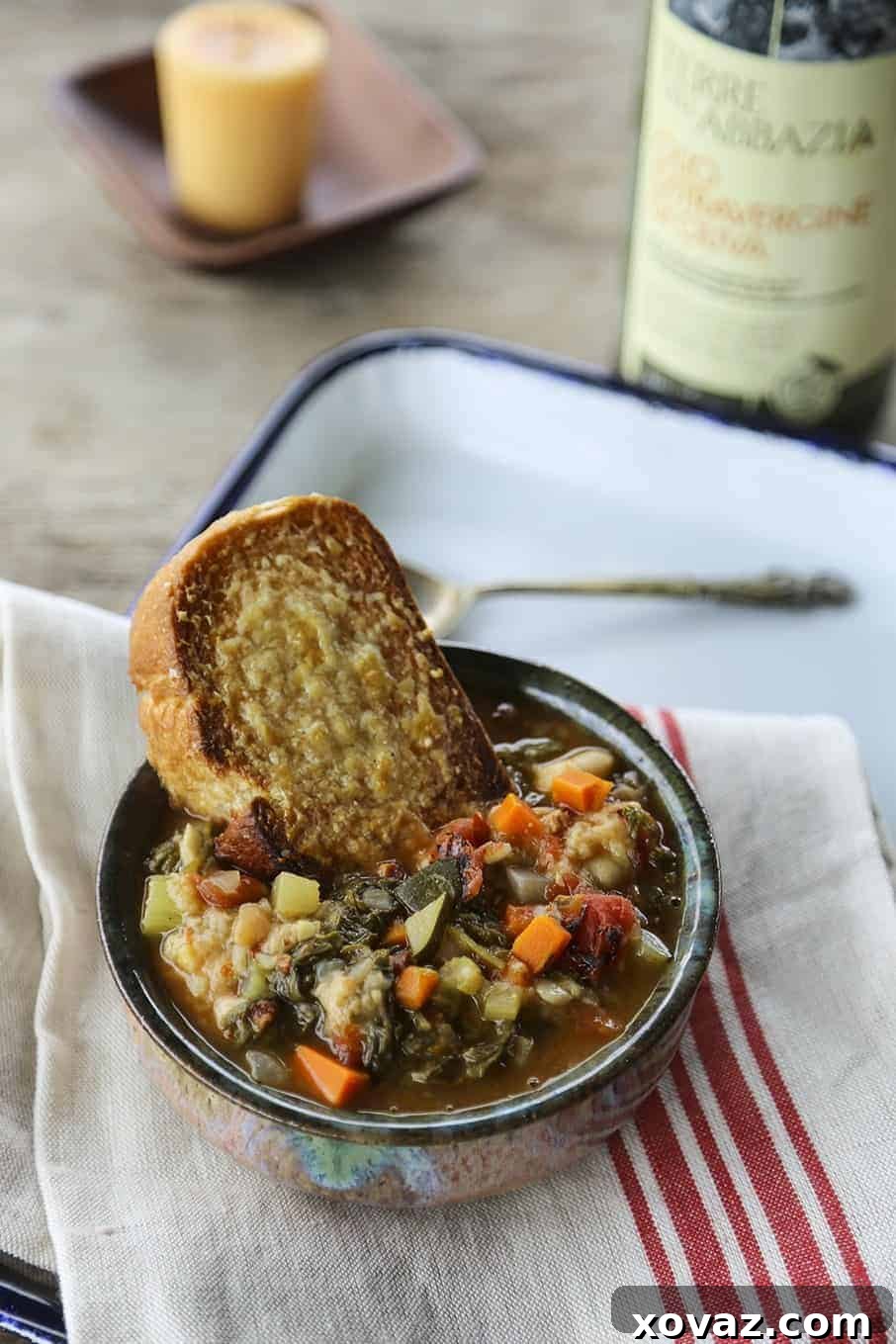
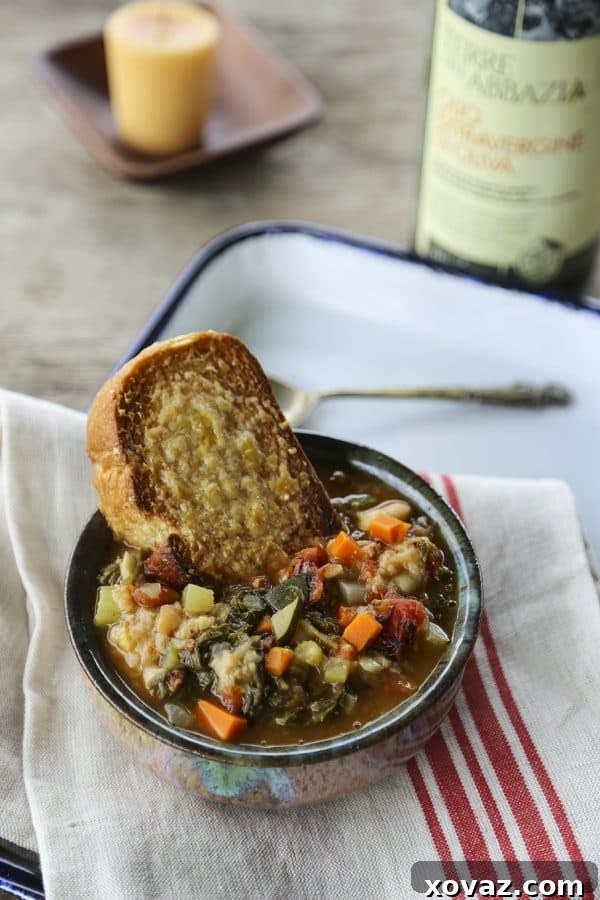
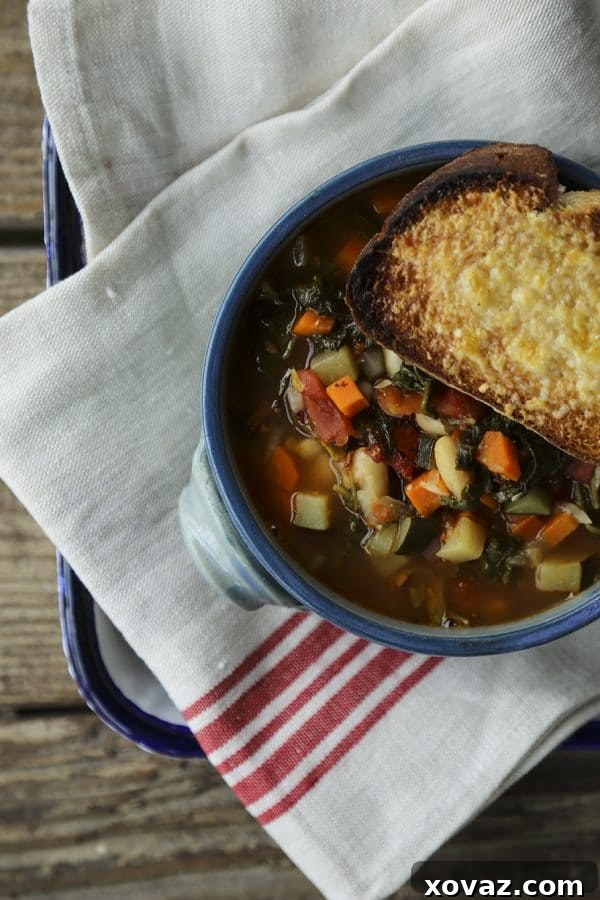
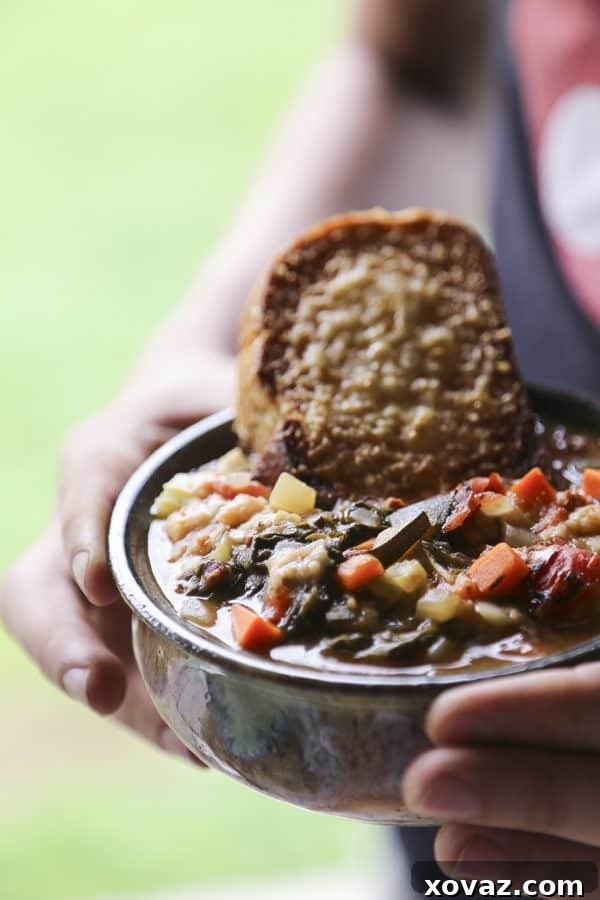
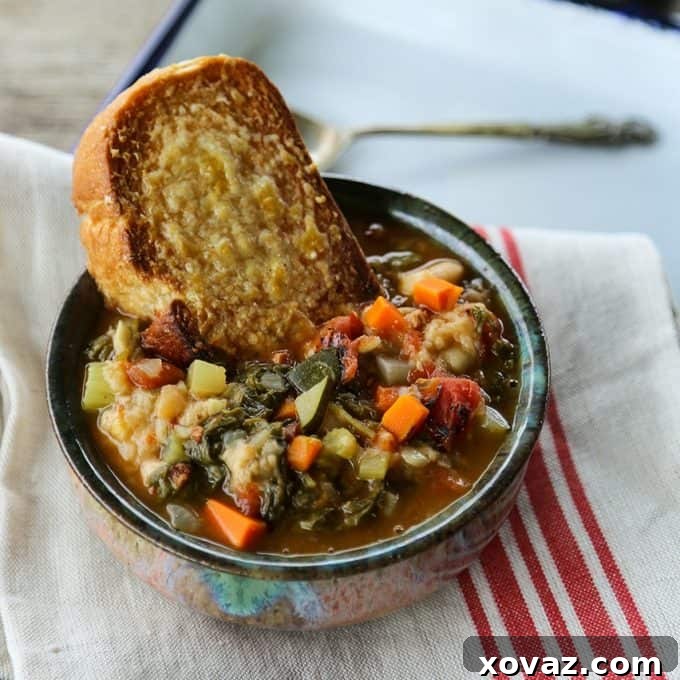
Among the many culinary delights, Ribollita – a traditional Tuscan Vegetable Bean Soup – stood out as a perfect emblem of the Tuscan spirit. This seemingly simple dish tells a profound story of resourcefulness, respect for ingredients, and a deep connection to the land.
Tuscany’s profound respect for its own extensive history seamlessly extends into its vibrant culinary traditions. At the heart of Tuscan cooking is the unwavering commitment to seasonal, locally sourced ingredients that thrive in the region’s fertile soil. Our engaging translator and tour guide, Carolina, proved to be an invaluable source of knowledge, effortlessly weaving together discussions on art history, local agronomics, and economic shifts. What truly set her apart was her ability to connect these diverse subjects, providing a holistic perspective only attainable by someone who has experienced and lived through the varied conditions among her people. It was through her captivating stories that the true essence of dishes like Ribollita unfolded.
The Humble Origins of Ribollita: A Testament to Resilience
Carolina explained that Ribollita, an ancient peasant dish, emerged from periods of necessity and hardship, specifically when not even the smallest scrap of edible food could be wasted. Tuscan bread, originally baked without salt, famously lost its freshness and chewiness rather quickly. Rather than discarding a single crumb of this stale, hardened bread, the ingenious Tuscans developed a brilliant solution. On its first day, the bread would accompany a comforting, hearty soup. The next day, the leftover soup would be “re-boiled”—the very meaning of “Ribollita.” During this process, the stale bread would be torn into pieces and stirred directly into the boiling soup, thickening it into a substantial, nourishing meal specifically designed to sustain the hard-working Tuscan populace. This practice not only prevented waste but transformed humble ingredients into a fortifying staple.
Intriguingly, Carolina noted that due to its modest origins, Ribollita was sometimes overlooked or even dismissed by more “culinarily sophisticated” circles. However, recent economic challenges across Italy have spurred a magnificent culinary renaissance. Talented chefs, in a beautiful nod to history, have revisited these humble, honest, and uncomplicated traditional foods. They have not only embraced Ribollita but have lovingly elevated it to the status of a revered restaurant-worthy dish, celebrating its timeless flavor and cultural significance. This demonstrates a deep appreciation for the ingenuity of regional cuisine and the enduring appeal of dishes born from necessity.
The beauty of this culinary evolution is both profound and universal. So many globally beloved foods trace their origins back to the kitchens of creative cooks who, often facing economic constraints, transformed very little into something truly exceptional. These dishes didn’t taste of hardship; they tasted of heartfelt sustenance and a profound respect for what the land generously provided. It’s truly difficult to find foods that combine such a rich, compelling backstory with an equally remarkable flavor profile, much like Ribollita.
Crafting Your Own Tuscan Masterpiece: The Ribollita Recipe
Ready to bring a taste of authentic Tuscany into your own home? This Ribollita recipe, inspired by traditional methods and my travel experiences, offers a comforting and nutritious meal perfect for any occasion. While the ingredient list may appear extensive, don’t be deterred; the preparation is surprisingly straightforward. The majority of the effort lies in the simple task of chopping your fresh vegetables. Once your ingredients are prepped, the cooking process is an easy sequence of additions.
Chef’s Insights for the Perfect Ribollita
- **Embrace the Bounty of Vegetables:** This soup features a truly generous amount of vegetables, which is a key part of its rustic charm and incredible flavor. This recipe yields a substantial batch, which is fantastic because Ribollita truly improves upon sitting. The flavors deepen and meld beautifully overnight, making it even more delicious the next day. Enjoy it for a couple of days, savoring the evolving tastes.
- **The Authentic Re-boiling Tradition:** Traditionally, Ribollita is first made on day one. Then, on day two, it is re-boiled (which is, after all, what “Ribollita” means) with stale bread stirred in to naturally thicken it to its characteristic stew-like consistency. This method yields an absolutely divine result. While the soup is also delicious if you choose to eat it on day one without the bread, for a truly authentic Tuscan experience, I highly recommend savoring it on day two after it has had time to develop its full depth of flavor and texture!
- **A Hearty, Stew-like Consistency:** In Italy, Ribollita is typically made quite thick, possessing a texture and richness that is more akin to a hearty stew than a thin soup. This robust consistency is part of what makes it such a satisfying and nourishing meal. You can adjust the final thickness to your preference by varying the amount of bread added or by slightly adjusting the amount of broth.
- **Parmesan Soup Croutons (An Optional, Delicious Addition):** While Parmesan Soup Croutons are not a traditional accompaniment to Ribollita, I find they add a wonderful crisp texture and an extra layer of savory flavor that I particularly enjoy. Feel free to include them for a delightful crunch, or omit them entirely if you prefer; your Ribollita will still be wonderfully flavorful and satisfying on its own.
Connect with Foodie with Family
facebook|
pinterest|
instagram
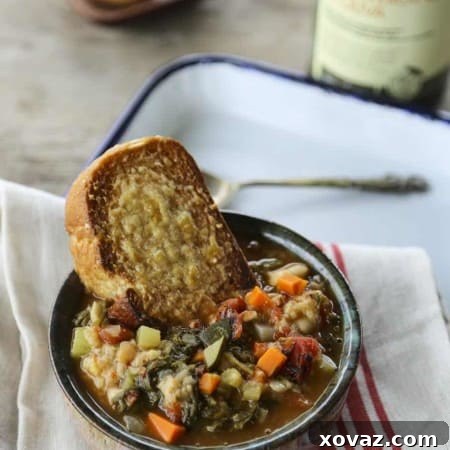
Ribollita – Hearty Tuscan Vegetable Bean Soup
Author: Rebecca Lindamood
Summary: Ribollita, the iconic Tuscan Vegetable Bean Soup, is a comforting bowl brimming with fresh vegetables, tender cannellini beans, and a flavorful broth, all thickened traditionally with rustic Tuscan bread. This ancient peasant dish has evolved into a beloved classic, embodying the rich history and resourceful spirit of Italian cuisine.
Pin Recipe
Ingredients
For the Ribollita:
- 4 ounces pancetta or bacon, diced
- 2 tablespoons pure olive oil
- 1 large yellow onion, peeled and diced into 1/4 to 1/2-inch cubes
- 2 large carrots, scrubbed and diced into 1/4 to 1/2-inch cubes
- 2 ribs of celery (with leaves if available), scrubbed and diced into 1/4 to 1/2 inch cubes
- 3 large cloves garlic, peeled and minced or pressed through a garlic press
- 1 teaspoon kosher salt
- Pinch of crushed red pepper flakes
- 1 medium zucchini, scrubbed and diced into 1/2 inch cubes
- 2 cups cooked cannellini beans (or 1 can, drained and rinsed)
- 1 can diced tomatoes (14.5 ounces)
- 2 tablespoons tomato paste
- 11 ounces baby kale or chopped kale
- 4 cups chicken stock or broth
- 1 sprig fresh rosemary (or 1/2 teaspoon dried)
- 1 sprig fresh thyme (or 1/2 teaspoon dried)
- 1 sprig fresh parsley (or 1/2 teaspoon dried)
- Optional but tasty: the rind of a hunk of Parmesan cheese
- 4 (1-inch) thick slices of stale Tuscan or Italian bread with the crusts removed, cut into small cubes
- 4 large fresh basil leaves, chiffonade (stacked up, rolled up tight then cut into thin strips)
For the Parmesan Soup Croutons:
- 6 to 8 slices of fresh Tuscan or Italian Bread, 3/4-inch thick
- Extra virgin olive oil
- 2 tablespoons of freshly grated Parmesan cheese per slice of bread
Instructions
- Place the diced pancetta in a large pot over medium heat. Cook, stirring frequently, until the pancetta is golden brown and its fat has rendered into the pan. Add the pure olive oil, then introduce the diced onion, carrots, celery, minced garlic, kosher salt, and crushed red pepper flakes. Stir well and reduce the heat to medium-low. Allow the vegetables to “sweat,” stirring frequently, until they begin to soften, which typically takes 7 to 10 minutes. Stir in the zucchini and continue to cook for another 3 minutes.
- Next, add the cooked cannellini beans, diced tomatoes (undrained), and tomato paste to the pot. Stir thoroughly to combine all ingredients. Then, add the baby kale (or chopped kale), chicken broth or stock, fresh rosemary sprig, fresh thyme sprig, fresh parsley sprig, and the optional Parmesan cheese rind. Don’t be concerned if the kale seems to mound high above the pot’s rim; it will dramatically reduce in volume as it cooks. Increase the heat to medium-high and bring the mixture to a gentle boil. Once boiling, reduce the heat back to medium-low and allow the soup to simmer gently for 20 minutes, allowing the flavors to meld beautifully.
- Carefully remove and discard the sprigs of thyme and rosemary. Add the cubed stale bread to the soup and stir gently. Continue to simmer for another 10 minutes, or until the bread has completely broken down, naturally thickening the soup to its characteristic hearty consistency. Remove the pot from the heat and stir in the chiffonade of fresh basil just before serving.
To Prepare the Parmesan Soup Croutons:
- Preheat your oven’s broiler to HIGH. Lightly brush both sides of each slice of Tuscan or Italian bread with extra virgin olive oil. Place the bread slices on a baking rack, positioned about 6 inches beneath the broiler element. Toast until they turn a beautiful golden brown. Flip the bread slices over, generously mound about 2 tablespoons of freshly grated Parmesan cheese on top of each slice, and return the pan to the broiler. Continue broiling until the cheese is bubbly, melted, and slightly golden brown in spots, creating a savory, crispy topping.
To Serve the Ribollita:
- Ladle generous portions of the hot Ribollita into individual serving bowls. For an added touch of flavor and texture, top each serving with a freshly prepared Parmesan Cheese Crouton. Enjoy this authentic taste of Tuscany!
Nutritional information provided is an estimate and offered as a courtesy. It is recommended that you calculate the precise nutritional information using the actual ingredients in your recipe and your preferred nutrition calculator.
Did you make this recipe?
Make sure to tag @foodiewithfam on Instagram and #hashtag it #foodiewithfamily so I can check it out! I love seeing your culinary creations!
Pin Recipe
Share on Facebook
A Journey Through DaVinci Wine’s Tuscany
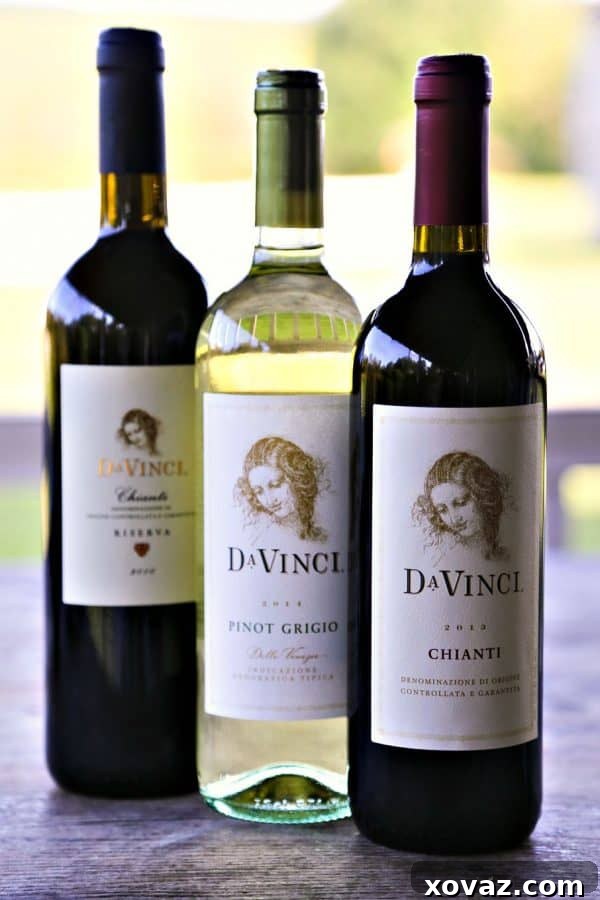
My immersion into Tuscany was made even more profound by the generous invitation from DaVinci Wine, allowing me to witness firsthand the dedication and passion behind their celebrated vintages. DaVinci Wine is renowned for bringing the authentic taste of Tuscany to tables worldwide. Among their most popular offerings in the United States are the vibrant Chianti, the crisp Pinot Grigio, and the distinguished Chianti Riserva, each embodying the unique terroir and winemaking excellence of the region.
You can delve deeper into the world of DaVinci Wine and connect with them on their social channels: DaVinci Wine Facebook and DaVinci Wine Pinterest.
From Vine to Vintage: The Art of Winemaking
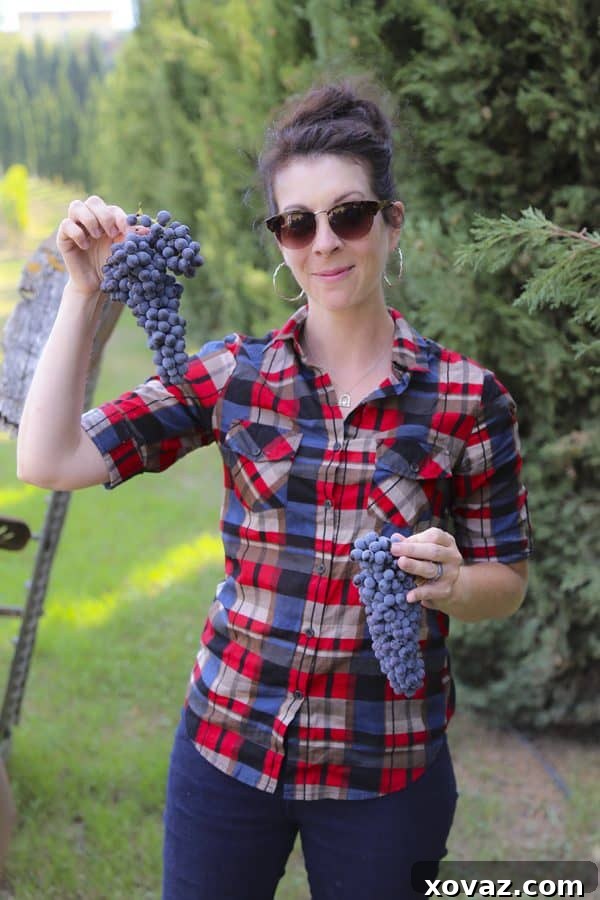
One of the most incredible moments of my journey was the opportunity to participate directly in the grape harvest. Standing shoulder-to-shoulder with DaVinci agronomist Andrea Meini, I had the privilege of hand-picking Sangiovese grapes – the very varietal destined to become the next vintage of DaVinci Chianti. It was an astonishing, full-circle experience to connect with the raw ingredients that eventually transform into a wine I deeply admire. This hands-on involvement offered a tangible link to the meticulous care and passion that define Tuscan winemaking.
Artisan Cheese and Wine Pairings: A Tuscan Delicacy
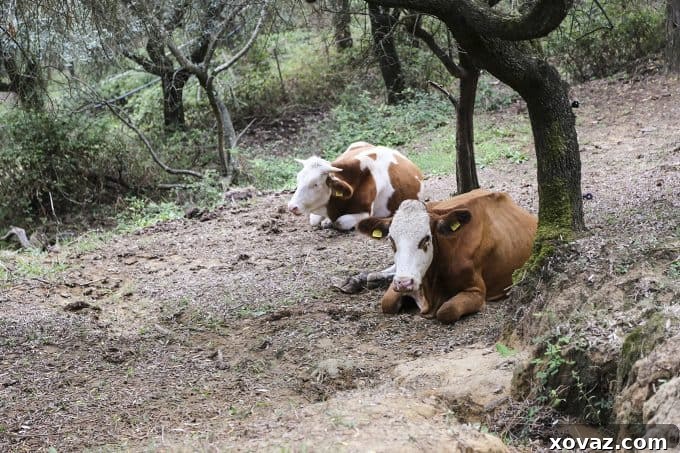
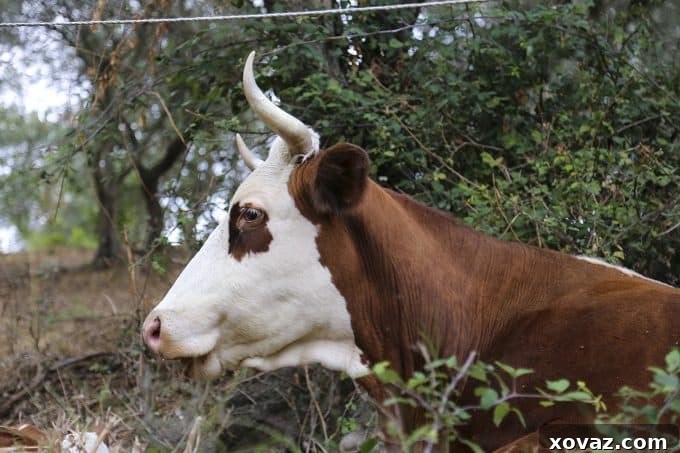
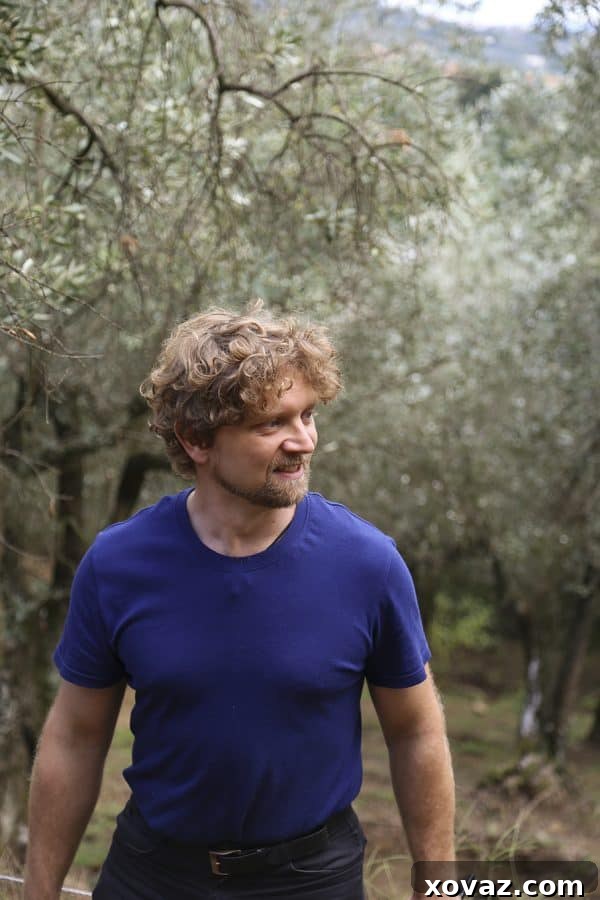
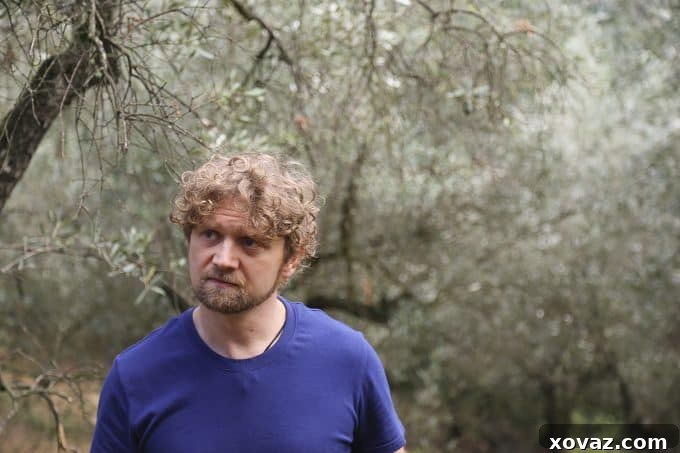
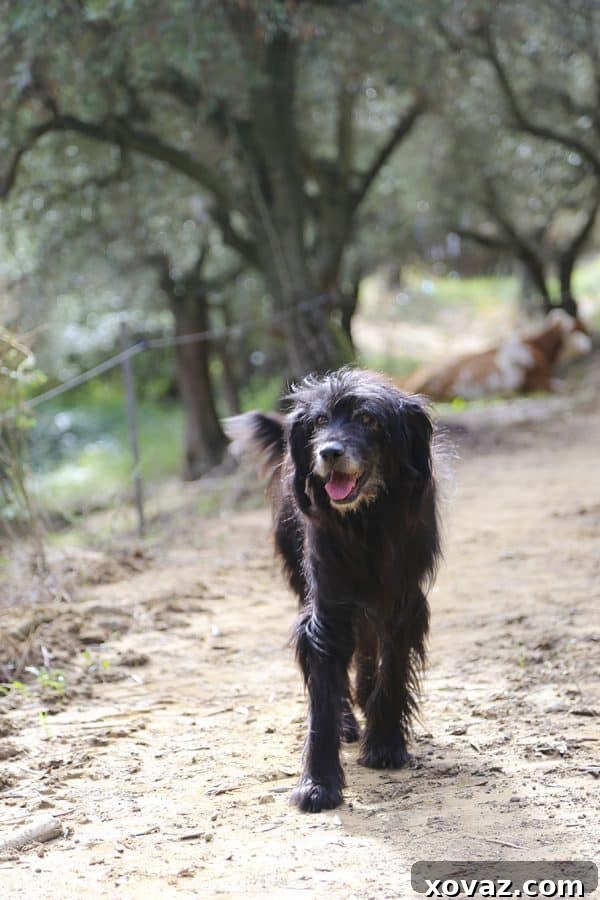
Our culinary immersion continued with a visit to Il due Falcetti, an esteemed artisan cheesemaker nestled in the enchanting countryside between the historic cities of Lucca and Florence. Here, we were introduced to Francesco Bagnoli, a true master of his craft, whose dedication to traditional cheesemaking methods was evident in every aspect of his work. He proudly showed us his beautiful, contented cows, whose high-quality milk forms the foundation of his exceptional cheeses. Accompanying us on a tour of the serene grounds was his sweet and charming 13-year-old dog, adding a touch of rustic warmth to the experience. The entire visit truly underscored the profound connection between the land, the animals, and the exquisite products of Tuscan agricultural heritage.
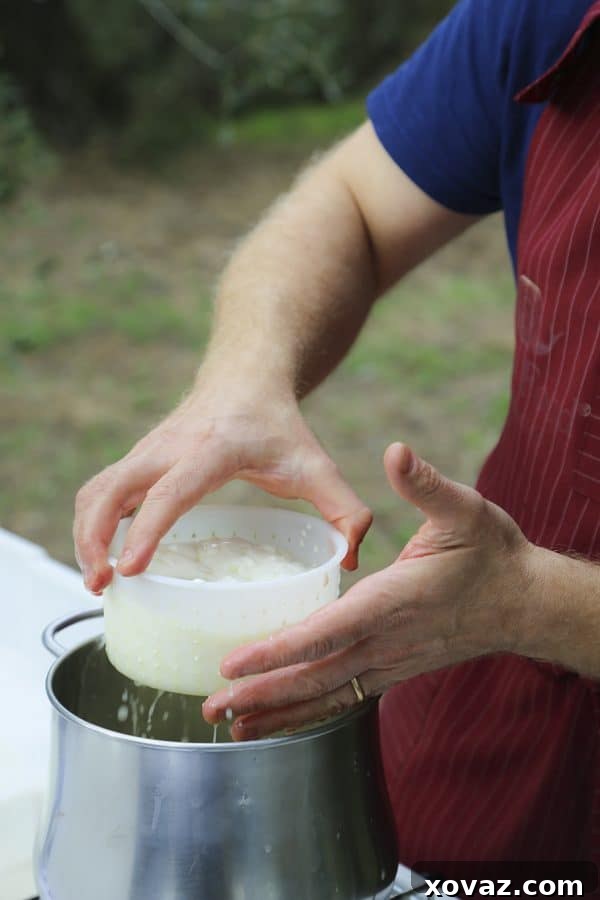

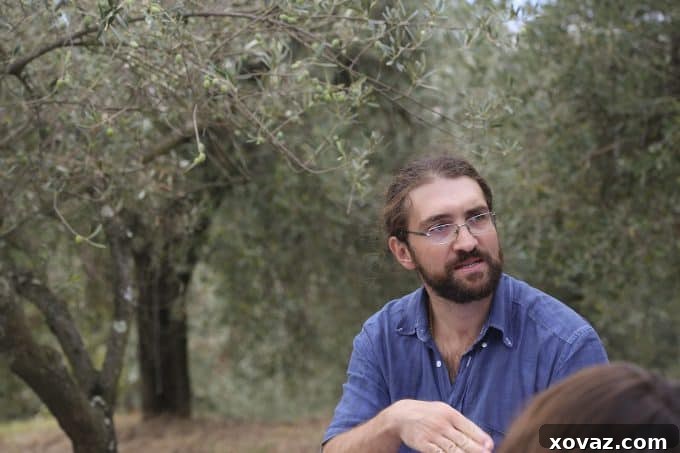
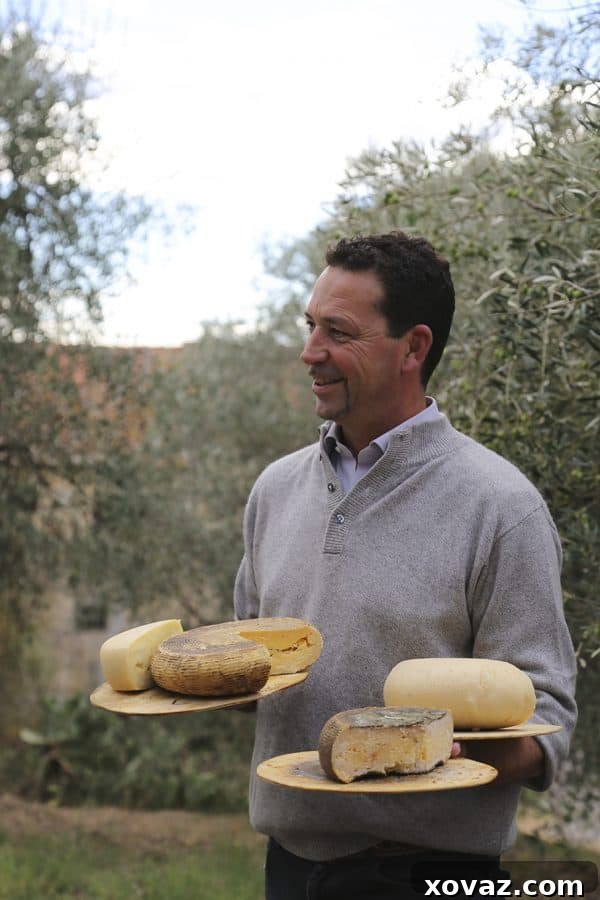
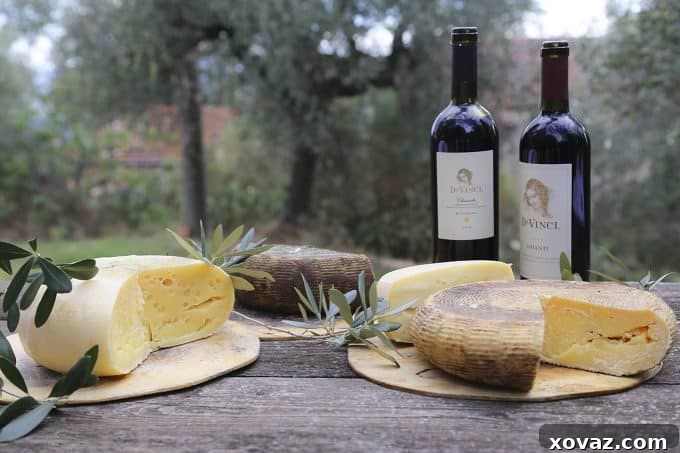
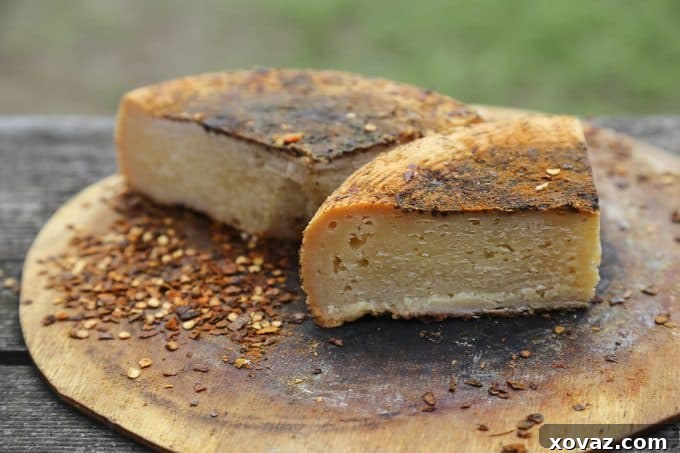
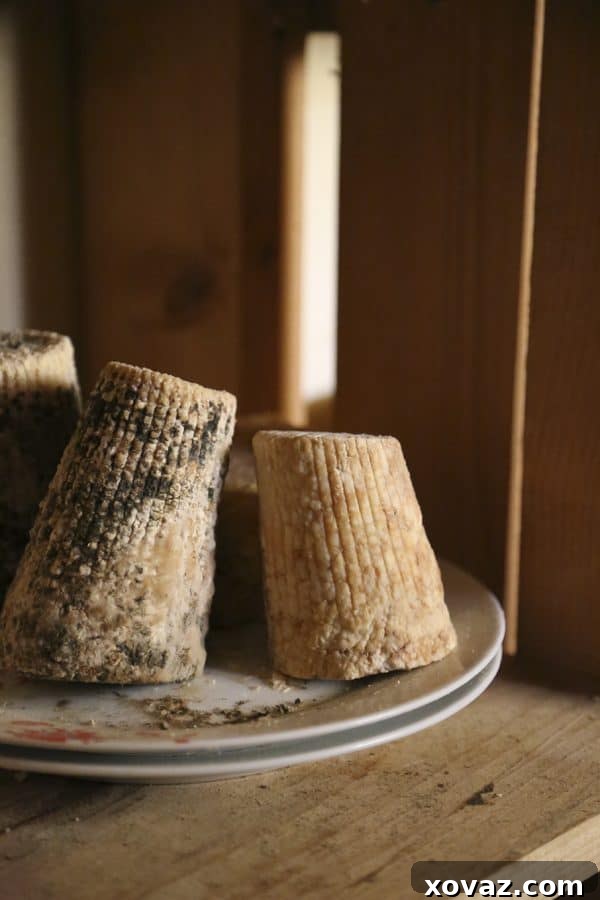
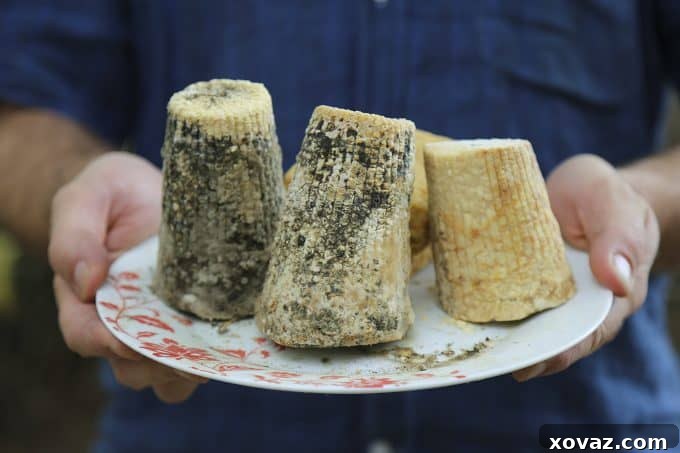
Francesco and his brother graciously provided us with an insightful tour of their farm, culminating in a captivating open-air cheesemaking demonstration. To describe the setting and the ancient craft as simply “beautiful” would be a gross understatement; it was an awe-inspiring display of tradition and artistry. Following the demonstration, we indulged in an exquisite tasting of several of their incomparable artisan cheeses, perfectly paired with DaVinci wines suggested by Giacomo Alari, DaVinci’s highly knowledgeable Export Manager and Wine Educator. We were thrilled by these expertly chosen pairings and walked away with a memorable and wonderfully practical rule of thumb for matching wines and cheese: always pair young wines with young cheeses, and aged wines with aged cheeses. This simple guidance is one I’m sure to remember and utilize for years to come!
Fellow Travelers and Picturesque Montalcino

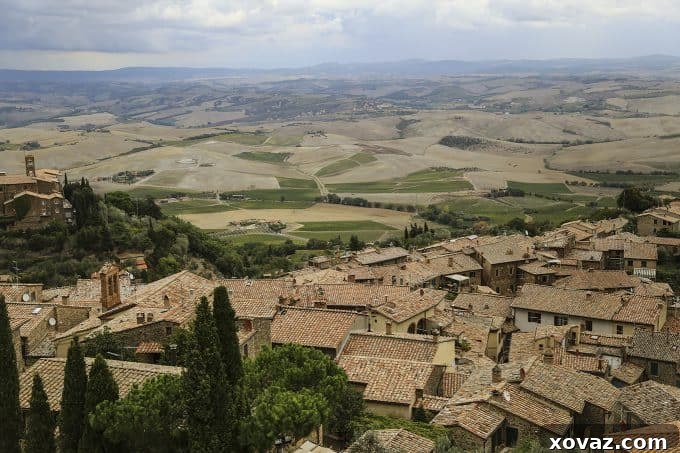
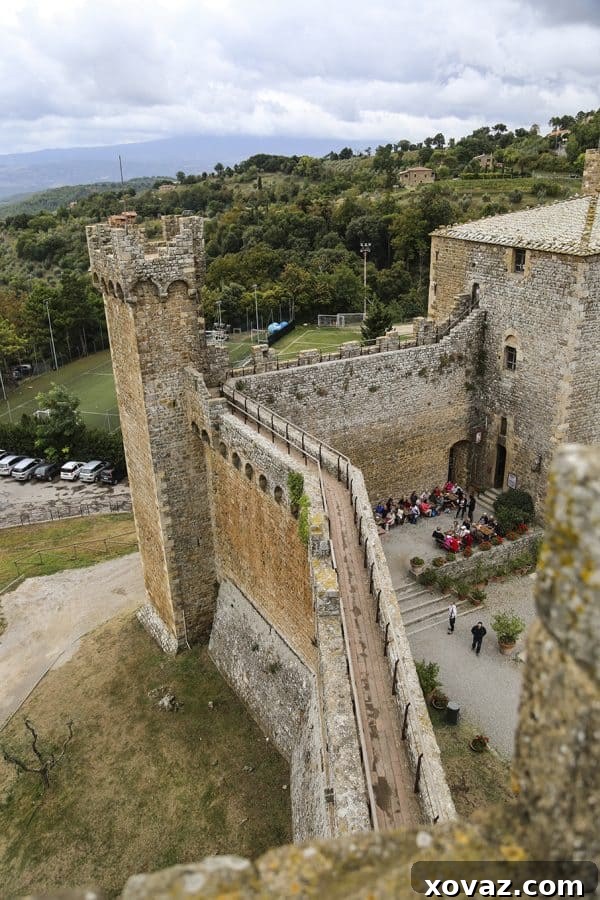
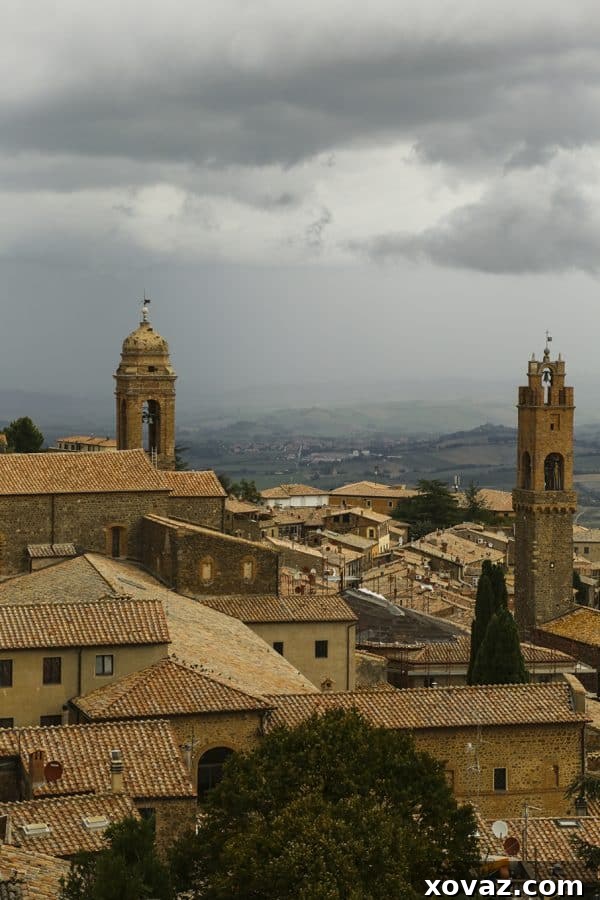
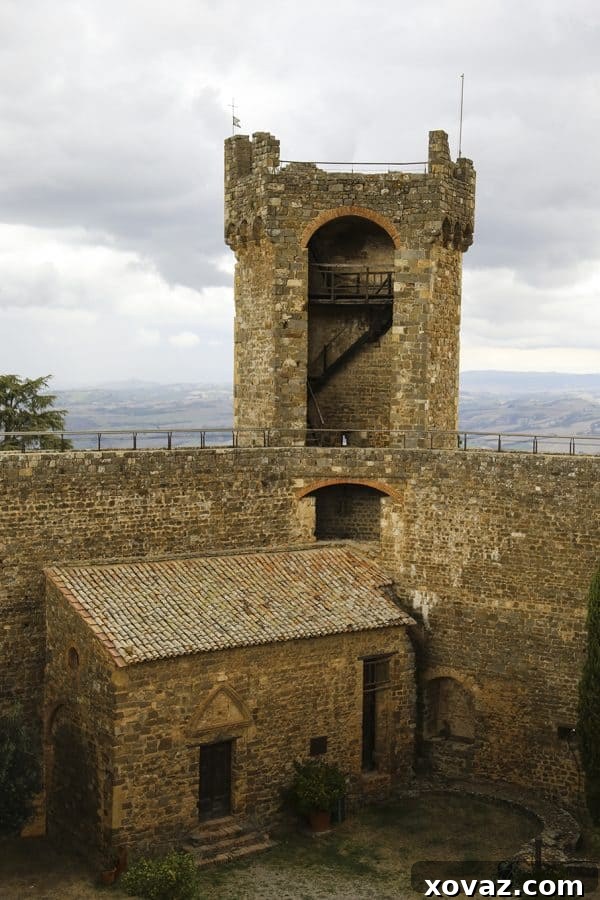

My fellow DaVinci Storytellers included Brandon from Kitchen Konfidence, Molly from My Name is Yeh, and Alana from Fix Feast Flair. Together, we embarked on a memorable climb to the watchtower of Montalcino’s ancient defensive wall. From its heights, we were treated to expansive, breathtaking views overlooking the charming village and the endless rolling hills of the Tuscan countryside. Our serene moment was, however, humorously interrupted by a sudden downpour that sent us scurrying for cover—a delightful excuse for an impromptu session of shoe shopping and gelato! After all, who could resist the quintessential Tuscan pleasures of boutique shopping and indulging in creamy gelato, especially when prompted by a refreshing rain shower?
The Pride of Brunello: Montalcino’s Liquid Gold
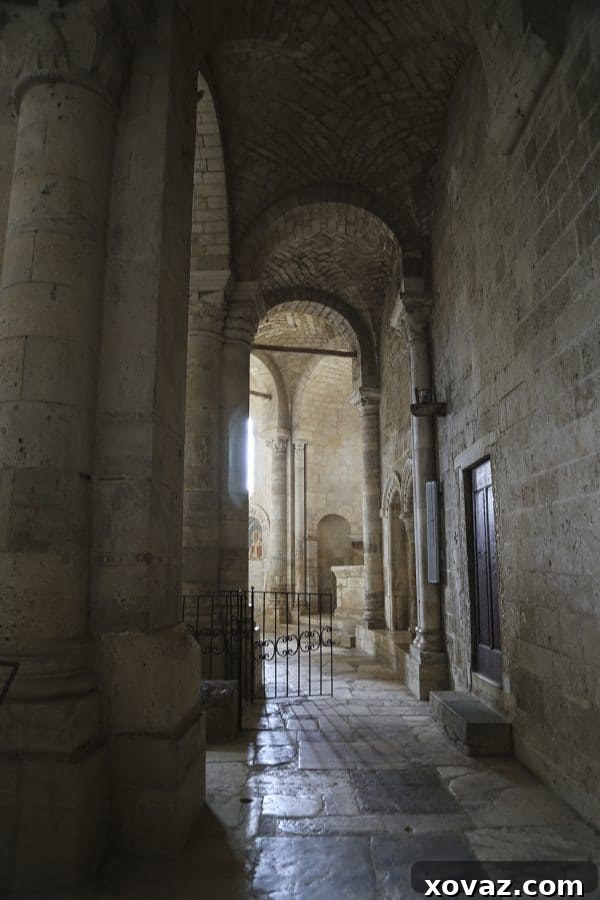
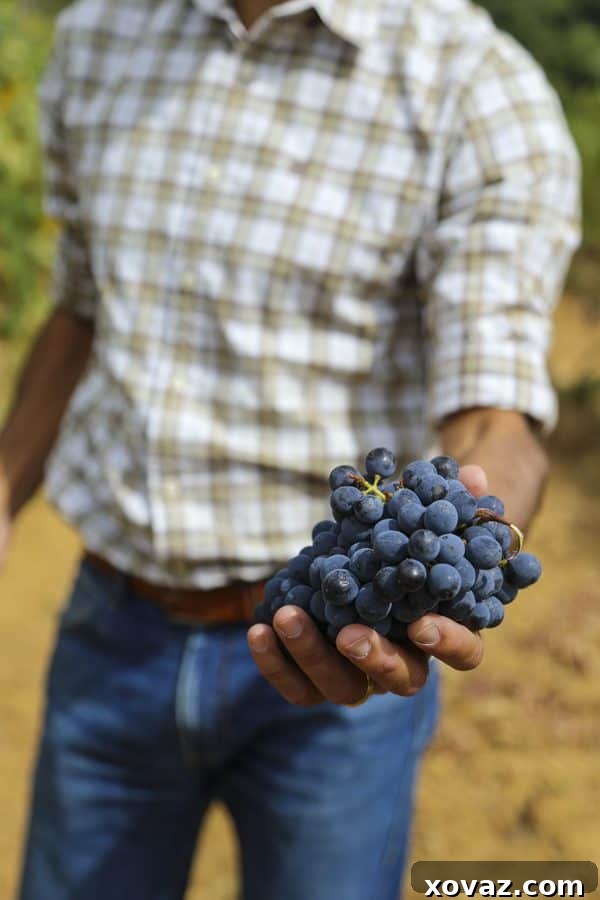
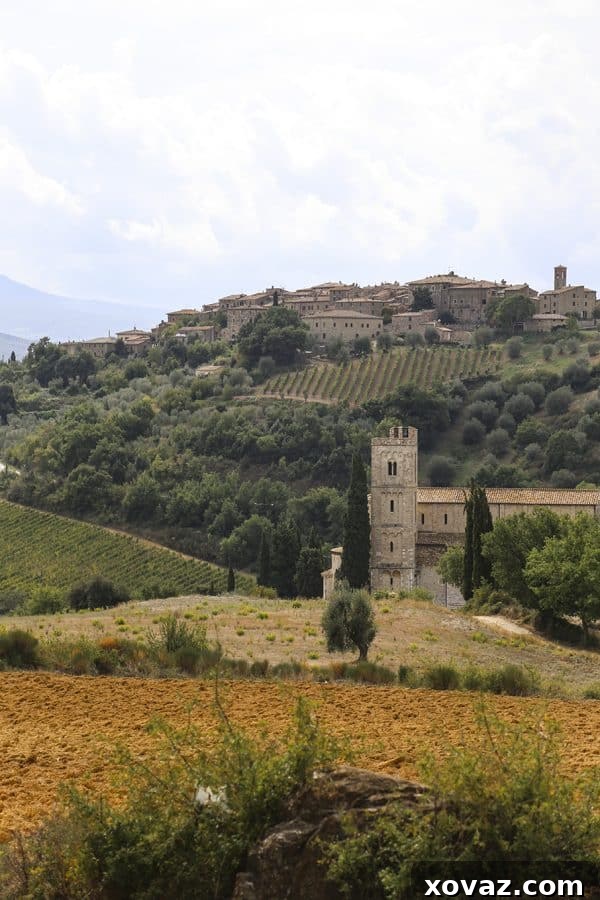
Throughout my visit, I was repeatedly awestruck by the sheer magnificence of the views that greet the growers, winemakers, and agronomists on a daily basis. The intrinsic beauty of the Tuscan countryside and its precious crops is never lost on them; they possess a deep, inherent understanding and appreciation for the stunning landscape that surrounds their lives and their dedicated work. This profound connection to the land, I firmly believe, imbues DaVinci Wine with its unique character and artistry. Lorenzo Danielli, DaVinci’s dedicated Montalcino agronomist, perfectly encapsulated this sentiment. As he proudly held a cluster of Sangiovese Grosso grapes – the very varietal destined to become the highly esteemed Brunello di Montalcino – his reverence and pride in his work shone through. With a twinkle in his eye and immense conviction, Lorenzo declared, “I don’t make wine. I make Brunello!” His words eloquently underscored the exceptional status and revered tradition of Brunello di Montalcino, the region’s prized, big, and bold red wine.
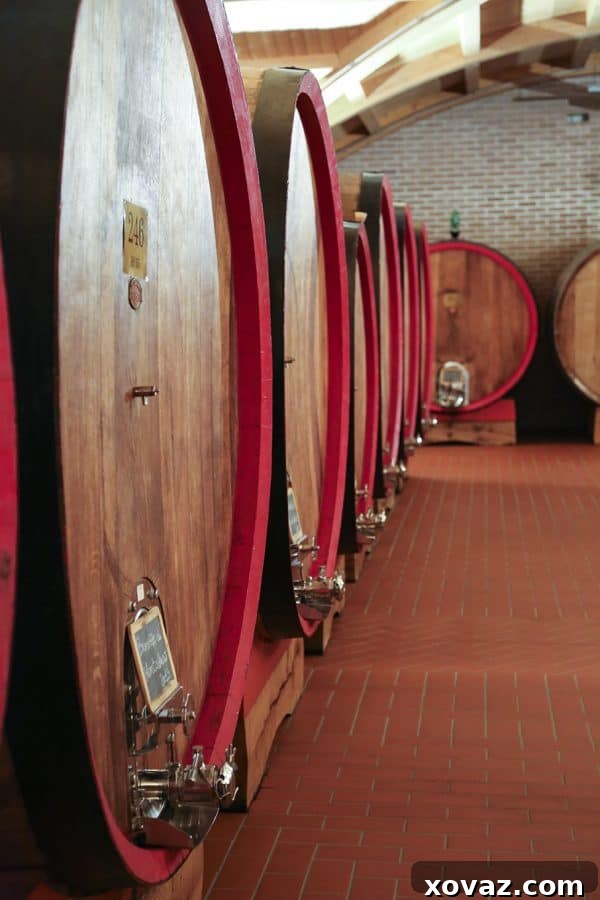
We were incredibly privileged to be granted not only an exclusive tour of the impressive wine barrel room at DaVinci’s Montalcino winemaking facility but also to be treated to a stellar lunch served right within this historic setting – a truly unforgettable experience. The highlight of our visit was undoubtedly the two distinct vertical tastings we enjoyed. The first offered a rare opportunity to sample young wines directly from the barrels, providing a fascinating glimpse into the nascent stages of future DaVinci vintages. The second was an extraordinary journey through various vintages of Brunello, including the eagerly anticipated 2011 (still a month or two away from market release), the highly coveted 2010 Brunello di Montalcino, and its distinguished predecessors from 2008, 2006, and 2004. Each sip was a story, a testament to the passage of time, the unique terroir, and the masterful artistry involved in crafting these exceptional wines.
The Art of Prosciutto: Macelleria Falaschi
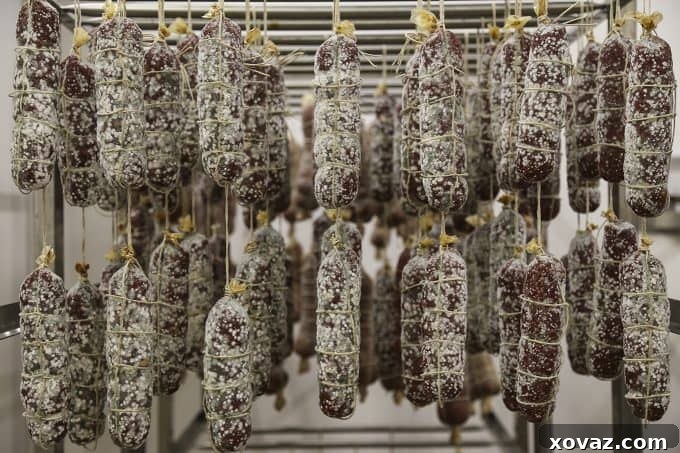
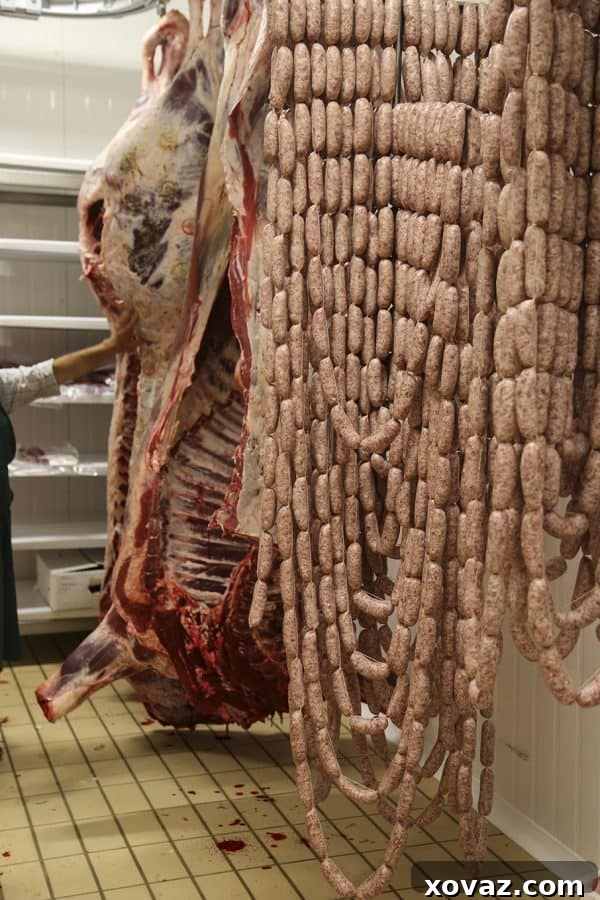
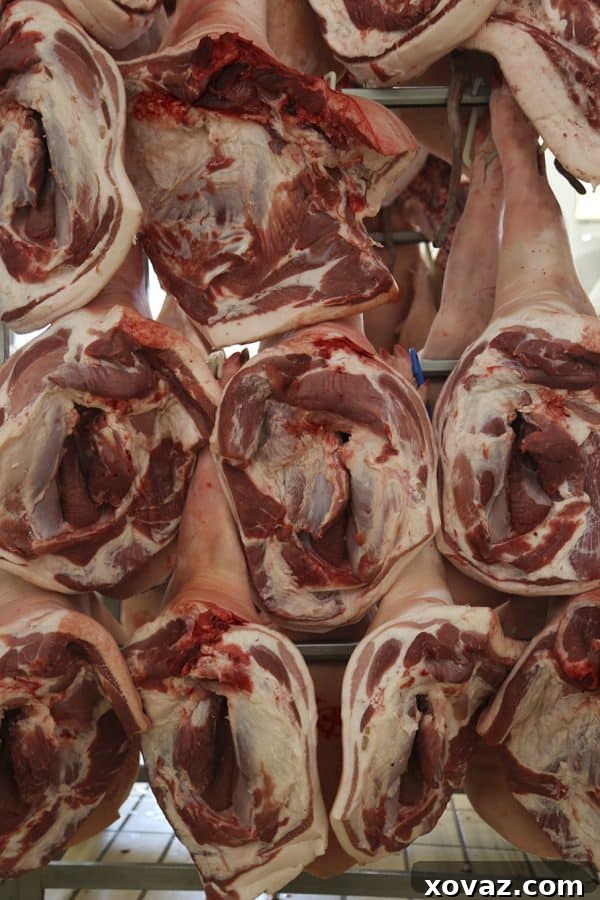
Toward the culmination of our unforgettable Tuscan adventure, we had the distinct pleasure of visiting Macelleria Falaschi, home to Signor Falaschi, a highly respected producer of exquisite prosciutto and other traditional Italian cured meats. Our comprehensive tour of his facilities offered a fascinating and detailed glimpse into the meticulous craft of creating these culinary masterpieces. It was a true testament to the dedication, precision, and artistry involved in preserving Italy’s rich gastronomic heritage.
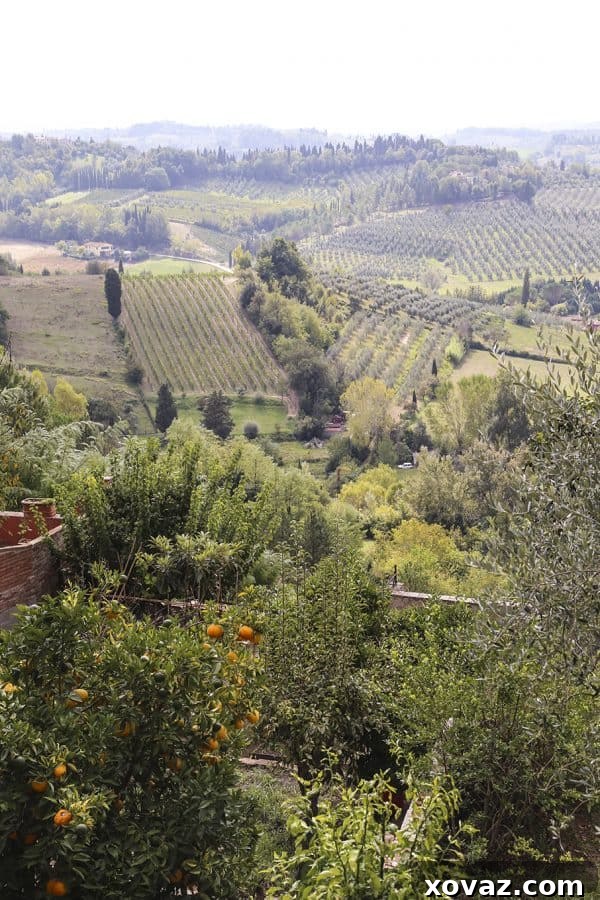
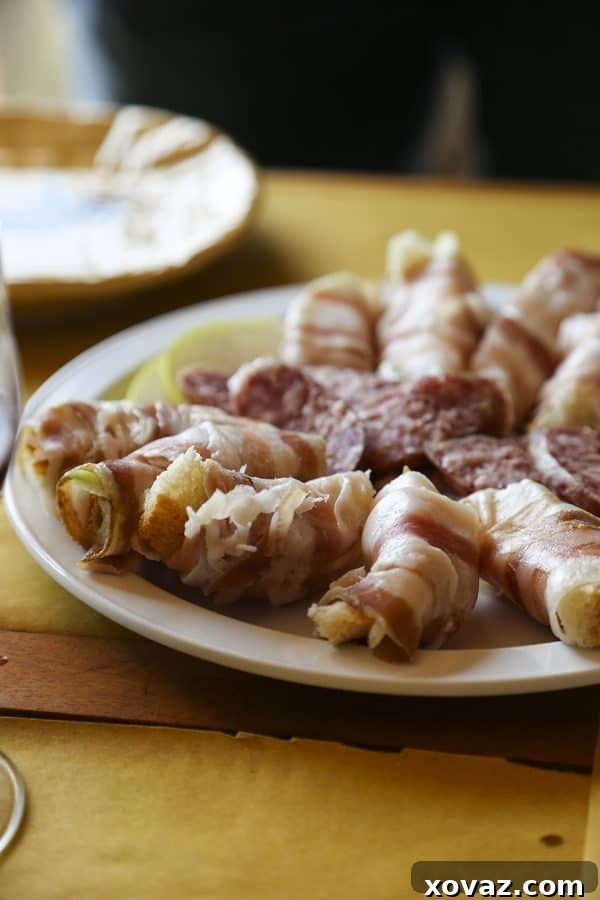
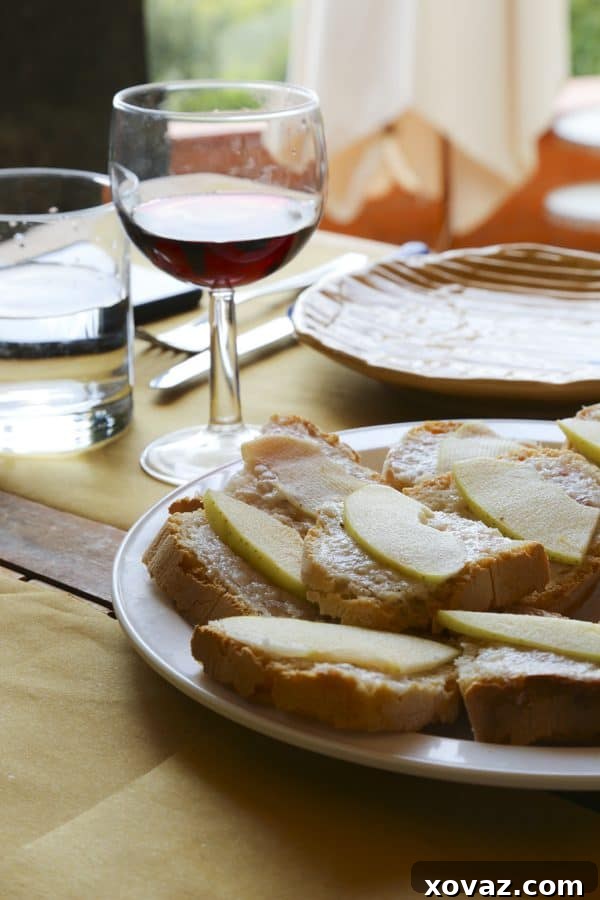
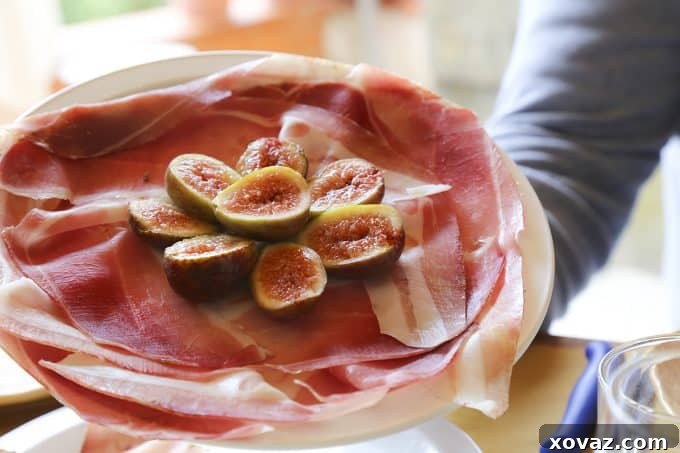
Following this incredibly informative tour, where we learned about all the intricate aspects of prosciutto production and other traditional Italian cured meats, we were treated to a truly special and memorable lunch. We were seated on the charming back porch of his butcher shop in San Miniato, overlooking a breathtaking hillside adorned with endless olive groves, sun-drenched vineyards, vibrant orange trees, and stately cypress trees. Signor Falaschi’s wife had lovingly prepared a series of incredible dishes served family-style, followed by a braised beef so exquisitely lovely that I am eagerly anticipating sharing its recipe here in the near future. Every dish was a heartfelt celebration of authentic Tuscan flavors and the region’s renowned hospitality.
A Lasting Impression of Tuscany
My heart overflows with profound thankfulness for the genuinely kind people of Tuscany, my generous friends at DaVinci Wine, and my inspiring fellow Storytellers. This entire journey was an incredible, soul-nourishing experience that I will cherish and remember, both in my mind and through the food I prepare, for the rest of my life. The rich history, the vibrant culture, the breathtaking landscapes, and the exquisite flavors have all left an indelible mark. The lessons learned, the authentic tastes savored, and the deep connections forged will forever be a part of me, influencing my culinary perspective and appreciation for life’s simple, profound pleasures. Grazie, mille grazie, Tuscany and DaVinci, for an adventure that truly nourished my soul and broadened my understanding of true Italian artistry and hospitality!
Disclosure: I was provided with this all-inclusive trip to Tuscany by DaVinci Wine. As usual, all opinions and recipes are my own. All photography is mine, unless otherwise noted.