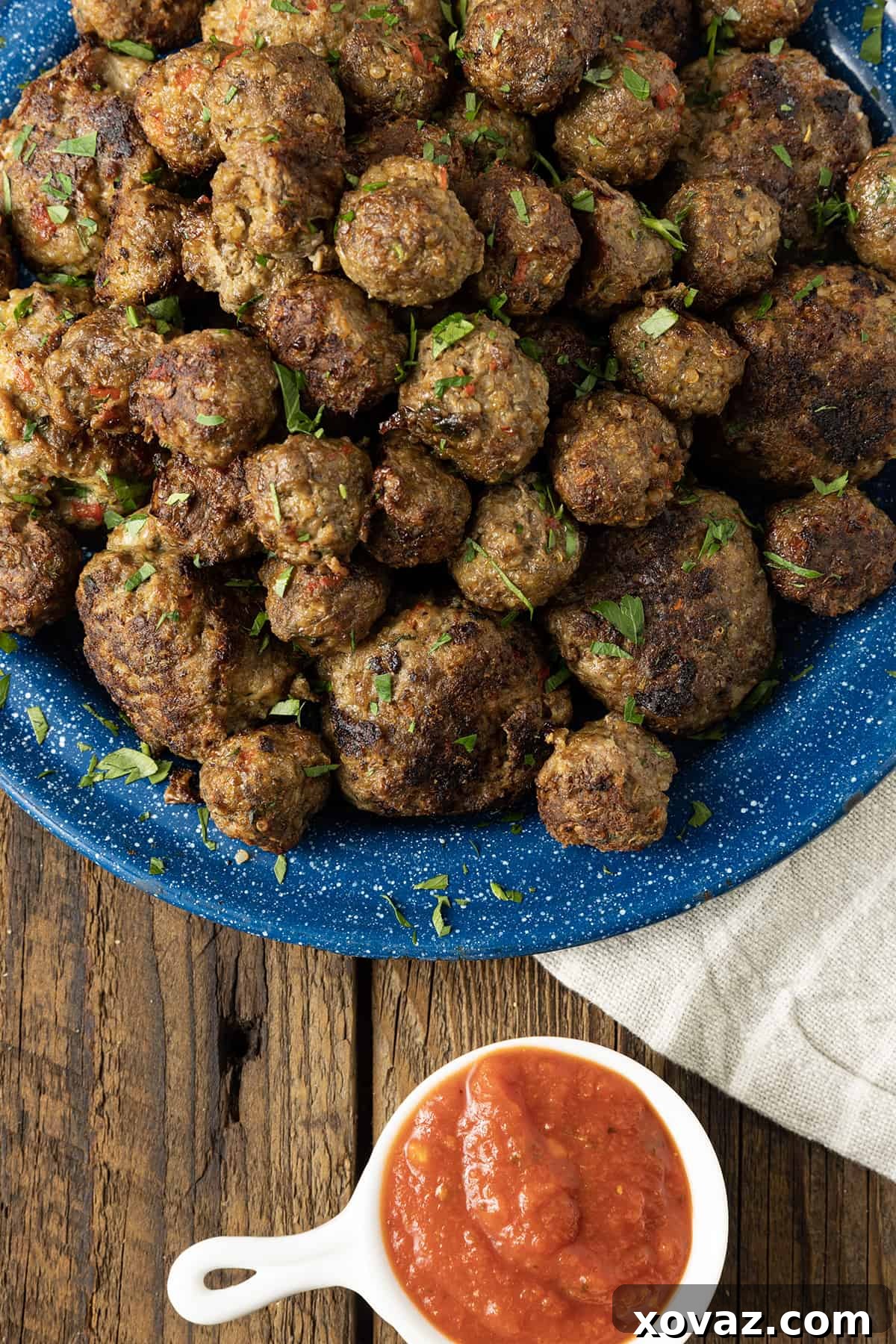
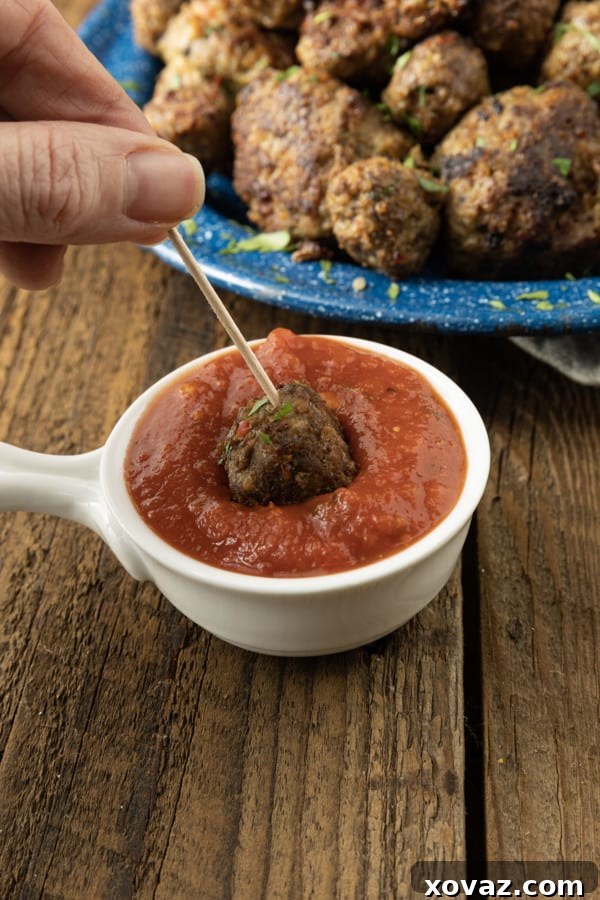
Prepare to discover your new favorite mealtime staple: these incredibly easy gluten-free meatballs! So succulent, deeply savory, and with a texture that redefines perfection, they will set a new standard for all future meatballs you encounter. Whether nestled in a rich spaghetti sauce, transformed into classic Swedish meatballs, packed into the ultimate meatball subs, or served elegantly on toothpicks as an irresistible appetizer, you’ll never once miss the gluten. This recipe transcends dietary needs, appealing to everyone with its crave-worthy flavor and impressive versatility.
And here’s the best part: they are ridiculously simple to prepare. This ease makes them ideal for meal prepping; you can effortlessly double or triple the recipe, then stash the extra, fully-cooked meatballs in your freezer. Imagine the convenience of having delicious, homemade meals ready to go for those busy weeknights or unexpected guests. This recipe isn’t just a gluten-free alternative; it’s an all-time favorite, renowned for being simply the best meatballs, period.
Unleash the Versatility of Gluten-Free Meatballs
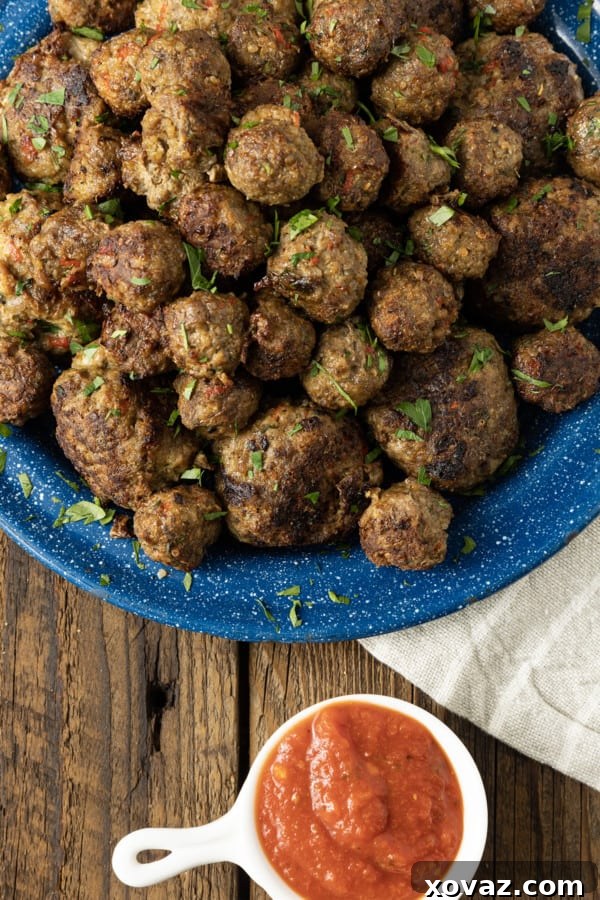
The adaptability of this gluten-free meatball recipe truly cannot be overstated. This foundational meatball mixture can be shaped into almost any size and seamlessly integrated into virtually any dish calling for meatballs. From tiny morsels perfect for soups to hearty, substantial meatballs destined for hero sandwiches, the possibilities are endless.
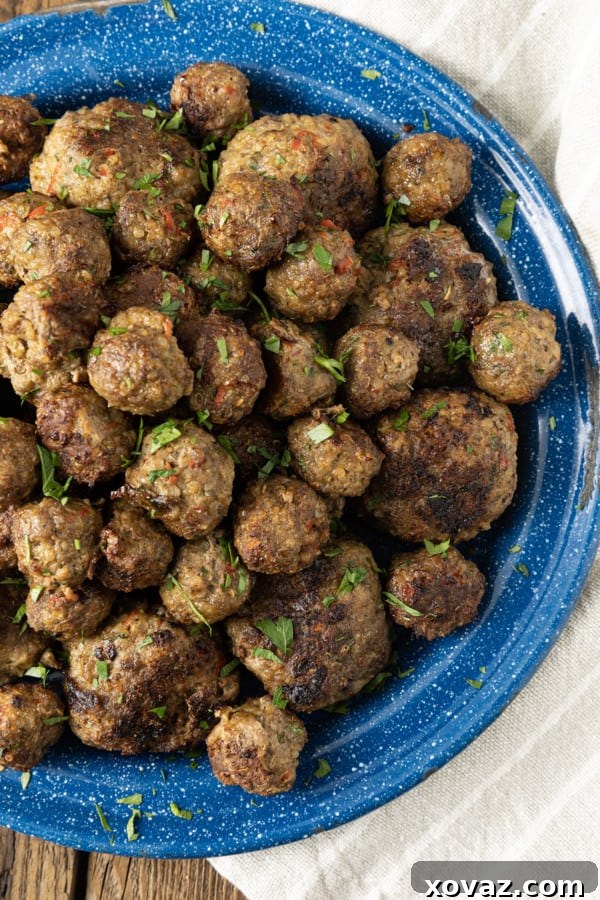
A single batch typically yields around 32 large meatballs (approximately 2 inches in diameter) or a generous 92 very small meatballs (about 3/4 inch). While this might seem like a substantial quantity, we highly recommend embracing leftovers! Planning for extra allows you to freeze a ready supply of fully cooked meatballs, ensuring future meals are both convenient and delicious.
Curious about what you can do with a freezer full of these savory gems? Here’s a by-no-means exhaustive list of inspiring ideas to get you started:
- Elevate your pasta night by adding them to a hearty meatball pasta bake.
- Give your greens a protein boost on a creative cheeseburger salad.
- Whip up a quick and flavorful sweet-and-sour meatball stir-fry for a weeknight delight.
- Craft an epic meatball sub sandwich, brimming with flavor.
- For a lightning-fast spaghetti and meatballs dinner, simply heat them up with your favorite marinara sauce.
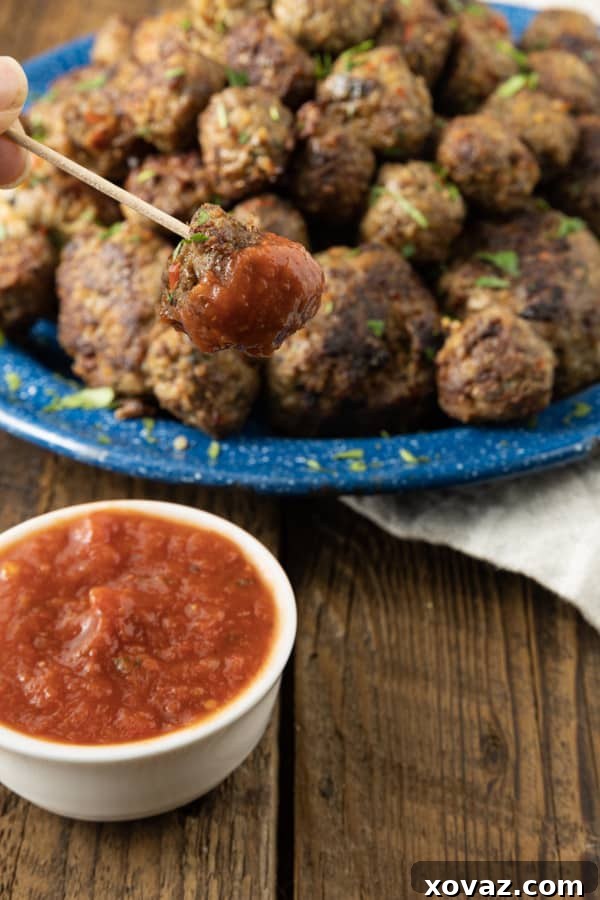
- Toss them with smoky barbecue sauce or zesty sweet chili sauce, then gently heat through in a slow-cooker. These saucy meatballs are perfect served with toothpicks as a crowd-pleasing party appetizer or over a bed of fluffy rice, noodles, or creamy mashed potatoes for a comforting homemade meal.
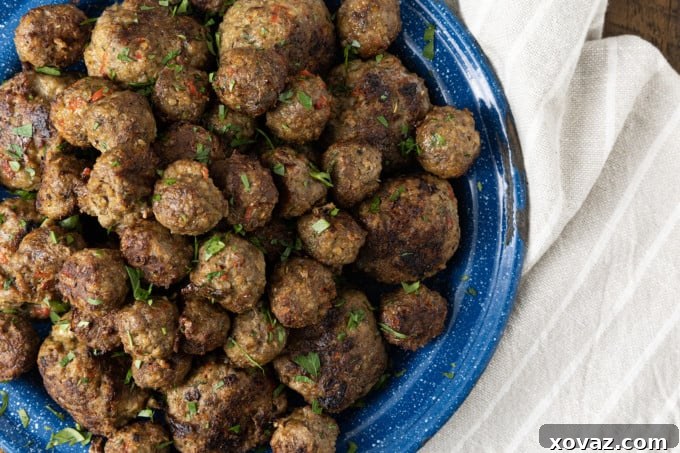
- Introduce small meatballs into chicken broth with escarole and tiny pasta for an authentic, fast Italian wedding soup.
- Substitute them for Italian sausage in a comforting Lasagna Soup.
- Boost the heartiness of your tortellini vegetable soup with a few extra meatballs.
- Even chop them up and sprinkle them generously over your favorite pizza for an added burst of flavor.
Key Ingredients for Unforgettable Gluten-Free Meatballs
Let’s dive into the simple yet powerful ingredients that make these gluten-free meatballs a star attraction on any menu. Prepare to be amazed by how superior these are to many traditional meatball recipes, thanks to a few clever choices.
- Ground Meat: While ground beef is often my go-to, this recipe shines with ground chicken, ground turkey, ground pork, or even a meatloaf mixture.
- Cooked Quinoa: The secret weapon for moisture and perfect texture, replacing traditional breadcrumbs.
- Yellow Onion: Adds essential moisture and depth of flavor.
- Red Bell Pepper: For a subtle sweetness, vibrant color, and additional moisture.
- Fresh Parsley: Brings a fresh, herbaceous note.
- Fresh Garlic: The foundation of classic savory flavor, or use granulated garlic/garlic powder for convenience.
- Balsamic Vinegar: A flavor enhancer that adds tang and umami.
- Eggs: Act as a binder to hold everything together.
- Italian Seasoning: For that beloved, traditional Italian flavor profile.
- Kosher Salt or Sea Salt: Essential for seasoning and bringing out flavors.
- Black Pepper: For a touch of warmth and spice.
Choosing Your Ground Meat: The Foundation of Flavor and Texture
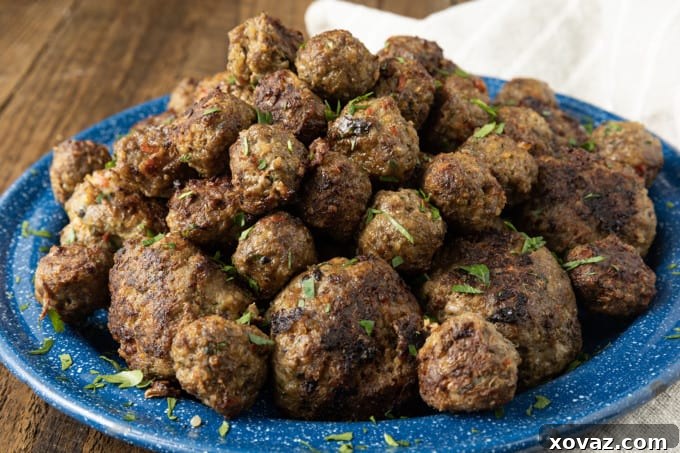
When crafting these delicious gluten-free meatballs, I most frequently opt for ground beef. For the best results, I strongly advise against selecting super lean ground beef. A moderate amount of fat is crucial here, as it plays a significant role in keeping your meatballs incredibly moist, juicy, and flavorful.
The ideal ground meat for these meatballs boasts an 85% lean to 15% fat ratio. While my personal preference leans towards beef, these meatballs are equally delightful when prepared with ground turkey, ground pork, ground chicken, or a blend of meats often used for a classic meatloaf. Each option brings its own subtle flavor nuances, allowing for customization to your taste.
Should you decide to use a very lean ground meat, a helpful tip is to incorporate a tablespoon of extra virgin olive oil into the mixture. This small addition can significantly boost both the moisture content and overall flavor, compensating for the lack of natural fat. However, this is ultimately a matter of personal preference and can be omitted if you prefer.
The Gluten-Free Secret: Quinoa and Fresh Aromatics
The true genius behind the success of this recipe lies in the innovative use of cooked quinoa. Instead of relying on traditional breadcrumbs or even gluten-free breadcrumbs, quinoa steps in as a phenomenal binder. It not only holds the meatballs together beautifully but also contributes to their wonderfully juicy and light texture, ensuring they never turn dry or dense.
While it might be tempting to reach for granulated onion or onion powder for convenience, I wholeheartedly recommend using fresh onion in this recipe. A grated onion, in particular, adds an abundance of natural moisture to the meatball mixture, which is absolutely vital for achieving that perfect, tender texture in the finished product. The fresh, aromatic quality of real onion also deepens the overall flavor profile.
The red bell pepper serves a similar purpose to the onion, contributing moisture, a subtle sweetness, and a lovely pop of color. If you don’t have one on hand or simply don’t prefer bell peppers, it can be easily omitted without compromising the core integrity of the recipe. For those with picky eaters, a clever trick is to blitz both the fresh onion and red bell pepper in a food processor until they form a smooth purée. Stirring this into the meatball mixture ensures all the flavor and moisture benefits are retained, without any visible chunks.
Another ingredient you truly don’t want to skip is the balsamic vinegar. This adds a remarkable depth of flavor and a distinct umami note, elevating the meatballs beyond the ordinary and making them truly memorable.
Crafting Your Italian-Inspired Masterpiece (or Other Flavors!)
The inclusion of Italian seasoning is what imbues these meatballs with a wonderfully traditional, comforting flavor. However, if you’re aiming for a more neutral base that can seamlessly adapt to a wider array of cuisines, you have the flexibility to either omit the Italian seasoning entirely or swap it out for a different herb blend of your choice. Think Mediterranean herbs, a touch of smoky paprika, or even a subtle Asian spice mix – the world is your oyster!
For those who love the vibrant taste of fresh herbs, feel free to substitute all fresh herbs for the dried Italian seasoning. Just remember a key culinary rule: you’ll need to triple the amount of fresh herbs when replacing their dried counterparts to achieve an equivalent depth of flavor. This allows for a brighter, more pungent herbaceous quality that can truly elevate your meatballs.
Don’t hesitate to get creative with your herb combinations; this easy gluten-free meal builder is designed for customization. And if you’re in the mood for an extra layer of richness and savory goodness, a generous sprinkle of grated Parmesan cheese stirred into the mixture will certainly move your spirit and delight your taste buds!
Essential Equipment for Perfect Meatballs
Having the right tools can make all the difference in ensuring your gluten-free meatballs turn out perfectly every time. Here’s a list of essential and handy equipment:
- Large cast-iron skillet or stainless steel skillet or air fryer: For efficient and even cooking.
- Chef knife: For precise chopping and mincing.
- Cutting board: A stable surface for preparing ingredients.
- Mixing bowl: Large enough to comfortably combine all ingredients.
- Sturdy spoon or mix and chop tool: For gentle, thorough mixing.
- Optional but incredibly handy:
- Dishers/cookie scoops: For creating uniformly sized meatballs effortlessly.
- Instant read thermometer: Your best friend for ensuring perfect doneness without overcooking.
Tips for Perfect Texture and Doneness
You have excellent options for cooking these meatballs. You can choose a large cast-iron skillet or an oven-safe stainless steel skillet for stovetop-to-oven cooking, or if you have one readily available, an air fryer yields incredibly delicious results.
Regardless of the type of ground meat you choose, the golden rule for achieving meatballs with the best, most tender texture is to handle the mixture as lightly as possible. To accomplish this, I find that using a mix-and-chop tool or simply my hands works best. Remember, the key is to mix just until combined; avoid squeezing or compressing the mixture more than is absolutely necessary. Overworking the ground meat is the most common culprit behind tough, dry meatballs, so be gentle!
While an instant-read thermometer isn’t strictly mandatory, it is an incredibly helpful tool that will elevate your meatball game. It takes all the guesswork out of achieving perfect doneness. You’re aiming for an internal temperature of 160ºF if you’re making beef or pork meatballs, and 165ºF for poultry-based meatballs (turkey or chicken). Using a thermometer ensures your juicy meatballs are cooked through and safe to eat, while simultaneously preventing them from becoming dry and overcooked. It’s a foolproof way to guarantee consistently delicious results.
Gluten Free Meatballs: The Recipe
Get ready to create the most tender, flavorful, and versatile gluten-free meatballs you’ve ever tasted. Follow these simple steps for a truly exceptional experience.
To Make the Meatball Mix:
Begin by adding all of the specified ingredients into a spacious medium mixing bowl. Utilize your hands or a reliable chop-and-stir tool to thoroughly, yet gently, combine everything. Once mixed, divide the mixture into your desired number of meatballs and carefully form each one, being mindful not to over-compress the meat.
To Cook the Meatballs in the Oven:
Preheat your oven to 425ºF (220ºC). Place a cast-iron skillet or another oven-safe large skillet on the top shelf while the oven preheats. This ensures the pan is piping hot when the meatballs go in, aiding in a beautiful sear.
Once the oven reaches temperature, carefully remove the hot skillet. Drizzle in the neutral oil and swirl the pan to ensure an even coating. Arrange the formed meatballs in the hot skillet, making sure there is ample space between each one to allow for proper browning. Return the pan to the preheated oven.
Depending on the size of your skillet and the number of meatballs, you may need to cook them in more than one batch to avoid overcrowding. For meatballs approximately 2-inches in size, allow about 20 minutes for them to cook through completely. If you’re making smaller meatballs, begin checking for doneness at around 12 minutes. Always refer to the internal temperature notes below for precise doneness.
To Cook Meatballs In Air Fryer:
Preheat your air fryer to 400ºF (200ºC) for 5 minutes. Once preheated, arrange the meatballs in a single layer within the air fryer basket, ensuring there’s space between each one for optimal airflow and even cooking.
Similar to oven cooking, you might need to cook the meatballs in a second or even third batch, depending on the capacity of your air fryer. Cook at 400ºF for 8-10 minutes for smaller meatballs, or 15-18 minutes for larger ones. Again, consult the notes below for specific internal temperature guidelines to ensure perfect doneness.
Freezing Cooked Meatballs for Future Meals:
To freeze any leftover or extra fully-cooked meatballs, arrange them in a single layer on a baking sheet lined with parchment paper. Freeze until they are completely solid, which typically takes about 3 hours. Once frozen solid, transfer the meatballs to a labeled zipper-top freezer bag or another airtight container. They will keep beautifully in the freezer for up to 6 months, making meal prep a breeze!
Notes on Internal Temperatures:
Meatballs crafted from different types of ground meat require varying internal temperatures to be considered safely cooked. Beef and pork meatballs, or mixtures predominantly featuring these meats, should reach an internal temperature of 160ºF (71ºC). Poultry meatballs, such as those made from turkey or chicken, are safely cooked when they achieve an internal temperature of 165ºF (74ºC). Always use an instant-read thermometer for accuracy.
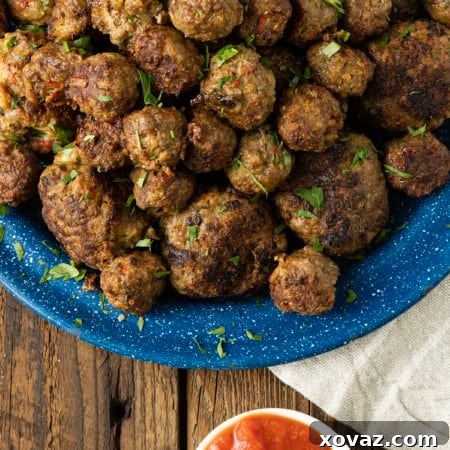
Gluten Free Meatballs
Rate Recipe
Rebecca Lindamood
Pin Recipe
Share on Facebook
Equipment
-
Large cast-iron skillet or stainless steel skillet or air fryer
-
Chef Knife
-
cutting board
-
mixing bowl
-
Sturdy spoon or mix and chop
-
Optional but handy:
-
dishers/cookie scoops
-
instant read thermometer
Ingredients
- 2 pounds ground beef
- 1 ½ cups cooked quinoa
- ½ onion peeled and grated or minced
- ½ a red bell pepper grated or finely diced
- 6 cloves garlic peeled and minced, or granulated garlic or garlic powder
- ¼ cup fresh parsley finely chopped, or 1 1/2 tablespoons dried parsley flakes
- 3 tablespoons balsamic vinegar
- 2 large eggs
- 2 tablespoons Italian seasoning
- 2 teaspoons kosher salt
- 1 teaspoon black pepper
- 2 tablespoons neutral oil like sunflower, grapeseed, rice bran, vegetable, or canola oil.
Instructions
To Make the Meatball Mix:
-
Add all of the ingredients to a medium mixing bowl and use your hands or a chop and stir to mix thoroughly but gently. Divide the mixture into the desired number of meatballs and form gently.
To Cook the Meatballs in the Oven:
-
Preheat the oven to 425ºF with a large cast-iron skillet on the top shelf.
-
When the oven is preheated, remove the cast iron skillet, drizzle in the oil, and swirl the pan to coat. Arrange the meatballs in the hot skillet with space between them and return the pan to the oven.
-
You may need to do more than one batch depending on the size of your cast iron or stainless steel skillet.
-
If making meatballs that are about 2-inches in size, it will take about 20 minutes for the meatballs to cook through. Start checking smaller meatballs at about 12 minutes. See Notes.
To Cook Meatballs In Air Fryer
-
Preheat the air fryer to 400ºF for 5 minutes. When the air fryer is preheated, arrange the meatballs in a single layer with space between them in the air fryer basket.
-
Cook at 400ºF for 8-10 minutes for small meatballs or 15-18 minutes for larger ones. See Notes
Notes
Nutrition
Nutritional information is an estimate and provided to you as a courtesy. You should calculate the nutritional information with the actual ingredients used in your recipe using your preferred nutrition calculator.
did you make this recipe?
Make sure to tag @foodiewithfam on Instagram and #hashtag it #foodiewithfamily so I can check it out!
Pin Recipe
Share on Facebook