A Moonlit Evening, a Misunderstood Tale, and the Quest for the World’s Best Burger
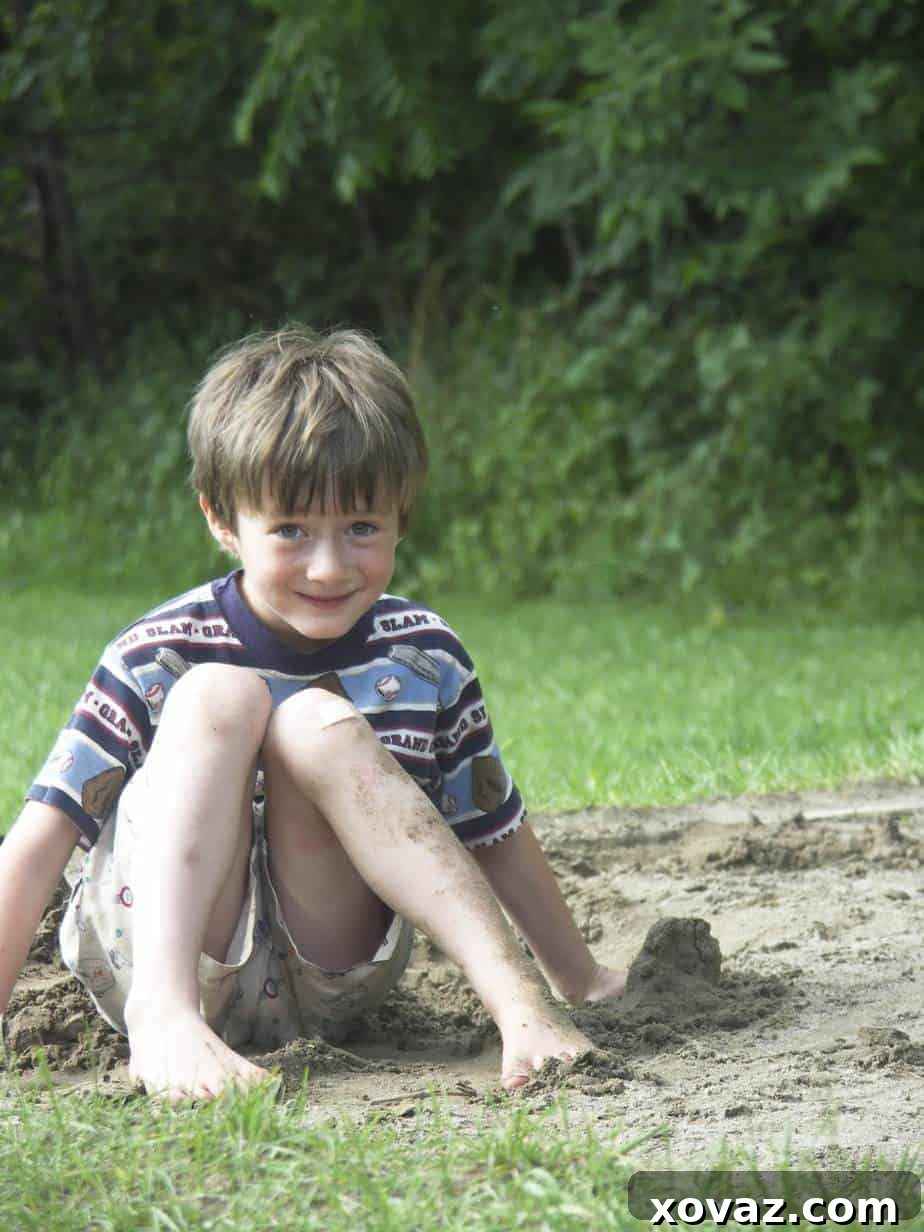
In the beautiful tapestry of family life, some threads shine brighter than others – often spun from the most unexpected moments. This particular thread begins with my sweet son, Leif, my ever-present shadow. He’s what I affectionately call my “right elbow guy,” always preferring to be precisely where I am, or where his dad is, making sudden backward steps a perilous endeavor. His constant, comforting presence is a beautiful reminder of the unyielding bond we share, a silent companion in the everyday rhythm of our home.
An Evening Under the Hazy Moon: Poetry and Parenthood
Just last week, as dusk deepened into a warm, gusty early September evening, Leif and I were engaged in a lively “confab” by the grill. The late hour – a testament to my occasional “bad mother” moments when dinner plans stretch past 8:45 p.m. – only added a certain relaxed charm to the scene. I was on burger duty, the sizzle of the patties a comforting soundtrack to the whistling wind through the trees. It was then, amidst the fading light and swirling air, that Leif’s small finger pointed skyward. “MOM! Look at da moon!” he exclaimed, his voice filled with childlike awe.
And indeed, it was a sight to behold. The moon hung low, wreathed in mist and haze, casting an ethereal glow over our yard. The wind whispered secrets through the leaves, creating a symphony that was both wild and strangely serene. This breathtaking tableau immediately transported me, as a good story often does, to the evocative lines of Alfred Noyes’ timeless poem, ‘The Highwayman.’ I turned to Leif, whose presence at my elbow was a familiar comfort, and asked if he’d like to hear the verses that so perfectly captured the night’s mood. He nodded, his eyes wide with curiosity and contentment.
Flipping the burgers with one hand, I began to recite, letting the rhythm and imagery of the poem fill the evening air:
“The wind was a torrent of darkness among the gusty trees,
The moon was a ghostly galleon tossed upon cloudy seas,
The road was a ribbon of moonlight over the purple moor,
And the highwayman came riding—
Riding—riding—
The highwayman came riding, up to the old inn-door.”
I paused, anticipating a shared moment of wonder. But as I looked at Leif, his face was a canvas of emotions: fear, wonderment, and utter bewilderment. It was clear his interpretation had taken a delightful, albeit unexpected, turn.
Leif’s Vivid Imagination: Humans on Purple Horses
“Leif,” I gently probed, “Do you like the poem so far?” His response was immediate and utterly disarming: “Is da human coming now?” My brow furrowed in confusion. “Er, what?” I asked, trying to grasp the thread of his thought process. He clarified with earnest urgency, “Da humans? Are dey riding here now?”
Realization dawned with a chuckle. “Oh!” I exclaimed, “No, honey. What I said was ‘highwayman’ not ‘human.’ And he’s not real. He’s not coming here.” My explanation, however, did little to quell the imaginative storm brewing in his young mind. Leif pressed on, his eyes still fixed on the hazy moon. “When is he coming here? Is he coming on a horse?” The relentless questioning continued, each query painting a more vivid, fantastical picture. “Sweetie, it’s just a poem. He doesn’t really exist,” I insisted, trying to ground him back in reality, but to no avail.
Unconvinced, Leif launched his pièce de résistance: “Is his horse purple?” At this point, I couldn’t help but laugh, a mix of parental exasperation and sheer delight. “Oh for cryin’ out loud, Leif,” I replied, perhaps a little too emphatically. “There’s no horse. And the poem said ‘The road was a ribbon of moonlight over the purple moor…’ not purple horse. Could you please go get me a plate for these burgers?”
With a cheerful “Sure, Mom,” Leif bounded back into the house. The ensuing slam of the door was quickly followed by a yell, one clearly calculated to ensure maximum audience participation, even from neighbors a quarter of a mile away. “HEY GUYS! MOM SAYS DERE’S MORE HUMANS ON PURPLE HORSES RIDING TO DA HOUSE! AND DEY’RE BRINGING GHOSTS.”
Perhaps, I mused with a wry smile, my delivery truly is excellent. (See, Dad and Mom? Those student loans for my theater studies were not entirely without benefit!). This comical exchange was a beautiful reminder of the boundless, unbridled creativity of a child’s mind, a world where words effortlessly transform into vibrant, sometimes alarming, realities. It highlighted the exquisite challenge and joy of communicating complex ideas to young ones, and the unexpected ways they interpret the world around them.
The Enduring Allure of “The Highwayman” by Alfred Noyes
The incident with Leif served as a poignant reminder of the power of narrative and descriptive language. Alfred Noyes’ “The Highwayman,” first published in 1906, is a ballad that has captivated generations with its dramatic tale of love, betrayal, and sacrifice. Its masterful use of rhythm, evocative imagery, and tragic romance makes it an unforgettable piece of English literature. The poem paints a vivid picture of a dashing highwayman, his loyal beloved Bess, and the cruel fate that befalls them, all set against the backdrop of a moonlit moor.
Noyes’ ability to craft a story that resonates with both adults and children, even if misunderstood, speaks volumes about its timeless quality. The galloping rhythm of the verses mimics the thudding hooves of the highwayman’s horse, drawing the reader (or listener, in Leif’s case) directly into the heart of the action. Its themes of loyalty, courage, and the haunting persistence of love beyond death make it a classic that continues to be studied and cherished.
For those unacquainted with the full breadth of this evocative poem, or for those wishing to revisit its haunting beauty, I present it here in its entirety. It’s a perfect companion for any windy, hazy night, or indeed, any moment you wish to be swept away by a tale of old.
A Culinary Confession: My Legendary Burger Recipe
Beyond tales of highwaymen and purple horses, there’s another passion that stirs my soul: the perfect burger. The very burgers I was grilling during Leif’s poetic revelation are, in my humble but firm opinion, the best I’ve ever had. So good, in fact, that I’ve submitted this recipe to the ‘Build a Better Burger Contest’ two years in a row. And two years in a row, I’ve been met with… silence. Nothing. Nada.
But let me tell you, “BaBB” made the biggest mistake of their history by rejecting my burger. This isn’t just a burger; it’s an experience. A symphony of flavors, textures, and the culmination of countless experiments. It’s a testament to the idea that simple ingredients, treated with respect and a touch of creativity, can achieve culinary greatness. I promise you this, and I will prove it. This weekend, I am finally going to share this legendary recipe with all of you. Prepare yourselves for a burger revelation that will change your grilling game forever. Stay tuned, because the secret to the world’s best burger is about to be unveiled!
The Highwayman by Alfred Noyes (1880-1958)
PART ONE
I
The wind was a torrent of darkness among the gusty trees,
The moon was a ghostly galleon tossed upon cloudy seas,
The road was a ribbon of moonlight over the purple moor,
And the highwayman came riding—
Riding—riding—
The highwayman came riding, up to the old inn-door.II
He’d a French cocked-hat on his forehead, a bunch of lace at his chin,
A coat of the claret velvet, and breeches of brown doe-skin;
They fitted with never a wrinkle: his boots were up to the thigh!
And he rode with a jewelled twinkle,
His pistol butts a-twinkle,
His rapier hilt a-twinkle, under the jewelled sky.III
Over the cobbles he clattered and clashed in the dark inn-yard,
And he tapped with his whip on the shutters, but all was locked and barred;
He whistled a tune to the window, and who should be waiting there
But the landlord’s black-eyed daughter,
Bess, the landlord’s daughter,
Plaiting a dark red love-knot into her long black hair.IV
And dark in the dark old inn-yard a stable-wicket creaked
Where Tim the ostler listened; his face was white and peaked;
His eyes were hollows of madness, his hair like mouldy hay,
But he loved the landlord’s daughter,
The landlord’s red-lipped daughter,
Dumb as a dog he listened, and he heard the robber say—V
“One kiss, my bonny sweetheart, I’m after a prize to-night,
But I shall be back with the yellow gold before the morning light;
Yet, if they press me sharply, and harry me through the day,
Then look for me by moonlight,
Watch for me by moonlight,
I’ll come to thee by moonlight, though hell should bar the way.”VI
He rose upright in the stirrups; he scarce could reach her hand,
But she loosened her hair i’ the casement! His face burnt like a brand
As the black cascade of perfume came tumbling over his breast;
And he kissed its waves in the moonlight,
(Oh, sweet, black waves in the moonlight!)
Then he tugged at his rein in the moonliglt, and galloped away to the West.PART TWO
I
He did not come in the dawning; he did not come at noon;
And out o’ the tawny sunset, before the rise o’ the moon,
When the road was a gypsy’s ribbon, looping the purple moor,
A red-coat troop came marching—
Marching—marching—
King George’s men came matching, up to the old inn-door.II
They said no word to the landlord, they drank his ale instead,
But they gagged his daughter and bound her to the foot of her narrow bed;
Two of them knelt at her casement, with muskets at their side!
There was death at every window;
And hell at one dark window;
For Bess could see, through her casement, the road that he would ride.III
They had tied her up to attention, with many a sniggering jest;
They had bound a musket beside her, with the barrel beneath her breast!
“Now, keep good watch!” and they kissed her.
She heard the dead man say—
Look for me by moonlight;
Watch for me by moonlight;
I’ll come to thee by moonlight, though hell should bar the way!IV
She twisted her hands behind her; but all the knots held good!
She writhed her hands till her fingers were wet with sweat or blood!
They stretched and strained in the darkness, and the hours crawled by like years,
Till, now, on the stroke of midnight,
Cold, on the stroke of midnight,
The tip of one finger touched it! The trigger at least was hers!V
The tip of one finger touched it; she strove no more for the rest!
Up, she stood up to attention, with the barrel beneath her breast,
She would not risk their hearing; she would not strive again;
For the road lay bare in the moonlight;
Blank and bare in the moonlight;
And the blood of her veins in the moonlight throbbed to her love’s refrain .VI
Tlot-tlot; tlot-tlot! Had they heard it? The horse-hoofs ringing clear;
Tlot-tlot, tlot-tlot, in the distance? Were they deaf that they did not hear?
Down the ribbon of moonlight, over the brow of the hill,
The highwayman came riding,
Riding, riding!
The red-coats looked to their priming! She stood up, straight and still!VII
Tlot-tlot, in the frosty silence! Tlot-tlot, in the echoing night!
Nearer he came and nearer! Her face was like a light!
Her eyes grew wide for a moment; she drew one last deep breath,
Then her finger moved in the moonlight,
Her musket shattered the moonlight,
Shattered her breast in the moonlight and warned him—with her death.VIII
He turned; he spurred to the West; he did not know who stood
Bowed, with her head o’er the musket, drenched with her own red blood!
Not till the dawn he heard it, his face grew grey to hear
How Bess, the landlord’s daughter,
The landlord’s black-eyed daughter,
Had watched for her love in the moonlight, and died in the darkness there.IX
Back, he spurred like a madman, shrieking a curse to the sky,
With the white road smoking behind him and his rapier brandished high!
Blood-red were his spurs i’ the golden noon; wine-red was his velvet coat,
When they shot him down on the highway,
Down like a dog on the highway,
And he lay in his blood on the highway, with the bunch of lace at his throat.* * * * * *
X
And still of a winter’s night, they say, when the wind is in the trees,
When the moon is a ghostly galleon tossed upon cloudy seas,
When the road is a ribbon of moonlight over the purple moor,
A highwayman comes riding—
Riding—riding—
A highwayman comes riding, up to the old inn-door.XI
Over the cobbles he clatters and clangs in the dark inn-yard;
He taps with his whip on the shutters, but all is locked and barred;
He whistles a tune to the window, and who should be waiting there
But the landlord’s black-eyed daughter,
Bess, the landlord’s daughter,
Plaiting a dark red love-knot into her long black hair.
Beyond the Page and Plate: Cherishing Life’s Rich Tapestry
From the tender, humorous misinterpretations of a classic poem by a curious child to the passionate pursuit of culinary perfection, life’s greatest joys often lie in the intertwining of these seemingly disparate experiences. The memory of Leif’s “humans on purple horses” and the anticipation of sharing a truly exceptional burger recipe both underscore a fundamental truth: life is rich with stories waiting to be told, moments waiting to be cherished, and flavors waiting to be savored.
These are the threads that make our personal tapestries so vibrant. Whether it’s sharing a classic piece of literature, even if it leads to fantastical equine interpretations, or crafting a meal that brings joy and satisfaction, these acts of connection and creation are what truly enrich our lives. So, as the seasons turn and new stories unfold, let us embrace the magic in the everyday, the wonder in a child’s imagination, and the simple pleasure of a truly great burger.