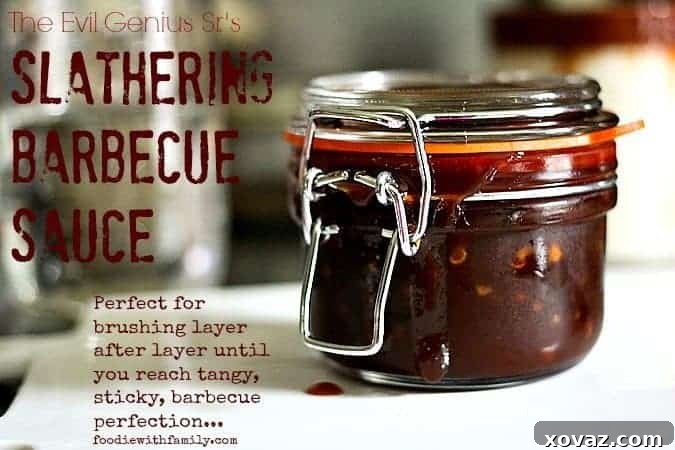
Crafting the Perfect Slathering Barbecue Sauce: A Homemade Revelation
In the vast culinary landscape, few things ignite as much passion and debate as barbecue sauce. For me, it’s not just an ingredient; it’s an obsession, a delicious journey that started years ago when I first realized the simple magic of making my own. Back then, store shelves were predominantly stocked with bottles that were, frankly, glorified ketchup. The ingredient lists often read like a chemical experiment, with high-fructose corn syrup leading the charge. This revelation immediately turned me into a homemade barbecue sauce evangelist, making it almost impossible to shell out hard-earned cash for inferior products.
Even as the market evolved to offer more “gourmet” or “high-end” barbecue sauces, my allegiance remained firmly with my kitchen creations. Why pay a premium when I knew the unparalleled taste, the vibrant freshness, and the controlled quality of a sauce made from scratch? Of course, there are rare exceptions that stand out, like the legendary Dinosaur Barbecue Sensuous Slathering sauce, which holds a special place in my heart. But generally, the satisfaction of creating a truly exceptional sauce from basic ingredients trumps anything mass-produced.
The beauty of homemade BBQ sauce lies in its transparency. You control every single component, from the type of sugar to the specific blend of spices, ensuring a product free from unwanted additives and artificial flavors. This not only results in a healthier alternative but also allows for a customized flavor profile that perfectly suits your palate and the dishes you’re preparing. It’s an empowering experience for any home cook, transforming simple ingredients into a complex symphony of tastes that elevates any grilled or smoked meat. Embracing the DIY approach to barbecue sauce is a fundamental step for any aspiring grill master looking to perfect their craft and impress with genuinely authentic flavors.
The Genesis of a Legendary Recipe: Inspired by Evil Genius, Sr.
Every great recipe often has an equally great origin story, and this slathering barbecue sauce is no exception. The tale begins with my husband, affectionately known as “The Evil Genius,” who embarked on a business trip to Georgia. This journey wasn’t just about work; it was a pilgrimage to his roots, where he spent invaluable time with his father – a man I consider a truly phenomenal cook. During his visit, his dad prepared two meals that resonated deeply, etching themselves into my husband’s memory: succulent grilled lamb chops and perfectly smoky ribs, both showcasing a mastery of regional barbecue traditions.
My husband returned home utterly captivated, raving not just about the general deliciousness, but specifically about the impeccable rub on his dad’s ribs, and, even more emphatically, the extraordinary barbecue sauce. His enthusiasm was contagious, and naturally, my curiosity was piqued. There was only one thing to do: I picked up the phone and called “Evil Genius, Sr.” to humbly request the sacred recipe. This wasn’t just about getting ingredients; it was about tapping into a lifetime of culinary wisdom, passed down through generations, and discovering the secrets behind truly memorable outdoor cooking.
His dad, with the casual wisdom of a seasoned pitmaster, explained that his usual go-to was a thinner, more North Carolina-style sauce. He then proceeded to rattle off a list of ingredients, providing precise quantities for about four key components and, in a move that I found both liberating and exciting, instructed me to add the remaining ingredients “in the quantities in which you liked them.” For a passionate cook, this isn’t just a recipe; it’s an invitation to innovate, a license to play with food, and an opportunity to imprint my own culinary signature onto a beloved family classic. This collaborative approach to recipe sharing perfectly embodies the spirit of barbecue: communal, adaptable, and deeply personal.
From North Carolina Tang to St. Louis Slather: Tailoring the Ultimate Grilling Sauce
With Evil Genius, Sr.’s foundational recipe in hand, I had a clear vision for its application. My immediate intention was to pair this incredible sauce with chicken, and for chicken, my culinary instincts lean heavily towards a more robust, St. Louis-style barbecue sauce. What distinguishes a St. Louis style? Typically, it’s characterized by a thicker, stickier consistency, designed to cling beautifully to meat, caramelizing into a visible, irresistible glaze during the grilling process. North Carolina sauces, by contrast, are often thinner and vinegar-based, intended to penetrate the meat rather than coat it, offering a sharp, tangy bite rather than a sweet, savory veneer.
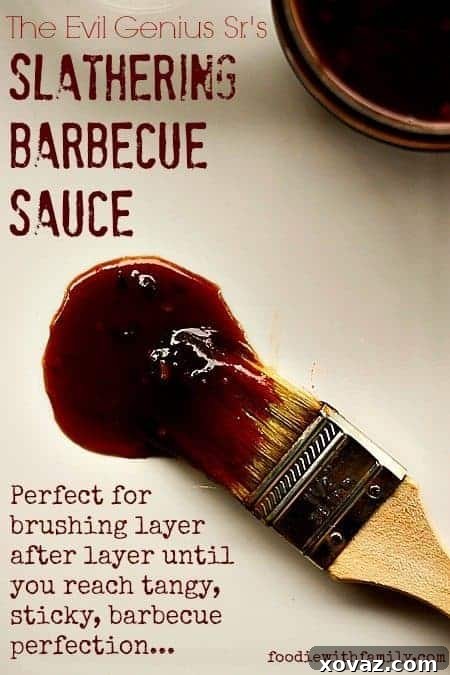
To achieve this desired St. Louis-esque texture without sacrificing the essence of the original, I decided to make a single, subtle yet impactful modification: I omitted the water. This seemingly minor change transformed the sauce’s viscosity, allowing it to thicken into that ideal “slathering” consistency. It wasn’t an overly stodgy, spreadable paste, but rather a perfect medium thickness that brushed on effortlessly, building layer upon delectable layer. This adjustment made it exceptionally suitable for continuous basting, creating that desirable sticky, lacquered finish on grilled chicken, pork, or ribs.
And the result? Pure culinary ecstasy. The sauce offered a harmonious balance of tangy apple cider vinegar, rich brown sugar, the subtle kick of Chinese pepper paste, and the smoky depth of liquid smoke. Each brushstroke laid down a foundation for caramelization, creating a sticky, glossy coating that was both visually appealing and intensely flavorful. It’s the kind of sauce that makes you close your eyes and utter a satisfied “UHNNNNNNNNNNNNGH” with every bite – a truly magical blend that enhances, rather than overwhelms, the natural taste of the chicken. The complex interplay of sweet, sour, and savory notes, coupled with a hint of spice, makes this sauce a standout.
This sauce isn’t just for chicken, though its sticky, caramelized finish is particularly magnificent on poultry. Imagine it glistening on pork ribs, pulled pork sandwiches, or even brushed onto grilled vegetables for a burst of flavor. Its versatility makes it a staple for any backyard barbecue, a secret weapon in your culinary arsenal for impressing guests and delighting family. The ability to adapt a cherished family recipe, even with such a small alteration, highlights the joy and creativity inherent in cooking, encouraging you to make it your own signature sauce for all your grilling endeavors.
Cook’s Notes & Expert Tips for Your Homemade Barbecue Sauce
While this recipe boasts a high payoff for relatively low effort, it’s not entirely hands-off. Crafting the perfect barbecue sauce requires a bit of presence and attention. Here are some essential cook’s notes to ensure your slathering sauce turns out absolutely flawless, ready to elevate your next barbecue feast:
Mindful Simmering: The Key to Perfection
- **Stay Engaged:** Although you don’t need to stir constantly, this sauce can quickly go from perfectly simmered to scorched if left unattended. Remain in the kitchen, ideally within sniffing and listening range of the pot. The sugars in the brown sugar can caramelize too quickly and burn if not managed, resulting in a bitter taste. This is the ideal time to prep other ingredients for your meal, wash a few dishes, or simply enjoy the enticing aromas filling your kitchen.
- **Watch for Consistency and Color:** As the sauce simmers, it will gradually darken in color and thicken. This reduction process concentrates the flavors, making the sauce richer and more complex. Aim for a consistency that coats the back of a spoon and leaves a clear trail when you run your finger (carefully!) through it. This indicates it’s ready to cling beautifully to your meat, creating that desirable sticky, slathering texture that makes grilled dishes irresistible.
- **Prevent Scorching:** The sugars in the sauce are prone to burning if the heat is too high or if it’s not stirred occasionally. A low, gentle simmer is crucial. If you notice any sticking to the bottom, give it a good stir and reduce the heat further. If a slight scorch does occur, immediately transfer the sauce to a clean pot, leaving the burnt bits behind, and continue simmering, though the flavor might be slightly affected. Prevention is key!
Storage Solutions: Keeping Your Sauce Fresh and Flavorful
- **Refrigerator Storage:** Once cooled completely, transfer your homemade barbecue sauce to a tightly lidded jar or an airtight container. Properly stored, it will keep beautifully in the refrigerator for up to two weeks. This makes it an excellent make-ahead component for weekend barbecues, busy weeknight meals, or whenever a craving for authentic BBQ strikes. Always ensure the container is clean and sterilized to maximize shelf life.
- **Freezer-Friendly:** For longer-term storage, this sauce freezes exceptionally well. Portion it into single-meal servings using freezer-safe containers, ice cube trays, or zip-top bags, leaving a little headspace for expansion. It will maintain its quality and vibrant flavor in the freezer for up to three months. Thaw overnight in the refrigerator before using, then reheat gently on the stovetop if desired. Freezing is a fantastic way to always have delicious homemade BBQ sauce on hand, ready for any grilling emergency!
Canning for Longevity: Proceed with Caution
- **Untested for Canning Safety:** Many home cooks inquire about canning this sauce for extended pantry storage. While it’s likely acidic enough (thanks to the apple cider vinegar and ketchup) and certainly thin enough for some canning methods, I must stress that this specific recipe has **not been tested by certified canning experts** for shelf stability. This is a critical distinction for food safety.
- **Understand the Risks:** Canning recipes require precise measurements of acidity (pH levels) and specific processing times and temperatures (either water bath or pressure canning, depending on the food) to ensure the destruction of harmful bacteria like Clostridium botulinum, which thrives in low-acid, anaerobic environments. Without proper testing and validated instructions, it’s impossible to guarantee safety for shelf storage, even for seemingly acidic foods.
- **Personal Comfort vs. General Recommendation:** Personally, I might feel comfortable pressure canning this sauce for my family, as we have no immune deficiencies and I am familiar with general canning principles. However, I cannot recommend it as a general canning recipe for others due to the untested nature. If you choose to attempt canning, please do so at your own risk and only after consulting reliable, tested canning resources and understanding the inherent risks involved. For general, safe use, refrigeration and freezing are the safest and most recommended storage methods for this fantastic homemade barbecue sauce.
Evil Genius, Sr.’s Slathering Barbecue Sauce
Yields: Approximately 4 cups
This phenomenal barbecue sauce, a perfect blend of tangy, sweet, and smoky, is a testament to family tradition and a little bit of culinary adaptation. It’s ideal for brushing onto chicken, ribs, or any meat that benefits from a luscious, caramelized glaze. Get ready to elevate your grilling game with this simple yet incredibly flavorful homemade creation!
Ingredients
- 1 cup ketchup (a good quality brand without high fructose corn syrup is preferred)
- 1 cup apple cider vinegar (adds a crucial tanginess and depth)
- 1 cup brown sugar, packed (for sweetness and rich caramelization)
- 1/2 cup Jack Daniels honey Dijon mustard (or any good quality honey Dijon mustard for a unique savory-sweet kick)
- 3 tablespoons soy sauce (enhances umami and balances flavors)
- 3 tablespoons Chinese pepper paste (such as Chili Garlic Sauce or Sambal Oelek, for a savory heat and vibrant color)
- 4 cloves garlic, peeled and minced (essential aromatic foundation)
- 1 teaspoon liquid smoke (for that authentic, deep smoky flavor without a smoker)
- 1/2 teaspoon cayenne pepper (optional, adjust to your preferred spice level – for those who like it hot!)
Instructions
- In a medium saucepan, combine all ingredients: ketchup, apple cider vinegar, brown sugar, Jack Daniels honey Dijon mustard, soy sauce, Chinese pepper paste, minced garlic, liquid smoke, and cayenne pepper (if using). Whisk well to ensure everything is thoroughly combined.
- Place the saucepan over medium-high heat. Bring the mixture to a rolling boil, stirring continuously until the brown sugar is completely dissolved. This initial high heat helps to integrate all the ingredients and activate the spices.
- Once boiling, reduce the heat to low. Allow the sauce to simmer gently for about 15 minutes, stirring frequently to prevent sticking and scorching. During this time, the sauce will gradually darken in color and begin to thicken, as the flavors meld beautifully.
- The sauce is ready when it coats the back of a spoon and leaves a clear trail when you carefully run your finger through it. Be cautious as the sauce will be hot. Remember that it will thicken slightly more as it cools.
- Remove from heat. Use the sauce immediately to brush onto your favorite grilled meats, or allow it to cool completely before storing.
- For storage, transfer the cooled sauce to a tightly lidded jar or airtight container. It can be kept in the refrigerator for up to two weeks, or frozen in individual portions for up to three months, ensuring you always have a supply of this incredible sauce.
Nutritional information provided is an estimate and should be calculated with the actual ingredients used in your recipe using your preferred nutrition calculator.
Share Your Culinary Creations!
Have you whipped up a batch of Evil Genius, Sr.’s Slathering Barbecue Sauce? We’d love to see your delicious results and hear about your grilling adventures! Share your photos and experiences on Instagram.
Make sure to tag @foodiewithfam and use the hashtag #foodiewithfamily so we can admire your grill master skills and celebrate your success!
Happy grilling and delicious eating!