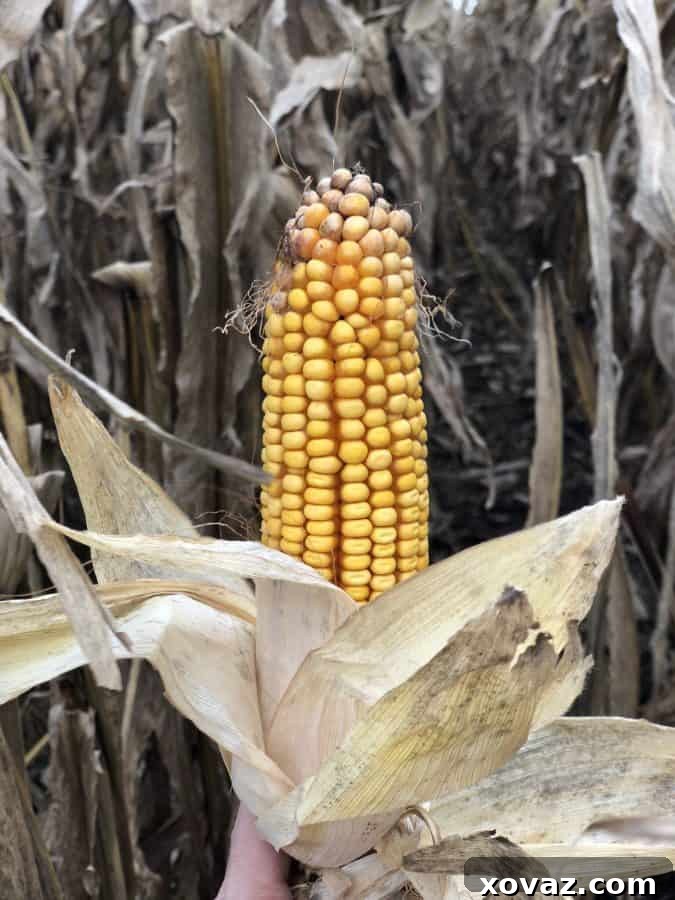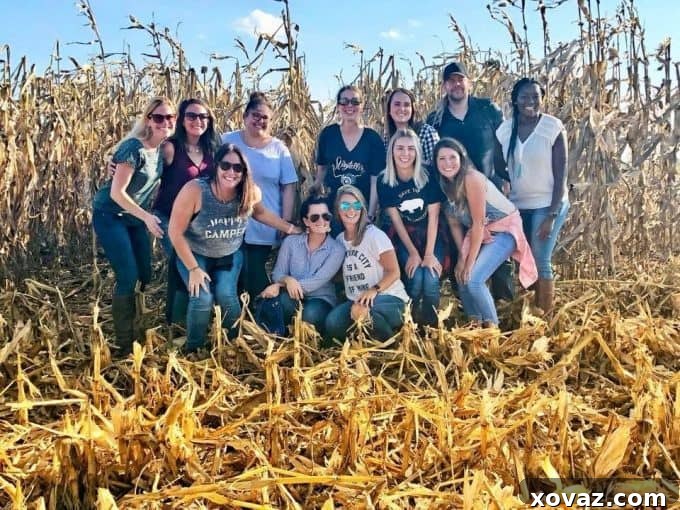
I am delighted to share this comprehensive exploration of the multifaceted uses of corn, a project made possible through my partnership with the dedicated team at the Iowa Corn promotion board. As always, all photographs, recipes, and insights presented herein are entirely my own.
Last September, I embarked on an enlightening journey to Iowa, where I received a swift yet profoundly impactful education on the astonishing versatility of corn. My initial preconception, like many others, might have been, “Well, obviously, corn is food.”
Before my trip, I shared that very sentiment. However, having witnessed firsthand the incredible scope of corn’s applications, I’m now genuinely awestruck by its presence not just on our plates, but woven into the very fabric of our daily lives. And for a corn enthusiast like myself, that’s truly exciting!
Corn’s Ubiquitous Presence: A Culinary Exploration
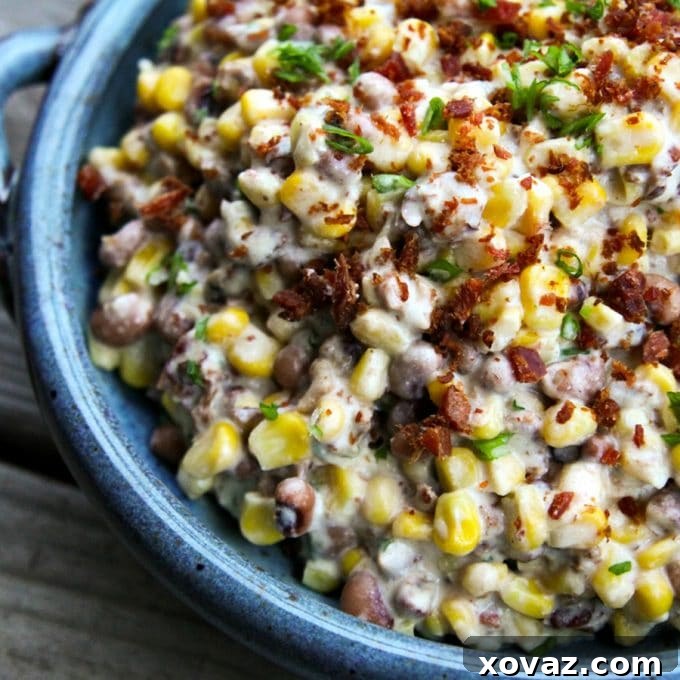
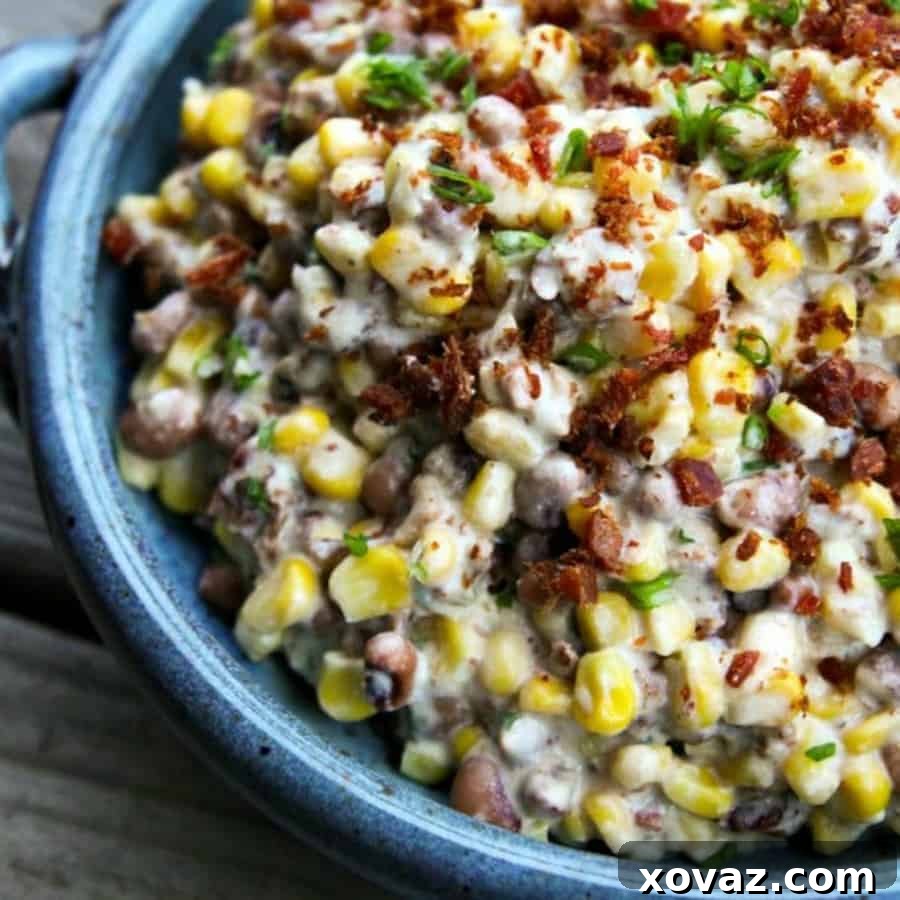
The question “What foods is corn in?” might seem straightforward at first glance, but its answer reveals a depth far beyond the obvious. It’s true that my culinary archives at Foodie with Family boast over 300 corn-centric recipes, showcasing corn in its most recognizable forms. These include crowd-pleasers like Hot Corn Dip, the savory Slow Cooker Black Bean Bacon Corn Dip, vibrant Black Bean and Corn Tacos, the sweet indulgence of Salted Caramel Corn, and the comforting Roasted Corn Potato Chowder. These dishes celebrate the kernel itself, whether fresh, frozen, or canned, highlighting its natural sweetness and texture.
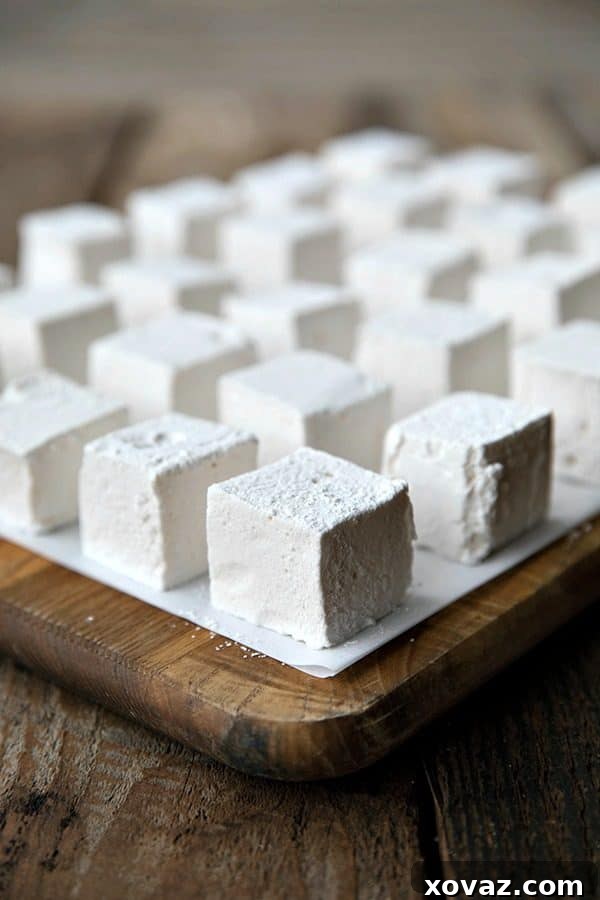
However, the true marvel of corn’s culinary reach lies in its derivatives, often subtly integrated into countless recipes and processed foods. Consider the foundational ingredients in many beloved dishes: my Grandma’s Buttermilk Cornbread, with its distinctive texture and flavor, owes much to cornmeal. The ethereal lightness of homemade marshmallows is achieved through the magic of corn syrup, providing sweetness and structure. And the silken sauces in dishes like Cheater Sesame Chicken are perfectly thickened with cornstarch. Beyond these direct applications, corn permeates our diets in myriad forms: the satisfying crunch of tortilla chips and Fritos, the classic breakfast staple of corn flakes, the creamy richness of polenta, and the versatile cooking medium that is corn oil. Even lesser-known ingredients like maltodextrin, used as a thickener or filler, and treacle (particularly in the UK) can trace their origins back to corn. When I truly reflect on how much of my daily consumption includes corn-based products, the extent is truly astounding and a testament to its incredible utility.
Beyond the Kitchen: The Expansive World of Corn

Where does one even begin to catalog the non-food applications of corn? Cornstarch, a familiar face in the pantry, extends its utility far beyond culinary arts, finding roles in cosmetics as a natural absorbent and in pharmaceuticals as a binder or filler in tablets. Yet, this is merely scratching the surface of corn’s industrial footprint.
Its derivatives are instrumental in sustaining livestock, providing essential nutrients in animal feed. In the realm of sustainability, corn contributes to the creation of bio-plastics, offering biodegradable alternatives for everything from packaging to disposable cutlery, thus lessening our reliance on petroleum-based plastics. Surprisingly, corn components are even found in the construction of batteries and the manufacturing of matches, demonstrating its chemical versatility. In the textile industry, corn derivatives can enhance the durability and feel of fabrics and carpets, while crayons benefit from its binding properties. Perhaps one of the most significant and rapidly expanding non-food uses of corn is in the production of ethanol.
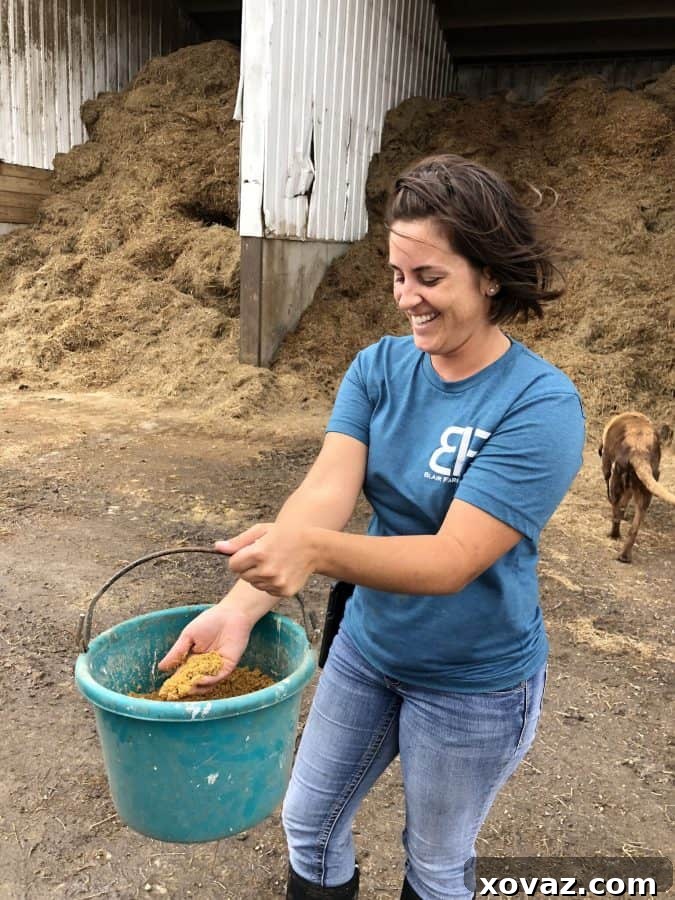
During my immersive trip to Iowa, I had the incredible opportunity to visit several multi-generational family farms that dedicate their livelihoods to growing corn. These farmers provided an invaluable education on the myriad ways corn is utilized to nourish livestock. And here’s a crucial insight: it’s not just the kernels. Modern farming practices ensure that virtually the *entire* corn plant, from stalk to kernel, is repurposed efficiently, embodying a truly sustainable approach.

My Iowa experience also included a thrilling ride in the pace car at the Iowa Speedway, renowned as the world’s fastest short track. To say my children were envious would be a considerable understatement! While I’d love to share the video footage, it scarcely conveys the sheer speed we reached – over 120 mph – and honestly, it mostly features me engaging in a lot of silent prayer. Prior to this exhilarating, fastest-ride-of-my-life adventure, we were given a fascinating explanation of the profound connection between corn and fuel production in the United States.
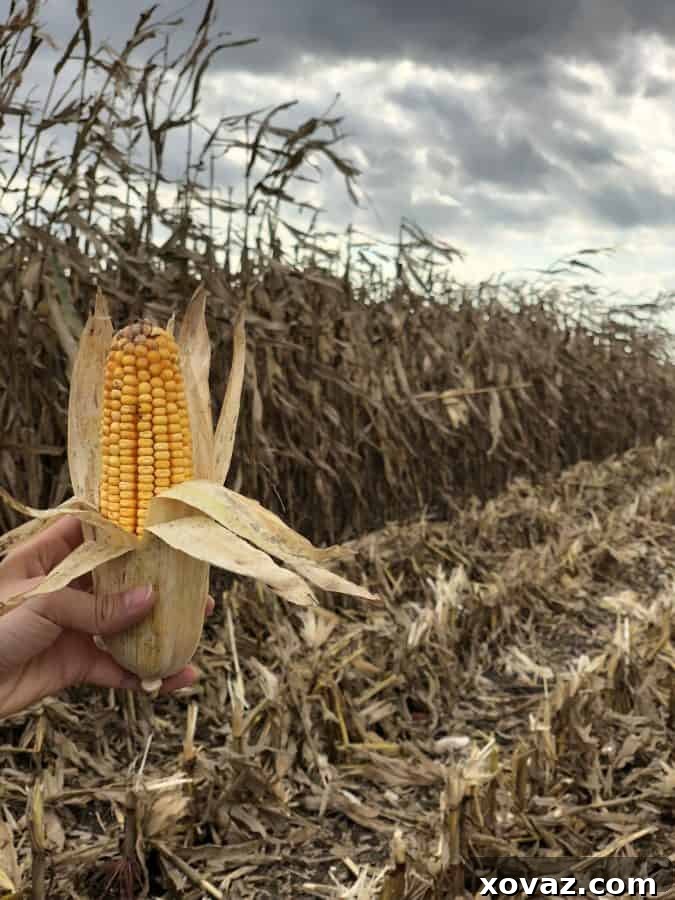
Ethanol: Fueling Progress with Corn
At its core, ethanol is a clean-burning fuel produced through the fermentation of corn. More comprehensively, it serves primarily as a crucial additive to gasoline in the United States, playing a vital role in reducing harmful particulate emissions from vehicles. By blending ethanol with gasoline, we achieve a more efficient and environmentally conscious fuel, contributing to cleaner air and a healthier planet.
Addressing the “Food vs. Fuel” Misconception
A common misconception is that growing corn for ethanol diverts a valuable food source from animals or humans. This notion is, in fact, entirely unfounded. The innovative process of ethanol production is designed to be remarkably efficient and symbiotic. During the creation of ethanol, the starch component of the corn kernel is fermented and then distilled to produce the liquid fuel. What remains after this process are the non-fermentable, nutrient-rich components of the corn: protein, germ, and fiber.
These valuable co-products are transformed into what are known as “distillers grains.” Far from being waste, distillers grains are an incredibly potent and highly sought-after source of nutrients for livestock feed. This means that the corn grown for ethanol simultaneously contributes to both the nation’s fuel supply and its animal agriculture, demonstrating a remarkable level of resource optimization.
The Zero-Waste Imperative in Ethanol Production
While I briefly touched upon the integration of distillers grains into livestock feed, its significance warrants further attention. Boasting an impressive protein content of approximately 40%, distillers grains provide a superior protein source for a wide array of farm animals. Furthermore, their high fiber content makes them an invaluable addition to the diets of many livestock, enhancing digestion and overall health.
Thus far, we’ve accounted for the fermentable components of corn through ethanol production and the non-fermentable components through distillers grains. But what truly impressed me, highlighting the ingenious efficiency of modern agriculture, is that the commitment to zero waste extends even further.
Did you know that not even the carbon dioxide produced during the ethanol manufacturing process goes to waste? It’s genuinely astonishing! This CO2 is meticulously captured and repurposed for a variety of essential uses, including freezing ice cream, manufacturing dry ice for numerous industries, and even carbonating beverages. This comprehensive utilization ensures that every part of the corn, and every byproduct of its processing, serves a purpose.
The dedicated farmers and visionary ethanol producers I engaged with proudly described their corn-growing process as “sweeping the floor clean.” This powerful metaphor perfectly encapsulates their philosophy: an unwavering commitment to achieving zero, or virtually zero, waste throughout the entire production cycle. The relentless innovation and dedication to sustainability demonstrated by these American farmers continue to inspire and amaze me.
Is Ethanol a Clean Fuel?
During my trip, representatives from the American Lung Association were present to shed light on the stark differences in polluting effects between conventional gasoline and ethanol. They conducted a compelling demonstration using two small spirit lamps: one filled with gasoline and the other with ethanol.
Upon lighting the wicks of each lamp, the difference was immediately apparent and strikingly clear. The gasoline lamp emitted copious amounts of thick, black smoke, creating a noticeable haze and prompting a momentary concern about the indoor fire control system. In stark contrast, the ethanol lamp produced absolutely no visible particulates or smoke whatsoever! There was only a clean, vibrant flame, with a clear heat trail rising above it.
This simple yet powerful demonstration vividly illustrated ethanol’s superior environmental profile as a much cleaner-burning fuel, contributing significantly to reduced air pollution and fostering a healthier breathing environment for everyone.
To delve deeper into the fascinating and diverse applications of corn, from nourishing our bodies to powering our vehicles, I wholeheartedly encourage you to visit the Iowa Corn website!