Welcome back to the “Saving Money in the Kitchen” series! This post marks Part III of our journey towards a more economical and efficient culinary life. If you’re just joining us, be sure to catch up on the foundational tips in
Part I and
Part II. Today, we’re diving deep into two crucial elements of budget-friendly living: strategic meal planning and intelligent grocery list creation. While I initially aimed to cover more ground, I’ve decided to dedicate this entire post to these two powerhouse tips to ensure you receive the most comprehensive and actionable advice. Trust me, mastering these will transform your kitchen habits and your bank account.
Beyond our money-saving discussions, we also have something incredibly delicious to share today – a homemade treat that’s sure to bring joy to your taste buds without breaking the bank. And stick around until the very end because there’s an exciting giveaway to help stock your pantry with a truly exceptional ingredient!
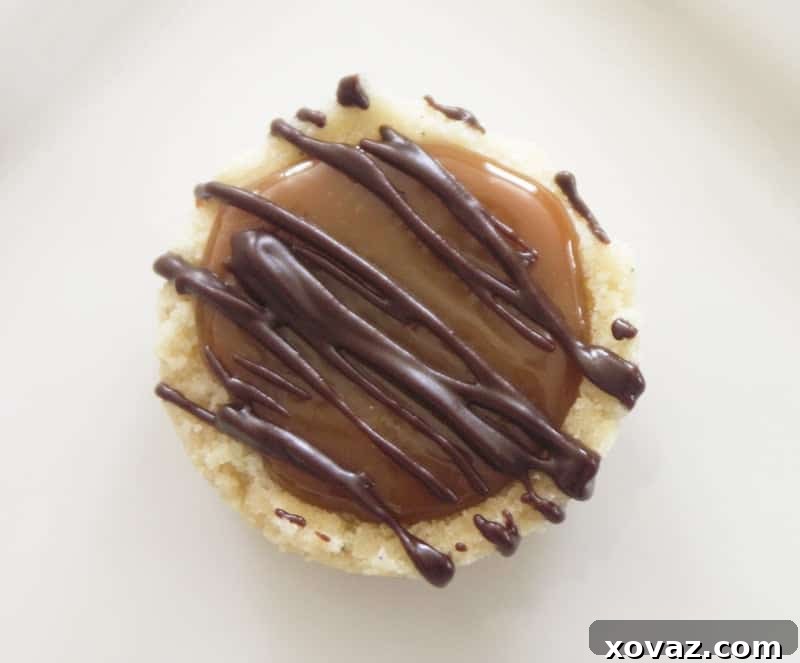
Let’s take a moment to appreciate the star of our recipe section today. Feast your eyes on these delectable morsels:
Oh, yes. We’re about to embark on a delightful culinary adventure with these beauties.
Admittedly, I might have indulged in a few too many while developing this recipe – a testament to their irresistible nature! But fear not, I’m re-centered and ready to guide you through more fantastic ways to save money. So, grab your notebook and a pen; it’s time to refine your kitchen strategies.
Strategic Meal Planning: Maximizing Your Pantry Before You Shop
One of the most effective ways to save money, reduce food waste, and minimize stress in the kitchen is through thoughtful meal planning. This isn’t just about jotting down a few dinner ideas; it’s a comprehensive approach that considers your existing inventory and future needs. To master this, focus on three key steps before you even think about setting foot in a grocery store.
1. Determine Your Planning Timeframe
- Start Small, Grow Big: While the idea of planning a month’s worth of meals might sound appealing for maximum efficiency, experience teaches us that starting with a shorter timeframe is far more sustainable and effective. I recommend beginning with a four-day to one-week plan. This allows for flexibility and accounts for changes in taste or unexpected events. Many years ago, I optimistically attempted to plan an entire month’s worth of meals, reasoning that if a week was good, a month would be four times better. The reality? I spent a significant amount of money on ingredients, crammed my refrigerator, and completely abandoned the plan within eight days. My tastes shifted dramatically – from a French cuisine obsession to a Mexican food fixation – making my pre-planned meals utterly unappealing. This costly lesson taught me that planning too far in advance often leads to wasted food and money. By keeping your planning window shorter, you stay agile and responsive to your family’s evolving preferences.
2. Inventory Your Kitchen: Shop Your Pantry First
- Unlock Hidden Treasures: Before creating any new shopping list, take a thorough inventory of your refrigerator, freezer, pantry, and any other storage areas. What ingredients do you already have on hand that are nearing their expiration date or could be incorporated into meals? Make a detailed note of these items. Now, refer to your list of potential meals – perhaps a running list of family favorites or new recipes you’re eager to try. Compare these two lists. Do you have most of the ingredients for any of your potential meals already? If so, prioritize these for the upcoming week. This simple act of “shopping your pantry” first significantly reduces impulse buys and ensures that ingredients don’t go to waste. You’ll be amazed at how many meals you can craft from items you already own, saving you both time and money.
3. Account for All Meals and Snacks
- Comprehensive Coverage: When mapping out your meals, don’t just focus on dinner. Consider every eating occasion: breakfasts, lunches, and, crucially, snacks. Many people overlook snacks, which can lead to impromptu, often expensive, trips to the store or less healthy choices. I’ve made this mistake twice! One time, I simply forgot to plan for them. Another time, in an attempt to improve our diet and cut costs, I intentionally left them off the list. By the third day, with five hungry kids in tow, I caved. I ended up racing through the aisles, indiscriminately tossing fruit snacks, granola bars, chips, rice cakes, candy bars, and dry cereal into the cart. Not only did it not improve our diet, but it also blew the budget. Planning for snacks means you’re more likely to opt for healthier, more budget-friendly options like carrot sticks with hummus, or crackers with yogurt dill dip, which are far kinder to both your wallet and your waistline than a bag of chips and French onion dip. Incorporating all meals and snacks into your plan creates a holistic view of your family’s food needs.
With your core meal list now established for the next few days, it’s time to fine-tune your schedule with practical considerations:
- Evening and Weekend Commitments: Review your schedule for any busy evenings or weekend commitments that might demand quicker meals. Assign your fastest and easiest recipes to these nights. Being realistic about your energy levels will prevent you from ordering takeout because you’re too exhausted to tackle a complex meal. There’s no point planning a dish that requires an hour and a half of active cooking on a weeknight when you know you’ll be drained.
- Advance Preparation: Do any of your chosen meals require steps that need to be done a day or two in advance, such as marinating meat, soaking beans, or making a slow-cooked sauce? Note these pre-prep tasks on your meal schedule to ensure smooth execution and prevent last-minute rushes.
- Packed Lunches: If you or anyone in your household packs lunches for work or school, incorporate these into your plan. Designate time the night before to prepare them, ensuring a stress-free morning and healthy, cost-effective meals throughout the day.
Smart Shopping List: Knowing What You Need and How to Get It
Once your meal plan is solid, the next step is to create an efficient grocery list that only includes what you truly need. This prevents overspending and ensures you have all the necessary ingredients without excess.
Let’s illustrate with an example. Imagine one of your planned meals is broiled salmon with soba noodles, a vibrant ginger scallion sauce, and a refreshing cucumber salad. After checking your pantry, you find the salmon in your freezer and the soba noodles on the shelf. For the sauce and salad, you have everything except fresh ginger, scallions, and a cucumber. In this scenario, your grocery list for the produce section would simply include: seedless cucumbers, fresh ginger, and scallions. This precision is key to avoiding unnecessary purchases.
The Standardized Grocery List Template
To further enhance your shopping efficiency, I highly recommend using a standardized grocery list template. I keep mine prominently displayed on the front of my refrigerator. The moment I run out of an item or realize I’ll need it soon, I jot it down. If the refrigerator door is too public, tape it inside a kitchen cabinet, always keeping a pencil nearby for easy access.
My personal list is a simple table I designed years ago in a word processing program, but you can just as easily divide a piece of paper into five distinct boxes with these essential headings:
- Produce: All fresh fruits and vegetables.
- Grocery: Shelf-stable items such as dried pasta, canned goods (tomatoes, beans), flour, sugar, spices, cereals, snacks, and condiments.
- Dairy/Frozen: Milk, cheese, yogurt, eggs, butter, ice cream, frozen vegetables, frozen meats, and other chilled or frozen items.
- Meat/Deli: Fresh meats (poultry, beef, pork), fish, deli meats, and cheeses from the deli counter.
- Household/Miscellaneous: This catch-all category is vital for non-food essentials like cleaning supplies, paper goods (toilet paper, paper towels), pet food, personal care items, motor oil, light bulbs, or anything else that doesn’t fit neatly into the food categories.
Here’s an image of the current running list fixed to my refrigerator, demonstrating how this simple system keeps our household well-stocked and our shopping trips focused.
Once I recover from this sugar high – and perhaps grill this giant flank steak I’ve been eyeing – we’ll delve into the importance of building flexibility into your plans and, perhaps most importantly, why it’s crucial not to take any of this too seriously. But for now, let’s turn our attention to the star of today’s recipe and the exciting giveaway!
Homemade Twix Cookies: A Delectable Treat to Brighten Your Day
Before we dive into this incredible recipe, I must offer a gentle warning about my homemade Twix cookies. Yes, this recipe yields quite a few, which isn’t the problem. The real challenge lies in their miniature size. There’s something about small food that tricks the mind into believing consuming many pieces is perfectly justified. If we were discussing mini salads, this wouldn’t be an issue. But we’re not talking about salads. We’re talking about bite-sized golden butter shortbread cookies, generously topped with rich, real dairy caramel, then exquisitely dipped in a luscious dark chocolate coating made with heavy cream and even more butter. Have mercy on my soul, they are truly divine. This has been a public service announcement from Foodie With Family, and I can confirm, these are dangerously delicious.
If you possess more self-control than I do, I highly recommend stashing these in the refrigerator for at least a day before indulging. While they are undeniably good when fresh – as my now burgeoning backside can attest – the depth of flavor they develop after chilling for twenty-four hours is absolutely astonishing. The textures meld, and the flavors intensify, creating an even more irresistible treat. Plus, making homemade treats like these often proves to be significantly more cost-effective than buying store-bought equivalents, aligning perfectly with our money-saving mission.
For a photo-free, printer-friendly version of this recipe,
click here!
Homemade Twix Cookies Recipe
Ingredients:
- 1 cup plus 2 Tablespoons unsalted butter, at room temperature, divided
- 1 teaspoon kosher salt
- 3/4 cup granulated sugar
- 2 cups unbleached, all-purpose flour
- 1 teaspoon vanilla extract or ground vanilla
- one batch dulce de leche (homemade or purchased)
- 12 ounces semi-sweet chocolate chips
- 1 Tablespoon heavy cream
Instructions:
- In a large bowl, cream together 1 cup of the butter, kosher salt, granulated sugar, and vanilla extract until the mixture is thoroughly combined and light and fluffy. As tempting as it may be, refrain from sampling this delicious concoction; it will throw off your ingredient ratios!
- Gradually add the flour to the creamed butter mixture, blending until the dough resembles moist sand. You should see small, pea-sized pieces scattered throughout.
- To test the consistency, take a small handful of the mixture and squeeze it gently. It should hold together well, indicating the perfect shortbread dough.
- Preheat your oven to 300°F (150°C).
- Lightly butter or spray a 36-count mini-muffin pan with non-stick cooking spray. Mound the shortbread dough mixture into each mini-muffin cup. You can use your fingers to gently flick the sand-like dough into the wells.
- Use a small wooden tamper or your fingertips to firmly press down the dough into the bottom of each muffin cup, creating a solid base for your cookies.
- Once all the dough has been firmed, carefully use the tamper (or the back of a small spoon) to create a shallow well in the center of each cookie. This indentation will hold the dulce de leche.
- Bake for approximately 15 minutes, or until the edges of the cookies are lightly golden. Be careful not to overbake, as this can make them dry. Remove the pan from the oven and place it on a wire cooling rack for 10 minutes.
- After 10 minutes, the cookies should be sturdy enough to remove. If they’re a bit stubborn, allow them to cool a little longer. Then, use the dull end of a butter knife to gently apply pressure to one edge of a cookie; it should pop right out of the pan. Let the cookies cool completely on the cooling rack before proceeding with the filling.
- Once the cookies are thoroughly cooled, fill each well with a generous dollop of dulce de leche. Place each filled cookie onto a clean, rimmed baking pan lined with a Silpat mat or parchment paper. When all the cookies are filled, transfer the entire tray to the freezer for a minimum of two hours. This step is crucial for firming up the caramel and ensuring a clean chocolate dip.
- Before removing the cookies from the freezer, prepare your chocolate coating. In a microwave-safe container, combine the remaining 2 tablespoons of butter, the 1 tablespoon of heavy cream, and the 12 ounces of semi-sweet chocolate chips. Microwave on high for 30 seconds. Stir with a silicone or rubber spatula. Continue microwaving in 10-second increments, stirring well after each interval, until the chocolate is completely melted and smooth.
- Remove the chilled cookies from the freezer. Working quickly, dip the bottom half of each cookie into the melted chocolate, allowing any excess to drip away before carefully returning it to the lined baking tray. The cold cookies will help the chocolate set quickly.
- Once all the cookies have been dipped, return the pan to the freezer for another thirty minutes to allow the chocolate coating to fully set.
- If your remaining chocolate has solidified during the chilling process, simply microwave it again in 10-second increments, stirring after each, until it’s fluid and smooth. Take the cookies from the freezer. You can now either drizzle chocolate over each cookie for an elegant finish or, for a more indulgent experience, pick up each cookie and dip half of its upper surface into the chocolate. If you choose the full dip, work very quickly, as the dulce de leche will return to room temperature rather rapidly, making the process much messier. An informal poll among my Facebook friends revealed a minority preferred the entire cookie dipped in chocolate. I attempted this, and while they were delicious, they ended up looking more like a large lump of chocolate (and I confess, I ate them before I could photograph them!).
- Store any leftover cookies loosely wrapped in the refrigerator. That is, if you happen to have any left!
Now for the Exciting Giveaway!
To further support your journey to a well-stocked and budget-friendly kitchen, I’m thrilled to announce today’s giveaway! There are certain pantry staples that simply make life more pleasant, and high-quality cinnamon is definitely one of them. Specifically, I’m talking about Korintje Cinnamon. You might have seen tiny bottles of this exceptional cinnamon sold at premium prices at gourmet kitchen gadget parties. I received a bottle once, and there was no turning back.
This Indonesian cinnamon is renowned for its sweet, incredibly fragrant aroma and complete lack of bitterness. It’s an absolute revelation if you’re accustomed to the ubiquitous, often less potent, 99-cent bottles of uncertain age. I want one lucky reader to experience this difference firsthand, which is why I’m giving away a full pound of premium Korintje Cinnamon from one of my favorite spice companies, Frontier Herbs. This particular cinnamon boasts a robust 3% oil content, contributing to its unparalleled fragrance and flavor. One pound of this exquisite spice should keep your baking and cooking infused with warmth and sweetness for a considerable time!
How to Enter the Giveaway:
The rules are straightforward and designed to foster a little community wisdom sharing. Simply leave a comment on today’s post sharing some of your own tried-and-true money-saving tips for the kitchen. If you don’t have any tips to share yet, no problem at all! Instead, tell me where you feel you need the most help. Is it streamlining your menu planning? Mastering grocery shopping without overspending? Figuring out what meals to make based on your family’s unique preferences? (Or, perhaps, a more personal query like “How do I get my dog to stop eating garbage?” – if anyone has solutions for that, I’d be eternally grateful!)
Additionally, I’m always looking for ways to provide valuable content, so let me know if there’s any particular topic you’d like to see covered here on Foodie With Family in future posts.
Please, one entry per person to keep things fair. I will randomly draw a winner next Wednesday when I conclude the “Better Living List” portion of our “Saving Money in the Kitchen” series. Good luck, and I look forward to reading your insightful comments!