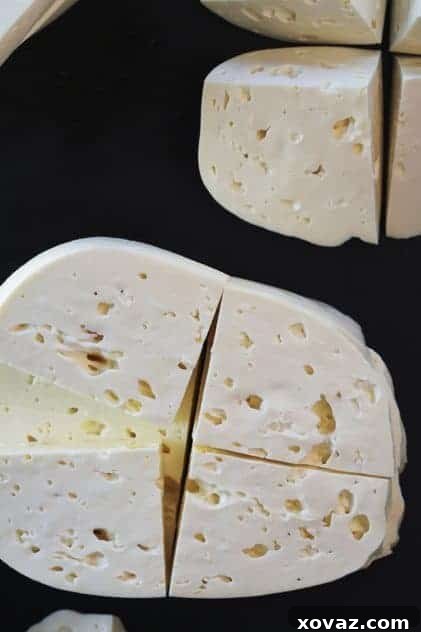
Unlock the Flavor: Your Guide to Making Authentic Homemade Feta Cheese
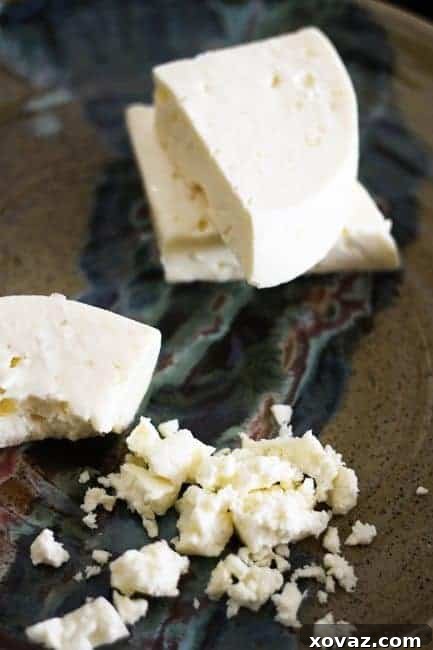
For far too long, I’ve been promising to share my cherished recipe for homemade feta cheese. What started as a casual mention has lingered for a couple of years (time flies when you’re making cheese, apparently!). But the wait is over, and today, I’m finally unveiling the secrets to crafting your very own batch of this incredible, briny delight. You might wonder why anyone would go through the effort of making feta from scratch when so many options are available at the store. The answer, as it often is for the most rewarding pursuits, comes down to two simple reasons: superior taste and the profound satisfaction of creation.
There’s an undeniable joy that comes from accomplishing something that initially appears daunting or even “undo-able.” Making cheese at home falls squarely into this category. Not only does homemade feta possess a depth of flavor and a nuanced texture that store-bought versions simply cannot replicate, but it also delivers a sense of pioneer spirit, a “pull-yourself-up-by-your-bootstraps” satisfaction that is incredibly gratifying. It’s an experience that transcends mere cooking; it’s a connection to traditional craftsmanship, an edible testament to your ingenuity.
Beyond the personal fulfillment, there’s another compelling, and frankly, quite amazing reason to dive into the world of homemade feta: the sheer economics. For the relatively modest cost of three gallons of milk – whether you opt for pasteurized, homogenized, or raw, cow or goat milk – and just a few dollars worth of essential cultures and enzymes, you can produce a truly massive amount of feta cheese. We’re talking about filling an entire gallon jar with delicious, brined feta! If the idea of cheesemaking seems intimidating, consider the return on investment. The initial risk is minimal, perhaps around twelve to fifteen dollars in materials (depending on local milk prices), for a potential yield of cheese that would retail for forty dollars or more. Plus, an enormous boost to your culinary confidence! And if, by some slim chance, things don’t go perfectly, your furry friends will happily enjoy the “errant” cheese. It’s a win-win, really.
I’m going to get straight into the instructions, as even with a concise explanation, this guide will be comprehensive, especially with the step-by-step photos. Let’s start with some crucial foundational notes to ensure your cheesemaking journey is smooth and successful:
Essential Tips for Successful Homemade Feta Production
- Stay Calm and Enjoy the Process: Cheesemaking is not meant to be a stressful endeavor. While the steps might seem detailed, it’s actually quite straightforward if you take it one step at a time. Embrace the learning curve, and don’t hesitate to consult this guide as you go. Patience is a cheesemaker’s best friend.
- Understand the Time Commitment (Mostly Hands-Off): Don’t be discouraged by the overall length of time required to make feta. A significant portion of this time involves waiting for cultures to work or curds to drain, meaning your active “hands-on” time is relatively limited. A heads-up for first-time cheesemakers or fermenters: the process can sometimes produce a slightly pungent aroma. This is completely normal and a sign that the beneficial bacteria are doing their job. Remember, cheesemaking is essentially a controlled process of “souring” milk in the right way to create delicious results!
- Essential Equipment Checklist: You don’t need an elaborate cheese cave, but a few key pieces of equipment are vital. These include a very large, non-reactive pot (stainless steel is ideal), a reliable heat source, a long knife or an offset spatula for cutting curds, a colander, and a sturdy place from which to hang your cheese. Most critically, you’ll need butter muslin. This is not the same as the “fine” cheesecloth often found in grocery or hardware stores. Butter muslin is exceptionally fine-weave cheesecloth, essential for proper draining without losing too much curd. Always look specifically for “butter muslin” to avoid disappointment. You can usually find it at specialty cooking stores or online retailers like Amazon.com.
- Milk Choices: Versatility and Flavor: This recipe is incredibly adaptable, allowing you to use either raw milk or pasteurized/homogenized milk. You can also choose between cow milk or goat milk, each yielding a uniquely delicious feta. Goat milk naturally produces a tangier feta, while cow milk tends to be milder.
- Enhancing Cow Milk Feta with Lipase: If you’re using cow milk and desire that characteristic “tang” often associated with traditional feta, consider adding a bit of lipase powder. Lipase is an enzyme naturally present in higher concentrations in goat milk, contributing to its distinct flavor profile. Incorporating lipase powder into your cow milk feta recipe will infuse it with that desired bite. You can easily source lipase powder from specialized cheesemaking suppliers or online retailers such as Amazon.com.
- Non-Negotiable Ingredients: Mesophilic Culture and Rennet: While lipase is optional, mesophilic culture and rennet are absolutely essential for making feta. These are the key agents that transform milk into cheese. Again, these specialty ingredients are readily available online. For mesophilic culture, you can find options like this one.
- Choosing the Right Rennet: It’s crucial not to confuse cheesemaking rennet with Junket Rennet, which is designed for making custards and will not yield proper cheese curds. My preferred rennet for cheesemaking is derived from animal sources, ensuring consistent results. You can find high-quality animal rennet here.
- Vegetarian Rennet Alternatives: For those who prefer a vegetarian option, there are excellent plant-based rennets available that produce equally delicious feta. A perfectly acceptable and flavorful vegetarian rennet can be found via this link.
- Optimal Starting Time: I highly recommend beginning the cheesemaking process around lunchtime. This timing allows you ample daylight hours to complete the intensive “Day One” portion of the recipe without rushing into the late evening.
Unleash Your Culinary Creativity: Uses for Your Abundant Homemade Feta
Imagine the culinary possibilities with an entire gallon jar brimming with your own incredible homemade feta cheese! Feta is a remarkably versatile ingredient that can elevate countless dishes. Go wild and experiment with its briny, salty, and tangy notes. Crumble it generously over fresh salads, particularly Greek or Mediterranean-inspired creations. It’s an indispensable component in savory pies like spanakopita, adding a creamy, flavorful depth. Sprinkle it on pizzas for a delightful salty kick, or stir it into warm soups to enrich their flavor profile. Elevate your morning routine by folding it into omelets or scrambled eggs. For a simple yet satisfying snack, pair chunks of feta with olives and crusty bread. You can even bake it into savory breads or pastries. The options are truly endless! Where will you use your newfound wealth of homemade feta?
Consider these tempting ideas:
- Toss it into a vibrant Mediterranean lentil salad for added protein and zest.
- Stuff bell peppers or zucchini with a mixture of rice, herbs, and feta, then bake until tender.
- Create a quick and flavorful pasta dish with cherry tomatoes, spinach, olive oil, and crumbled feta.
- Sprinkle it over baked potatoes or sweet potatoes, perhaps with a drizzle of good olive oil.
- Use it as a topping for grilled vegetables like asparagus, eggplant, or corn on the cob.
- Blend it into creamy dips or spreads for an instant flavor boost.
- Make simple feta and olive skewers for an easy appetizer.
With this much homemade feta, your kitchen will become a hub of Mediterranean-inspired deliciousness!
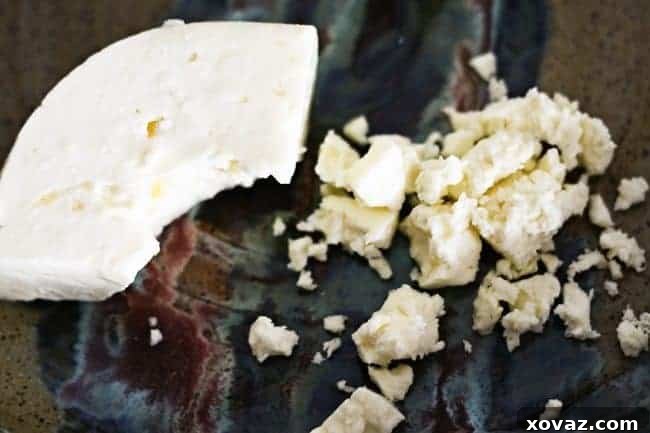
Homemade Feta Cheese | Make Ahead Mondays
By Rebecca Lindamood
Prep Time: 1 hr
Pin Recipe
Discover the incredible satisfaction of making homemade feta cheese. With three gallons of milk, a dash of expertise, and some dedicated time, you’ll yield a generous batch of intensely flavorful feta. Don’t let cheesemaking intimidate you! This method is gently adapted from Fias Co Farm, a fantastic resource for troubleshooting and additional cheesemaking insights.
Ingredients
For the Cheese:
- 3 gallons fresh raw or pasteurized and homogenized goat or cow milk
- 1/4 teaspoon Mesophilic culture (see links in the post for sourcing)
- 1/4 teaspoon lipase powder (if using cow milk, omit for vegetarian cheese as lipase is often animal-derived)
- 1 teaspoon single-strength liquid rennet dissolved in 1/2 cup of cool, unchlorinated water (alternatively, use 1/2 teaspoon double-strength liquid OR 3/4 of a crushed vegetarian rennet tablet in 1/2 cup unchlorinated water)
- kosher salt (no substitute; essential for flavor and texture)
For the Brine:
- 1/2 cup kosher salt (again, no substitute)
- 1 gallon cool, unchlorinated water
Instructions
To Make the Cheese:
-
Begin by sterilizing all your cheesemaking equipment, including your butter muslin, with boiling water. This crucial step prevents unwanted bacteria from contaminating your cheese.
-
In a very large, non-reactive pot (stainless steel is best), gently heat all three gallons of milk to a temperature between 86°F and 88°F. Once at temperature, add the mesophilic culture and the lipase powder (if you are using it for cow milk). Stir thoroughly with an up-and-down motion to evenly distribute the cultures. Cover the pot and let it rest for one hour. Throughout this hour, strive to maintain the 86°F-88°F temperature. If you find it challenging to hold the temperature steady, you can place your large pot inside an even larger pot containing about an inch of hot water. This creates a gentle bain-marie effect, helping to regulate the milk’s temperature more gradually than direct heat. The goal is to avoid any rapid temperature fluctuations, which can negatively impact the culture’s activity.
-
After the hour of resting, add the dissolved rennet solution to the milk. Stir vigorously for 15-20 seconds to ensure it’s fully incorporated. Remove the spoon, cover the pot, and let it stand completely undisturbed for 30-40 minutes. The milk should set into a firm curd. You can test for a “clean break” by gently inserting the tip of a knife into the curd and lifting it slightly; it should break cleanly, revealing clear whey, as shown in the image below.

-
Once you have a clean break, use a long knife or offset spatula to cut a 1/2-inch grid pattern into the curd. Don’t strive for absolute perfection here; the curd tends to move, so just do your best to create an even pattern.
-
After cutting the initial grid, hold your knife at a 45° angle and retrace the cuts you’ve already made. This technique helps to break down most of the curd into roughly 1/2-inch pieces, facilitating better whey expulsion.
-
Any pieces that didn’t get cut perfectly will naturally break up later in the process. For now, it’s crucial: DO NOT STIR THE CURD YET. Allow it to rest.
-
Let the cut curd rest undisturbed for 10 minutes. This allows the curds to firm up slightly before stirring.
-
After 10 minutes, stir the curds gently. Use this opportunity to carefully break up any larger pieces you might have missed with the knife. Again, precision isn’t paramount, but aim for most pieces to be around 1/2 inch in size.
-
Maintain the curd temperature at 86°F to 88°F for 45 minutes. Stir the curds intermittently during this period to prevent them from sticking together. As you stir and hold the temperature, you’ll observe the curds shrinking and firming up as they continue to release whey.
-
Dampen your butter muslin and use it to line a large colander. I typically place the colander over another large stockpot to collect the expelled whey, which can be saved for baking or other uses.
-
Carefully and gently ladle the curds and whey into the muslin-lined colander. This step separates the solid curds from the liquid whey.
-
Once all the curds are in the colander, gather all four corners of the cheesecloth to form a bag. Tie it securely with a sturdy knot. Hang this bag over your sink, a large bowl, or the pot collecting the whey, allowing it to drain freely.
-
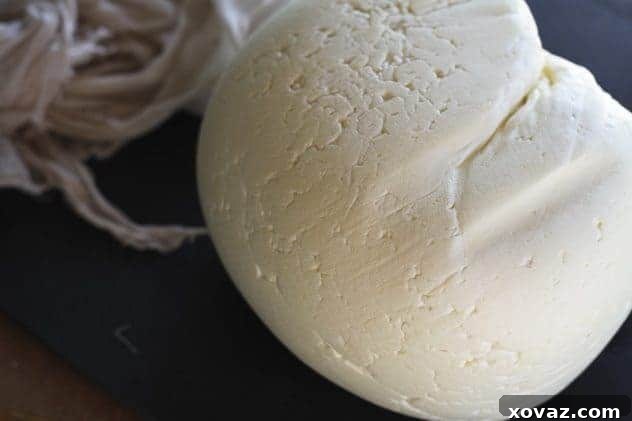
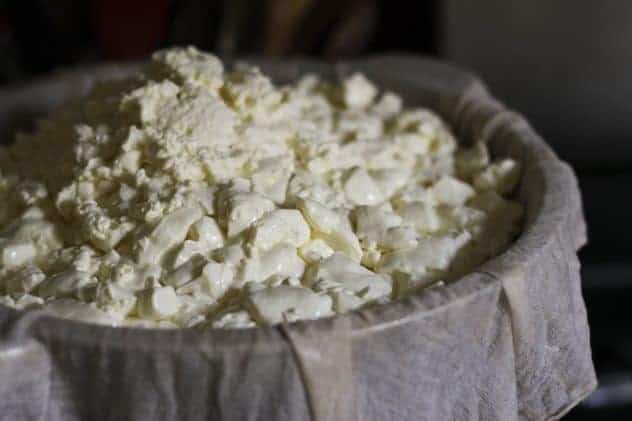
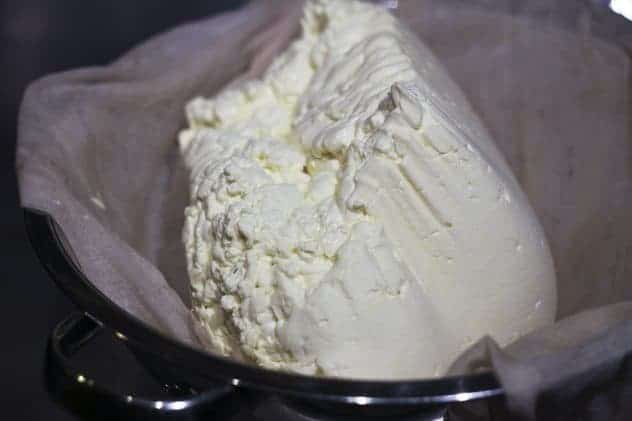
Allow the cheese to drain at room temperature for 3-4 hours. After this initial draining period, carefully lower the bag into the colander and untie it. You’ll notice the cheese has started to take shape, appearing smooth on the bottom and somewhat spiky on top from where the whey drained.
-
Flip the curd over so the spiky side is now facing down. Re-tie and re-hang the bag. Let it continue to drain for a full 24 hours at room temperature.



Embrace the Aroma: A Sign of Progress!
During this extended draining period, especially during the second 24 hours, you’re likely to notice a distinct, somewhat pungent aroma emanating from your cheese. Do not be alarmed! This is a completely normal and healthy part of the fermentation and aging process for feta. It signifies that the mesophilic culture is actively working, developing the characteristic flavors of your cheese. It means you’re exactly on track. Keep going!
-
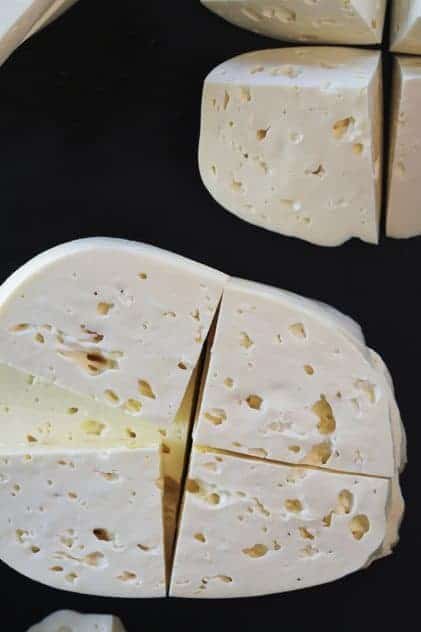
After the full 24-hour draining period, carefully lower the cheese bag, untie it, and transfer the curd onto a sterilized cutting board. Cut the firm cheese into blocks. A good guideline is to aim for pieces roughly the size of a deck of cards, about 2 inches thick.
-
Generously sprinkle all surfaces of the freshly cut cheese blocks with kosher salt. This draws out more moisture and contributes to the feta’s unique texture and flavor. Then, carefully load the salted cheese into a sterilized, large, food-safe container with a tightly fitting lid.
-
Allow the cheese to rest at room temperature (this is counterintuitive but important, so DO NOT REFRIGERATE yet) for an additional 2 to 3 days. This resting period allows the cheese to continue releasing any residual whey and to further harden, which is crucial for its longevity and develops its texture.

To Prepare the Brine and Store Your Feta:
-
Any whey that the cheese has released during its room temperature resting period should be poured into a sterilized large, food-safe container with a tightly fitting lid. Arrange your cheese blocks carefully within this container, ensuring they fit without being overly cramped.
-
In a separate non-reactive pot, combine the gallon of cool, unchlorinated water with 1/2 cup of kosher salt. Stir the mixture well over medium heat until the salt is completely dissolved. It’s imperative to allow this brine solution to cool completely to room temperature before pouring it over your cheese. Once cooled, pour the brine over the cheese blocks in the container, ensuring they are fully submerged. Secure the lid tightly on the container and immediately transfer the cheese to the refrigerator for proper storage.
-
For the best flavor, allow the cheese to age in the brine for at least two weeks before enjoying. The longer it ages, the stronger and more complex its flavor will become. Stored properly submerged in brine and refrigerated, your homemade feta can last for up to a year, continuing to develop its wonderful taste.
Notes
*Maintaining a consistent temperature during the initial culturing phase (86°F-88°F) is critical. If your room temperature is too cool, and you’re struggling to keep the milk warm, here are two effective methods:
- Bain-Marie Method: Place your large cheesemaking pot inside an even larger pot containing an inch or two of hot water. If the milk temperature begins to drop, you can gently turn on the burner under the larger pot. The hot water surrounding the inner pot will help to slowly and evenly raise the milk’s temperature. This indirect heating method is excellent for preventing rapid temperature changes, which can stress the cultures and, more importantly, prevent scorching the milk. Scorched milk results in “blechy” cheese – something we definitely want to avoid!
- Heating Pad Method: My personal preferred method, especially during colder months, is to place the cheesemaking pot on a warm (but not hot!) heating pad set to its lowest setting. This provides a constant, gentle heat source that helps maintain the ideal temperature without direct flame or constant monitoring. This method is a game-changer when your kitchen is chilly and you need that extra bit of warmth to get the feta just right.
Remember, consistency is key in cheesemaking. Small adjustments can make a big difference in the final product!
Nutrition
Calories: 392 kcal
Carbohydrates: 46 g
Protein: 14 g
Fat: 17 g
Saturated Fat: 10 g
Cholesterol: 54 mg
Sodium: 2006 mg
Potassium: 596 mg
Sugar: 36 g
Vitamin A: 780 IU
Calcium: 530 mg
Iron: 0.2 mg
Nutritional information provided is an estimate and offered as a courtesy. For precise nutritional values, it is recommended to calculate them using the actual ingredients in your recipe and your preferred nutrition calculator.
Did you make this recipe?
If you’ve whipped up a batch of this fantastic homemade feta, we’d love to see it! Make sure to tag @foodiewithfam on Instagram and use the hashtag #foodiewithfamily so I can admire your delicious creation!
Pin Recipe
Share on Facebook