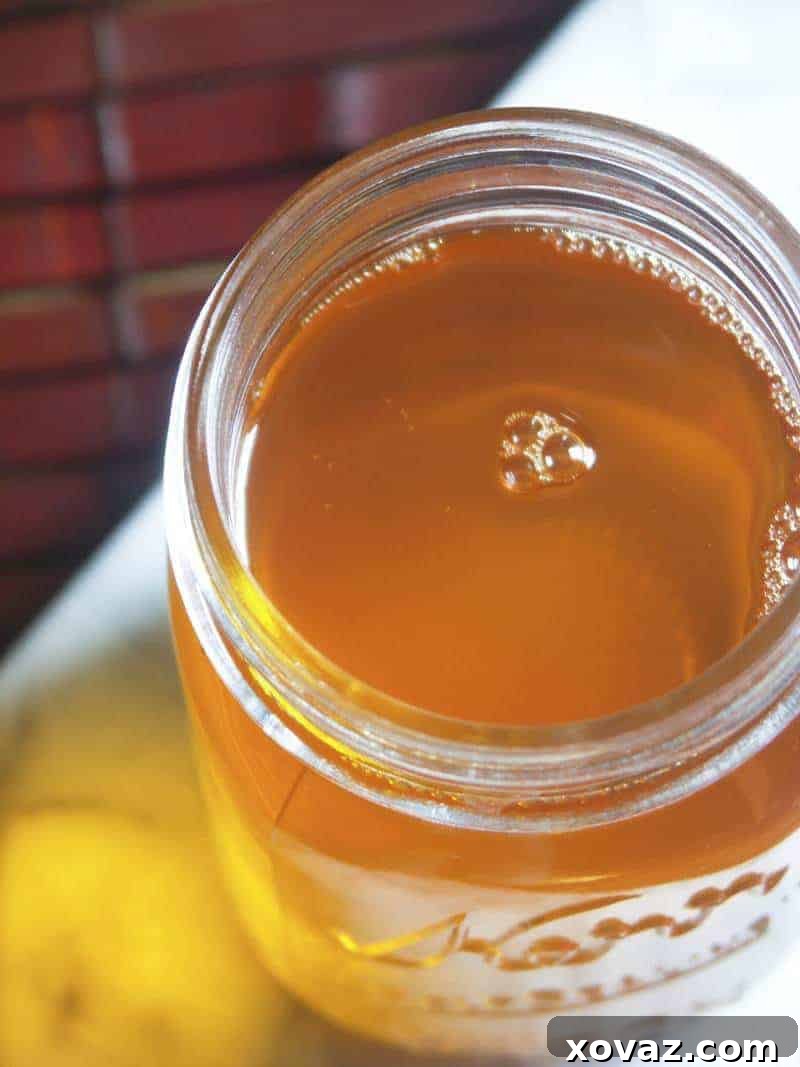
Welcome to the highly anticipated Part III of our series dedicated to crafting the ultimate “Second to Naanwich” – a dish so utterly transcendent, it continues to captivate taste buds long after the last bite. If you’re just joining us, be sure to catch up on our previous essential components: Part I explores the delightful Candied Jalapeños (Cowboy Candy), and Part II guides you through making Homemade Greek Yogurt and a refreshing Cucumber Yogurt Salsa (Raita). This installment is all about one of the most foundational and transformative ingredients in global cuisine: Ghee. Soon, we’ll unveil the secrets to our Tandoori Style Grilled Chicken and, finally, the step-by-step assembly of that unforgettable culinary masterpiece itself!
Life, as it often does, has a way of throwing delightful (and sometimes noisy!) curveballs, making it a challenge to share these cherished recipes as quickly as I’d like. Between hosting a whirlwind of family and friends, wrestling with end-of-year school reports, keeping the kids focused during the final days of school, meticulously planning a theme park adventure, and battling my perennial adversary – the laundry pile – time simply seems to melt away faster than butter on a hot skillet. Not to mention the countless hours I’ve happily spent in the garden, planting vibrant vegetables, fragrant herbs, and beautiful flowers, rather than slaving away in the kitchen. And let’s not even mention the impromptu (and acoustically challenged) Memorial Day weekend concerts from the neighborhood, which provided a rather enthusiastic, albeit unsolicited, soundtrack to my life at all hours. But enough about life’s delightful distractions; you’re here for the food, and I promise to deliver on that front. Let’s dive straight into the golden liquid that is ghee.
Ghee, often referred to as ‘clarified’ or ‘drawn’ butter, stands as a culinary cornerstone across an astonishing array of global cuisines. From the rich curries of India to the delicate sauces of French gastronomy, the hearty stews of English tradition, the vibrant dishes of Brazil, and the aromatic flavors of Iranian cooking, ghee’s presence is profound. At its heart, ghee is an anhydrous milkfat – a pure, golden essence rendered from butter through a slow, gentle heating process. This meticulous method separates the milk solids and water from the pure butterfat, leaving behind a product that is both incredibly versatile and wonderfully flavorful. Simply put, it’s the concentrated soul of butter, elevated.
Why Choose Ghee Over Regular Butter?
The question isn’t simply “why ghee,” but rather “why *not* make ghee?” The transformation from butter to ghee is a culinary alchemy that brings forth a multitude of advantages, making it a superior choice for many cooking applications. It’s not just about tradition; it’s about performance, flavor, and longevity.
Enhanced Shelf Stability
One of the primary benefits of transforming butter into ghee is the dramatic increase in its shelf life. Regular butter contains both water and milk solids, which are the components most susceptible to spoilage. By slowly cooking butter, you meticulously evaporate the water content and separate out the milk solids. What remains is pure butterfat, which is far less prone to microbial growth. This means homemade ghee can be stored at room temperature in a tightly sealed container for up to six months, and even longer in the refrigerator, without fear of it turning rancid. This extended stability makes it an incredibly convenient pantry staple, always ready when you need it.
Higher Smoke Point for Superior Cooking
Another game-changing advantage of ghee is its significantly higher smoke point compared to regular butter. The milk solids and water in butter burn easily at moderate temperatures, leading to scorched food and an unpleasant taste. Ghee, being pure butterfat, boasts a smoke point of around 485°F (252°C), while butter typically smokes at 302°F (150°C). This remarkable difference means you can use ghee for high-heat cooking methods like searing, sautéing, frying, and roasting without the risk of burning. You get all the rich, delicious butter flavor without the scorching, making it perfect for developing deep, golden crusts on meats or achieving perfectly crisp vegetables.
Distinctive Flavor Profile
While ghee starts as butter, its flavor evolves into something uniquely exquisite. The slow caramelization of the milk solids during the rendering process imparts a deep, nutty, and slightly sweet aroma and taste that is distinct from fresh butter. This rich, complex flavor enhances any dish it touches, adding an unparalleled depth that regular butter simply cannot achieve. It brings a subtle sophistication that elevates everything from a simple scramble to an elaborate curry.
Suitable for Lactose and Casein Sensitivities
For individuals with lactose or casein sensitivities, ghee can be a wonderful alternative to butter. The clarification process effectively removes the vast majority of milk solids, which contain lactose (milk sugar) and casein (milk protein). While not entirely dairy-free for those with severe allergies, many who experience digestive discomfort from butter find ghee to be much more tolerable, allowing them to enjoy the rich flavor of butter without the usual drawbacks.
The Art of Selecting Your Butter
As with virtually any culinary endeavor, the quality of your finished product is directly linked to the quality of your starting ingredients. This principle holds especially true for ghee. While any good quality butter will yield a delicious result, striving for the best butter you can reasonably access will undoubtedly elevate your homemade ghee to an even higher plane of excellence. If you can procure cultured or European-style butter, you will notice a richer, deeper flavor profile in your ghee, thanks to its higher fat content and complex fermentation notes. Similarly, butter from grass-fed cows often contains more nutrients and imparts a vibrant, golden hue and richer taste. However, don’t let the lack of premium options deter you; even standard unsalted butter, when clarified with care, will produce a superior product to most store-bought alternatives. The key is to start with a fresh, unsalted base.
The Astonishing Cost Savings of Homemade Ghee
Let’s talk economics. Have you ever paused to consider the price tag on a small jar of ghee at your local grocery store? Or perhaps, like me, you live in an area where finding ghee on the shelves is a rarity to begin with, necessitating a trip to a specialty store or a “big city” market. The sticker shock can be considerable – often upward of $15-20 for a modest 28-ounce jar. Now, consider the alternative: making it yourself. For example, I’m fortunate to source high-quality cultured butter from my Amish neighbor for a mere $2.00 per pound. Two pounds of this exquisite butter, which costs me $4.00, yields approximately twenty-four ounces of pure, golden ghee, along with a delightful half-pint of crispy, toasted milk solids. Even if we factor in a generous estimate for the fuel used to cook it, the total cost barely nudges past $5.00. This means I’m producing my own premium ghee at roughly one-third the cost of its store-bought counterpart. The financial wisdom of making your own is undeniable, a secret weapon for both your pantry and your wallet.
Do Not Discard Those Precious Milk Solids!
Here’s a crucial piece of advice, a secret too often overlooked by those new to ghee making: under no circumstances should you discard the beautiful, toasted milk solids that precipitate from the butterfat. These aren’t mere byproducts; they are a flavor powerhouse, a golden treasure that deserves a place in your culinary repertoire. As the butter gently cooks, these solids transform, taking on a rich, nutty, and deeply caramelized flavor, matching their gorgeous brown appearance. Spooned into a steaming bowl of fried rice, spread generously over a piece of freshly baked bread, stirred into a hearty soup, or even sprinkled over roasted vegetables, these crispy bits will astound you with the depth of umami and sweetness they impart. Not only do you get to pat yourself on the back (butter pun intended!) for your frugality and zero-waste approach, but you also gain a truly unique ingredient that simply cannot be purchased. Store these toasted gems in a tightly covered container in the refrigerator, and enjoy their magic for days to come.
One final, friendly warning before we delve into the instructions: the aroma of butter transforming into ghee is utterly intoxicating. You might find yourself hovering over the stovetop, drawn in by the fragrant promise of pure butterfat. Consider preparing a few snacks in advance, lest you become overwhelmed by the delightful smell and succumb to premature culinary cravings!
For a printer-friendly version of this recipe, complete with a clean layout and no distracting photos, you can click here.
Homemade Ghee (Clarified Butter)
Yield: Approximately 1 1/2 pints of Ghee plus 1/2 pint of crispy, toasted milk solids.
Ingredients:
- 2 pounds of high-quality unsalted butter (opt for Cultured or European-Style if available for superior flavor and yield)
Equipment You’ll Need:
- A heavy-bottomed saucepan (essential for even heating and preventing scorching)
- A fine mesh sieve or colander
- Cheesecloth (extra-fine, several layers), paper towels, or a clean tea towel for straining
- Heatproof bowls or jars for straining and storage
- A spoon or ladle for skimming foam (optional)
Instructions for Making Homemade Ghee:
Step 1: Gentle Melting
Begin by placing your two pounds of butter into a heavy-bottomed saucepan. This type of pan is crucial as it distributes heat evenly and helps prevent the butter from scorching. Melt the butter slowly over a very low heat. Patience is key here; rushing the process can lead to burnt milk solids and a less flavorful ghee. Stir occasionally with a clean spoon to help the butter melt uniformly and prevent any part from sticking to the bottom of the pan.
Step 2: The Foaming Stage
Once the butter has completely melted, you will notice a delicate layer of foam beginning to form on the surface. This is a natural part of the process, indicating that the water content within the butter is starting to heat up and the milk solids are beginning to separate. Continue to maintain that low, gentle heat.
Step 3: The Sound of Evaporation
After a few minutes of gentle simmering, you will start to hear subtle snapping, popping, and crackling sounds emanating from the pan. These auditory cues are vital indicators: they signify the water content in the butter evaporating and bubbling up to the surface to escape. This is precisely what you want to happen, as the removal of water is fundamental to achieving a long shelf-stable ghee.
Step 4: Separation of Solids
Concurrently with the crackling sounds, you will visually observe the milk solids beginning to separate from the clear butterfat. Initially, they might appear as cloudy white particles suspended in the liquid butter. As cooking progresses, these solids will gradually sink towards the bottom of the pan.
Step 5: Achieving Golden Perfection
Continue to cook the butter over low heat, maintaining a close watch. The crackling sounds will gradually diminish and eventually cease altogether, signaling that most of the water has evaporated. Simultaneously, the milk solids at the bottom of the pan will transform, taking on a beautiful, toasty golden-brown color. Another excellent indicator that your ghee is nearing completion is a distinct, warm, popcorn-like aroma filling your kitchen. The foam on the surface might thin out or completely disappear, leaving a clear, golden liquid. If the crackling has stopped and the milk solids are a rich golden brown, it’s time to remove the pan from the heat. Be careful not to let the milk solids burn; they should be golden, not dark brown or black.
An example of a batch with no foam at the top, revealing clear, golden ghee:
An example of a batch that retained a thin layer of foam at the top, which is also perfectly acceptable:
And behold, my beloved toasty milk solids, perfect for saving:
Step 6: Cooling Period
Once removed from the heat, allow the ghee to cool, uncovered, for approximately 30 minutes. This cooling period is important for two reasons: it prevents the hot ghee from potentially burning your straining apparatus or yourself, and it allows any remaining small particles to settle further.
Step 7: Prepare Your Straining Station
While the ghee cools, set up your straining station. Position a fine mesh sieve or a colander over a clean, heatproof bowl or jar. Line the sieve with several layers of extra-fine cheesecloth, a clean, lint-free tea towel, or sturdy paper towels. The goal is to create a filter fine enough to catch all the solid particles, leaving you with pure, clear ghee.
Step 8: Careful Straining
After the ghee has sufficiently cooled, very carefully pour the golden liquid into your prepared straining apparatus. Pour slowly and steadily to avoid disturbing the settled milk solids too much. Allow the ghee to drip through the filter at its own pace. You may need to gently nudge the solids with a spoon to help the last bits of ghee pass through.
Step 9: Salvage the Toasted Milk Solids
Once all the liquid ghee has been strained, you will be left with the beautiful, toasted milk solids in your filter. Scrape these into a separate, clean, airtight jar. These are incredibly flavorful and can be used immediately or stored for later. The toasted milk solids should be kept in the refrigerator in a tightly covered container to maintain their freshness.
Step 10: Storing Your Homemade Ghee
The pure, clarified ghee can now be stored. Pour it into a clean, dry, tightly covered jar. At room temperature (in a cool, dark place), ghee will remain fresh for up to six months, solidifying into an opaque, pale yellow substance. If you prefer, or if your climate is particularly warm, you can also store ghee in the refrigerator, where it will solidify and last for even longer, often up to a year or more. At room temperature, ghee is mainly solid and opaque, presenting a creamy, pale yellow hue, much like this:
Tips for Success:
- Don’t Rush It: Low and slow is the mantra for perfect ghee. High heat can burn the milk solids quickly, resulting in a bitter taste.
- Keep an Eye on It: While it’s a relatively hands-off process, especially after the initial melt, it’s wise to stay near the stove and monitor the progression, especially as the crackling sounds diminish and the solids brown.
- Unsalted Butter is Best: Using unsalted butter gives you more control over the final salt content of your dishes and prevents any unwanted salt crystallization in the ghee.
- Cleanliness: Ensure all your equipment – pots, spoons, jars, and straining materials – are impeccably clean and dry to prevent contamination and ensure maximum shelf life.
Embrace the joy of making your own ghee. It’s a simple process that yields an incredibly versatile, flavorful, and long-lasting ingredient that will undoubtedly elevate your cooking to new heights. Prepare to be amazed by the richness and depth it brings to every meal!