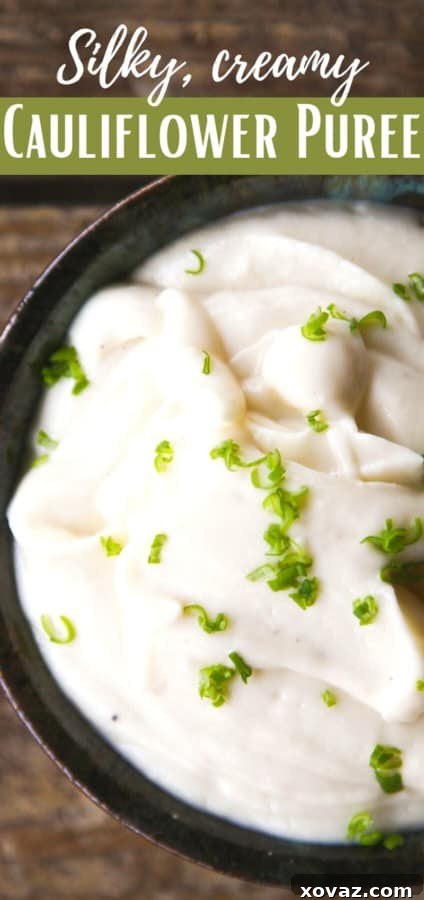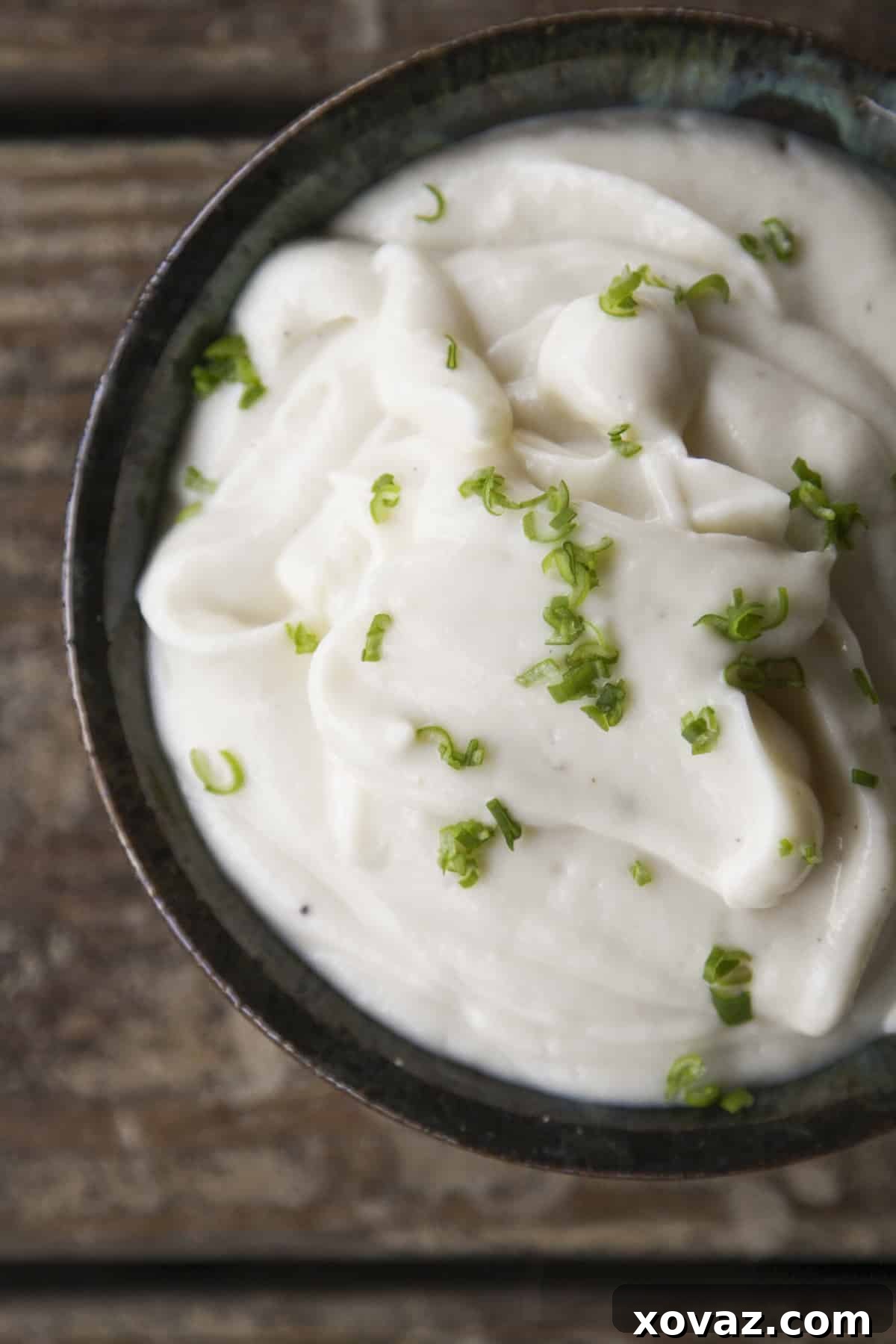
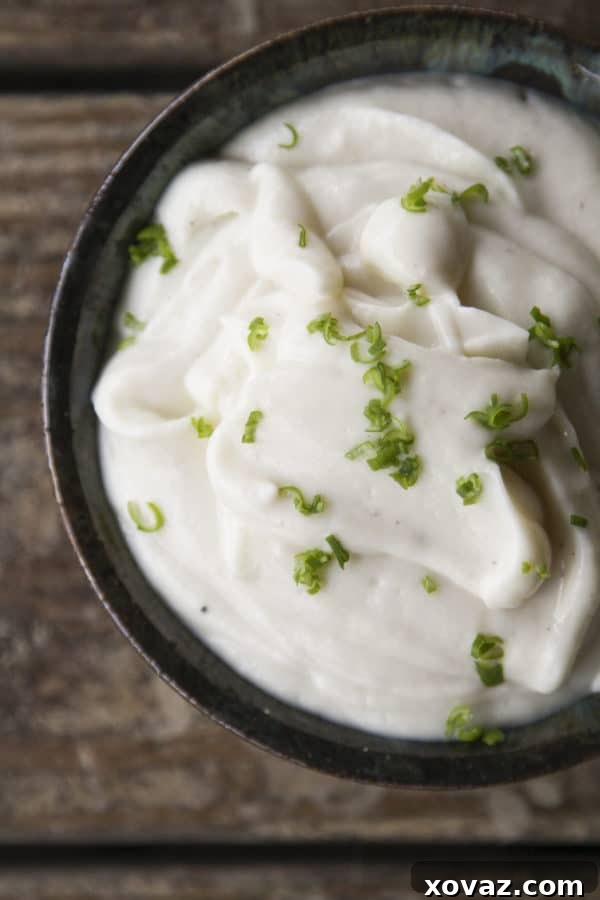
Transform your side dish game with this incredibly silky, subtly savory Roasted Garlic Cauliflower Puree. Far from a mere potato substitute, this versatile and easy-to-prepare dish stands proudly on its own, offering a delightful culinary experience. Whether gracing the table alongside succulent roast chicken, hearty beef, pan-seared pork chops, smoky grilled meats, a comforting pot roast, or a classic meatloaf, its refined texture and deep flavor profile will surprise and impress. You’ll be amazed at how such a fundamentally simple recipe can elevate so many diverse meals. And while it conveniently happens to be low-carb, its exquisite taste is reason enough to make it a regular on your menu.
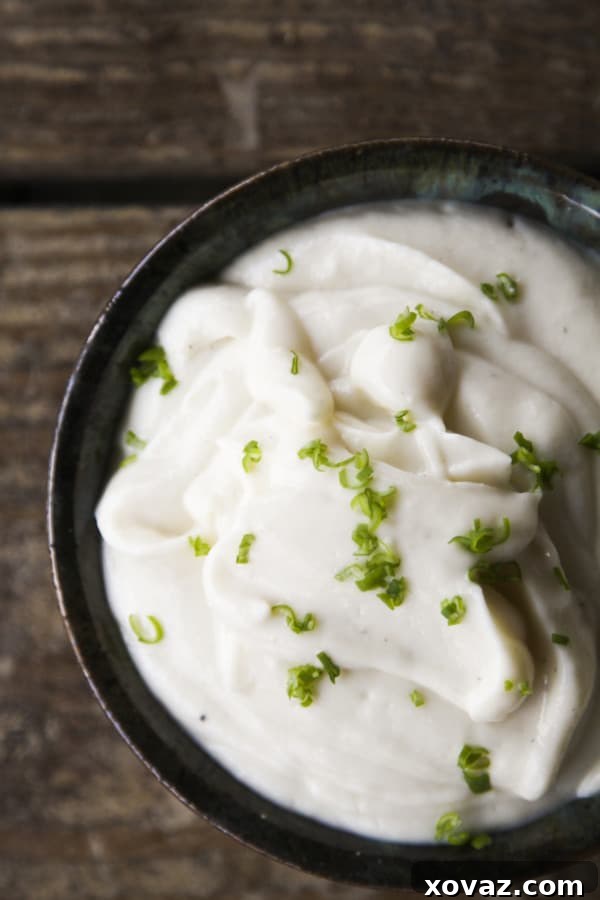
The Culinary Star: Why This Cauliflower Puree Shines
For too long, cauliflower has been unfairly tasked with imitating potatoes, often leading to disappointment and a misjudgment of its true potential. Here, we shed that burden. Our Roasted Garlic Cauliflower Puree isn’t striving to be “skinny mashed potatoes” or some other imitation; it is a magnificent dish in its own right, celebrated for its unique qualities and inherent deliciousness. It’s a testament to how simple, wholesome ingredients, prepared with care, can yield extraordinary results.
Beyond the Potato Comparison: Appreciating Cauliflower for Itself
Let’s be clear: a potato is a potato, and cauliflower is cauliflower. Each vegetable possesses distinct characteristics and culinary merits. The common mistake of trying to make cauliflower taste “exactly like” a potato sets up false expectations and can turn anyone into a cauliflower skeptic. Instead, let’s embrace cauliflower for its own delicate flavor, its ability to absorb other aromas, and its wonderfully adaptable texture when pureed. This Roasted Garlic Cauliflower Puree celebrates cauliflower’s natural creaminess and subtle sweetness, enhanced by the deep, mellow notes of roasted garlic.
The Magic of Roasted Garlic: A Flavor Transformation
The secret weapon in this puree is, without a doubt, roasted garlic. Unlike raw garlic, which can be sharp and pungent, roasting garlic cloves transforms them into sweet, caramelized, and incredibly mellow morsels. This process softens their bite while intensifying their inherent umami, creating a complex flavor that infuses the cauliflower puree with an irresistible warmth and depth. It’s a subtle punch that elevates the entire dish, providing a sophisticated backdrop that complements a wide array of main courses without overpowering them.
Achieving Unrivaled Silkiness: Texture Perfected
The descriptor “super silky” is no exaggeration here. The technique we employ, combined with the right tools, ensures a consistently smooth and luxurious texture that melts in your mouth. This isn’t just about blending; it’s about proper cooking, precise draining, and thoughtful finishing touches that create a puree so fine it almost feels indulgent. This remarkable texture is what sets our cauliflower puree apart, making it not just a side, but a truly gourmet experience.
The Nutritional Powerhouse: Embracing Cauliflower’s Benefits
Beyond its incredible taste and texture, cauliflower is a nutritional champion, making this puree a smart choice for a healthy diet. This cruciferous vegetable is packed with vitamins, minerals, and antioxidants, offering a host of health benefits. It’s an excellent source of Vitamin C, Vitamin K, and Folate, and provides a good amount of dietary fiber. Its low-calorie and low-carbohydrate profile makes it an ideal option for those following keto, paleo, or general weight-management diets, without sacrificing flavor or satisfaction.
Furthermore, cauliflower contains unique plant compounds that have been linked to anti-inflammatory properties and may support digestive health. By choosing cauliflower puree, you’re not just enjoying a delicious dish; you’re fueling your body with vital nutrients in a wonderfully palatable form. It’s naturally gluten-free and can easily be adapted to be dairy-free or vegan, making it a truly inclusive side dish for various dietary needs.
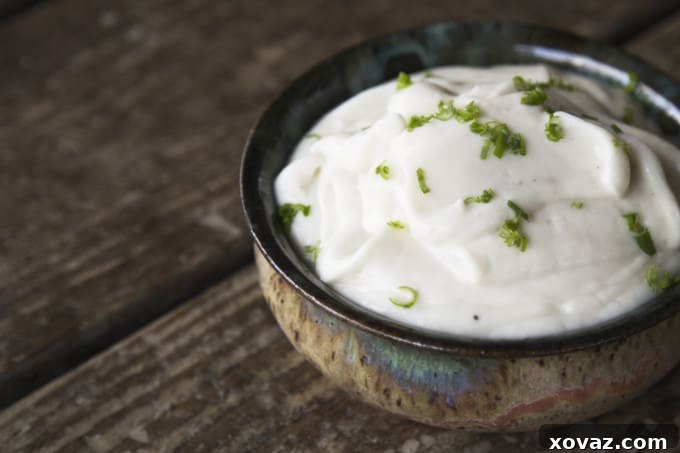
Selecting and Storing Cauliflower Like a Pro
The journey to an exceptional cauliflower puree begins with selecting the finest head of cauliflower. Freshness is paramount, as it directly impacts both flavor and texture. Knowing what to look for at the market and how to properly store your cauliflower will ensure the best possible results for your puree.
What to Look for When Buying Cauliflower
Whether you opt for a whole head or pre-cut florets, mindful selection is key. When choosing a whole head of cauliflower, aim for one that feels dense and heavy for its size, indicating a compact structure. The florets should be tightly packed, bright white, and free from any brown spots, blemishes, or yellowing, which are signs of age. The outer leaves, if present, should be fresh, crisp, and green, firmly attached to the stem. Avoid any cauliflower with loose, open, or discolored buds, as these indicate it’s past its prime and will lack the desired texture and vibrant flavor.
How to Store Cauliflower for Optimal Freshness
Proper storage significantly extends the shelf life of your cauliflower. The most crucial rule is to avoid washing it before storage, as excess moisture can accelerate decay. If you’ve purchased a shrink-wrapped head, gently loosen the plastic wrap, or if unwrapped, place it in a cloth bag or a perforated plastic bag to allow for some air circulation while preventing it from drying out.
Store the loosely wrapped cauliflower in the refrigerator, ideally stem-side up if it’s a full head, for up to five days. For pre-cut florets, store them in an airtight container or bag in the refrigerator, and try to use them within 2-3 days for best quality. If you plan to store it longer, blanching and freezing is an option, though fresh cauliflower yields the best puree.
Mastering the Art of Cauliflower Puree: A Detailed Guide
Creating this magnificent Roasted Garlic Cauliflower Puree is surprisingly straightforward, but a few key considerations ensure perfect results every time. From preparing the florets to achieving that signature silky texture, attention to these details will make all the difference.
Preparation is Key: Getting Your Cauliflower Ready
You don’t need to be overly meticulous when breaking down the cauliflower for this puree. Begin by using a paring knife to remove the tough core and all green leaves. The rest of the cauliflower can be used. With a chef’s knife, break the head into roughly evenly sized florets. Uniformity in size is important, as it ensures the florets cook at the same rate, resulting in a consistent tenderness necessary for a smooth puree.
The Perfect Cooking Liquid: Infusing Flavor
The choice of cooking liquid plays a subtle yet important role in the final flavor and creaminess of your puree. We recommend a mixture of water and milk for a balanced, rich base. However, this is where versatility truly shines. Depending on what you have on hand or any dietary preferences, you can substitute both liquids entirely with chicken stock or vegetable stock for added savory depth. You can also omit the milk and use only water or stock. The goal is to have approximately 8 cups of total cooking liquid, ensuring the cauliflower is fully submerged and cooks thoroughly.
The Critical Draining Step: Don’t Skip It!
This is perhaps the most crucial step for achieving a truly creamy, non-soupy puree: thorough draining. After the cauliflower is fork-tender, pour it into a colander and allow it to drain for a full 10 minutes. Resist the urge to shorten this time. Any residual cooking liquid will result in a watery puree that lacks the desired richness and ability to hold its shape. We’re aiming for a luxurious, spoonable mound, not a thin sauce, so patience during this draining phase is rewarded with perfect texture.
Flavor Foundation: Roasted Garlic, Your Way
The amount of roasted garlic is a matter of personal preference, allowing you to tailor the puree to your taste. We love a robust garlic flavor, opting for 8 cloves of roasted garlic to create a distinctly savory punch. If you prefer a milder, more subtle hint of garlic, you can reduce this to as few as 2 cloves. Remember, roasting garlic mellows its intensity, so even a larger quantity will offer a sweet, nutty essence rather than an overpowering sharpness.
Achieving Your Desired Texture: Tools of the Trade
The consistency of your puree depends largely on the tool you choose. For an ultra-smooth, restaurant-quality puree, a high-speed blender is your best friend. A Blendtec or similar powerful blender can often handle the entire batch in one go, yielding an unparalleled silky texture. If you have a smaller blender or a food processor, you might need to puree the cauliflower in two batches to avoid overloading the machine. Alternatively, for convenience and still great results, return the drained cauliflower to the pan and use an immersion (stick) blender to effortlessly whip it into submission.
For those who appreciate a slightly more rustic texture or prefer an analog approach, an old-fashioned potato masher or a hand mixer can certainly do the trick. While it won’t be quite as uniformly smooth as a blender-made puree, it will still be incredibly delicious and comforting.
Creamy Additions for Richness: Customizing Your Puree
The creamy component offers another opportunity for customization. Our preferred choice is plain, unsweetened Greek yogurt, which lends a pleasant tang and wonderful creaminess while keeping the dish lighter. Sour cream is another excellent option, offering a similar richness with a slightly different flavor profile. If you’re seeking a more decadent experience, you can substitute all or part of the Greek yogurt with indulgent ingredients like goat cheese for a tangy, earthy note, cream cheese for classic richness, or a splash of heavy cream for ultimate luxury. A tablespoon or two of butter stirred in at the end is also a fantastic way to add extra sheen and flavor. Each addition will subtly alter the nutritional information but will undoubtedly enhance the deliciousness.
Seasoning to Perfection: The Final Touch
Once your puree has reached its desired texture and creaminess, it’s time to season it. Start with kosher salt and freshly ground black or white pepper. A hint of freshly grated nutmeg is the secret ingredient that truly elevates cauliflower, complementing its natural sweetness and adding a warm, almost custardy undertone. Taste and adjust the seasonings as needed, ensuring a balanced flavor that sings.
Creative Ways to Enjoy Your Roasted Garlic Cauliflower Puree
The beauty of this Roasted Garlic Cauliflower Puree lies not only in its exquisite flavor but also in its remarkable versatility. While it shines as a standalone side dish, its creamy texture and rich taste lend themselves to a myriad of creative culinary applications, transforming it into much more than just a accompaniment.
Classic Pairings and Beyond
As initially mentioned, this puree is an unparalleled complement to virtually any protein. Imagine it as the smooth, earthy counterpoint to a crispy-skinned roast chicken, a juicy steak, or tender lamb chops. It pairs beautifully with hearty dishes like slow-cooked pot roast, savory meatloaf, or even simple grilled sausages. Its delicate flavor won’t compete, but rather enhance, the main components of your meal.
From Side Dish to Culinary Star: Unexpected Uses
Don’t limit this puree to just the side of your plate! Thin it slightly with a little water, chicken broth, vegetable stock, or milk, and it transforms into a luxurious creamy sauce. Drizzle it over steamed green beans, roasted asparagus, or sautéed mushrooms for an elevated vegetable dish. It can even serve as a delightful, lighter alternative to traditional cream sauces for pasta, or as a flavorful white sauce base for a unique pizza creation. Chilled, it makes an unexpected and killer dip for raw vegetables, crackers, or even pretzels, offering a sophisticated alternative to everyday dips. For a truly innovative breakfast, spread some on toast and top it with a perfectly fried egg and a sprinkle of chives.
Flavor Variations to Inspire Your Palate
While the roasted garlic version is a classic, don’t hesitate to experiment with flavor variations. For an herbaceous twist, simmer a sprig of fresh thyme, rosemary, or sage along with the cauliflower. Stir in a touch of Parmesan cheese for an umami boost, or a pinch of smoked paprika or a dash of chili flakes for a subtle warmth. You can also incorporate other roasted vegetables, like a roasted red bell pepper, for added color and flavor. Get creative and let your culinary imagination soar!
Frequently Asked Questions About Cauliflower Puree
Here are some common questions about making, storing, and enjoying your Roasted Garlic Cauliflower Puree:
Can I make cauliflower puree ahead of time?
Absolutely! This puree is excellent for meal prepping. You can prepare it up to 2-3 days in advance and store it in an airtight container in the refrigerator. Reheat gently on the stovetop over low heat, adding a splash of milk or broth if needed to restore its creamy consistency.
Can I freeze cauliflower puree?
Yes, cauliflower puree freezes beautifully. Divide it into single-serving portions in freezer-safe containers or bags, ensuring you leave a little headspace for expansion. It can be frozen for up to 3 months. Thaw overnight in the refrigerator before reheating.
How do I reheat frozen cauliflower puree?
For best results, thaw frozen puree in the refrigerator. Then, reheat it gently on the stovetop over low to medium heat, stirring frequently. If it appears too thick, whisk in a tablespoon or two of milk, cream, or vegetable broth until it reaches your desired consistency. Avoid high heat, which can cause it to separate.
Is this recipe vegan-friendly?
This recipe can easily be made vegan. Simply substitute the milk with a plant-based milk (such as unsweetened almond or soy milk) and the Greek yogurt with an unsweetened plain vegan yogurt or a vegan sour cream alternative. Ensure any stock used is vegetable-based.
What are common mistakes to avoid when making cauliflower puree?
The most common mistakes are not draining the cauliflower thoroughly, which results in a watery puree, and over-processing, which can make it gluey. Also, ensure your cauliflower is cooked until very tender for optimal smoothness. Don’t be afraid to season generously; bland puree is a missed opportunity!
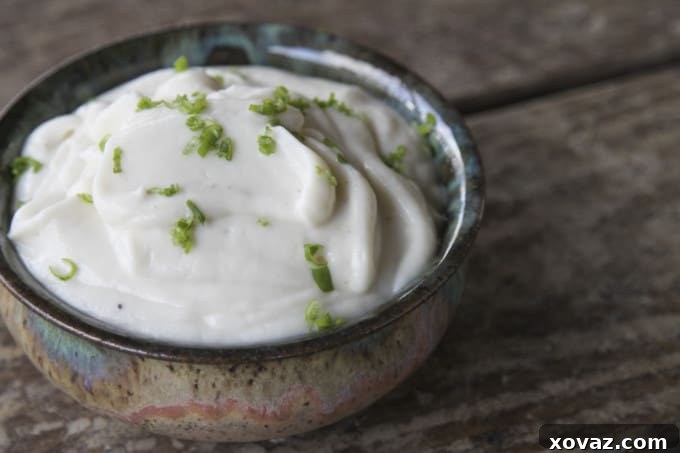
Roasted Garlic Cauliflower Puree Recipe
This recipe yields a super silky, subtly savory cauliflower puree that will become a staple in your kitchen. It’s incredibly versatile and a delightful low-carb option that never compromises on flavor.
Equipment
- 1 medium saucepan or stock pot
- 1 blender (high-speed recommended) OR immersion blender, food processor, potato masher, or hand mixer
- Colander
Ingredients (Yields 6 servings)
- 1 head cauliflower, leaves and core removed, cut into evenly sized florets
- 2 cups milk (or water or broth for dairy-free)
- 8 cups water (or chicken or vegetable stock/broth)
- 2 to 8 cloves roasted garlic (adjust to your preference)
- 2/3 cup plain Greek yogurt (or sour cream, or dairy-free alternative)
- 1 1/2 teaspoons kosher salt (plus more to taste)
- 1/2 teaspoon freshly ground black or white pepper
- 1/8 teaspoon freshly grated or ground nutmeg
Optional Garnish:
- Minced green onions or fresh chives
Instructions
- Add the prepared cauliflower florets, milk, and water to a stock pot or deep medium saucepan. Bring the liquid to a rolling boil over high heat. Once boiling, reduce the heat to low and simmer, uncovered, for 10 to 15 minutes, or until the cauliflower is completely fork-tender and can be easily pierced with a sharp knife.
- Carefully pour the cooked cauliflower into a colander. Allow it to drain thoroughly for a full 10 minutes. This step is crucial; ensure no excess liquid remains, as it will make your puree watery.
- Once the cauliflower has drained, transfer it to a blender or food processor fitted with a metal blade. Add the roasted garlic (start with fewer if you prefer a milder flavor, then add more), Greek yogurt, black pepper, and nutmeg. Blend until the mixture is exceptionally silky and smooth. If you don’t have a high-speed blender, you can return the drained cauliflower to the pan and use an immersion blender, a potato masher for a slightly rustic texture, or even a sturdy spoon for a very chunky, rustic mash.
- Taste the puree and adjust the seasoning with additional salt if needed.
- If desired, garnish with minced green onions or fresh chives before serving.
- Serve the Roasted Garlic Cauliflower Puree immediately while warm. Leftovers can be stored in an airtight container in the refrigerator for up to 4 days. For longer storage, divide into labeled single-serving size containers and freeze for up to 3 months.
Nutrition Information (Estimate per serving)
Please note: Nutritional information is an estimate and can vary based on specific ingredients and preparation methods. It is provided as a courtesy. You should calculate the nutritional information with the actual ingredients used in your recipe using your preferred nutrition calculator.
- Calories: 64 kcal
- Carbohydrates: 5g
- Protein: 5g
- Fat: 3g
- Saturated Fat: 2g
- Polyunsaturated Fat: 0.1g
- Monounsaturated Fat: 1g
- Trans Fat: 0.002g
- Cholesterol: 11mg
- Sodium: 636mg
- Potassium: 158mg
- Fiber: 0.02g
- Sugar: 5g
- Vitamin A: 133 IU
- Vitamin C: 0.4mg
- Calcium: 136mg
- Iron: 0.04mg
We hope you enjoy this divine Roasted Garlic Cauliflower Puree! If you try this recipe, we’d love to hear about it. Share your creations and feedback in the comments below, or tag us on your favorite social media platform. Happy cooking!