Discovering the Soul of Filipino Cuisine: A Journey to Champorado
From the first spoonful, Filipino cuisine captured my heart and palate like no other. It wasn’t merely the explosion of flavors—though undeniably exquisite—but the profound sense of discovery it brought to a childhood spent in the quiet, rural expanses of Michigan. My world, steeped in the familiar traditions of Nordic, Native American, Polish, and Italian heritage, rarely offered a glimpse into truly distant cultures.
Growing up, my community was a tapestry woven with threads of Scandinavian surnames and hearty European comfort foods. I could navigate a Finnish phone book as if it were my own family album, and Native American names were commonplace due to my grandfather’s ministry on a nearby reservation. Yet, despite this rich cultural mix, my culinary landscape remained largely homogeneous, predictable, and somewhat limited.
Then came Tecla, my mother’s friend, a vibrant soul from the Philippines. Tecla was a breath of fresh air, a captivating presence who stood in stark contrast to our Michigan winters. While we bundled in parkas and mukluks, Tecla would be impeccably dressed, her nails long, dramatic, and brightly colored. She possessed an infectious energy, often sitting at the piano bench, singing the latest love songs with my mother. She was exciting, and her mere presence hinted at a wider, more colorful world that beckoned beyond our familiar surroundings.
Tecla’s Table: A Gateway to Filipino Flavors
Most thrilling of all was Tecla’s food. It was a revelation, unlike anything I had ever tasted. Imagine the tender, tangy goodness of adobo chicken, marinated to perfection; the crispy, savory delight of lumpia, fried to a golden crisp; the sweet, caramelized perfection of tocino, glistening and irresistible; and the comforting tangle of pancit noodles, bursting with fresh vegetables and savory notes. Each dish was a symphony of bold, unique flavors that danced on the tongue, leaving an unforgettable impression. Tecla generously shared these mouthwatering creations with us at every opportunity, fostering a lifelong love for Filipino cuisine. To this day, if I were to play the whimsical “last supper” game—a simple yet revealing thought experiment where you choose your ultimate final meal—lumpia would undoubtedly be on the menu. It’s a testament to the profound impact Tecla and her cooking had on me, proving that food can be a powerful bridge between cultures and a catalyst for cherished memories.
The “last supper” game is more than just a playful exercise; it’s a beautiful way to understand what truly nourishes a person, not just physically but emotionally. It forces you to consider the dishes that evoke the strongest memories, the deepest comforts, and the purest joy. For me, lumpia isn’t just a spring roll; it’s a taste of childhood wonder, a memory of shared laughter, and a connection to a beloved friend who broadened my world. It’s a symbol of culinary exploration and the joy of discovering flavors that resonate deeply within one’s soul.
Champorado: The Ultimate Filipino Comfort in a Bowl
While the savory delights of Filipino cuisine are undeniably legendary, it would be a culinary oversight of epic proportions not to sing the praises of one of its simplest yet most astonishingly delicious offerings: Champorado. This dish stands as a beacon of comfort, a warm embrace in a bowl, and a testament to the ingenious simplicity of Filipino cooking. It’s a humble dish that packs an incredible punch of flavor and satisfaction, making it a beloved staple across the Philippines and among Filipino food enthusiasts worldwide.
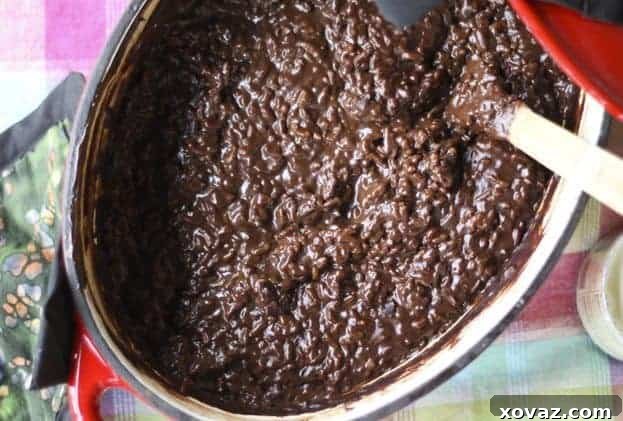
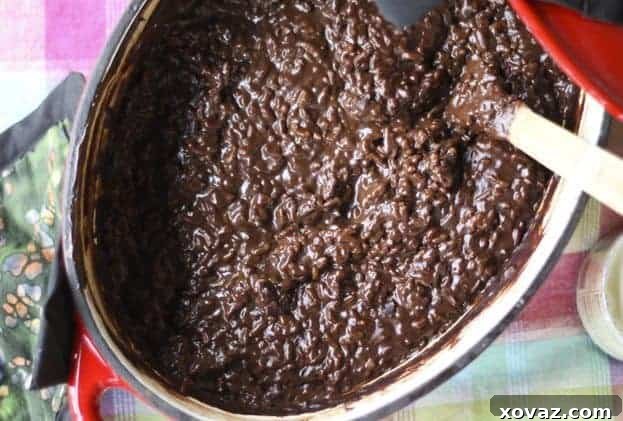
At its heart, Champorado is a rich, creamy chocolate rice porridge—or, if you prefer, a decadent rice pudding. But don’t let the simplicity of the description fool you; this is no ordinary porridge. It’s a culinary masterpiece that delivers warmth, satisfaction, and pure joy with every spoonful. Its richness and velvety texture come not from added milk during cooking, but from the magical transformation of sticky rice itself, which breaks down to create an incredibly smooth and luxurious consistency. This unique quality sets Champorado apart, making it a truly distinctive and memorable dish. The chocolate, of course, elevates it to an indulgent experience, transforming simple rice into a profound comfort food.
Champorado is the chameleon of comfort foods, equally at home as a hearty breakfast that promises a delicious start to any day, or as an irresistible after-school snack that will quickly become a household favorite. Imagine serving a bowl of this warm, chocolatey goodness to your children on a chilly afternoon—it’s guaranteed to earn you superstar parent status! Beyond its primary roles, Champorado also shines as a delightful late-night treat, providing a soothing end to a long day. Its versatility means it fits seamlessly into any part of your daily routine, offering a moment of blissful indulgence whenever you need it most.
What makes Champorado even more appealing is its incredible ease of preparation. You don’t need a culinary degree or an array of fancy techniques. The process involves nothing more complicated than measuring, boiling, stirring, scooping, and, most importantly, enjoying. It’s an accessible recipe that yields extraordinary results, proving that some of the best foods are born from humble ingredients and straightforward methods. This makes it an ideal dish for busy weeknights or for those new to cooking who want to explore international flavors without intimidation. It’s a true culinary win!
The Versatility and Enduring Appeal of Champorado
As if its deliciousness and simplicity weren’t enough, Champorado offers remarkable versatility for storage and serving. You can easily prepare a generous pot of this chocolatey goodness and store it in a tightly sealed container in the refrigerator for several days. This makes it an excellent meal prep option, ready to be enjoyed whenever a craving strikes. Its ability to be made ahead and stored efficiently only adds to its charm and practicality, making it a go-to dish for busy families or individuals.
When you’re ready for a serving, you have options. You can savor it cold, straight from the fridge, offering a surprisingly refreshing twist on the classic, especially on warmer days. Alternatively, gently reheat it on the stovetop or in the microwave. For the quintessential Filipino experience, serve it with a generous splash of evaporated milk, which adds a layer of creamy richness and a subtle sweetness that complements the chocolate beautifully. If evaporated milk isn’t on hand, half-and-half or regular milk work just as wonderfully, allowing you to customize its creaminess to your preference. Some connoisseurs even enjoy Champorado with a side of tuyo (dried salted fish), creating a fascinating sweet and savory contrast that truly awakens the palate—a pairing that exemplifies the adventurous and complex spirit of Filipino cuisine. This unexpected combination is a favorite among many, offering a unique flavor profile that balances the sweetness of the porridge with a salty kick.
Every time I prepare Champorado, I’m transported back to those moments of culinary awakening, and I find myself humming or even belting out a modified version of “Desperado” in my kitchen: “Chaaaaaaaam-poh-rah-doh! Why don’t you come to your senses…” This playful tradition, born from the joy this dish brings, reminds me of Tecla’s vibrant spirit. Tecla, a woman of grace and classic tastes, might have preferred a different tune, perhaps something along the lines of “Wind Beneath My Wings.” But I have a feeling she would appreciate the joy and passion her culinary legacy continues to inspire. Her memory, and the vibrant flavors she introduced, live on in every bowl, a delicious testament to friendship and the power of food to connect us across cultures and generations.
Thank you, Tecla, for opening up a world of flavor and friendship. Your influence continues to enrich my life and my kitchen, one delightful, chocolatey spoonful at a time.
Champorado (Chocolate Rice Porridge)
On cold days, or any day you need a comforting hug, Champorado delivers. This rich, chocolate-laden rice porridge, a beloved staple from the Philippines, is incredibly easy to make and even easier to love. Serve it hot, warm, room temperature, or cold, plain or with the traditional splash of evaporated milk, regular milk, or half-and-half. It’s comfort food extraordinaire, perfect for breakfast, a snack, or a delightful dessert!
Adapted from the wonderful recipes shared by Tecla and the culinary wisdom of Jun-Blog.
Prep Time: 5 minutes | Cook Time: 25 minutes | Yields: 4-6 servings
Ingredients
- 1 cup sticky or sushi rice, uncooked (glutinous rice is key for the creamy texture)
- 5 ¼ cups water
- 6 ounces finely chopped bittersweet or semi-sweet chocolate (approximately half a bag of most brands, or good quality chocolate chips for convenience)
- 2 tablespoons to ⅓ cup raw sugar or granulated white sugar, adjusted to your sweetness preference (start with less and add more if needed)
- Pinch of salt (enhances the chocolate flavor)
- Optional for serving: Evaporated milk, half-and-half, or plain milk for drizzling over the porridge; a side of dried fish (tuyo) for a traditional sweet and savory contrast.
Instructions
- In a large, heavy-bottomed saucepan, combine the uncooked rice, water, and a pinch of salt. It’s important to use a heavy-bottomed pan to prevent scorching. Bring the mixture to a boil over high heat, stirring occasionally to prevent the rice from sticking to the bottom of the pan as it heats.
- Once the mixture reaches a rolling boil, immediately reduce the heat to low. Allow it to simmer gently for about 20 minutes, stirring frequently (every few minutes is ideal) to ensure the rice doesn’t stick and cooks evenly. Continue to cook until the rice grains are soft, swollen, and the mixture has thickened significantly to a luscious, porridge-like consistency.
- Turn off the heat. Stir in the finely chopped chocolate (or chocolate chips) and the sugar until combined. Make sure the chocolate is fully submerged in the hot rice mixture. Cover the pan with a lid and let it stand undisturbed for 5 minutes. This crucial step allows the residual heat to perfectly melt the chocolate and the flavors to meld beautifully, creating a deeper, richer taste.
- After 5 minutes, remove the lid and stir vigorously until all the chocolate is completely melted, evenly distributed, and the Champorado achieves a uniformly rich, glossy, and intensely chocolatey appearance. The vigorous stirring helps to further break down the rice and create that signature creamy texture.
- Serve hot, warm, or even cold. Traditionally, it is served with a generous splash or two of evaporated milk poured over the top, which adds a layer of creamy richness and a subtle sweetness. However, half-and-half or plain milk are also excellent choices to enhance its creamy texture and flavor according to your preference. For an authentic Filipino experience, try serving it alongside a piece of fried tuyo (dried salted fish) to create a delightful sweet and salty contrast.
Nutritional information provided is an estimate and should be calculated with the actual ingredients used in your recipe using your preferred nutrition calculator for accuracy. Individual dietary needs may vary.
Did you make this comforting Champorado recipe?
We’d love to see your delicious creations! Share your photos on Instagram and make sure to tag @foodiewithfam and use the hashtag #foodiewithfamily so we can celebrate your culinary success!
Looking for an easy way to save or share this recipe with friends and family? Click the buttons below!
Print Recipe
Pin Recipe
Share on Facebook
Craving More Filipino Culinary Adventures?
If Champorado has sparked your interest in the incredible diversity of Filipino cuisine, I highly recommend exploring these two invaluable resources. They are not just blogs, but passionate culinary guides offering authentic recipes, stunning photography, and engaging narratives that will deepen your appreciation for Filipino food culture.
- Jun-Blog: Helmed by a Philippine-born, San Francisco-based professional food and cookbook photographer, Jun’s blog is a feast for both the eyes and the palate. His photography is breathtaking, capturing the essence and beauty of each dish, and his recipes are consistently outstanding and truly mouthwatering. Every dish I’ve tried from his collection has been a triumph, and I cannot recommend his work highly enough for anyone looking to delve deeper into authentic Filipino cooking with confidence and inspiration.
- Burnt Lumpia: I’ve been a devoted follower of Marvin, the genius behind Burnt Lumpia, long before I ever started writing my own culinary stories. His writing is always witty, engaging, and brimming with personality, making every post a joy to read and a true culinary adventure. More importantly, his food is absolutely to die for! The unique and memorable name “Burnt Lumpia” itself is a delightful nod to one of my all-time favorite foods—lumpia, the very dish I’d choose for my last meal. How could I not adore a culinary spirit like that? His blog is a must-visit for anyone seeking delicious Filipino recipes infused with humor, heart, and a genuine love for food.