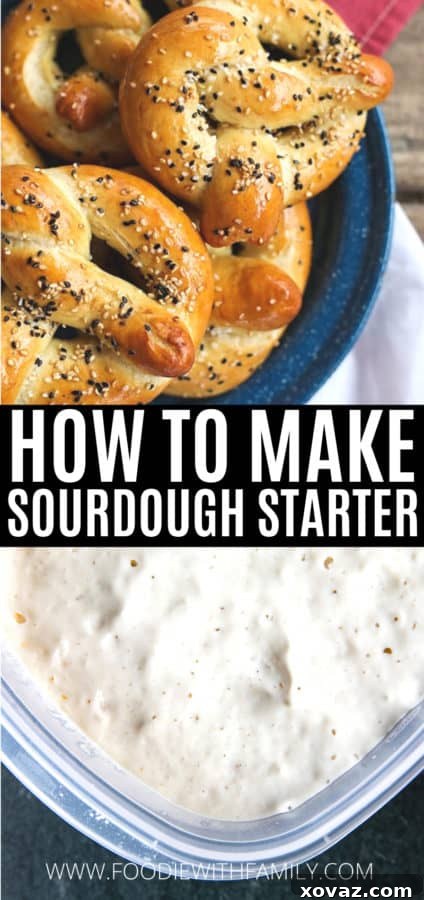
Embarking on the journey of making your own sourdough starter can feel like a daunting task, especially with store-bought yeast sometimes scarce. But here’s some delightful news: creating a robust sourdough starter from scratch, using nothing but flour and water, is surprisingly simple and incredibly rewarding!
With a thriving starter, you’ll be able to bake magnificent loaves of bread that boast a unique flavor and texture, all without relying on commercial yeast. (While some recipes might incorporate a touch of added yeast for specific results, we’re focusing on the pure, traditional method here!)
This comprehensive guide will walk you through every step, covering essential equipment, the right ingredients, and clear, day-by-day instructions to ensure your sourdough starter flourishes. Get ready to transform your kitchen into a bakery and enjoy the incredible aroma of freshly baked sourdough!
Essential Equipment for Your Sourdough Journey
While a few basic items are all you truly need to get started, having the right tools can make your sourdough experience far more enjoyable and efficient. Let’s break down the essentials and some highly recommended additions.
The Bare Necessities:
- A Spoon: For mixing your starter.
- A Measuring Cup: For initial measurements, though a scale is preferred (more on that below!).
- A 4 to 8-cup Food-Safe Container with a Lid: Glass jars or clear plastic containers are ideal for observing your starter’s activity.
Elevate Your Sourdough Game with These Tools:
Digital Kitchen Scale
If there’s one piece of equipment that will revolutionize your sourdough process, it’s a simple, inexpensive digital kitchen scale with a “tare” function. This function allows you to reset the scale to zero after placing your container on it, ensuring you only measure the weight of the ingredients you add, not the container itself.
Why is a scale so crucial? Sourdough starter is a living culture, and its activity causes its volume to fluctuate significantly. Relying solely on volume measurements (like cups) can lead to inconsistent results, as the amount of flour or water you’re actually adding can vary dramatically depending on how packed or aerated it is. Weight measurements, on the other hand, provide unwavering accuracy, which is the cornerstone of successful baking.
Consider the effort involved in accurately measuring flour by volume: you’d need to fluff the flour, gently spoon it into a dry measuring cup without packing it, level it off, and then possibly remove a spoonful for a “scant cup.” This meticulous process is prone to error and far more cumbersome than simply weighing your ingredients. A scale eliminates this guesswork and ensures your starter receives the precise amounts of nourishment it needs to thrive.
Furthermore, standard dry measuring cups are designed for dry ingredients, while liquid measuring cups are for liquids. Trying to measure water precisely in a dry cup or vice versa can be tricky and messy, often resulting in inaccurate measurements. A kitchen scale makes measuring all ingredients, wet or dry, perfectly straightforward.
Two or Three 6-7 Cup Containers with Lids
While one container is indispensable, having multiple identical containers makes managing your starter infinitely easier:
- One Container: Essential for housing your active starter.
- Two Containers: Allows you to easily transfer a portion of your active starter into a fresh, clean container for feeding, while the “discard” from the previous feeding (more on discard below!) can be stored in the other. This minimizes mess and keeps your main starter container cleaner.
- Three Containers: The ultimate convenience! You can feed your starter in a fresh container, move the discard to a dedicated discard container, and have a third clean one ready for the next feeding. This creates a seamless rotation, making cleanup a breeze.
A Silicone Spatula or Dough Whisk
A simple spoon will get the job done, but a silicone spatula or a dough whisk makes incorporating flour and water into your thick starter much quicker and more effective. Both are excellent at preventing dry pockets and ensuring a smooth, consistent mixture.
Key Ingredients for Your Sourdough Starter
The beauty of sourdough lies in its simplicity. You only need two core ingredients: flour and water. However, the type of flour and the quality and temperature of your water play significant roles in the health and vigor of your starter.
Flour: The Foundation of Your Starter
For the initial stage of your starter, we recommend using whole wheat or pumpernickel flour. These flours contain more of the wheat berry’s germ and bran, which are rich in nutrients and wild yeasts. This nutritional boost helps kickstart the fermentation process, encouraging robust activity and a quicker development of your starter.
After the first day, you’ll transition to unbleached all-purpose flour or bread flour. This switch helps create a more stable and predictable starter that’s easier to maintain and bake with. Consistency is key here: once you’ve made the switch, try to use the same type of flour for all subsequent feedings to maintain your starter’s health and strength.
Many experienced bakers prefer King Arthur All-Purpose Flour or their bread flour for its consistent quality. If these aren’t readily available, any other brand of unbleached all-purpose or bread flour will work well.
Water: The Lifeblood of Your Starter
The quality and temperature of your water are more important than you might think:
- Non-Chlorinated Water: Chlorine in tap water can inhibit the growth of the wild yeasts and bacteria essential for a healthy sourdough starter. If your tap water is chlorinated, simply let it sit out in an open container for 24 hours to allow the chlorine to dissipate, or use filtered water.
- Temperature Matters:
- Cooler Homes (68°F/20°C or below): Use lukewarm water (around 75-80°F / 24-27°C) for feedings. This provides a warm, inviting environment that encourages yeast activity in cooler ambient temperatures.
- Warmer Homes (70°F/21°C or above) or Humid Climates: Use cool-to-the-touch water (around 65-70°F / 18-21°C). This helps prevent the starter from becoming overactive and developing off-flavors.
Understanding Sourdough Starter Maintenance
Daily Feedings vs. Refrigeration
In the beginning, your starter will need frequent attention. For the first 5 to 10 days (depending on your home’s temperature and humidity), you’ll need to feed it twice a day to encourage strong, consistent activity. This regular feeding schedule helps cultivate a thriving population of wild yeasts and bacteria.
Once your starter is consistently active, bubbly, and reliably rises, you can transition it to a more relaxed schedule. Storing your fed starter in the refrigerator effectively puts it into “hibernation,” slowing down its metabolism. In the fridge, you’ll only need to feed it once every 7 to 10 days.
When you’re ready to bake with a hibernating starter, simply take it out of the fridge, let it come to room temperature, and give it one or two regular feedings until it’s bubbly and active again. This “wakes it up” and gets it ready for baking.
What is Sourdough Discard?
The term “sourdough discard” can be a bit misleading because you don’t necessarily have to throw it away! When maintaining an active starter, you need to “discard” a portion of it before each feeding. This practice is crucial for several reasons:
- Prevents Exponential Growth: Without discarding, your starter would grow exponentially with each feeding. Imagine adding equal amounts of flour and water to your starter every time – it would quickly become an unmanageable volume, requiring vast quantities of flour! Discarding keeps your starter at a manageable size.
- Maintains Optimal Balance: A smaller volume of starter helps maintain the delicate balance of nutrients and the beneficial microorganisms (wild yeasts and lactic acid bacteria) that give sourdough its distinct fruity aroma and tangy flavor. Overly large amounts can throw this balance off, affecting the starter’s health and flavor profile.
- Versatile Ingredient: Far from being waste, sourdough discard is a fantastic ingredient for a multitude of delicious recipes! It adds a wonderful tang and depth of flavor to many baked goods without requiring it to be active or bubbly.
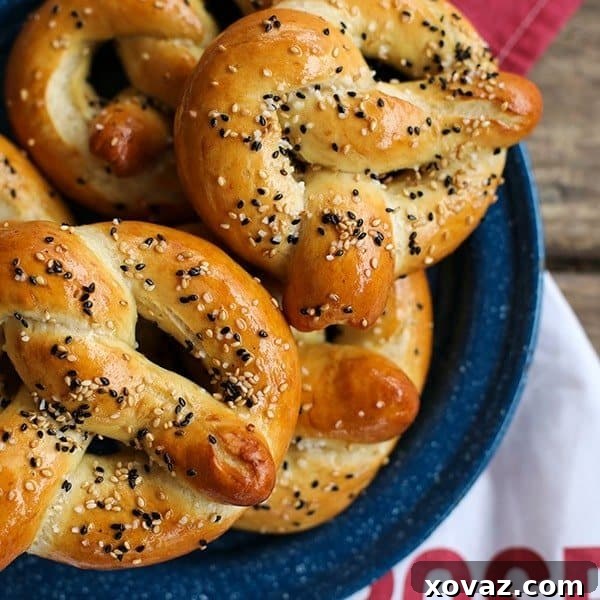
Some popular uses for sourdough discard include making my ultimate sourdough soft pretzels (which can also be shaped into pretzel rolls!), crispy sourdough crackers (perfect with wine and cheese), sourdough pizza dough, fluffy waffles, pancakes, muffins, and much more. Don’t let that precious discard go to waste!
Now that you’re equipped with the knowledge and understanding, let’s get into the step-by-step process of creating your very own sourdough starter!
Your 5 to 7 Day Plan: How to Create Sourdough Starter
DAY ONE
Morning (Example: 9:00 AM)
- In your food-safe container, measure 4 ounces (approximately 1 scant cup by volume) of whole wheat or whole rye flour and 4 ounces (1/2 cup by volume) of lukewarm non-chlorinated water.
- Stir thoroughly until all the flour is incorporated and no dry pockets remain. The mixture will be thick and shaggy, resembling a paste.

- Cover the container loosely. This can be achieved by resting the lid on top without sealing it, or by using a piece of plastic wrap or wax paper. The goal is to allow some air circulation while preventing excessive evaporation and keeping the starter moist. A tightly sealed lid can actually be blown off by an active starter, so always keep it loose!
- Find a warm spot in your home. Sourdough starter thrives in temperatures around 68°F (20°C) or higher. If your home is cooler, consider placing it in a cold oven with just the oven light on (the light generates enough gentle heat). Other warm spots include on top of a refrigerator, near (but not directly on) a space heater, or behind a woodstove (if you have one). The key is a consistent, warm environment, not extreme heat or drafts.
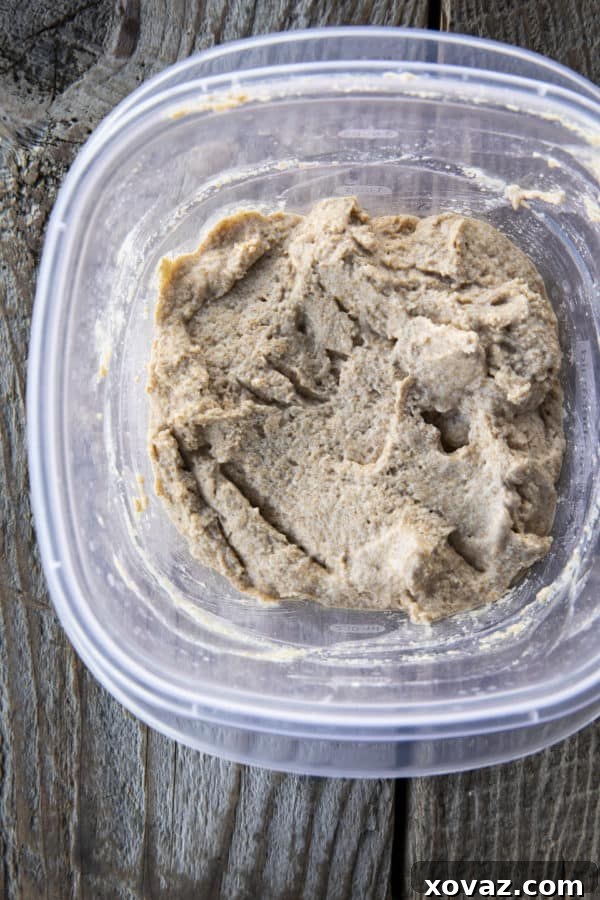
DAY TWO
Morning (Example: 9:00 AM, 24 hours after Day One)
- After 24 hours, your starter might not show much activity from the top, but if you’re using a clear container, you might notice small bubbles beneath the surface. Don’t worry if you don’t see many bubbles yet; a cooler room temperature can delay visible activity. Patience is key!
- Give the starter a good stir.
- Discard half of the starter. Transfer this portion into a separate, covered container and store it in the refrigerator for future discard recipes.
- To the remaining half of your starter, add 4 ounces (1 scant cup by volume) of unbleached all-purpose flour and 4 ounces (1/2 cup by volume) of lukewarm non-chlorinated water.
- Stir vigorously until thoroughly combined and no dry flour remains.
- It should have a pleasant, slightly tangy aroma.
- Loosely cover the container and return it to its warm spot for another 24 hours.
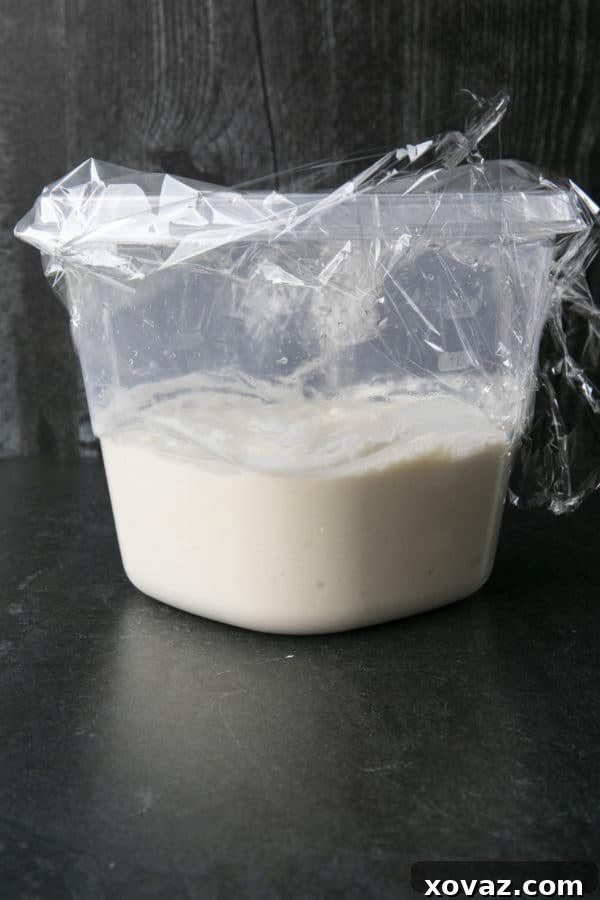
DAY THREE
Morning (Example: 9:00 AM, 24 hours after Day Two)
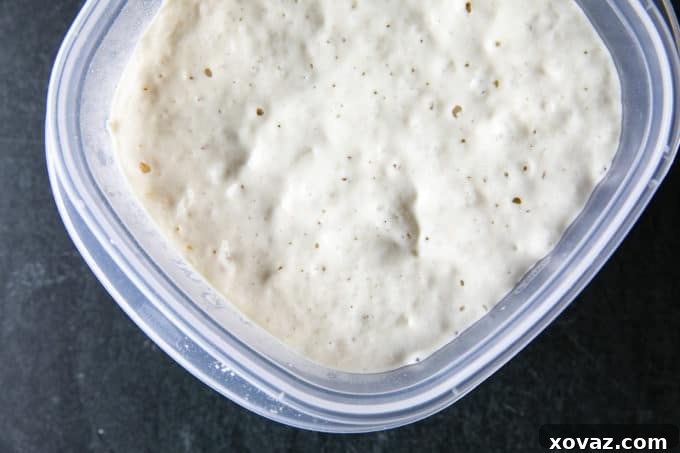
- You should now notice increased bubbling and a more pronounced, pleasantly sour (almost fruity) aroma from your starter. These are positive signs of active fermentation!
- Today, we shift to a twice-daily feeding schedule to accelerate the starter’s development.
- First Feeding (Morning): Stir down the starter, discard half, and feed the remaining half with 4 ounces (1 scant cup by volume) of unbleached all-purpose flour and 4 ounces (1/2 cup by volume) of lukewarm non-chlorinated water. Stir until fully combined.
- Loosely cover and place it back in its warm spot.
- Second Feeding (Evening – Example: 9:00 PM, 12 hours later): Repeat the process – stir, discard half, and feed with the same amounts of flour and water. Loosely cover and return it to its warm spot.
- You’re well on your way to a robust starter!
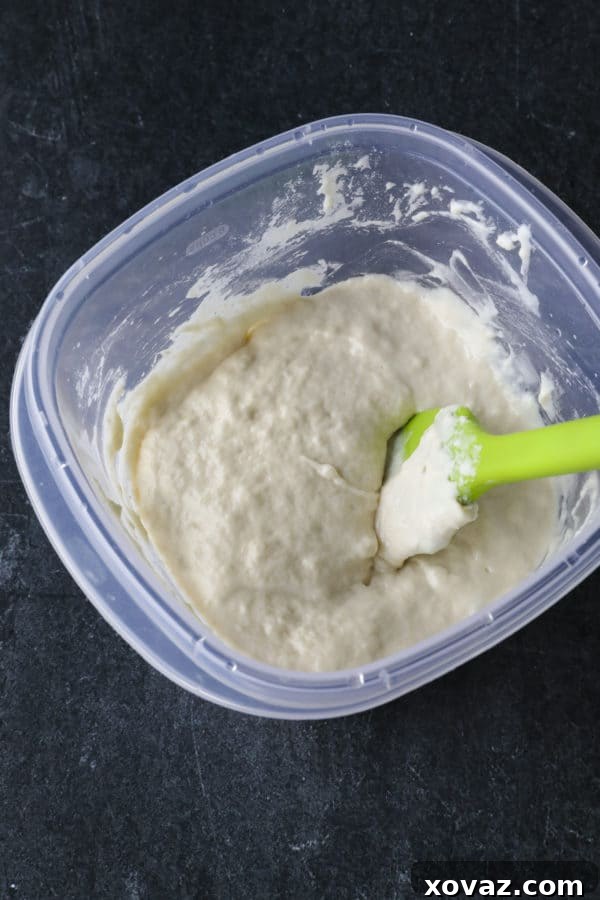
DAY FOUR THROUGH FIVE (AND BEYOND, IF NEEDED)
Twice Daily Feedings (Example: 9:00 AM and 9:00 PM)
- Continue the twice-daily feeding schedule (stir, discard half, feed) using 4 ounces of all-purpose flour and 4 ounces of lukewarm water for each feeding.
- By now, your starter should exhibit significant activity:
- More numerous and varied-sized bubbles, possibly stacking on top of each other.
- Small rivulets of liquid (often called “hooch”) might appear near the top, indicating the starter is hungry.
- A very strong, fruity, and tangy aroma.
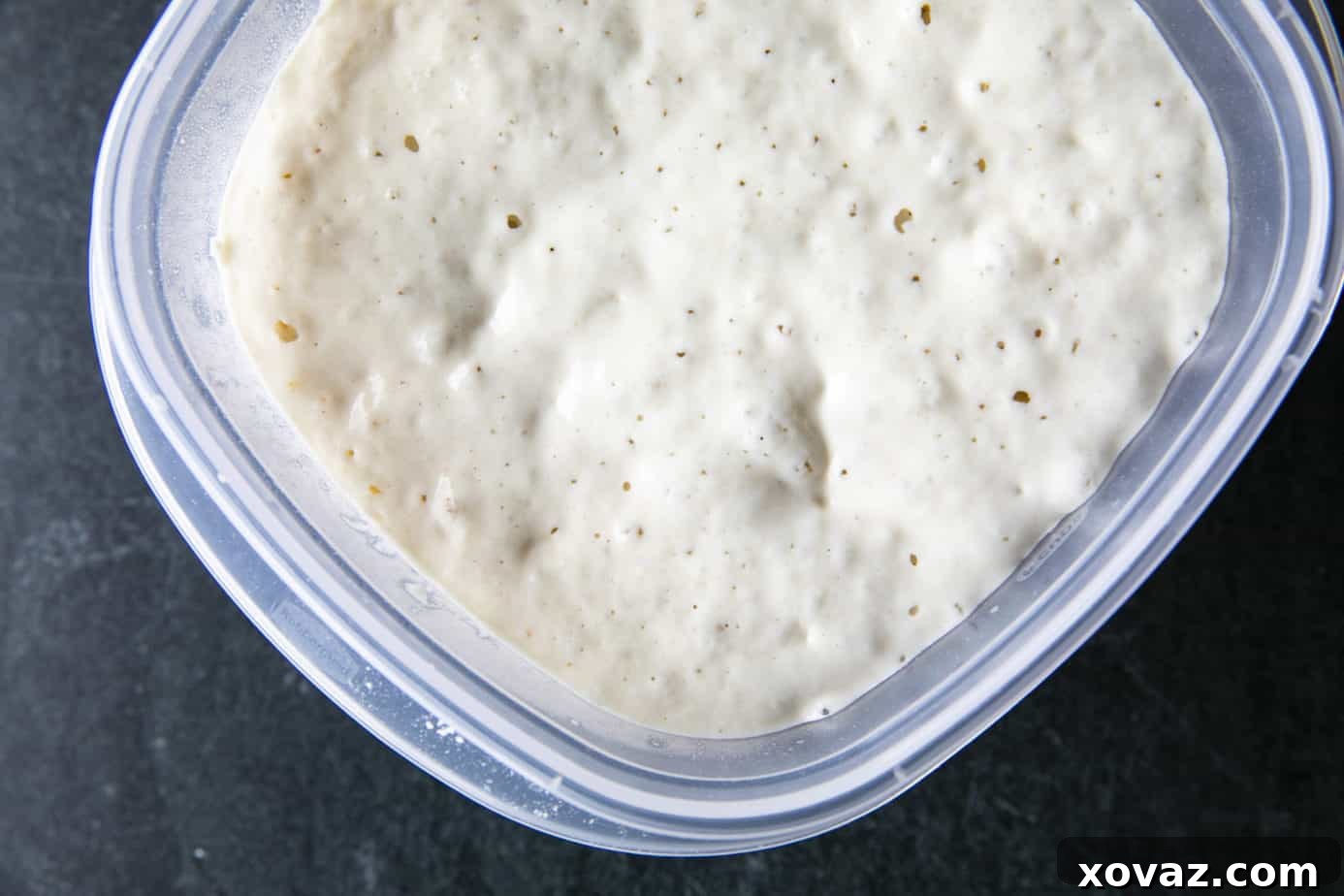
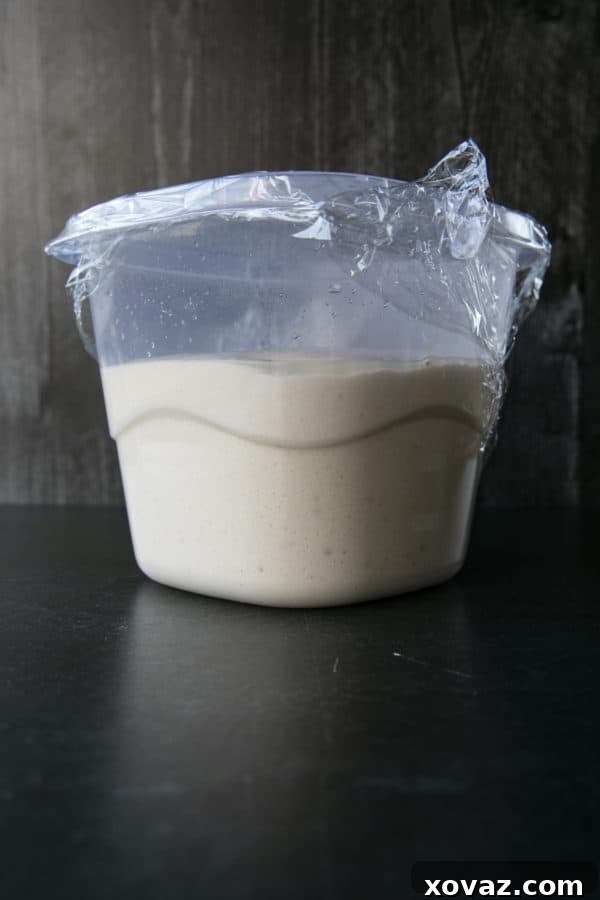
- Most notably, you should observe your starter rising significantly after feeding, often almost doubling in height, before settling back down. This rise and fall is the ultimate sign of a healthy, active starter.
- If your starter isn’t consistently showing these signs by Day Five, simply continue with the twice-daily feedings. Some starters take longer to become fully active, especially in cooler environments, possibly up to two weeks. Don’t be discouraged – persistence pays off!
- This is also where your accumulated sourdough discard comes in handy. While you wait for peak activity, use it to make delicious treats. I highly recommend trying those soft pretzel rolls!
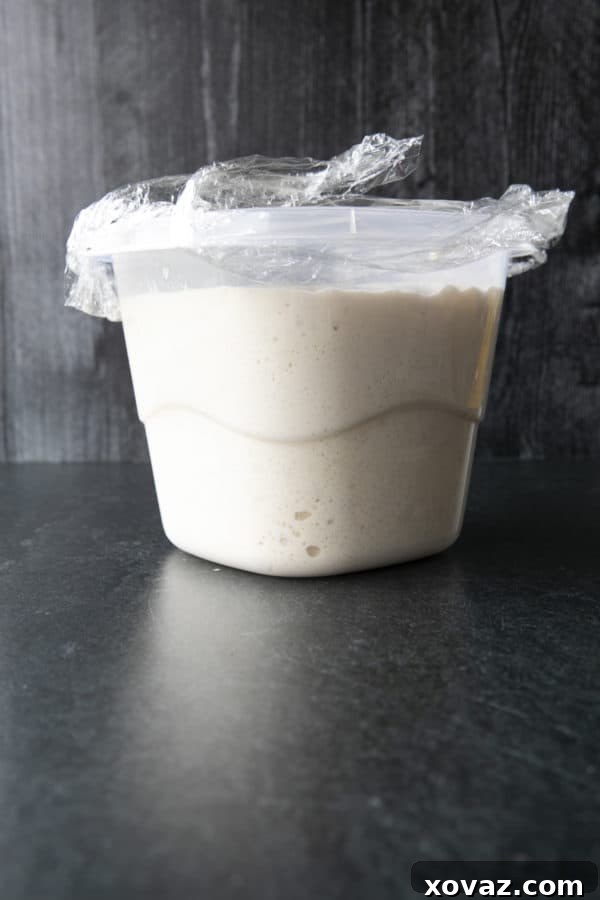
Congratulations! Your Starter is Ready!
When your starter consistently:
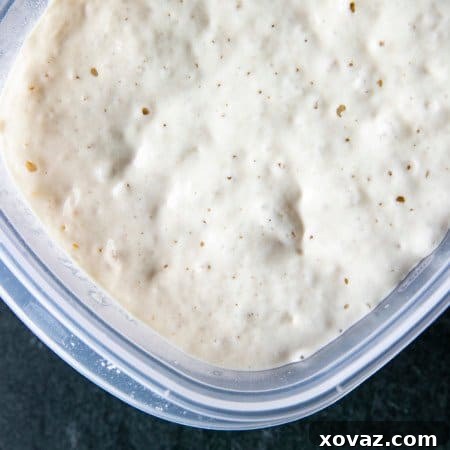
- Is full of tiny and variable-sized bubbles.
- Rises to almost double its original height within 4-8 hours after feeding.
- Smells very fruity and tangy.
…it means you are ready to bake with it! You’ll notice it has likely climbed almost to the top of its container when at its peak.
At this point, you have a choice: continue with twice-daily feedings if you plan to bake frequently, or perform a final feed, allow it to become active, and then store it in the refrigerator for less frequent maintenance. Remember, if refrigerating, you’ll need to bring it back to room temperature and feed it for a day or two until active again before baking.
Ready for your first bake? Try this Rustic Roasted Garlic Sourdough Boule or King Arthur Flour’s fantastic 100% Sourdough Bread, which requires absolutely no added commercial yeast!
How to Make Sourdough Starter
Rate Recipe
Rebecca Lindamood
Prep Time: 25 mins
Print Recipe |
Pin Recipe |
Share on Facebook
Equipment
- bowl
- spoon, silicone spatula, or dough whisk
- liquid + dry measuring cups OR kitchen scale
Ingredients (Adjusts for 1x, 2x, 3x servings)
- 4 ounces whole wheat or whole rye flour (by weight; 1 scant cup by volume)
- 4 ounces lukewarm water per feeding (by weight; 1/2 cup by volume)
- 4 ounces unbleached all-purpose flour per feeding (by weight; 1 scant cup by volume. Day 2: one feeding; Days 3-5: two feedings per day)
Instructions
DAY ONE
- Measure 4 ounces by weight of whole wheat or whole rye flour (a scant 1 cup by volume) and 4 ounces by weight (1/2 cup by volume) of lukewarm water into a food safe container. Stir until no dry pockets remain.
- Cover this loosely (e.g., lid on top without snapping, or plastic wrap/waxed paper).
- Ensure some air can get in and out, minimizing evaporation and keeping it moist.
- Consider the temperature of your room. If below 68°F, find a warmer spot (e.g., cold oven with light on, heating pad on low, behind a woodstove, on top of a refrigerator/desktop CPU, or next to a space heater).
- The goal is a steady, warmish temperature, not wickedly hot or drafty.
- SAMPLE SCHEDULE TIME: START THE PROCESS AT 9AM.
DAY TWO
- 24 hours later, check for small bubbles under the surface (if using a clear container). Don’t worry if none are visible, especially if your room is cooler.
- Stir down the starter, discard half (into a covered container in the refrigerator), then add 4 ounces of all-purpose flour (1 scant cup by volume) and 4 ounces of lukewarm water (1/2 cup by volume) to the remaining starter. Stir well until no dry pockets.
- Loosely cover and return to its warm bed for another 24 hours.
- SAMPLE SCHEDULE TIME: FEED THE STARTER AT 9AM.
DAY THREE
- 24 hours later, you should see increased bubbling and a pleasant, sour, fruity smell.
- Shift to feeding your starter every 12 hours. Each time, repeat: stir down, divide in half, feed with 4 ounces by weight each of lukewarm water and all-purpose flour (or 1 scant cup all-purpose flour plus 1/2 cup water by volume).
- After each feeding, loosely cover and tuck it in.
- SAMPLE SCHEDULE TIME; FEED THE STARTER AT 9 AM AND AGAIN AT 9PM.
DAY FOUR THROUGH FIVE (AND BEYOND?)
- By this point, you should see more bubbles, possibly stacked, and small liquid rivulets near the top.
- It should smell very fruity and tangy. Towards Day Five, notice the starter rising higher near feeding time.
- If it hasn’t reached this phase, continue twice-daily feedings; it may take up to 2 weeks.
- When your starter is full of tiny, variable-sized bubbles, rises to almost twice its original height over when you feed it, and smells very fruity and tangy, you’re ready to bake!
- You can either continue twice-daily feedings, or discard, re-feed, and stash in the refrigerator.
- If refrigerating, bring starter back to room temp and feed for a couple of days before using in recipes requiring ripe starter.
Nutrition
Calories: 67kcal
Carbohydrates: 14g
Protein: 2g
Fat: 1g
Saturated Fat: 1g
Sodium: 1mg
Potassium: 44mg
Fiber: 1g
Sugar: 1g
Calcium: 5mg
Iron: 1mg
Nutritional information is an estimate and provided to you as a courtesy. You should calculate the nutritional information with the actual ingredients used in your recipe using your preferred nutrition calculator.
Did you make this recipe?
Make sure to tag @foodiewithfam on Instagram and #hashtag it #foodiewithfamily so I can check it out!
Print Recipe |
Pin Recipe |
Share on Facebook