Unlock the Umami: Your Ultimate Guide to Crafting Homemade Japanese Furikake
Before we dive into the culinary wonders of this incredible Japanese seasoning, let’s clear up one crucial detail: pronunciation. Say it with me: Foo-ree-kah-kay. Though, if you’re anything like my sons, you might playfully prefer “furry khaki” – a charmingly silly name that, while incorrect, certainly sticks in the mind!
Now that we’re all on the same linguistic page, let’s talk about what furikake truly is. Imagine a world where your salt and pepper are not just essential seasonings but vibrant, flavor-packed additions that elevate every dish. In Japan, furikake plays precisely this role. More than just a simple condiment, it’s a staple found on nearly every kitchen table, ready to transform everyday meals into an experience brimming with taste.
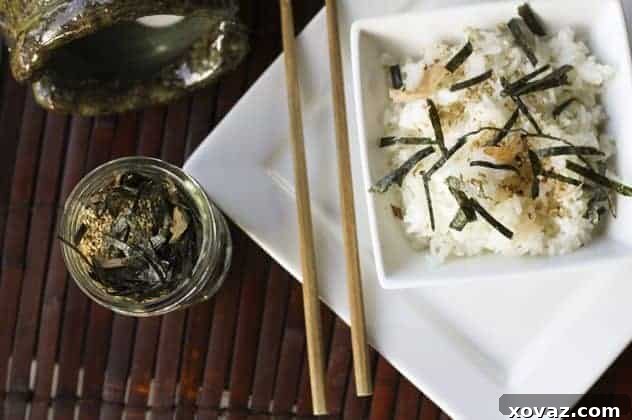
This delightful dry seasoning is showered over steaming bowls of fluffy white rice, mixed intricately into the comforting embrace of onigiri (rice balls), generously sprinkled over a variety of noodles, and even stirred into nourishing porridge. In essence, if a dish stands still long enough, it’s likely to receive a dusting of furikake. This widespread affection for furikake is no accident; it’s because this magical mix delivers an unparalleled explosion of umami – the savory fifth taste – instantly enriching anything it touches. Its unique blend of flavors, both briny and earthy with a subtle, irresistible hint of seafood essence, makes it truly incomparable.
The Irresistible Allure of Furikake: More Than Just a Seasoning
There’s an undeniable charm to furikake, a characteristic that makes it utterly addictive. I often find myself actively seeking out new foods to adorn with its distinctive character. If you’ve had the pleasure of tasting it before, you’ll understand that no other single seasoning can impart such a complete and harmonious flavor profile to a dish. It’s a game-changer, turning mundane meals into memorable moments of culinary delight. To confess, I’m utterly fixated on furikake. My love for it runs so deep that I frequently prepare more rice than necessary for our family meals, purely for the joy of forming rice balls to sprinkle with furikake for those delightful late-night cravings. Sometimes, I admit, I even open the jar just to inhale its aromatic charm for a moment. It’s a weakness, a testament to its captivating essence.
Unpacking the Umami: What Exactly Goes Into Furikake?
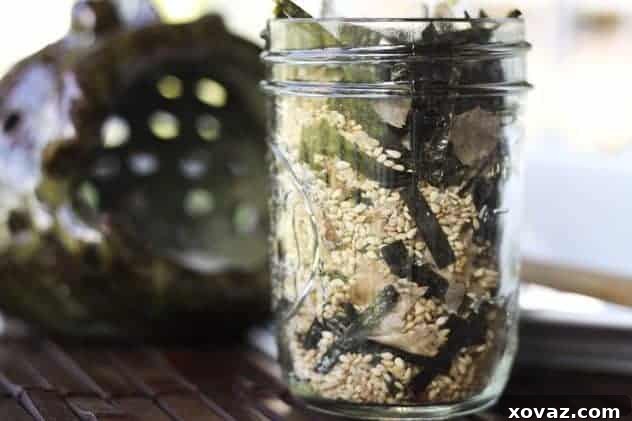
At its heart, and in the foundational recipe I’m sharing today, furikake is a simple yet profoundly flavorful combination of toasted sesame seeds, delicate sea salt, crisp nori (dried seaweed), savory bonito flakes, and an optional pinch of sugar to balance the symphony of tastes. Each ingredient plays a vital role in crafting this iconic Japanese condiment.
Key Ingredients Explained:
- Toasted Sesame Seeds: The Nutty Foundation
Sesame seeds, whether white or black, form the crunchy, nutty backbone of furikake. Toasting them properly is crucial, as it unlocks their full aromatic potential, deepening their flavor and giving them a delightful crispness that adds textural complexity to the seasoning. While many recipes call for raw seeds that you toast yourself, using pre-toasted sesame seeds is perfectly acceptable if that’s all you can find. Just skip the initial toasting step in the recipe. - Nori: The Essence of the Sea
Nori, a type of dried edible seaweed, contributes a distinct oceanic flavor and an appealing visual contrast. It’s rich in minerals and offers a subtle salinity that complements the other ingredients beautifully. When thinly cut, it provides a light, airy texture that melts in your mouth, releasing its unique marine notes. Look for high-quality, dark green nori sheets for the best flavor and aroma. - Bonito Flakes (Katsuobushi): The Umami Powerhouse
Bonito flakes, known as katsuobushi in Japanese, are perhaps the most crucial ingredient for achieving furikake’s signature depth of umami. These paper-thin shavings of dried, fermented, and smoked skipjack tuna provide a rich, smoky, and intensely savory seafood taste. They are a cornerstone of Japanese cuisine, often used to make dashi broth. If you find yourself struggling to locate bonito flakes in your local grocery store, fear not! Many Asian specialty markets carry them, and they are also readily available online. You can purchase them through this link on Amazon.com. - Sea Salt: The Flavor Enhancer
High-quality sea salt is essential not just for its seasoning properties but also for enhancing the complex flavors of the other ingredients. Using sea salt rather than regular table salt can introduce a more nuanced salinity and additional trace minerals, contributing to the overall depth of the furikake. The amount can be adjusted to your personal preference, ranging from a subtle hint to a more pronounced saltiness. - Sugar (Optional): The Balancing Act
A small amount of sugar, typically half a teaspoon, is an optional but recommended addition. It doesn’t make the furikake sweet but rather serves to subtly balance the salty and briny elements, bringing all the flavors into perfect harmony and making them pop even more.
The Beauty of Homemade Furikake: Control and Customization
While countless versions of furikake are sold commercially, and just as many, if not more, are lovingly crafted in homes across Japan, creating your own offers distinct advantages. This basic recipe provides an excellent “leaping-off point” for adding that special something to your meals and snacks. Making it yourself allows for complete control over the quality and freshness of the ingredients, enabling you to adjust salt levels, sugar content, and even introduce additional elements to suit your palate or dietary needs. It’s also incredibly cost-effective compared to store-bought varieties, and there’s immense satisfaction in knowing you’ve created something so versatile and delicious from scratch.
This simple process opens the door to endless customization. Once you’ve mastered the basic recipe, you can experiment with additions like red pepper flakes for a spicy kick, dried shiso leaves for a herbaceous note, or even different types of seeds like poppy or flax seeds for added texture and nutrition. The possibilities are truly boundless, allowing you to tailor your furikake to perfectly match your culinary adventures.
Homemade Furikake | Japanese Rice Seasoning: The Recipe
This crunchy, salty, nutty, earthy, briny topping, with its delightful hint of seafood, is a wonderfully versatile seasoning that elevates not just rice, but also seafood, snacks, and so much more. It’s surprisingly simple to make, yet incredibly rewarding. Do yourself a favor and make this; I can’t be the only one who obsesses over these things!
Homemade Furikake | Japanese Rice Seasoning
Author: Rebecca Lindamood
Prep Time: 10 mins
Total Time: 10 mins
Yields: 16 Servings
Ingredients
- 1/2 cup raw sesame seeds
- 1 teaspoon to 1 tablespoon sea salt (to taste)
- 3 sheets nori
- 3 heaping tablespoons bonito flakes
- 1/2 teaspoon sugar (optional)
Instructions
- Heat a dry, heavy-bottomed skillet over a medium-high burner.
- Pour in the sesame seeds and shake the skillet to distribute them evenly over the surface.
- Toast the sesame seeds, shaking occasionally, until they become fragrant and begin to make subtle popping sounds.
- Immediately pour the toasted seeds into a dry, clean bowl to cool, and stir in the sea salt. Allow the mixture to cool completely before proceeding to the next steps.
- Use kitchen shears or clean, dry scissors to cut the nori sheets into approximately 1-inch strips. Stack these strips and then cut cross-wise into very thin strips directly over the bowl of sesame seeds.
- Use the kitchen shears again to roughly cut up the bonito flakes into smaller pieces.
- Add the sugar (if you are using it) to the bowl with the other ingredients, and stir everything together until well combined.
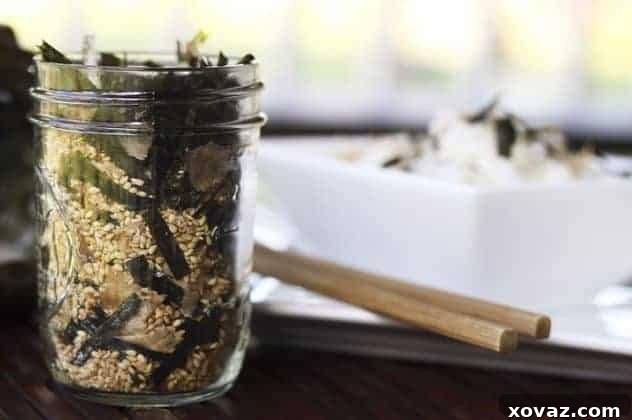
- Transfer the finished furikake to a clean jar with a tight-fitting lid. It is ready to use immediately and can be stored in a cool, dry place, away from direct sunlight, for up to two months.
Nutrition
Calories: 28 kcal | Carbohydrates: 1g | Fat: 2g | Sodium: 146mg | Potassium: 21mg | Vitamin A: 25IU | Vitamin C: 0.2mg | Calcium: 46mg | Iron: 0.7mg
Nutritional information is an estimate and provided to you as a courtesy. You should calculate the nutritional information with the actual ingredients used in your recipe using your preferred nutrition calculator.
Storing Your Homemade Furikake for Maximum Freshness
Once your fresh batch of homemade furikake is ready, proper storage is key to maintaining its vibrant flavor and crunchy texture. Always transfer it to an airtight container or a jar with a tight-fitting lid. Store it in a cool, dry place away from direct sunlight and humidity. A pantry or cupboard is ideal. While furikake is best enjoyed fresh, your homemade batch can typically last for up to two months when stored correctly. Over time, the nori might lose some of its crispness, but the flavors will still be delightful.
Beyond the Rice Bowl: Creative Ways to Enjoy Furikake
The beauty of furikake lies in its incredible versatility. While it’s famously paired with rice, its savory, umami-rich profile makes it a fantastic addition to a multitude of dishes:
- Eggs: Sprinkle it over scrambled eggs, fried eggs, or an omelet for an instant flavor upgrade.
- Avocado Toast: Elevate your breakfast or snack by dusting furikake over creamy avocado toast.
- Popcorn: Move over, butter! A sprinkle of furikake turns plain popcorn into a gourmet, savory treat.
- Salads: Use it as a crunchy, flavorful topping for green salads or even potato and pasta salads.
- Roasted Vegetables: Toss roasted broccoli, asparagus, or sweet potatoes with a dash of furikake just before serving.
- Grilled Fish or Chicken: Add a final flourish to grilled seafood or poultry for an extra layer of flavor.
- Soups and Broths: Stir a spoonful into miso soup or clear broths for added depth and texture.
The possibilities are truly endless. Let your culinary imagination run wild and discover new and exciting ways to incorporate this Japanese staple into your everyday cooking.
Embrace the Flavor: Your Furikake Journey Awaits
Homemade furikake is more than just a seasoning; it’s an invitation to explore the profound depths of Japanese flavors right in your own kitchen. It’s a simple, quick, and incredibly rewarding recipe that promises to elevate your meals with its unique blend of savory, salty, nutty, and briny notes. Whether you’re a seasoned chef or a home cook looking to add an exotic touch to your repertoire, crafting your own furikake is a culinary adventure worth embarking on. So, gather your ingredients, follow this straightforward guide, and prepare to fall in love with the irresistible magic of homemade furikake. Your taste buds will thank you.
Did you make this recipe?
If you tried this delicious homemade furikake, we’d love to see your creations! Make sure to tag @foodiewithfam on Instagram and use the hashtag #foodiewithfamily so we can admire your culinary triumphs!