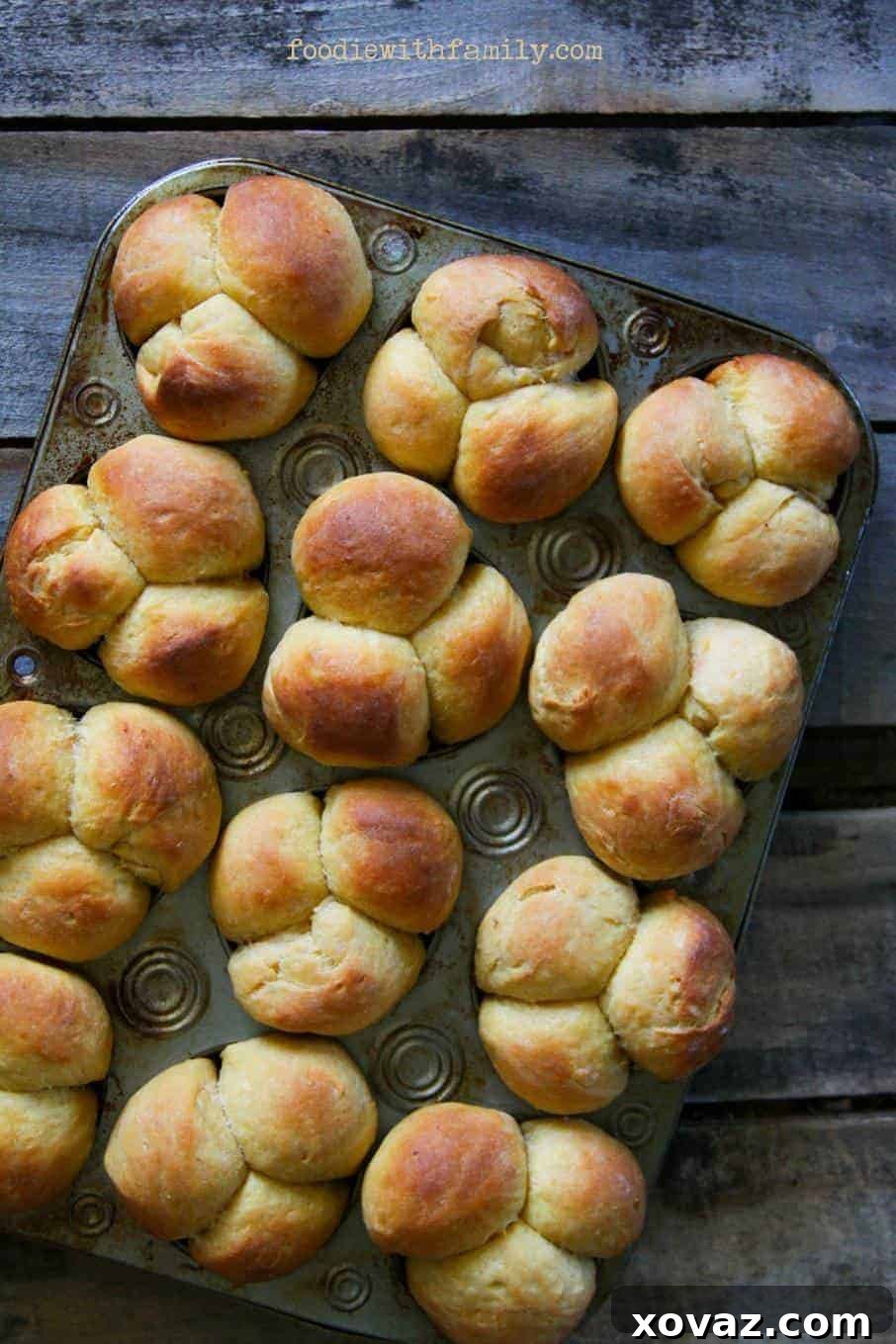
Easy Homemade Sweet Potato Dinner Rolls: A Beloved Family Recipe
Discover the ultimate recipe for incredibly soft, fluffy, and flavorful sweet potato dinner rolls. Perfect for holiday feasts, special gatherings, or simply elevating your everyday meals, these rolls bring warmth and comfort to any table. This detailed guide will walk you through creating a batch of these delightful golden-hued rolls that are sure to become a cherished tradition.
Craving more homemade goodness? Explore our extensive collection of Bread Recipes for everything from artisan loaves to quick breads. Or, if you’re enchanted by the versatility of sweet potatoes, dive into our inspiring Sweet Potato Recipes for innovative dishes and classic comforts alike.
Recalling the Comfort and Joy of Grandma’s Thanksgiving Table
There’s an undeniable magic that permeates a home during the holidays, especially when that home belongs to a beloved grandparent. For my family, Thanksgiving was almost always celebrated at my Grandma and Grandpa’s house, a place where simplicity reigned supreme, yet every moment felt extraordinary. Grandma’s table was never adorned with lavish centerpieces or matching china. In fact, to the best of my memory, the dishes were often a delightful, eclectic mix, each telling its own story. We all arrived dressed in our most comfortable and casual attire, ready for an afternoon of feasting and fellowship.
And here’s the most important thing: not a single person who gathered around that table, eagerly anticipating her culinary delights, cared about the lack of formal presentation. The moment you stepped through her door, you were enveloped by the intoxicating aroma of a magnificent feast, and more profoundly, you felt the boundless love that had carefully prepared every dish and invited us all to share in it. It was truly a case of “love goggles” at the table; everything, from the mismatched plates to the perfectly roasted turkey, seemed to glow with a magical warmth.
Now, just imagine yourself sitting at that generously stretched-to-capacity table, with all the extra leaves in place. Grandpa has just finished saying grace, and the signal for the feast to begin has been given. What do you reach for first? Is it the grand platter of perfectly carved turkey? Perhaps the creamy mashed potatoes, eagerly awaiting a generous pour of rich gravy? Or do you bypass the mains for the vibrant cranberry sauce?
Without an ounce of exaggeration, I can tell you that every single Thanksgiving of my life, my hand instinctively reached for the rolls. My love affair with carbs goes way back, and Grandma’s rolls were truly the stuff of legend. Every year, she would present two glorious varieties: her incredibly soft and deeply flavorful Honey Potato Wheat Rolls and her flaky, tender Buttery Crescent Rolls. They were renowned far and wide for their stellar buttery softness, a texture that simply melted in your mouth.
Grandma, bless her heart, always knew my weakness. She’d keep a few extra rolls aside, tucked away in a small bread basket on top of the refrigerator, just for me. It wasn’t because this picky kid deserved special treatment, but because she loved me unconditionally and couldn’t help but be moved by my unwavering, almost childlike enthusiasm for her magnificent breadstuffs. The bread, in fact, was often the only item at her table that received a dedicated, fancier serving vessel – always a beautiful cotton-towel-lined bread basket or a rustic bread bowl. And without fail, that’s precisely where you would always find me, hovering close, ready for another piece of her legendary creation.
Why Sweet Potato Dinner Rolls Are an Absolute Must-Try
While my grandmother’s rolls hold a special place in my heart, these Sweet Potato Dinner Rolls offer a fantastic modern twist on a beloved classic. They capture the essence of homemade comfort while introducing unique flavors and textures that make them utterly irresistible. If you’ve never baked with sweet potatoes before, prepare to be amazed by the incredible benefits they bring to your bread:
- Exceptional Moisture: Sweet potatoes are naturally high in moisture, which translates directly into incredibly tender and moist rolls. This also helps them stay fresh and soft for longer periods, a huge advantage for make-ahead baking.
- Subtle Sweetness and Flavor: The natural sweetness of sweet potatoes adds a delicate depth of flavor that complements both savory and sweet dishes. It’s not an overpowering sweetness, but rather a warm, earthy note that enhances the overall taste profile of the rolls.
- Beautiful Golden Hue: Beyond flavor, sweet potatoes impart a gorgeous golden-orange color to the dough, resulting in visually stunning rolls that will brighten any dinner table, especially during the autumn and winter months.
- Nutritional Boost: Sweet potatoes are packed with vitamins, minerals, and fiber. Incorporating them into your rolls adds a touch of nutritional value, making these a slightly healthier and more wholesome alternative to traditional white dinner rolls.
- Unique Texture: The starch in sweet potatoes contributes to a wonderfully soft crumb, creating rolls that are airy yet substantial, with a melt-in-your-mouth quality that’s simply addictive.
These rolls are not just delicious; they are a delightful fusion of tradition and innovation, offering a comforting flavor that will quickly make them a new family favorite. The dough is surprisingly easy to work with, especially with the added convenience of being able to refrigerate it for several days, making them perfect for stress-free holiday baking.
Sweet Potato Dinner Rolls
Recipe by: Rebecca Lindamood
These incredibly soft and fluffy sweet potato rolls are perfect for Thanksgiving, holiday dinners, or any meal where you want to impress with homemade bread. The dough is easy to work with and can be refrigerated for up to 5 days, making it ideal for make-ahead meal prep.
Pin Recipe
Share on Facebook

Ingredients
- 2 1/4 teaspoons Active Dry Yeast or Instant Yeast (equivalent to one standard packet)
- 1 1/2 cups warm water (ideally, use the starchy water leftover from cooking your sweet potatoes for enhanced flavor and moisture)
- 2/3 cup maple syrup (dark maple syrup is preferred for its robust flavor)
- 1 cup lukewarm mashed sweet potatoes (ensure they are smooth and lump-free)
- 2/3 cup unsalted butter (softened to room temperature for easy incorporation)
- 2 large eggs
- 1 1/2 teaspoons fine sea salt
- 2 cups white whole wheat flour
- 5 to 5 1/2 cups all-purpose flour (divided, as you may not need all of it)
Instructions
Part 1: Making the Dough
- In a large mixing bowl, or the bowl of a stand mixer fitted with a paddle attachment, combine the warm water and maple syrup. Stir gently to combine. Evenly sprinkle the yeast over the top of the liquid. Let this mixture stand for about 5 to 10 minutes until the yeast becomes foamy and bubbly. This “blooming” process confirms your yeast is active and alive.
- To the activated yeast mixture, add the lukewarm mashed sweet potatoes, softened butter, eggs, and salt. Stir all these ingredients thoroughly (using a sturdy spoon or the paddle attachment) until they are well combined and the mixture is relatively smooth.
- Begin incorporating the flours. Add the entire 2 cups of white whole wheat flour and 2 cups of the all-purpose flour to the wet mixture. Stir vigorously until all the flour is fully hydrated and the mixture forms a shaggy, somewhat even dough.
- Continue adding the remaining all-purpose flour gradually, about half a cup at a time, mixing until the dough comes together and pulls away from the sides of the bowl. The goal is to have a soft, slightly sticky dough that is still manageable. If using a stand mixer, switch to the dough hook attachment and knead on medium-low speed for approximately 5-7 minutes. If kneading by hand, turn the dough out onto a lightly floured surface and knead with firm, rhythmic motions for about 8-10 minutes. The dough should become smooth, elastic, and pass the “windowpane test” (meaning you can stretch a small piece thin enough to see light through it without it tearing).
- Transfer the well-kneaded dough into a large, clean mixing bowl that has been lightly oiled. Turn the dough over once to coat it evenly with oil. Cover the bowl tightly with plastic wrap or a damp kitchen towel to prevent the dough from drying out.
- Refrigerate the dough for at least 8 hours, or for up to 5 days. This extended cold fermentation period is crucial. It allows the flavors to develop beautifully, resulting in a more complex and delicious roll, and also makes the dough much easier to handle when shaping.
Part 2: Shaping the Rolls
- Before you begin shaping, prepare your baking pans. Lightly grease or butter two 9”x13” rectangular baking pans, four 8” round baking pans, or three standard-sized muffin pans, depending on your preferred roll shape. Set them aside.
- Remove the chilled dough from the refrigerator. Turn the dough out onto a lightly floured work surface. Gently “punch it down” to release any accumulated air pockets from the long fermentation.
- Divide the dough in half. Then, take each half and divide it into 20 equal-sized pieces. For consistency in size and baking, you can use a kitchen scale to ensure each piece weighs approximately the same (around 1.5 to 2 ounces).
- Working with one piece at a time, roll each dough portion into a smooth, tight ball. This technique creates tension on the surface of the dough, which helps the rolls hold their shape and achieve a beautiful rise during proofing and baking.
- If making standard dinner rolls: Arrange the dough balls into your prepared rectangular pans (typically 5 rows of 4 rolls per pan) or round pans (10 rolls per pan). Leave a little space between each roll, as they will expand significantly.
- If making cloverleaf rolls: Take each of the small dough balls and divide it into three even tinier pieces. Roll each of these tiny pieces into a tight ball. Optionally, you can lightly toss these small balls in melted butter for extra richness. Place three of these buttered balls into each cup of a prepared muffin tin.
- Once all your rolls are shaped and placed in their pans, cover them loosely with a clean kitchen towel. Allow them to rise (proof) in a warm, draft-free place until they appear noticeably puffy and have nearly doubled in size. This secondary rise typically takes about 1.5 to 2 hours, depending on the warmth of your kitchen.
Part 3: Baking the Rolls
- About 15-20 minutes before your rolls are finished proofing, preheat your oven to 375°F (190°C). This ensures the oven is at the correct temperature when the rolls are ready to go in.
- Bake the rolls for 20 to 30 minutes. Keep a close eye on them, especially towards the end of the baking time. They are perfectly done when they are beautifully golden brown on top and cooked through the center. If they are browning too quickly, you can loosely tent them with aluminum foil.
- For an extra touch of richness and a beautiful sheen, immediately after removing the hot rolls from the oven, gently brush their tops with a little melted butter. This adds flavor and keeps the crust soft. Serve warm and enjoy!
Note on Nutrition: The nutritional information provided here is an estimate and is given to you as a courtesy. Actual nutritional values can vary significantly based on the specific brands, types, and quantities of ingredients you use in your own recipe. For the most accurate nutritional data, we highly recommend calculating it with your preferred nutrition calculator based on the exact ingredients used in your preparation.
Expert Tips for Achieving Perfectly Fluffy Sweet Potato Rolls
Baking homemade bread, especially yeast rolls, can sometimes feel daunting, but with a few expert tips, you’ll be turning out perfect sweet potato dinner rolls every time:
- Yeast Activation is Crucial: The initial step of blooming your yeast is vital. Ensure your warm water is between 105-115°F (40-46°C) for active dry yeast. Water that’s too hot will kill the yeast, and water that’s too cold won’t activate it. If your yeast mixture doesn’t foam after 5-10 minutes, discard it and start again with fresh yeast. Instant yeast can be mixed directly with dry ingredients, but blooming it offers a reassuring visual cue of its vitality.
- Optimizing Mashed Sweet Potatoes: For the best texture in your rolls, make sure your mashed sweet potatoes are completely smooth and free of any stringy bits or lumps. They should also be lukewarm – not hot (to avoid killing the yeast) and not cold (which would inhibit yeast activity).
- The Secret to Starchy Water: Don’t toss that water you cooked your sweet potatoes in! Using it instead of plain warm water adds an incredible depth of flavor and additional moisture to your dough. The starches in the water help create a more tender crumb. If you don’t have it, plain warm water works perfectly well, but the starchy water is a baker’s secret weapon.
- Avoid Over-Flouring: This is one of the most common pitfalls in bread making. Resist the urge to add too much flour. The dough should be soft, pliable, and still slightly tacky to the touch. Over-flouring results in dense, dry, and crumbly rolls. The exact amount of flour can vary based on humidity, the consistency of your sweet potatoes, and how accurately you measure.
- Embrace Cold Fermentation: The long refrigeration period isn’t just for convenience; it’s a fundamental step that significantly enhances both the flavor and texture of your rolls. Slow fermentation allows the yeast to develop more complex flavor compounds, and the cold temperature makes the dough easier to handle, leading to a superior final product.
- Thorough Kneading for Structure: Proper kneading is essential for developing gluten, which gives the rolls their structure, elasticity, and delightful chew. Whether you’re using a stand mixer or kneading by hand, ensure you work the dough until it’s smooth, elastic, and passes the windowpane test.
- Create a Warm, Draft-Free Proofing Environment: Yeast loves warmth! For a successful second rise (proofing), find a spot in your home that is warm and free from cold drafts. If your kitchen is cool, you can use a slightly warmed (but turned off) oven with the oven light on, or place the covered pans near a sunny window.
- Browning for Flavor: Don’t be afraid to let your rolls get a nice golden-brown color. The Maillard reaction (browning) adds a depth of flavor to the crust that you won’t get from pale rolls.
Creative Ways to Serve Your Sweet Potato Dinner Rolls
These versatile sweet potato rolls are so much more than just a holiday side dish. Their subtle sweetness and incredibly soft texture make them suitable for a wide array of culinary pairings. Here are some ideas to inspire your next meal:
- The Ultimate Holiday Companion: Without a doubt, these rolls are an absolute showstopper at any Thanksgiving, Christmas, or Easter dinner. They pair beautifully with roasted turkey, glazed ham, savory stuffing, and all your favorite traditional holiday sides.
- Elevate Everyday Meals: Don’t reserve these delights solely for special occasions! Serve them warm alongside a hearty beef stew, a comforting bowl of chili, or a simple weeknight roast chicken. They’re also fantastic with a rich pasta dish, perfect for soaking up delicious sauces.
- Breakfast and Brunch Bliss: Transform your morning routine by serving them warm with a smear of butter, homemade jam, or a drizzle of honey. They also make an incredible base for a sweet and savory breakfast sandwich, perhaps with eggs and bacon.
- Perfect for Sandwiches and Sliders: Their soft, tender crumb makes them ideal for small sandwiches or gourmet sliders. Fill them with pulled pork, shredded chicken, or your favorite deli meats for a delightful lunch or party appetizer.
- Savory Cheese Pairings: The slight sweetness of the rolls creates a wonderful contrast with sharp cheeses. Serve them as part of a cheese board, or simply with a slice of aged cheddar.
- Sweet Treat Potential: If you’re lucky enough to have any leftover rolls, they can be repurposed into incredible sweet dishes! Consider using them to make a decadent bread pudding, a unique French toast, or even savory croutons for salads.
Frequently Asked Questions About Sweet Potato Rolls
- Can I use canned sweet potato puree instead of fresh mashed sweet potatoes?
- Yes, you can certainly use canned sweet potato puree as a convenient alternative. However, make sure to choose 100% sweet potato puree with no added sugars, spices, or other ingredients. If the puree seems very wet, you might want to drain off any excess liquid. While canned puree works, freshly cooked and mashed sweet potatoes generally offer a superior, fresher flavor and optimal texture.
- How do I know if my yeast is active?
- After sprinkling the yeast over the warm water and maple syrup mixture, let it sit undisturbed for 5 to 10 minutes. If the mixture becomes visibly foamy and bubbly on the surface, your yeast is active and ready to be used. If there’s no visible activity, your yeast might be old or the water temperature was incorrect, and it’s best to discard it and start with a fresh packet of yeast.
- Can I make these rolls ahead of time for a busy holiday?
- Absolutely, and this is one of the best features of this recipe! The dough is designed for a long, cold fermentation. You can prepare the dough up to the refrigeration step and store it in the refrigerator for up to 5 days. When you’re ready to bake, simply take the dough out, punch it down, shape the rolls, allow them to proof at room temperature, and then bake as directed. This makes holiday meal prep significantly less stressful.
- What’s the best way to store leftover sweet potato rolls?
- To keep your leftover rolls fresh and soft, store them in an airtight container at room temperature for up to 2-3 days. For longer storage, they can be kept in the refrigerator for up to a week. For extended preservation, freeze the baked and cooled rolls in a freezer-safe bag or container for up to 3 months. When ready to enjoy, thaw them at room temperature and gently warm them in a low oven or microwave for that fresh-baked taste.
- My rolls didn’t rise properly. What might have gone wrong?
- There are several common reasons why yeast rolls might not rise:
- Inactive Yeast: The most frequent culprit. Ensure your yeast is fresh and active.
- Incorrect Water Temperature: Water that’s too hot will kill the yeast, while water that’s too cold will inhibit its activity. Aim for 105-115°F (40-46°C).
- Insufficient Kneading: Proper kneading develops the gluten structure necessary for the dough to trap gases and rise.
- Cold or Drafty Proofing Environment: Yeast needs a warm, consistent environment to thrive. Avoid cold drafts during the rising process.
- Too Much Flour: Over-flouring can make the dough too stiff to rise effectively.
Double-check these factors for future attempts.
We’d Love to See Your Homemade Creations!
There’s nothing more rewarding than seeing our recipes come to life in your kitchen. If you embark on the delightful journey of making these Sweet Potato Dinner Rolls, we would absolutely love to see your culinary triumphs!
Make sure to share your beautiful baked goods on Instagram and tag @foodiewithfam. Don’t forget to use the hashtag #foodiewithfamily so we can easily find and admire your wonderful creations!
Pin Recipe
Share on Facebook