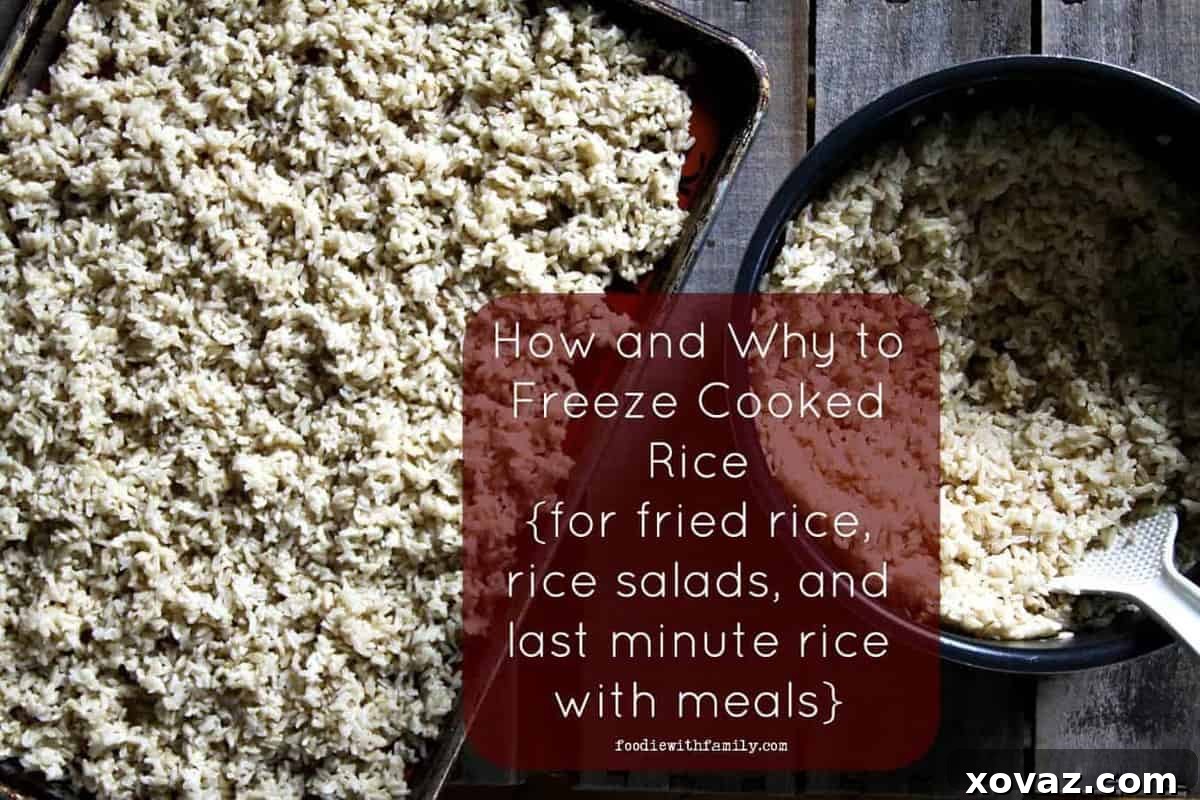
For many home cooks, achieving truly exceptional fried rice often feels like uncovering a hidden culinary gem. Some culinary enthusiasts may already be privy to this crucial kitchen secret, but for those who aren’t, prepare for a revelation that will transform your rice dishes: you simply cannot create authentic, perfectly textured fried rice without using **leftover, thoroughly chilled rice**. This isn’t just a recommendation; it’s a fundamental principle that distinguishes a sticky, mushy stir-fry from a masterpiece of separated, flavorful grains with an irresistible, slightly crispy exterior.
Imagine the outcome if you were to begin your fried rice with freshly cooked, hot, and steamy rice. The result would invariably be a clumpy, sticky mass where individual grains lose their identity, dissolving into an unappetizing mush. This undesirable texture is a direct consequence of hot, freshly prepared rice retaining a high moisture content and having starch molecules that are soft and fully swollen. When subjected to the high heat of a wok or skillet, this moisture quickly turns to steam, causing the rice to steam rather than fry. This process hinders the development of distinct grains and prevents that crucial, slightly charred crispness that defines good fried rice. Even attempting to rapidly cool freshly cooked rice on a sheet pan offers only a marginal improvement. The true magic occurs when rice has had sufficient time to cool completely and “age,” allowing its starch to firm up and excess surface moisture to evaporate. This scientific phenomenon, known as **starch retrogradation**, is the cornerstone of rice that maintains its structural integrity and develops superior texture when stir-fried. This same principle extends to other rice-based culinary creations, such as delectable savoury rice pancakes and vibrant cold rice salads, where firm, distinct grains are essential for both a pleasing mouthfeel and the effective absorption of dressings without becoming soggy.
Overcoming the Meal Planning Predicament: The Solution to Spontaneous Cravings
Let’s face it, consistent, proactive meal planning a full day in advance is a skill few of us truly master. More often than not, the sudden, intense craving for “amazing fried rice” strikes precisely at the moment hunger sets in, not with the foresight of 24 hours. We might have all the other ingredients – some leftover protein, a medley of forgotten vegetables, and a pantry full of seasonings – but that indispensable component, the perfectly aged, cold rice, is conspicuously absent. This common culinary predicament frequently leads to either disappointment, a compromised meal, or, most regrettably, the default option of expensive takeout. This widespread frustration underscores the vital need for a practical, on-demand solution for having ideal cold rice readily available, making it an invaluable asset for busy individuals and passionate home cooks alike.
The Ultimate Kitchen Hack: The Power of Freezing Cooked Rice
Recognizing this universal kitchen challenge, I’ve implemented a remarkably simple yet profoundly effective strategy that guarantees I am always prepared for any spontaneous rice-based culinary endeavor. The transformative solution lies in a straightforward practice: **deliberately cook a generous excess of rice** whenever you prepare it for a meal. This approach serves a dual benefit – it ensures ample servings for your immediate meal and establishes a continuous reserve of perfectly prepared rice for future dishes. This means you’ll never again be caught off guard by a fried rice craving or the need for a quick side dish.
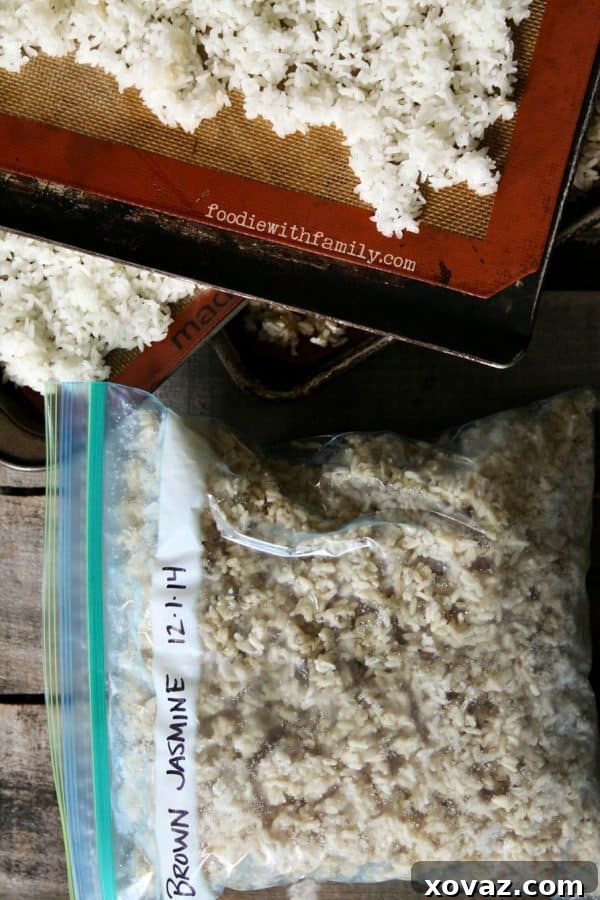
The process is remarkably straightforward and requires minimal effort for maximum payoff. After cooking your substantial batch of rice, transfer it to a shallow dish or plate and allow it to cool completely in the refrigerator, ideally overnight. This extended chilling period is absolutely crucial. It allows the starch molecules within each grain to fully firm up and any residual moisture to dissipate, significantly reducing stickiness. Once the rice is thoroughly chilled and firm, gently crumble it and spread it out evenly in a thin layer across a silicone baking mat (silpat)-lined sheet pan. Spreading it thinly is key to ensuring rapid and uniform freezing, which in turn minimizes the formation of large, stubborn clumps. Freeze the rice until each grain is individually frozen and rock-solid – typically a minimum of 4 hours, though an overnight freeze is optimal. Once completely frozen, carefully transfer the separated rice grains into a labeled and dated resealable freezer-safe bag, expelling as much air as possible before sealing and stashing it in your freezer. This versatile method works exceptionally well for all common varieties of rice, including fragrant white jasmine, wholesome brown jasmine, classic basmati (both white and brown), versatile medium grain white, delicate short grain white, and even the unique texture of sticky sweet brown rice, ensuring you have the perfect base for a diverse range of recipes.
Beyond Fried Rice: Unlocking the Incredible Versatility of Frozen Cooked Rice
While the prospect of perfect fried rice is undoubtedly enticing, the convenience offered by mastering the art of freezing cooked rice extends far beyond a single dish. A freezer consistently stocked with individual, pre-cooked rice grains translates into an unparalleled level of kitchen efficiency, putting you mere minutes away from a hot, nourishing side dish or the foundation for countless meals. This transformative hack redefines your meal prep capabilities and simplifies weeknight dining. Imagine the sheer luxury of bypassing the 45-minute cooking time for brown rice when you’re preparing a hearty beef stew, a comforting bowl of soup, or a deeply flavorful Chickpea Tikka Masala. This simple culinary foresight can often be the crucial differentiator between the satisfaction of a wholesome, home-cooked meal and the impulse to order expensive, less healthy takeout. It effectively empowers you to consistently prepare nutritious meals with remarkable efficiency, thereby saving valuable time, effort, and ultimately, money.
The culinary applications for frozen cooked rice are remarkably extensive and incredibly beneficial for any busy kitchen:
- Effortless Weeknight Side Dish: Simply microwave a portion to provide a quick, wholesome accompaniment to virtually any main course, from grilled chicken breasts to oven-baked salmon or roasted vegetables.
- Instant Customizable Rice Bowls: Combine thawed rice with your preferred protein (chicken, tofu, beans), fresh or roasted vegetables, and a favorite sauce for a satisfying, nutrient-rich, and fully customizable meal in mere minutes.
- Speedy & Perfect Stir-Fries: Beyond traditional fried rice, use it as a superior base for any quick stir-fry. The pre-chilled and frozen grains guarantee beautifully separated rice every time, preventing the dreaded sticky outcome.
- Hearty Soups and Stews: Add a generous handful of frozen rice directly to simmering soups, stews, or chili during the final 5-10 minutes of cooking for added body, texture, and a more substantial meal.
- Refreshing & Healthy Rice Salads: Thaw and gently toss with crisp fresh vegetables, aromatic herbs, a zesty dressing, and perhaps some crumbled feta or nuts for a quick, healthy, and satisfying lunch option.
- Convenient Stuffed Vegetables: A perfectly prepared, ready-to-use component for assembling classic stuffed bell peppers, zucchini boats, or savory cabbage rolls with minimal fuss.
- Quick Burritos, Tacos, and Wraps: Ideal for rapid assembly of homemade burritos, soft tacos, or lunch wraps, offering a healthier and more economical alternative to store-bought options.
- Reduced Food Waste: This method significantly contributes to reducing food waste by enabling you to cook larger batches of rice when convenient, then preserving the excess for optimal future use, aligning with sustainable kitchen practices.
Essential Tips for Perfectly Freezing & Storing Cooked Rice
Achieving the best possible results when freezing cooked rice, ensuring it performs flawlessly in your future dishes, relies on adhering to a few critical best practices:
- Cook Rice to a Firm Consistency: For most culinary applications, particularly for stir-fries and cold salads, it is paramount to cook your rice so that the grains are firm and distinct, rather than overly soft or clumpy. This firm texture is vital for the rice to maintain its structure and integrity through the freezing and reheating processes. While there are notable exceptions where a softer, mushier rice is desirable, such as creamy rice pudding or comforting congee, for the purpose of freezing and subsequent versatile use, a firm, al dente texture is always preferable.
- Invest in a Quality Rice Cooker: A reliable rice cooker is an indispensable piece of equipment that takes all the guesswork out of cooking virtually any variety of rice to perfection. These appliances consistently yield fluffy, distinct grains without the need for constant monitoring. Many discerning home cooks, even those with limited kitchen space, consider a rice cooker to be an essential gadget not only for preparing various types of rice but also for cooking other whole grains like quinoa, barley, teff, and freekeh with minimal effort.
- Prioritize Overnight Refrigeration: This step is non-negotiable for optimal results. After cooking, immediately transfer your rice to a shallow, open container and refrigerate it overnight. This extended cooling period allows for two critical processes: the complete firming up of the rice’s starches and the evaporation of excess surface moisture. This combined effect makes the rice significantly easier to separate and crumble when spreading it on the sheet pan, resulting in individual, free-flowing grains rather than stubborn clumps in your frozen stash.
- Spread Thinly and Evenly for Freezing: While achieving an absolute single-layer spread might not always be practical for large quantities, it is crucial to aim for the thinnest and most even layer possible on your silpat-lined sheet pan. The thinner and more uniform the layer, the more rapidly and consistently the rice will freeze, which directly translates to fewer clumps and better overall texture once thawed. Take a moment to gently break apart any larger clumps before freezing to ensure maximum separation.
- Optimize Packaging and Storage: Once the rice grains are completely frozen and individual, transfer them to sturdy, high-quality, resealable freezer bags. Before sealing, press out as much excess air as possible from the bag to prevent freezer burn, which can compromise both flavor and texture. Clearly label each bag with the date of freezing and the type of rice. Properly stored, frozen cooked rice can maintain its quality for up to 3 months, providing remarkable flexibility for your meal planning endeavors.
How to Freeze Cooked Rice for Optimal Results
This straightforward method ensures you always have perfectly textured rice ready for your favorite dishes, from crispy fried rice to incredibly quick side dishes and meal prep solutions.
Ingredients
- Any amount of cooked rice, thoroughly chilled (ideally refrigerated overnight)
Instructions
- Prepare Your Pan: Line a large baking sheet or sheet pan with a silicone baking mat (such as a silpat) or parchment paper to ensure the rice does not stick during freezing.
- Spread the Rice: Using your hands or a fork, gently crumble the cold, chilled rice evenly over the lined baking sheet. Make sure to break apart any visible clumps, aiming to spread the rice in as thin and even a layer as possible. If you are freezing a large quantity of rice, use multiple sheet pans to prevent overcrowding and ensure even freezing.
- Freeze Until Solid: Place the sheet pan(s) containing the rice into the freezer. Allow it to freeze for at least 4 hours, or preferably overnight, until each rice grain is completely frozen and individual.
- Package for Storage: Once the rice is rock-solid, remove it from the freezer. Break up any remaining frozen clumps. Transfer the loose, frozen rice into a sturdy, resealable freezer-safe bag. Press out as much air as possible from the bag before sealing to prevent freezer burn.
- Store: Label the bag with the date and type of rice. Store the frozen rice in your freezer for up to 3 months for best quality.
To Reheat Frozen Rice:
- Microwave Method: Place the desired amount of frozen rice into a microwave-safe bowl. Cover the bowl loosely with plastic wrap, leaving a small vent on one side to allow steam to escape.
- Initial Heating: Heat on HIGH in the microwave for 2 minutes.
- Fluff and Continue: Carefully remove the bowl (it will be hot!) and pull back the plastic wrap (beware of steam!). Fluff the rice with a fork to break up any remaining frozen sections and redistribute heat. Re-cover the bowl and continue heating in 1-minute increments until the rice is thoroughly hot and fluffy all the way through.
- For Fried Rice: Frozen rice is ideally suited for fried rice. You can often add it directly to a hot wok or skillet, breaking it up with your utensil as it heats, or you may choose to partially thaw it beforehand for slightly easier separation. The key is that the rice remains firm and separate.
Please note: Nutritional information provided is an estimate and should be independently calculated with the actual ingredients used in your specific recipe using your preferred nutrition calculator.
Did you make this recipe?
We absolutely love seeing your culinary creations! Make sure to tag @foodiewithfam on Instagram and use the hashtag #foodiewithfamily so we can admire your delicious dishes!