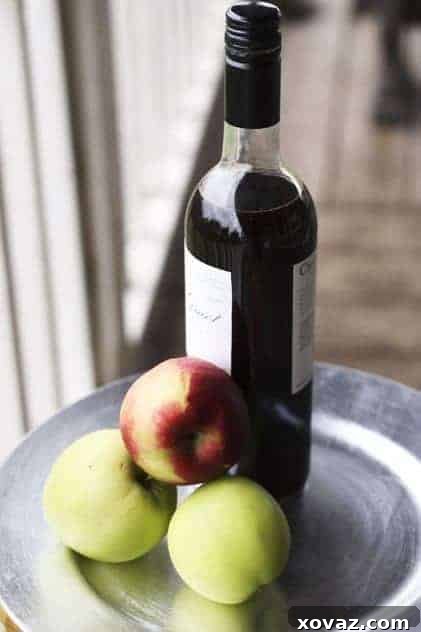
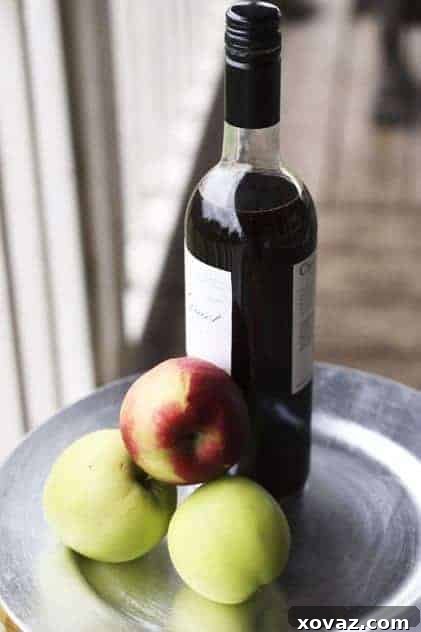
Imagine harnessing the vibrant, crisp essence of fresh apples, distilling all the enchanting flavors of autumn into a single, luscious syrup. That’s precisely what Boiled Cider is: a concentrated, pure celebration of apple, transforming a simple beverage into an indispensable culinary gem. And the best part? It’s remarkably simple to create right in your own kitchen.
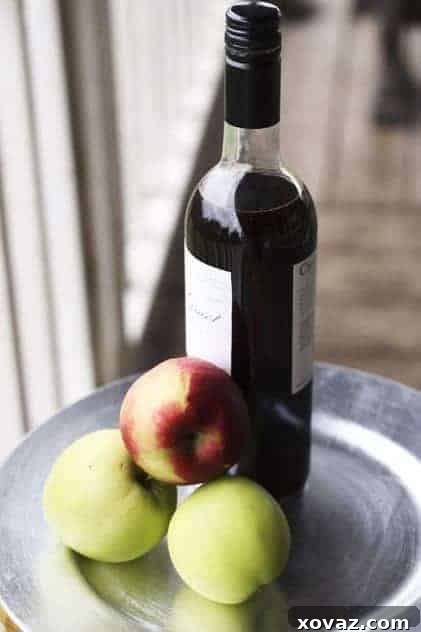
You might look at a seemingly ordinary wine bottle and wonder how two whole gallons of apple cider could possibly fit inside. The secret, as ancient as apple cultivation in America, lies in a gentle, prolonged reduction. While the process may span several hours, it demands very little active effort from you. Picture this: you set a pot on the stove, and it quietly works its magic, simmering away, slowly concentrating its volume and deepening its flavor, allowing you to go about your day with minimal interruption.
This isn’t just a modern culinary trend; it’s a rediscovered piece of American food history, dating back to the 1600s with the arrival of European settlers and the introduction of apples as a staple crop. Confronted with the challenge of preserving food through long, harsh winters, these resourceful pioneers developed ingenious methods. Boiled Cider, often referred to as “apple molasses,” was one such brilliant innovation. It transformed perishable fresh cider into a shelf-stable, potent syrup that provided a taste of autumn long after the harvest season had passed.
The name “Boiled Cider” might sound unassuming, even a little plain. And “apple molasses” may not immediately conjure images of gourmet delight. But don’t let the simple labels mislead you. There is absolutely nothing bland, boring, or unexciting about this incredible apple concentrate. Its flavor profile is a revelation.
Recall that moment when you savor a perfectly chilled, fresh glass of apple cider, straight from the mill. The way its tart sweetness invigorates your taste buds, perhaps even making your mouth water with anticipation. Now, amplify that sensation sevenfold. That’s the intensity we’re talking about with Boiled Cider. The magic ratio for this transformation is crucial: you aim to reduce the cider to precisely one-seventh of its original volume. This significant reduction concentrates the natural sugars and complex apple flavors, developing a subtle caramelization, and yielding a thick, velvety consistency reminiscent of premium pancake syrup.
The beauty of Boiled Cider lies in its absolute purity. It is simply concentrated cider. There are no added sugars, artificial flavorings, or preservatives. The intense sweetness and rich, complex taste come solely from the natural sugars found within the apples themselves. This makes it a wholesome, unadulterated product that enhances countless dishes and beverages with its mere presence, celebrating the authentic taste of fall in every drop.
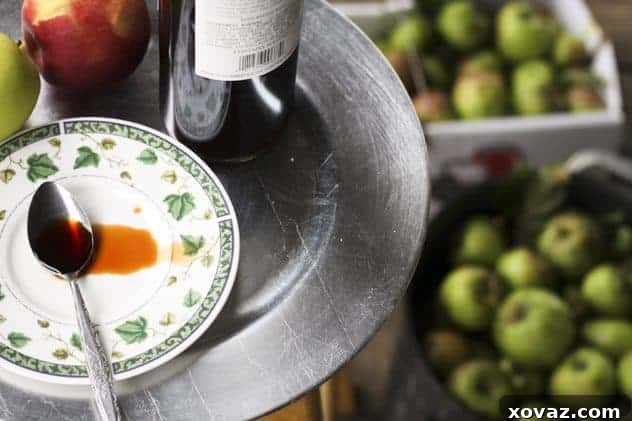
Historically, Boiled Cider was a vital preservation technique, ensuring that the bounty of the apple harvest could be enjoyed far beyond the hard cider’s drinkable stage, preventing it from turning into unpalatable vinegar. Stored properly in a cool, dark pantry, this concentrated syrup would last the settlers through the depths of winter and even into the following apple season. Today, while modern refrigeration and preservation methods are common, Boiled Cider remains an exceptional way to capture and extend the exquisite flavors of fresh apples, offering a long shelf life and unparalleled versatility.
Unleash the Flavor: Creative Uses for Boiled Cider
Once you have a bottle of homemade Boiled Cider on hand, you’ll discover an endless array of ways to incorporate its rich, apple-infused sweetness into your cooking and baking. This isn’t just a sweetener; it’s a profound flavor enhancer that will elevate your culinary creations. Here are just a few ideas to get you started, though your imagination will undoubtedly lead you to many more:
- Dessert Drizzle: A generous drizzle over a scoop of vanilla bean ice cream is a simple yet utterly sublime experience. The warm, caramelized apple notes beautifully complement the creamy coldness.
- Savory Glazes and Marinades: Transform your main courses! Use Boiled Cider to baste pork roasts or chops, ham, or chicken. Its sweet-tart profile creates an irresistible glaze that adds depth and a beautiful shine to meats. You’ll wonder how you ever cooked without it.
- Warm Beverages: Stir a teaspoon or two into your hot tea for an instant taste of autumn in a mug. For an adult-friendly treat, pour a measure into a mug, add a shot of your favorite whiskey or brandy, and top with hot water. It’s an incredibly comforting and satisfying drink.
- Baking Booster: Elevate your apple pies and crisps by tossing a tablespoon or two of Boiled Cider with your sliced apples before baking. Professional bakers often use this as their secret ingredient, and for good reason—it intensifies the natural apple flavor, making your desserts taste incredibly “apple-y.”
- Cream Cheese Icing: Whisk Boiled Cider into cream cheese icing for a pumpkin spice cake, carrot cake, or even simple cupcakes. The subtle apple undertones add a sophisticated twist that will earn you rave compliments and have everyone asking for the recipe. Be prepared to make extra, as it tends to disappear quickly!
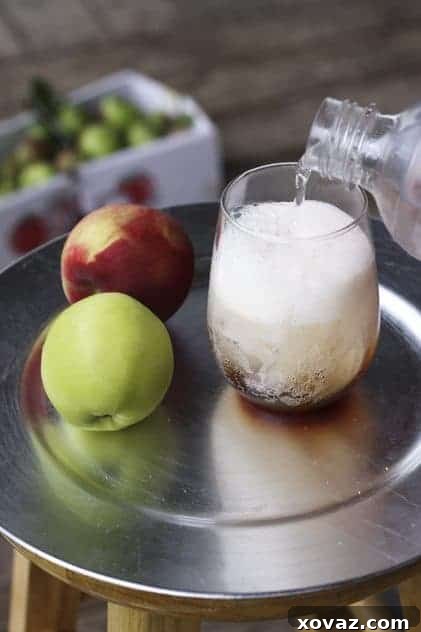
- Refreshing Soda: Our personal favorite for a quick, healthy, and delightful treat: pour a tablespoon over ice, fill the rest of the glass with seltzer or sparkling water, and give it a quick stir. Voilà! You have a naturally flavored, healthy apple cider soda that’s wonderfully refreshing.
- Breakfast Booster: Drizzle over pancakes, waffles, oatmeal, or yogurt for a naturally sweet and flavorful start to your day.
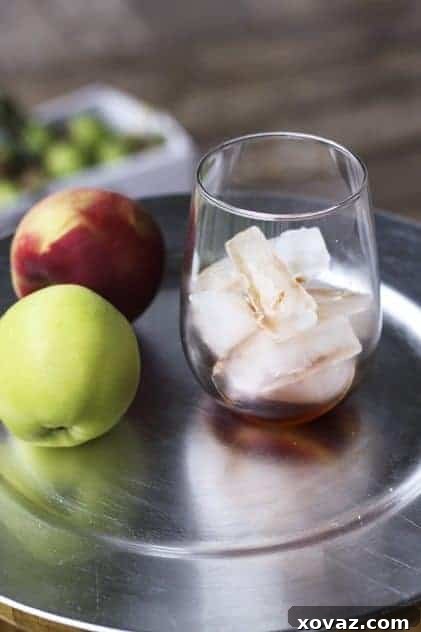

The experience of tasting Boiled Cider is truly beyond words. It’s more than just “lipsmacking” good. It is the pure, distilled essence of apple, an encapsulation of everything wonderful about the fall season, condensed into a thick, amber syrup. It’s profoundly comforting, utterly versatile, and simply wonderful. And all this incredible flavor and utility comes from the simple act of boiling down a pot of fresh apple cider. The transformation is nothing short of magical.
Don’t hesitate to embark on this culinary adventure. Make a batch of Boiled Cider for yourself as soon as possible. Stock your pantry with this liquid gold. Then, when the colder months arrive—December, January, February—and you find yourself yearning for a burst of warmth and flavor, pull out your bottle of this opaque, deep reddish-brown elixir. Pour out a small measure of happiness and be instantly transported back to the vibrant days of autumn. You’ll be incredibly glad you took the time to create this timeless pantry staple.
Discover more ways to use this fantastic ingredient in our other recipes, such as Maple Chai Apple Pie, Apple Cider Pulled Pork, and for cozy beverages like Chai Lattes and Hot Caramel Apple Cider. If you’re simply craving a comforting warm cider, be sure to try our Best Slow-Cooker Mulled Cider!
Boiled Cider (Apple Molasses) Recipe
Creating your own Boiled Cider is a straightforward process that requires patience but minimal active intervention. The reward is a deeply flavored, naturally sweet syrup that will become a cherished ingredient in your kitchen.
Boiled Cider (Apple Molasses)
Boiled Cider is everything wonderful about fall condensed into one syrup. It’s pure, distilled essence of apple. It’s completely and utterly wonderful. And you get all this just by boiling a pot of cider.
Ingredients
- 2 gallons apple cider (or less; remember you will be reducing this to 1/7th of its original volume. For a smaller batch, simply scale down accordingly, e.g., 1 gallon of cider will yield approximately 1.5 cups of boiled cider.)
Instructions
- Prepare Your Pot: Pour the apple cider into a very large, non-reactive stockpot. Suitable materials include stainless steel, copper, or glass. Avoid using aluminum unless it is coated, as it can react with the acidity of the cider and impart an off-flavor.
- Mark the Starting Level: To accurately gauge the reduction, use a clean ruler or a wooden stick. Place it vertically in the cider and make a clear mark at the initial liquid level. This will be your reference point.
- Bring to a Boil: Place the pot on high heat. To prevent splashes and to keep any unwanted insects out, cover the pot with a splatter screen (not a tight lid, as you want the steam to escape for reduction). Bring the cider to a vigorous boil.
- Reduce the Cider: Continue to boil the cider at a steady, hard simmer until its volume has reduced to approximately one-seventh of its original level. This process can take several hours depending on the heat, the width of your pot, and the initial volume of cider. As the cider thickens towards the end, watch it more carefully. The bubbles may stack up higher in the pan, making it seem like there’s more liquid than there is. To check the actual depth, turn off the heat briefly and let the bubbles subside. Then, use your marked ruler or dipstick to measure. You should aim for a final volume that would roughly fill a clean, empty 750ml wine bottle if starting with 2 gallons. The final consistency should be thick and syrupy, much like maple syrup.
- Storage: Once reduced and slightly cooled, carefully pour the Boiled Cider into clean, sterile jars (for long-term, pantry storage) or a clean, empty wine bottle (for short-term, refrigerated storage). Ensure the containers are airtight. Store in a cool, dark place. Once opened, it’s best to keep it refrigerated to maintain freshness.
Nutrition Information (Estimated Per Serving)
This nutritional information is an estimate and provided as a courtesy. You should calculate the nutritional information with the actual ingredients used in your recipe using your preferred nutrition calculator.
- Calories: 290 kcal
- Carbohydrates: 71g
- Sodium: 25mg
- Potassium: 637mg
- Fiber: 1g
- Sugar: 60g
- Vitamin A: 5 IU
- Vitamin C: 5.7mg
- Calcium: 50mg
- Iron: 0.8mg
Did you make this recipe?
We’d love to see your delicious creations! Make sure to tag @foodiewithfam on Instagram and use the hashtag #foodiewithfamily so we can admire your culinary masterpieces!
Print Recipe
Pin Recipe
Share on Facebook
This post was originally published on September 8th, 2011, and has been updated to provide more comprehensive information and an enhanced reader experience.