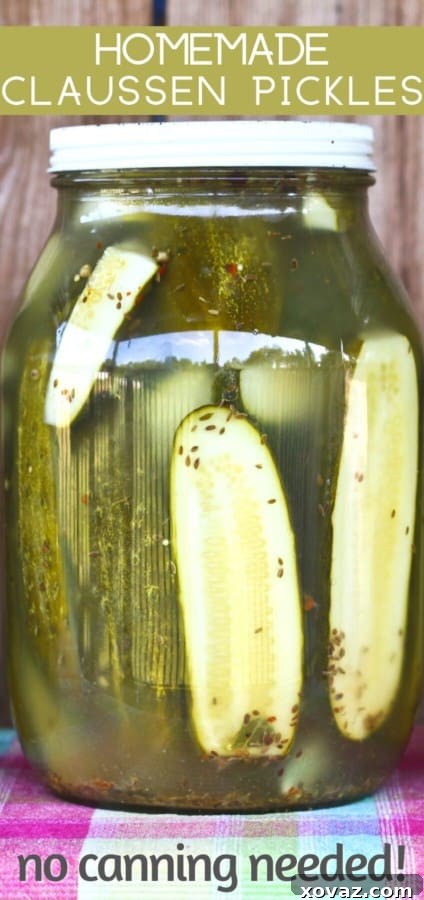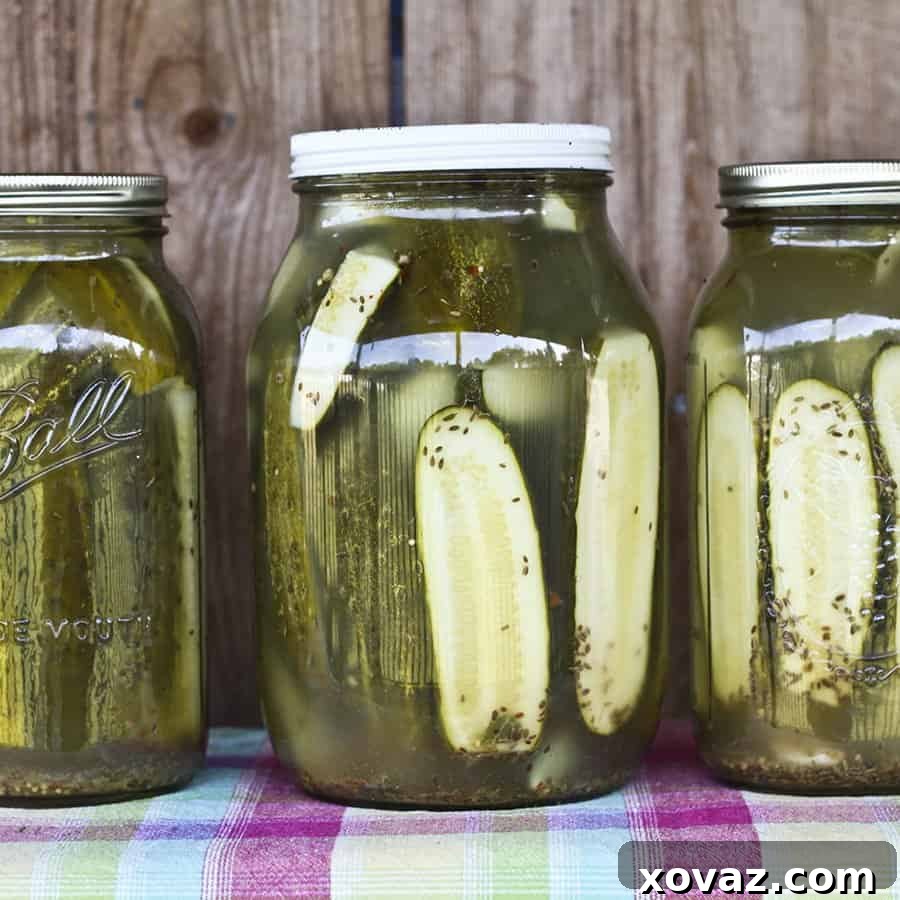
Unlock the secret to perfectly crunchy, tangy, and garlicky **Homemade Claussen Pickles**. Forget limp, soggy store-bought versions; this **half-sour dill pickle recipe** delivers unparalleled freshness and a satisfying bite, all achievable right in your kitchen without any complicated canning hassle. Whether you’re a seasoned pickler or a complete novice, these **refrigerator pickles** are a game-changer, offering a vibrant flavor that outshines commercial options and the incredible satisfaction of making them yourself.
The quest for the ultimate pickle often ends with a Claussen. Known for their signature crunch and bold dill-garlic flavor, these pickles have a devoted following. Now, imagine recreating that iconic taste, but even better, right from your own kitchen. This recipe simplifies the process, bringing you incredibly fresh, crunchy, and savory dill pickles that taste just like, if not superior to, your favorite deli-style pickles. Get ready to impress your taste buds and everyone you share them with!
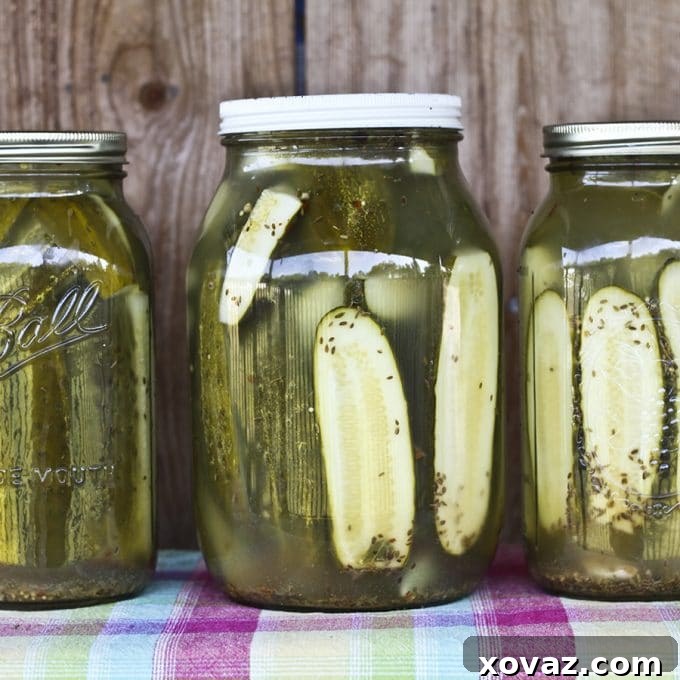
The Irresistible Allure of Homemade Claussen-Style Pickles
For many, the distinction between a “sweet tooth” and a “salty tooth” is clear. If you lean towards the latter, then the refreshing, icy-cold, salty, and incredibly crunchy pickle is likely your perfect indulgence, especially when the weather calls for something truly invigorating. It’s a sentiment shared by many, including my entire family – a collective appreciation so profound that my husband, a true pickle connoisseur, not only devours the pickles but also enjoys drinking the leftover brine straight from the jar.
My childhood was filled with Grandma’s homemade dill pickles, a seemingly endless supply that fueled my love for pickling. As soon as I had my own kitchen, I transitioned to canning my own, finding immense joy in the process. There’s an undeniable happiness that comes from a homemade dill pickle, a simple pleasure that elevates a humble cucumber into something extraordinary. My sister, Jessamine, and I even have a tradition of comparing our annual batches, much like wine enthusiasts discuss vintages.
However, amidst all the wonderful homemade and traditionally canned pickles, there remains one variety that truly stands out: the Claussen-style dill pickle. These aren’t just any pickles; they represent the pinnacle of crunch, garlic intensity, and salty perfection. This recipe aims to replicate that exact experience, bringing the ultimate homemade dill pickle right to your table.
Crafting Your Own Claussen-Style Half Sour Pickles: Ingredients & Equipment
Making these sensational Claussen-style half-sour pickles at home is remarkably straightforward. You won’t need specialized canning equipment or extensive experience. Here’s a quick overview of what you’ll need to gather:
Essential Equipment for Homemade Refrigerator Pickles
- A Glass Gallon Jar or 4 Glass Quart Jars: Or any other food-safe container with a tight-fitting lid. Glass is preferred for visibility during fermentation.
- Measuring Cups: For precise liquid and dry ingredient measurements.
- Chef’s Knife or Paring Knife: For trimming and slicing your cucumbers.
- Large Mixing Bowl or Pitcher: To easily combine your brine ingredients.
Key Ingredients for Homemade Claussen Pickles
- Small to Medium Pickling Cucumbers: The fresher, the better! Look for firm, unwaxed varieties like Kirby cucumbers at your local farm stand or farmer’s market. Their texture is ideal for pickling.
- Apple Cider Vinegar (or White Vinegar): While store-bought Claussen pickles typically use white vinegar, apple cider vinegar (especially raw) offers a slightly smoother, more complex flavor profile without imparting any apple sweetness. If you prefer a sharper tang or can’t find apple cider vinegar, white vinegar at 5% acidity works perfectly.
- Kosher Salt (or Pickling Salt): Crucial for the brining process. Avoid iodized table salt, as the iodine can turn your pickles dark and impart off-flavors. Coarse salt dissolves well and is ideal for fermentation.
- Fresh Garlic: Generous amounts of fresh garlic cloves are essential for that signature pungent, savory flavor that defines Claussen pickles. More garlic equals more flavor!
- Dill (Fresh or Dill Seed): Use fresh dill heads for the most authentic flavor, or high-quality dried dill seed (not dill weed) as a readily available alternative.
- Pickling Spices: A pre-mixed blend of spices often including mustard seed, coriander, peppercorns, and bay leaves. These add depth and complexity to the pickle’s flavor profile. You can find these readily available in most grocery stores’ spice aisles.
A note on vinegar: My personal preference is for apple cider vinegar due to its nuanced acidity, which results in a smoother pickle flavor. Rest assured, it won’t make your pickles taste like apples or add any sweetness. However, white distilled vinegar (5% acidity) is a perfectly acceptable and widely used substitute. It will lend a slightly sharper bite, mirroring the commercial Claussen product more closely. Choose what best suits your palate and convenience!
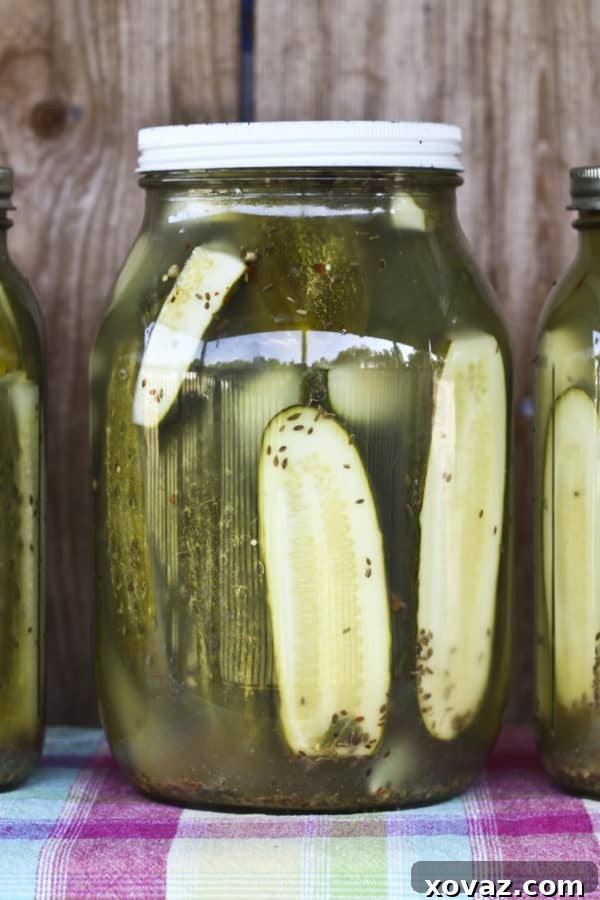
And let me tell you, making these homemade half-sour pickles is so straightforward, it feels almost too easy! The most challenging part is the eager anticipation during the 2 to 4-day wait for them to fully develop their flavor. But honestly, I’ve been known to sneak a bite just a day after making them and can confirm they are absolutely delightful even then.
Understanding Claussen-Style Refrigerator Pickles: The Half-Sour Advantage
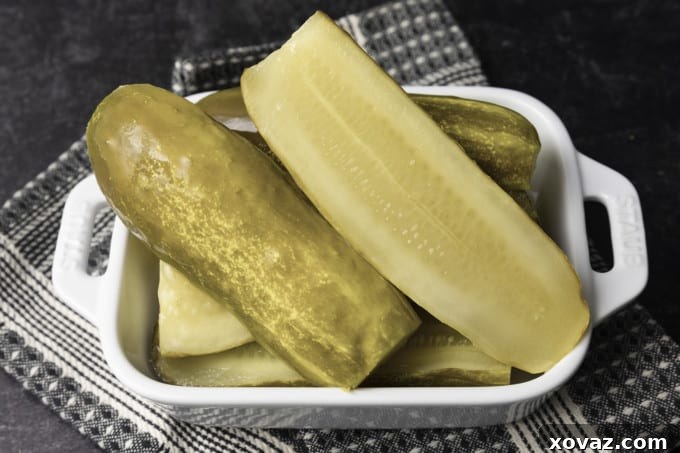
These aren’t just any homemade dill pickles; they are refrigerated deli pickles, often known as Lithuanian half-sours, or in the commercial world, Claussen dill kosher pickles. To many, they are quite simply the best pickles known to humankind.
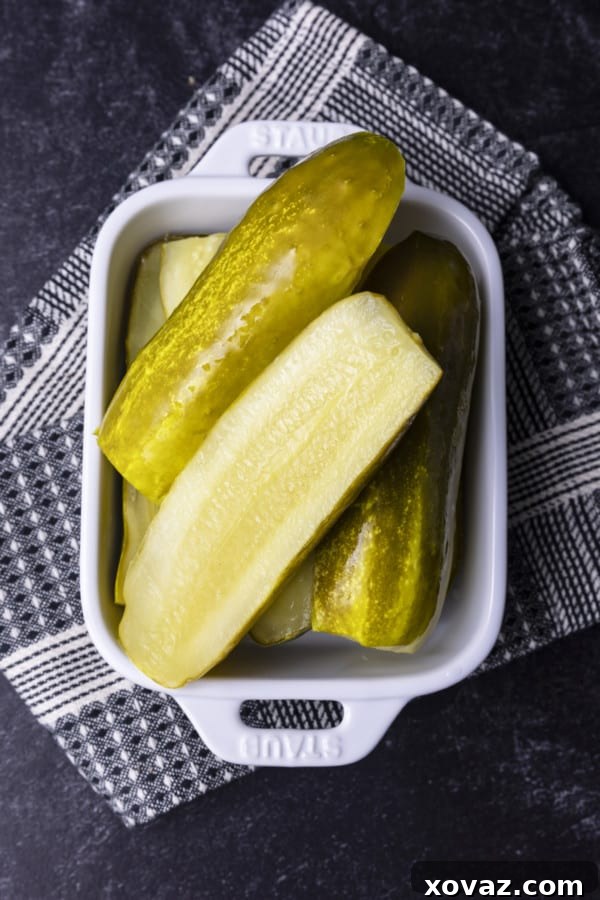
While I cherish my other homemade canned pickles – a tradition I uphold by canning dozens of quarts each year – these Claussen-style half-sours hold a special place as my all-time favorite. The secret lies in their unparalleled CRUNCH. When you bite into one, you hear it—a satisfying snap, with absolutely no flop, no squish, and certainly no soft pickles. These pickles almost have a personality, biting back with their incredible texture.
This particular dill pickle recipe is also ideal for beginners. If the thought of traditional canning seems daunting, these **refrigerator pickles** are a true blessing. Even for canning enthusiasts like myself, this Claussen pickle recipe is an indispensable addition to any pickle repertoire.
Please note: This Claussen pickle recipe is specifically designed for refrigerator storage and is NOT suitable for traditional canning. The brine’s mild acidity and reliance on fermentation mean it has a pH level too high for safe heat processing. If you are seeking a reliable recipe for shelf-stable, home-canned dill pickles, I recommend trying this home-canned garlic dill pickle recipe instead.
The Magic of Refrigerator Pickles: Effortless Freshness
Here’s one of the most appealing aspects of this pickle recipe, aside from its phenomenal crunch and flavor: there is absolutely no cooking involved. Not a single step requires turning on the stove or heating anything up. The brine is simply stirred together, and the cucumbers are rinsed, trimmed, and packed into a jar with garlic cloves and an aromatic blend of spices. That’s it! These half-sour pickles are NOT CANNED; they are simply placed in jars and allowed to ferment naturally in the refrigerator. Amen!
During the scorching summer months, when the mere thought of generating heat in the kitchen is enough to make you retreat to an air-conditioned sanctuary, these pickles are a welcome relief. Not only does a crisp, cold refrigerator pickle await you as a refreshing treat, but you also don’t have to raise your kitchen’s temperature by a single degree during preparation.
Remember, pickling isn’t exclusively for cucumbers! Expand your culinary horizons by trying out our Pickled Brussels Sprouts, Quick Pickled Red Onions, and the famously addictive Candied Jalapeños!
How to Make Homemade Claussen-Style Pickles: Step-by-Step Guide
Please, I urge you to try this recipe, even if you’ve never made pickles before. There’s nothing complicated or intimidating here. It’s a simple sequence: wash, slice, stuff, stir, pour, wait, and enjoy!
- Prepare Your Cucumbers: Begin by washing your pickling cucumbers thoroughly, but avoid scrubbing them, which can damage their skin. Trim approximately 1/8 to 1/4 inch from the blossom end of each cucumber. This is a crucial step as the blossom end contains enzymes that can cause pickles to soften. Then, slice your cucumbers in half lengthwise or into quarters, depending on their size and your desired pickle shape.
- Layer the Jar: In a clean gallon jar (or your chosen large, wide-mouth, food-safe container), begin layering your ingredients. Start with some fresh dill heads or dill seed, garlic cloves, pickling spices, and then pack in the sliced cucumbers. If you’re using multiple smaller jars, distribute the dill, garlic, spices, and cucumbers evenly among them.
- Prepare the Brine: In a separate pitcher or large bowl, combine the cold water, apple cider vinegar (or white vinegar), and kosher salt. Stir vigorously until the salt is completely dissolved. You will likely have more brine than fits in the jars initially; this extra brine can be stored in the refrigerator to top off your pickles later if the liquid level drops.
- Submerge the Pickles: Carefully pour the prepared brine over the cucumbers in the jar, ensuring that all cucumbers are fully submerged in the liquid. This is vital for proper fermentation and to prevent spoilage. If necessary, use a plate, a small mug, or even a ziploc-bagged can of beans to weigh down the cucumbers and keep them entirely under the brine.
- Fermentation on the Counter: Cover the jars lightly with a lid (don’t seal it tightly) or secure a piece of cheesecloth over the opening with a rubber band to keep out dust and fruit flies while allowing air circulation. Place the jars out of direct sunlight on your kitchen counter. Allow them to ferment for two to four days, or until they develop that distinct, delicious pickle flavor throughout.
- Refrigerate and Enjoy: Once the pickles have reached your desired “pickliciousness,” secure the lids tightly on your jars and transfer them to the refrigerator. Chilling thoroughly will halt the fermentation process and enhance their crispness. These homemade Claussen-style pickles can be stored in the refrigerator for up to six months, provided they remain completely submerged in the brine.
A major perk? The wait is typically only two to four days, significantly less than the six-week curing period often required for traditional canned pickles. And, as previously mentioned, there’s that unparalleled crunch factor to look forward to!
Troubleshooting Your Homemade Claussen Pickles: Common Questions & Solutions
While this recipe is incredibly easy, you might encounter a few common questions or issues during the fermentation process. Here are some of the most frequently asked questions and their straightforward answers:
- Why is my pickle brine cloudy? This is the most common question, and rest assured, it’s completely natural! Cloudiness is a direct consequence of fermentation, which is exactly what’s happening to create these delicious half-sour pickles. The beneficial bacteria at work cause the brine to become opaque. No worries, it’s a sign of a healthy ferment! However, using iodized table salt can also contribute to excessive cloudiness or discoloration and may impart off-flavors, which is why kosher or pickling salt is recommended.
- Is the scum, foam, or film on top of my pickle brine dangerous? Again, this is another normal byproduct of that delicious fermentation process and is generally not dangerous. Simply use a clean spoon to scrape off any scum or foam that forms on the surface, discard it, and top off the brine with some of your reserved extra brine. Removing the scum is important to prevent mold from developing underneath.
- My pickles went soft! How do I prevent this? This common tragedy usually has two causes. Firstly, you might not have trimmed enough from the blossom end of the cucumber. Cucumbers naturally contain enzymes in their blossom end that can break down the pickle’s cell walls, leading to a soft texture. Next time, trim a bit more aggressively. Secondly, the freshness of your cucumbers is paramount. Older cucumbers have had more time for these softening enzymes to become active. The best solution is to use cucumbers that are either freshly picked that day or have been consistently refrigerated since being picked just a day or two prior.
- Why did my pickles go bad? Beyond using less-than-fresh cucumbers, several factors can contribute to spoiled pickles. These include using unwashed cucumbers or fresh dill (which can introduce unwanted bacteria), old or decayed garlic, poor-quality spices, vinegar with less than 5% acidity, failing to remove the surface scum, not keeping the pickles fully submerged in the brine, or storing your pickles in overly warm conditions. When in doubt, always err on the side of caution and move them to the refrigerator sooner.
- Why is there mold on my pickles? If you see mold, it’s almost always because your cucumbers were not fully submerged in the brine. The brine’s salt and acid content effectively prevent mold growth, but only if the cucumbers remain entirely beneath the surface. If you’re struggling to find something to weigh them down, a resealable bag filled with a can or two of tomato paste or beans can work perfectly to keep everything submerged.
- Should I worry about white sediment in my jar? This falls into the “don’t sweat it” category. White sediment can be a natural result of the fermentation process (yeast activity) or simply anti-caking agents present in some brands of kosher or pickling salt. Neither of these affects the safety or flavor of your pickles, so there’s no need for concern.
- Why is my garlic blue/green/purple? As long as your garlic was fresh and healthy when you added it to the jar, colorful discoloration is nothing to worry about. This phenomenon is often caused by sulfur compounds in the garlic reacting with minute traces of copper (naturally present in water or some vinegars) or acids in the brine. Exposure to light can also cause garlic to produce chlorophyll, turning it green. It can also indicate more mature garlic. As long as there are no other signs of spoilage (like a soft texture, foul smell, or actual mold), your blue or green garlic is perfectly fine and edible.
IMPORTANT NOTE: Due to the natural variations in temperature, humidity, and cucumber freshness, it’s essential to begin checking your half-sour pickles for doneness starting at 24 hours. Once the pickles emit a distinct “pickley” aroma and taste, transfer them to the refrigerator. Do not leave them on the counter for longer than 4 days to ensure safety and optimal texture.
ANOTHER IMPORTANT NOTE: As reiterated earlier, these pickles are not suitable for traditional heat canning. Their lower acidity makes them unsafe for shelf-stable storage outside the refrigerator, and the heat processing would unfortunately destroy their perfectly crisp, unique texture.
Serving Suggestions: What to Pair with Your Homemade Claussen-Style Pickles
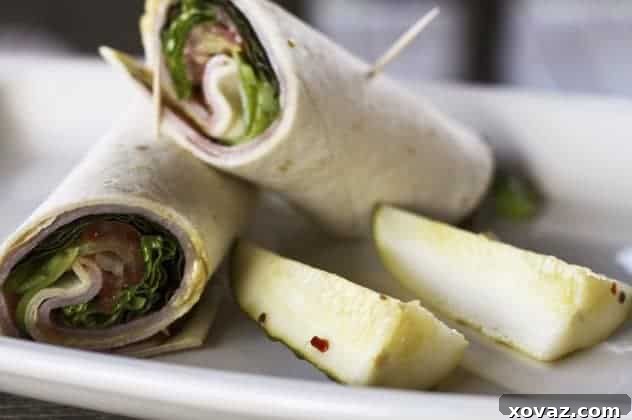
Your homemade half-sour pickles are incredibly versatile! Start by chopping them up and incorporating them into delicious concoctions like this zesty Pickle de Gallo, a creamy Dill Pickle Dip, a vibrant Dill Pickle Egg Salad, or elevate your burgers with Bagel Burgers featuring Dill Pickle Cream Cheese.
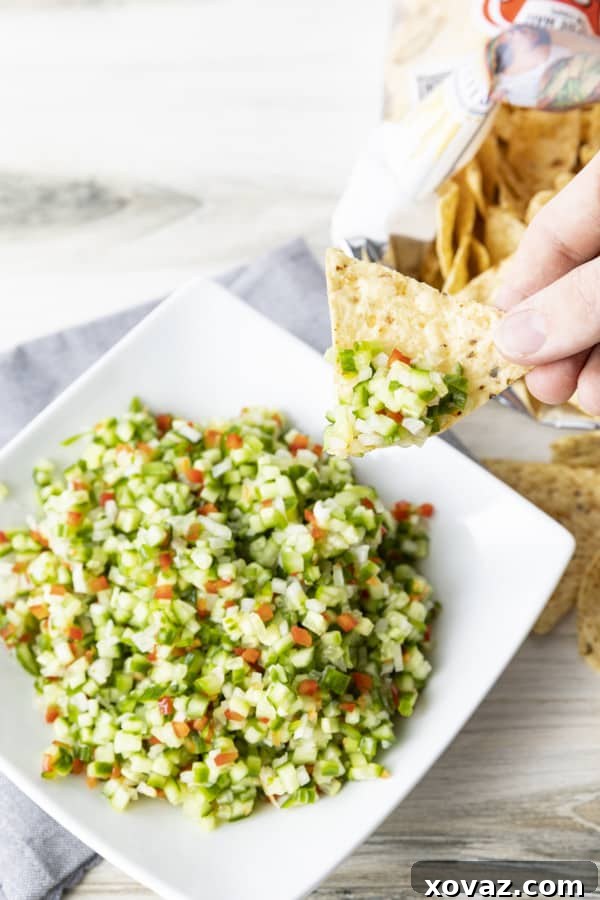
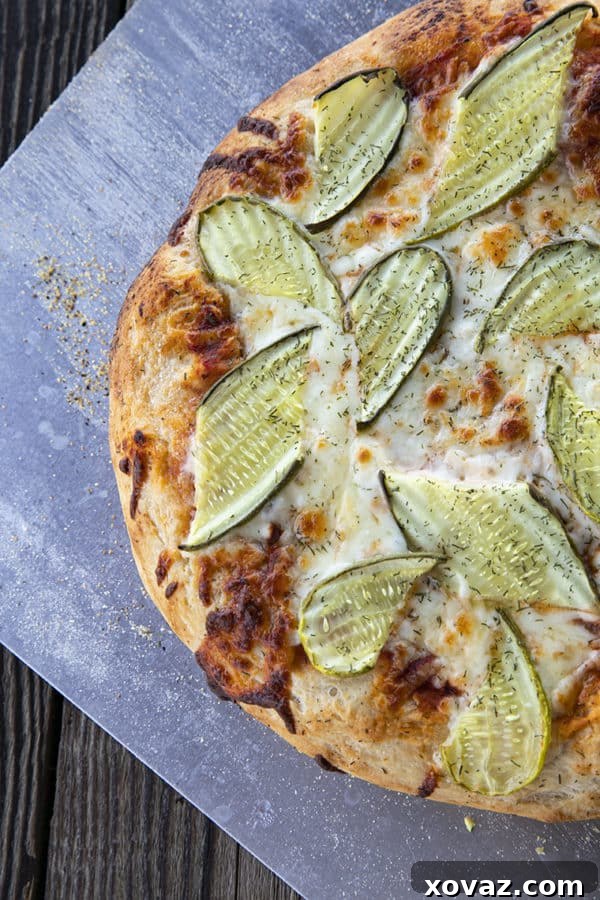
For something truly unique and satisfying, serve them generously on our Cheeseburger Salad or as a surprising, tangy topping for a Pickle Pizza.
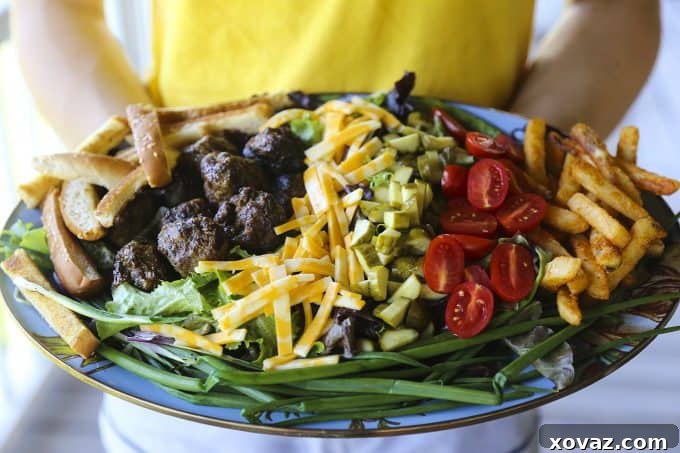
And if you somehow end up with extra pickles (as if that’s even possible!), consider transforming them into divine Moonshine Pickles. You’ll discover that a Bloody Mary made with these high-octane pickles is an experience you won’t soon forget!
The Science of Crunch: What Makes Half-Sour Pickles Unique
What sets Claussen pickles, whether homemade or store-bought, apart from traditionally canned pickles? The answer lies in their method: Claussen pickles are a **half-sour pickle recipe**. This means they achieve their signature tang and texture through **fermentation**, rather than being heat-processed. It’s this natural, cool-temperature fermentation that is the secret to their exceptional crunch.
This half-sour pickle recipe yields pickles that are so crunchy they literally make noise when you bite into them. They are crisp, cold, and bursting with intense garlicky flavor. While canned, shelf-stable pickles can be chilled and made garlicky, they can never replicate the distinct texture of a fermented, un-cooked pickle. This is purely a matter of science.
When you heat process a jar of pickles during canning, you are, in essence, cooking them. And a cooked pickle, by its very nature, simply cannot achieve the same level of crispness and snap as an uncooked, fermented half-sour pickle. The heat breaks down the cucumber’s cell walls, leading to a softer texture. Fermentation, however, preserves the integrity of the cucumber, allowing it to retain its firm, crunchy bite.
These homemade delights keep remarkably well in the refrigerator for approximately six months, provided they remain fully submerged in their flavorful brine. In our household, however, they rarely last that long. As the saying goes (or at least, as I’m starting to say), “A pickle a day keeps sad times away.” It’s true, after all!
Homemade Claussen Knock-Off Pickles Recipe
Always crunchy and garlicky, this perfect homemade pickle requires no special equipment, no canning experience, and tastes just like Claussen’s refrigerated kosher dill pickles.
Prep Time: 20 minutes
Total Time: 2 days 20 minutes (includes fermentation time)
Equipment
- 1 gallon jar (or 4 quart jars or a large, food-safe container with a tight-fitting lid)
- 1 liquid measuring cup
- 1 large mixing bowl or pitcher
- Chef’s knife or paring knife
Ingredients
- 35 to 40 small to medium pickling cucumbers
- 1 gallon cold water
- 1 cup apple cider vinegar, preferably raw (or white distilled vinegar)
- 2/3 cup coarse canning or kosher salt (Do NOT use fine or iodized salt!)
- 4 cloves garlic or more (to taste)
- 4 heads fresh dill (or 4 tablespoons dried dill seed, not weed!)
- 2 tablespoons mixed pickling spices
Instructions
- Wash cucumbers but do not scrub them.
- Trim 1/8-inch from the blossom end of each cucumber and slice in half lengthwise or into quarters, depending on how large your cucumbers are and how big you want them to be when they’re done.
- In a gallon jar (or large, wide-mouth, food-safe container) layer the dill heads or seed, garlic cloves, pickling spices, and sliced cucumbers. If using smaller jars, divide the ingredients evenly.
- In a separate pitcher or bowl, stir together the cold water, vinegar, and salt until the salt is completely dissolved.
- Pour the brine over the cucumbers, taking care to make sure all of them are fully submerged. If needed, place a plate or mug or other non-reactive heavy item on the cucumbers to weigh them down and keep them under the brine!
- Cover lightly with a lid (just perched on top) or secure a piece of cheesecloth over the jar with a rubber band to keep fruit flies away while allowing air flow.
- Leave out of direct sunlight on the counter for two to four days*, or until the cucumbers taste like pickles throughout.
- Once desired flavor is achieved, fix your lid onto your jar or container and chill thoroughly in the refrigerator. These can be stored for up to six months provided you keep them covered with brine.
- *If at any point in the proceedings “fuzz” or “foam” develops on top of the brine, use a spoon to remove it. If there is “fuzz” attached to any of the cucumbers, remove the ones affected and be sure the others are still fully submerged.
Notes
- Please remember to check your pickles every day to test for doneness!
- The brine may become cloudy during fermentation; this is normal.
- Using fresh, firm cucumbers is key to crunchy pickles.
Nutrition Estimate (per serving, based on 40 servings)
Calories: 34kcal | Carbohydrates: 6g | Protein: 2g | Fat: 0.4g | Saturated Fat: 0.04g | Polyunsaturated Fat: 0.02g | Monounsaturated Fat: 0.01g | Sodium: 1539mg | Potassium: 367mg | Fiber: 2g | Sugar: 4g | Vitamin A: 198IU | Vitamin C: 9mg | Calcium: 44mg | Iron: 1mg
Nutritional information is an estimate and provided to you as a courtesy. You should calculate the nutritional information with the actual ingredients used in your recipe using your preferred nutrition calculator.
Did you make this recipe?
Make sure to tag @foodiewithfam on Instagram and #hashtag it #foodiewithfamily so I can check it out!
Originally published July 22, 2011. Updated with FAQs and Troubleshooting and reposted August 2022.