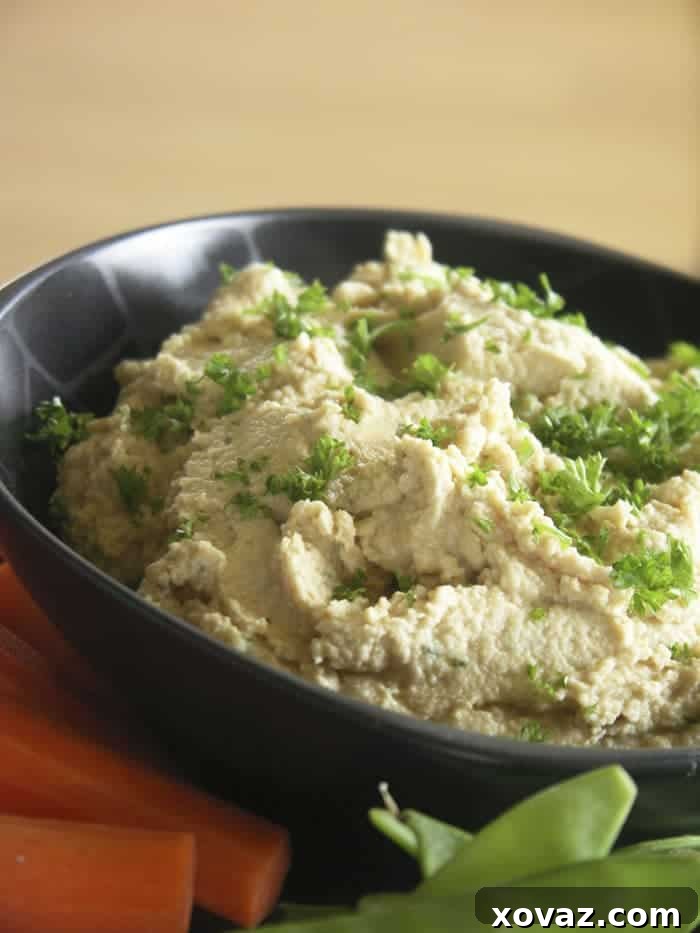
There are some culinary delights that transcend mere sustenance, becoming a staple, a comfort, a declaration of a new season. For many, hummus holds this revered status. My own journey with this creamy, savory dip spans years, including a significant period where it formed the cornerstone of my diet. While my plate has since embraced the full spectrum of an omnivore’s world, my profound affection for hummus remains undiminished. It’s the unofficial herald of spring in my kitchen, a guaranteed star at every family gathering, and an insistent whisper in my mind the moment the weather warms: “Hummus. You crave hummus. You need to make hummus.” And as with all insistent cravings, the only way to silence it is to yield to its delicious demand.
The ubiquity of hummus might lead one to believe that everyone possesses their secret family recipe, a well-worn technique passed down through generations. I certainly made this assumption when I shared my recipe for the irresistibly delicious Mediterranean Hummus Pizza, casually offering my hummus secrets to anyone who might be interested. It turns out, not everyone has spent years perfecting their chickpea concoction or, for that matter, dedicated seven years to a vegetarian lifestyle nourished largely by this delightful dip. This realization was a pleasant surprise, signaling an opportunity to share the art of crafting truly extraordinary homemade hummus with a wider audience. Consider this your definitive guide, your initiation into a world where store-bought hummus becomes a distant, inferior memory.
Once you discover how remarkably simple it is to create exceptional hummus in your own kitchen, the thought of purchasing a pre-made tub from the deli case will seem almost alien. Of course, life happens. There might be an emergency situation – perhaps you’re far from your trusty food processor, an unyielding craving strikes, and a vibrant tub of a popular brand like ‘Tribe of Umpteen Sheiks’ beckons from the refrigerated aisle. In such a dire scenario, I fully endorse indulging in that seemingly overpriced snack. After all, there are far less wholesome impulse buys one could make. (*Note to self: Discretely add “Ho-Ho’s” to the grocery list, in code, to evade the kids’ watchful eyes. Conceal them in an apron pocket, squirrel them away in the closet, and administer directly to mouth as needed – particularly during moments of sibling rivalry, relentless questioning, or, you know, breathing.)
The world of hummus enthusiasts is broadly divided into two distinct camps: the devotees of velvety smooth hummus and the champions of a more rustic, textured variety. Belonging to the rustic hummus faction is a perfectly viable and delightful option, especially if a food processor isn’t a permanent fixture in your culinary arsenal. This style embraces the inherent chunkiness of garbanzo beans and the vibrant zing of finely minced garlic, celebrating a coarser, more substantial mouthfeel. Achieving this delightful texture is wonderfully straightforward: simply combine all your ingredients and mash them together with a humble potato masher or, in the true spirit of resourceful cooking, the clean, sturdy base of a heavy can. The result is a charmingly robust dip that delivers satisfying bites of chickpea goodness.
However, let me declare my allegiance without hesitation: I am an unashamed, card-carrying member of the smooth hummus brigade. My ideal hummus is a silken dream, utterly devoid of any discernible chunks, capable of being spread with effortless grace inside a warm pita pocket, or scooped elegantly onto a crisp carrot stick or crunchy tortilla chip. When I’m in my kitchen, creating this culinary masterpiece, I am undeniably in control. And honestly, this sense of command is one of the profound joys of cooking for me. The ability to dictate texture, flavor, and consistency is incredibly satisfying. (For a humorous exploration of control as a shared trait among obsessive cooks – and a truly killer coffee cake recipe – I highly recommend this hilarious post from my ‘Evil’ friend.) The beauty of making hummus at home lies precisely in this empowerment. You are the maestro, orchestrating every element. If a slightly coarser texture is your preference, simply shorten the processing time or opt for a less efficient mashing tool. The power, dear reader, is entirely in your hands.
Imagine the convenience of having a container of freshly made hummus perpetually waiting in your refrigerator. It’s akin to possessing one of those futuristic food-synthesizing devices from “The Jetsons,” ready to conjure up a meal or snack at a moment’s notice. Picture this: a soft pita pocket generously layered with creamy hummus, adorned with thinly sliced cucumbers, tomatoes, bell peppers, and a handful of crisp sprouts. In less than five minutes, you have a filling, wonderfully light, and exceptionally healthy lunch. Feeling a touch peckish between meals? A quick scoop of hummus into a bowl, accompanied by a hearty fistful of crunchy carrot and celery sticks or a mound of tortilla chips, transforms into an instant, guilt-free snack. It’s an unparalleled level of culinary readiness, minus, of course, Rosie the Robot Maid and the magical button that instantly materializes gourmet dishes. But you understand the incredible convenience I’m describing, don’t you?
Beyond its sheer convenience and deliciousness, hummus offers a wealth of nutritional benefits, making it an excellent addition to any diet. Chickpeas, the star ingredient, are a powerhouse of plant-based protein and dietary fiber, promoting satiety and aiding digestion. Tahini, derived from ground sesame seeds, contributes healthy fats, essential minerals like calcium and iron, and an earthy depth of flavor. Lemon juice provides a vibrant burst of Vitamin C and acts as a natural preservative. When combined, these ingredients create a synergistic blend that is not only incredibly flavorful but also supports overall well-being. It’s a versatile dip that caters to various dietary needs, being naturally gluten-free (when served with appropriate accompaniments) and vegan, making it a crowd-pleaser for any gathering.
For those seeking a pure, unadorned recipe without the conversational musings or accompanying photos, a printer-friendly version is readily available. Simply click here to access the streamlined instructions and embark on your hummus-making adventure.
Homemade Hummus: The Ultimate Creamy Delight
Crafting your own batch of hummus is a deeply rewarding experience, yielding a dip that far surpasses any store-bought alternative in terms of freshness, flavor, and texture. This recipe provides a foundational base, inviting you to customize it to your personal preference. Get ready to transform simple ingredients into a culinary masterpiece.
Basic Ingredients for a Flawless Hummus:
- Garlic: 1 to 4 cloves, peeled, minced, or pressed. Adjust according to your love for garlic’s pungent kick. For a milder, sweeter flavor, consider roasting the garlic before adding.
- Chickpeas: 3 cups cooked chickpeas (equivalent to two 15.5-ounce cans, thoroughly drained, but with 1/2 cup of their liquid reserved). The reserved liquid, often called aquafaba, is essential for achieving that silky-smooth consistency without diluting flavor.
- Tahini: 6 Tablespoons of a good quality tahini. This sesame paste is non-negotiable for authentic hummus, providing its signature nutty, slightly bitter depth. Stir well before measuring as the oil tends to separate.
- Lemon Juice: 6 Tablespoons of freshly squeezed lemon juice. Fresh is key here; it brightens the flavors and adds a crucial tangy note.
- Extra Virgin Olive Oil: Up to 2 Tablespoons, for drizzling and achieving the desired richness and smoothness. A high-quality olive oil will make a noticeable difference.
- Fresh Parsley Leaves: 1/4 cup, curly or flat-leaf, thoroughly rinsed and drained. Adds a touch of freshness and a subtle herbaceous note.
- Salt: 1/2 to 1-1/2 teaspoons, to taste. Start with less and add more as needed, tasting along the way.
- Cayenne Pepper: 1/8 to 3/4 teaspoon (or other ground hot chili pepper), to taste. Provides a gentle warmth and a hint of spice that elevates the entire dip. Adjust freely.
- Fresh Ground Black Pepper: To taste. A final touch to round out the flavors.
Optional Additions to Elevate Your Hummus:
While the basic recipe is magnificent on its own, homemade hummus offers a fantastic canvas for culinary creativity. Consider these delicious additions, but perhaps not all at once, to discover your favorite flavor combinations:
- Minced Green Onions: For a mild oniony bite and fresh green color.
- Cumin: A classic spice pairing with chickpeas, adding warmth and earthiness (1/2 to 1 teaspoon usually suffices).
- Roasted Red Peppers: Blended in, they create a vibrant, smoky, and sweet hummus.
- Roasted Garlic: For a deeper, sweeter, less pungent garlic flavor.
- Curry Powder: For an exotic, aromatic twist.
- Fresh Cilantro Leaves: For a brighter, more herbaceous profile, particularly if you enjoy its unique flavor.
- Garlic Scapes: A seasonal delight, offering a milder garlic flavor with a hint of green onion.
Step-by-Step Instructions for Unforgettable Homemade Hummus:
Follow these detailed steps to achieve the perfect consistency and flavor for your homemade hummus. Remember, you are in control!
- Combine Initial Ingredients: Begin by adding the peeled garlic cloves, drained chickpeas, tahini, and fresh lemon juice to the bowl of your food processor, ensuring it’s fitted with the S-blade.
- Initial Processing: Secure the lid tightly in place. Process the mixture continuously for about 1 to 2 minutes. During this stage, the ingredients will break down and combine to form a thick, somewhat coarse paste. This initial blend ensures all the core flavors are well integrated.
- Assess and Season (Rustic Style): After the initial processing, pause and check the consistency of your hummus. If you prefer a rustic, chunkier hummus, this might be your desired texture. At this point, add the salt, fresh parsley, black pepper, cayenne pepper, and any optional add-ins you’ve chosen. Pulse the food processor a few more times, just until everything is evenly combined, ensuring the optional ingredients are distributed without over-processing. Taste and adjust seasonings as necessary.
- Achieve Silkiness (Smooth Style, First Pass with Oil): If you, like me, are a proponent of super-smooth hummus, proceed to this step. Add up to 2 tablespoons of extra virgin olive oil to the mixture. Process for an additional minute. The olive oil will help emulsify the hummus, contributing to a smoother texture and a richer mouthfeel.
- Refine Consistency (Smooth Style, Second Pass with Liquid): For an even thinner, more velvety consistency, begin to incorporate some of the reserved cooking liquid from the chickpeas. Add a tablespoon at a time while the processor is running, or add the liquid along with the remaining salt, fresh parsley, black pepper, cayenne pepper, and any optional add-ins. Continue to process for an additional 3 to 4 minutes. This longer processing time, combined with the liquid, is the secret to achieving that coveted, incredibly smooth, almost ethereal texture that defines truly exceptional hummus. During this extended processing, the heat generated by the blade also helps to further break down the chickpea particles, resulting in a lighter, airier consistency.
- Final Taste and Adjustments: Once your hummus reaches the desired consistency, scrape down the sides of the bowl with a spatula to ensure all ingredients are incorporated. Give it a final taste test. Does it need more salt? A squeeze more lemon for brightness? A pinch more cayenne for heat? Adjust to your liking. Remember, this is *your* hummus.
Serving Suggestions and Presentation:
Your freshly made hummus is now ready to be enjoyed! It’s magnificent served simply, perhaps in a beautiful bowl, as pictured below. For an extra touch of freshness and visual appeal, consider garnishing it with a light sprinkling of minced fresh parsley, a drizzle of high-quality extra virgin olive oil, a dash of paprika, or even a few whole chickpeas. These small touches elevate the presentation and add another layer of flavor. Serve it alongside an array of delicious dippers – the options are truly endless!
Storage and Enjoyment:
Store your homemade hummus in an airtight container in the refrigerator for up to 5-7 days. While it’s best enjoyed fresh, the flavors can sometimes deepen beautifully after a day in the fridge. Before serving from the refrigerator, let it sit at room temperature for 10-15 minutes to allow the flavors and texture to soften slightly. A fresh drizzle of olive oil before serving can also revive its creamy texture and enhance its aroma.
And now, the crucial final step: Don’t forget the goodies for dipping! Think warm pita bread, crisp pita chips, an assortment of fresh vegetable crudités like cucumber slices, carrot sticks, celery stalks, bell pepper strips, cherry tomatoes, and radishes. For a heartier snack, consider pretzels, crackers, or even slices of toasted baguette. The possibilities for pairing are as vast and delightful as the hummus itself. Enjoy your culinary creation!