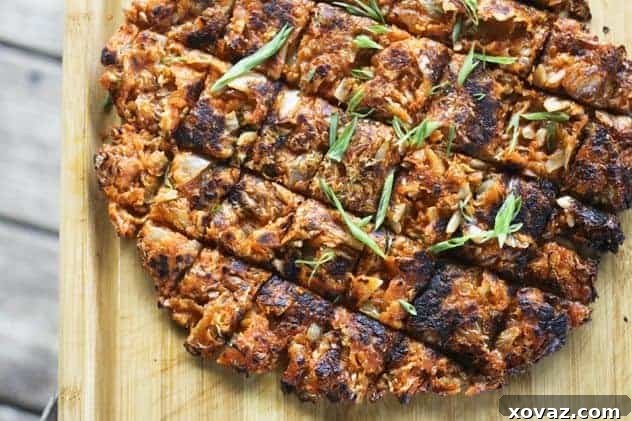
Love this Savoury Kimchi Pancake (Kimchijeon)? Dive into more culinary adventures with our other fabulous Korean Food Recipes!
If you’re joining us after making our homemade easy mak kimchi recipe, welcome! This Kimchi Pancake recipe is the perfect next step for utilizing your delicious homemade kimchi, and you’ll be thrilled with the results.
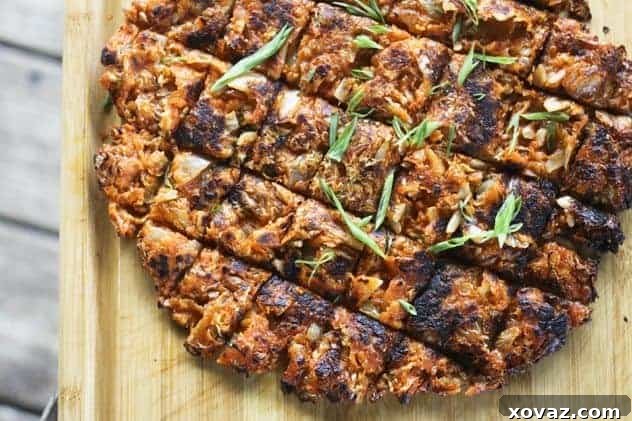
Crispy, Savory Kimchi Pancake (Kimchijeon): A Korean Culinary Revelation
There was a significant period in my life when I truly believed that a lasting, romantic relationship might forever elude me. My daily uniform, you see, came with an invisible, yet potent, accessory: a persistent cloud of garlic, onions, and the distinct, oily aroma of a deep-fryer. Working demanding shifts as both a prep cook in the early hours and a purveyor of pub grub late into the night meant I rarely smelled of anything other than the kitchen. It was a genuine concern, folks, especially during those notoriously busy weeks in a bustling tourist town, where annual festivals meant peeling, mincing, and preparing hundreds of heads of garlic and an equal amount of onions. My hands, my hair, my very essence seemed to permanently carry the scent of the professional kitchen.
I distinctly recall one particularly intense evening, after a relentless shift of frying countless onion rings, French fries, and elaborate Monte Cristo sandwiches, I headed straight to a college social event. Within minutes, I overheard comments like, “Woah! Are they making garlic fries? I totally smell garlic fries!” or “Something smells like old oil!” directed my way. Mortified, I became convinced I faced a stark choice: abandon my passion for cooking or resign myself to a solitary life. But as is often the case, my perspective was entirely skewed. The truth was, I just needed to find someone who loved garlic, onions, and French fries as much as I did.
And find him I did! Or, more accurately, he found me – though that’s a heartwarming story for another occasion. My wonderful husband, my “Evil Genius,” doesn’t merely tolerate pungent aromas; he actively embraces them. In his culinary world, the funkier and bolder the flavor, the better. So, it comes as no surprise that the day he discovered kimchi was etched into our family history as one of his happiest culinary moments. It happened at our beloved, now sadly defunct, favorite Korean restaurant. Mr. Wong, the owner, a man whose culinary instincts we trusted implicitly, approached our usual table with a small bowl of something vibrant red and enticingly salad-like. Without hesitation, we dug in. “This is my homemade kimchi!” he announced, and just like that, we were both irrevocably hooked. For my husband, however, his affection for kimchi quickly reached stratospheric levels.
Initially, he started bringing containers of store-bought kimchi home from the local Asian market for occasional snacks. But soon, “occasional” wasn’t enough. His passion evolved to the point where he’d trek across the street from his office to the market, returning with the funkiest, bubbliest kimchi he could find, eager to enjoy it for lunch in his cubicle. Now, for anyone who has ever worked in an open-plan office environment, you know precisely where this narrative is heading. Even with modern office improvements, cubicles are simply not equipped to contain the robust, distinctly fermented aroma of kimchi. He’d crack open a jar, and almost immediately, the murmurs would begin: “Oh my gosh, do you smell that?” “I think there’s something dead in here. Call maintenance!” He’d innocently protest, mouth still tingling from the spicy red pepper sauce, “I don’t smell anything!” before returning to his meal. This went on for a few days until his colleagues successfully pinpointed the aromatic source and politely, but firmly, requested he relocate his kimchi consumption to the break room. The next day, he complied, only for a small posse of his co-workers to descend upon the lunchroom, pleading with him never to eat it in the office again. He even offered to share – a gesture they emphatically declined. Defeated, he brought his chopsticks and beloved kimchi home, muttering under his breath, “This wouldn’t be a problem if we were in Korea. Dangit.” My soulmate, indeed, loves his fermented foods.
What is Kimchi? More Than Just a Spicy Side Dish
I’ll be the first to admit that a freshly opened jar of kimchi can present a rather potent, distinct aroma to the uninitiated. But friends, if you can look past that initial olfactory introduction and allow your taste buds to explore, your rewards will be numerous and glorious. Kimchi, a cornerstone of Korean cuisine, is a traditional side dish made of salted and fermented vegetables, most commonly napa cabbage and Korean radish, seasoned with a vibrant, complex mix of gochugaru (Korean chili powder), garlic, ginger, scallions, and jeotgal (fermented seafood). It’s far more than just food; it’s a cultural symbol deeply ingrained in Korean daily life, served with almost every meal.
At its core, kimchi is an explosion of flavor and texture. It is wonderfully crispy, intensely spicy, satisfyingly juicy, boldly garlicky, and delivers a powerful, umami-rich punch that is utterly unique. It is, for lack of a better description, often referred to as spicy Korean sauerkraut, a comparison that highlights its fermented nature and tangy profile. Yes, it is fermented – a traditional process that not only preserves the vegetables but also imbues them with incredible depth of flavor and beneficial probiotics, contributing to gut health. Sometimes, if you’re really lucky and your kimchi is perfectly ripe, it’s even bubbly and wild, its natural fermentation gases causing it to fizz. There’s nothing quite like a jug of deeply fermented kimchi that needs to be stored over a rimmed container to catch its bubbling, flavorful juices – a true sign of its vibrant, living nature.
Now, just imagine if you will, this fabulous, complex, and deeply flavorful fermented cabbage chopped up, mixed into a simple savory batter, and pan-fried to golden perfection. The result? A crispy, utterly addictive savory snack cake known as Kimchijeon. Hello, gorgeous! It’s an experience that transforms the raw, pungent charm of kimchi into something universally appealing, incredibly comforting, and remarkably easy to fall in love with.
The Magical Transformation: Do Kimchi Pancakes Smell Strong When Cooked?
This is where the true alchemy of Kimchijeon happens. That notorious, distinct aroma that might accompany a fresh jar of kimchi undergoes a complete metamorphosis when it is cooked. When kimchi hits a hot pan and begins to sizzle, its pungent notes mellow, transforming into a magical, alluring, and utterly irresistible aroma that draws people in from all corners. This isn’t merely my personal observation; I’ve witnessed its captivating power firsthand in various settings.
I distinctly recall one instance where I whipped up a batch of these delectable kimchi pancakes at a local church during a children’s cooking class. When I tell you this church building was expansive, that doesn’t even begin to convey its sheer size. Yet, within minutes of the pancakes hitting the skillet, people began to emerge from every wing and floor, drawn by the incredible, savory scent wafting through the air. “What smells so good?” “It smells like the best Chinese restaurant ever in here!” “Whatever you’re making, can I try it?” The questions and exclamations flooded in from all directions. Even individuals who rarely ventured beyond the comfort zone of conventional meat and potatoes were lining up, eager for a taste. It’s truly like a culinary siren song, a delicious Rumpelstiltskin spinning the boldness of kimchi into culinary gold. In short, it’s exactly what you want to eat. And you’ll want to eat it in abundance. And unlike my husband’s earlier office debacle, no one will ask you to leave the building; in fact, they might just ask you to share your glorious creation.
Achieving Kimchijeon Perfection: Tips for Your Kimchi Pancake
Making a truly great Kimchi Pancake is surprisingly simple, but a few key considerations and techniques can elevate your experience from good to absolutely phenomenal. Mastering these tips will ensure every bite is perfectly crispy, savory, and satisfying.
The Best Kimchi for Your Pancake
For Kimchijeon, the older and more fermented your kimchi, the better! Well-fermented kimchi (often a bit sourer, softer in texture, and with a more developed flavor profile than fresh kimchi) develops deeper, more complex flavors that truly shine when cooked. Don’t be afraid to use kimchi that’s been happily residing in your fridge for a while; it’s absolutely ideal for dishes like pancakes, stews (kimchi-jjigae), and fried rice (kimchi-bokkeumbap). The natural acidity and richness it develops during fermentation are key to the pancake’s characteristic tang and depth.
Choosing the Right Skillet
I swear by a heavy-duty skillet for making my kimchi pancakes, and specifically, a well-seasoned cast iron skillet is my top choice. Its superior ability to retain and distribute heat evenly is crucial for achieving that perfectly crispy crust that defines an excellent Kimchijeon. However, any sturdy 10-12 inch cast iron skillet will work beautifully, as will a heavy-bottomed stainless steel skillet of equivalent size. The key is to use a pan that holds heat consistently and prevents sticking, allowing the pancake to cook thoroughly and develop its signature golden-brown, charred bits without burning.
The Art of the Crispy Crust
The hallmark of an excellent Kimchi Pancake is its incredibly crispy exterior, which provides a delightful textural contrast to the tender and flavorful interior. To achieve this coveted crispiness, don’t be shy with the oil! You’ll want about an 1/8-inch coating of neutral oil (such as canola, peanut, grapeseed, or vegetable oil, all of which have high smoke points) in your hot pan. Also, ensure your skillet is properly preheated over medium-high heat before adding the batter; this initial high heat is essential for developing that immediate crispness. Spreading the batter thinly across the pan also helps maximize the surface area for crisping, ensuring a lighter, more delicate pancake.
Customizing Your Kimchijeon: Delicious Variations
While Kimchijeon is absolutely delicious on its own, it’s also incredibly versatile and welcomes various additions to suit your taste. Feel free to incorporate cooked, peeled, and chopped shrimp for a delightful seafood twist, or mix in cooked, shredded pork (such as leftover bulgogi or stewed pork) for a heartier, more substantial pancake. Other popular vegetable additions include thinly sliced onions, bell peppers, or even a handful of fresh leafy greens like spinach or perilla leaves. A garnish of fresh chopped green onions adds a lovely brightness, a subtle oniony crunch, and a vibrant pop of color just before serving.
Simple Kimchi Pancake (Kimchijeon) Recipe
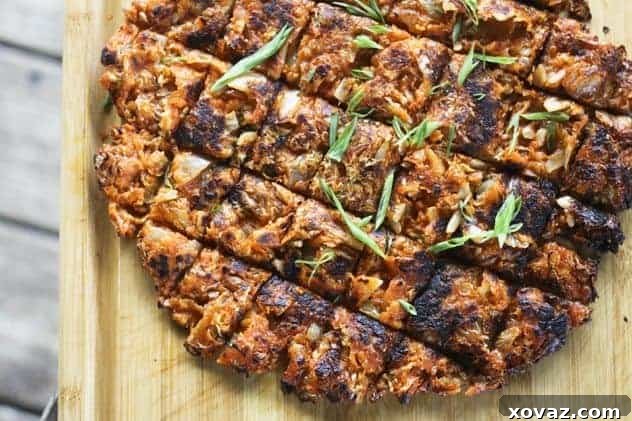
Kimchi Pancake (Kimchijeon)
Rate This Recipe
Recipe by Rebecca Lindamood
Kimchi undergoes a magical transformation in this crispy, savoury snack cake, evolving from something for die-hard lovers only to a dish that even unadventurous eaters want to try. Beware, though, this is so good it’s habit-forming!
Ingredients
- 1 cup chopped kimchi
- 3 tablespoons of kimchi juice (the flavorful liquid in which kimchi is packed)
- 2 tablespoons chopped green onion
- ½ cup water
- ½ cup all-purpose flour
- ½ teaspoon salt
- Neutral oil for frying (such as canola, peanut, grapeseed, or vegetable oil)
Optional Additions:
- ½ cup cooked peeled shrimp, chopped
- ½ cup cooked shredded pork
- Additional chopped green onions for garnish
Instructions
- In a medium mixing bowl, combine all of the main ingredients (except for the frying oil). Stir vigorously until the mixture is evenly colored, well combined, and there are no visible dry flour spots or lumps. If using optional additions like shrimp or pork, fold them into the batter at this stage.
- Heat a heavy-bottomed 10 to 12-inch skillet (a cast-iron or good quality nonstick pan works best) over medium-high heat. Add enough neutral oil to create about an 1/8-inch coating across the bottom of the pan. Once the oil is shimmering and hot, carefully pour the kimchi pancake batter into the skillet. Using the back of a spoon or spatula, spread the batter thinly and evenly across the pan to form a single large pancake. Fry for 4-6 minutes, or until the bottom is beautifully crisp and golden brown, and the top appears mostly cooked through with only a few slightly wet patches remaining.
- Carefully flip the pancake using two spatulas for better control, especially if it’s a large one. Continue cooking the pancake on the second side for another 3-5 minutes, or until the underside is also crisp, deeply golden brown, and has developed some delightful charred bits for extra flavor. For maximum crispiness, you can flip the pancake over again and cook the first side for an additional minute or two.
- Transfer the cooked kimchi pancake to a cutting board. Serve immediately, garnished with extra chopped green onions if desired. You can present it whole on a platter for people to pull apart with fingers or chopsticks, or for easier sharing, cut it into bite-sized wedges or squares. Best enjoyed warm!
Nutritional information is an estimate and provided to you as a courtesy. You should calculate the nutritional information with the actual ingredients used in your recipe using your preferred nutrition calculator.
Did You Make This Recipe?
We’d love to see your creations! Make sure to tag @foodiewithfam on Instagram and #hashtag it #foodiewithfamily so I can check it out! Your culinary adventures inspire us!
Pin Recipe
Share on Facebook
Why Kimchi Pancake Should Be Your Next Culinary Adventure
Beyond its incredible taste and captivating aroma, Kimchijeon offers a unique blend of comfort and culinary excitement. It serves as an accessible and delicious entry point into the vibrant world of Korean cuisine for those new to its distinct flavors, while simultaneously providing a satisfying and familiar experience for seasoned fans. The sheer joy of creating these crispy, savory pancakes at home is unparalleled – the delightful sizzle in the pan, the rich, inviting scent filling your kitchen, and finally, that first satisfying bite into a warm, perfectly textured slice. It’s a versatile dish that’s perfect for a quick and flavorful snack, a delightful appetizer to share with friends and family, or even a light, satisfying meal on its own.
So, whether you’re looking to ingeniously use up some well-fermented kimchi from your fridge, seeking a new and exciting recipe to expand your cooking repertoire, or simply craving something incredibly delicious and deeply comforting, this Kimchi Pancake (Kimchijeon) recipe is your ideal answer. It stands as a testament to how simple, humble ingredients, combined with a touch of culinary magic and the power of fermentation, can create an unforgettable dish. Don’t let the raw kimchi’s initial boldness deter you; embrace the transformative power of cooking, and prepare to fall deeply in love with Kimchijeon. Happy cooking, and prepare for plenty of enthusiastic requests for more!