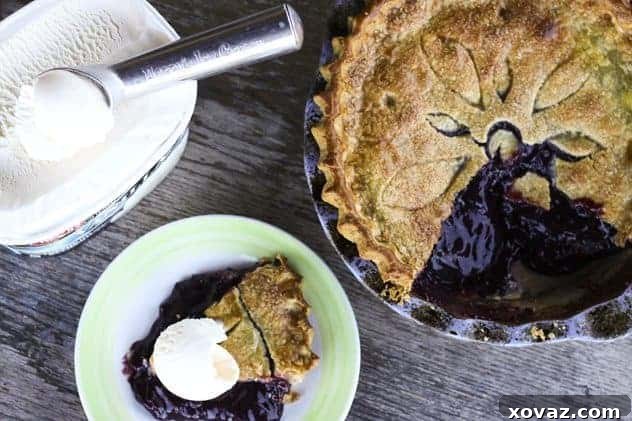
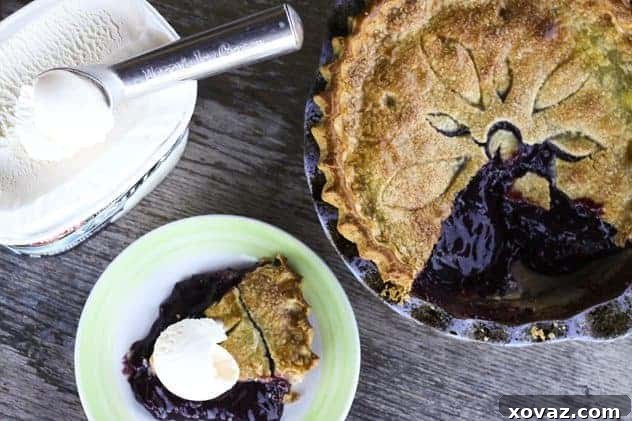
There’s a unique comfort in the places we call home, and for me, that identity has always been deeply rooted in being a Michigander, despite the wonderful opportunities I’ve had to explore different corners of this vast country. I’ve been blessed to traverse a little, experiencing diverse landscapes and cultures within the United States. While rural Western New York has been my longest residence, my heart often tugs back to the Great Lakes State. Yet, every so often, a particular experience or flavor will emerge, almost convincing me to embrace the title of a true New Yorker. These pivotal moments, almost without exception, revolve around food.
Embracing New York’s Culinary Delights: The Magic of Grape Pie
New York boasts a rich tapestry of regional culinary treasures: the hearty beef on weck, the distinctive white hots, classic buffalo wings, savory salt potatoes, and, perhaps the most surprising and delightful of all, grape pie. For a long time, grape pie remained a mystery to me, a quaint regional specialty. However, upon my first taste, it transcended mere food; it became an instant revelation, a quintessential flavor that perfectly encapsulates the essence of New York autumn. This isn’t just any pie; it’s a celebration of the Concord grape, a fruit whose highly perfumed, heady scent immediately triggers a blissful anticipation, an aroma so potent and genuine that it puts every artificial grape soda and candy to shame. There’s an undeniable purity to fresh Concord grapes that simply overwhelms the senses with joy, making it the undisputed taste of fall.
New York State is beautifully adorned with vineyards and countless U-pick grape farms, especially throughout its western regions. If you journey through these areas in September, with your car windows down, you’re guaranteed to be enveloped by that distinctive, intoxicating aroma of ripe Concord grapes. This natural perfume, drifting lazily across the countryside, harmonizes with the vibrant, Crayola-tinted leaves and the crisp, invigorating air, serving as an unmistakable declaration that the season has truly shifted. It’s an immersive experience, a symphony of sights and smells that heralds the arrival of autumn’s bounty.
The Art of Preserving Autumn: Making and Canning Grape Pie Filling
For many years, grape pie was a seasonal delicacy I eagerly awaited, a treat available only when fresh Concord grapes were in season. That was until I unlocked the secret to making and canning my own grape pie filling. It genuinely puzzles me why this hasn’t become a widely available commercial product, given its undeniable charm and deliciousness. Grape pie is a marvel of contrasts: wonderfully tart yet perfectly sweet, lusciously juicy, and exquisitely velvety. The soft, simmered grape skins are not just an ingredient; they are integral, contributing both body and a delightful textural dimension that sets it apart from other fruit pies.
Admittedly, preparing grape pie filling is a labor of love, a step beyond simply tossing berries with sugar and thickener. But this “labor” is precisely what makes it so special. It often transforms into a cherished ritual, a communal experience that brings people together. I recall sitting in a circle on the front porch, surrounded by two large pots, engaging in the therapeutic task of slipping the skins from the grapes, two at a time. Holding a plump Concord grape in each hand, we’d share laughter and stories as we gently squeezed the juicy insides into one pot, meticulously depositing the separated skins into the other. This seemingly time-consuming task, perhaps a half-hour or even an hour, melts away effortlessly when you’re immersed in good company, enjoying the pleasant autumn weather, and sipping on whatever warm beverage—be it coffee or tea—fuels your morning. It’s a testament to how shared moments can transform a chore into a delightful memory.
Once the grapes are separated, the real culinary magic begins in the kitchen. The pot brimming with grape pulps embarks on its journey, simmering gently until the tiny seeds detach themselves from the fruit’s flesh. This softened pulp is then meticulously poured through a colander or food mill, a crucial step to filter out those pesky seeds, leaving behind a smooth, vibrant juice and pulp mixture. This precious liquid is then reunited with the reserved grape skins in a fresh pot. To this mixture, just the right amount of granulated sugar is added, along with a touch of lemon juice or citric acid to balance the flavors, and a crucial ingredient for texture: Clear Jel, a modified food starch perfect for canning. The concoction is then brought to a boil, constantly stirred until it thickens to a luscious, bubbling consistency. This rich, royal purple filling is then carefully spooned into sterilized jars, leaving just enough headspace. The rims are meticulously wiped clean, new lids are sealed in place with fingertip-tight rings, and the jars are tenderly lowered into a hot water bath canner. After processing, they emerge, ready to be cooled, labeled, and stored on pantry shelves. These jars become coveted treasures, offering a burst of autumn splendor during the bleak mid-winter, perfectly poised to satisfy any sudden grape pie cravings and evoke warm memories of the season that created them.
Recipe: Homemade Grape Pie Filling and Grape Pie
For the Pie Filling:
- 22 cups Concord grapes, washed
- 4 cups granulated sugar
- 1/4 cup lemon juice or 1 teaspoon citric acid
- 1 cup ClearJel starch or another brand of the same type of starch
Instructions to Prepare and Can Grape Pie Filling:
- Working over two separate pots, take one grape in each hand. Gently squeeze each grape over the first pot to release the pulp and juice. Deposit the grape skins into the second pot. Continue this process until all grapes have been separated into pulp/juice and skins.
- Place the pot containing the grape pulps (without adding any water) over medium heat. Bring the mixture to a boil, stirring frequently, and allow it to boil for 5 to 6 minutes. Pass the hot pulp through a food mill or a fine-mesh colander, pressing firmly to extract as much juice and pulp as possible. Pour the hot, sieved pulp and juice over the reserved grape skins.
- In a separate bowl, whisk together the granulated sugar and ClearJel starch (and citric acid, if you are using it). Sprinkle this mixture over the grape pulp and skin mixture in the pot. Use a large whisk or a sturdy spoon to mix thoroughly until well combined. Place the pot back over medium heat, stirring constantly, and bring the mixture to a rolling boil until it thickens. It should thicken relatively quickly, but ensure it is actively bubbling before proceeding.
- For neatness, place a canning funnel over the opening of a clean, sterilized quart jar. Ladle the hot pie filling into the jar, leaving a 1-inch headspace (the space between the top of the filling and the rim of the jar). Moisten a paper towel and carefully wipe the rims of the jars to ensure they are spotless. Center a new canning lid on the jar and screw the metal ring into place until it is fingertip-tight.
- Carefully place the filled jars into a canning pot, ensuring they are fully submerged in water. Bring the water to a boil and process the jars for 30 minutes. Once the processing time is complete, turn off the heat, remove the canner lid, and let the jars rest in the hot water for 5 minutes. Then, carefully transfer the jars to a cooling rack or a towel-lined counter. Allow them to cool, undisturbed, overnight. The next day, remove the rings, wipe the jars clean, and label them. Store the sealed jars in a cool, dark place for up to two years.
Beyond the Pie: Versatile Uses for Grape Filling
While grape pie is undeniably its most fabled form, don’t feel constrained by convention. This glorious grape filling is incredibly versatile! It transforms beautifully into a delightful cake filling, adding a vibrant, fruity layer to your favorite sponge. It’s also an exceptional ice cream topping, offering a warm, tart counterpoint to cool vanilla. You wouldn’t be far amiss spreading it generously on a sandwich, much like a gourmet jam, and I certainly wouldn’t pass judgment if you used it to create delectable turnovers or “jam”-filled cookies. Its rich flavor and unique texture make it a star in countless applications, inviting creativity in the kitchen.
For the Grape Pie:
- 1 quart of grape pie filling (from the recipe above)
- Pie pastry for a double crust (your favorite recipe or store-bought)
- 1 egg, beaten
- Raw sugar or granulated sugar for sprinkling over the crust (optional, but highly recommended for sparkle and caramelization)
Instructions to Make the Grape Pie:
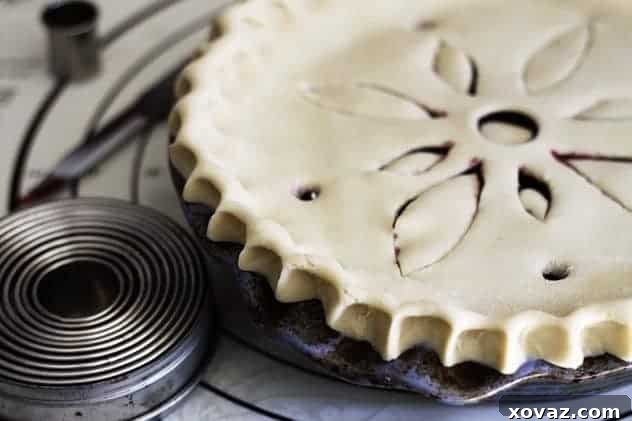
- Preheat your oven to 425°F (220°C). Roll out one half of your pie pastry and carefully lay it into your pie plate, ensuring it covers the entire plate and drapes slightly over the edges. Pour the jar of luscious grape pie filling into the crust and gently spread it evenly with a spatula. Roll out the second crust to a size just slightly larger than the circumference of the top of your pie plate. Lay this second crust on top of the filling. Gather any excess pastry and fold it under the bottom crust’s edge to create a neat, sealed rim. Crimp the edges decoratively with a fork or any style you prefer. Cut a few vent holes or slits into the top crust in shapes that delight you, allowing steam to escape during baking.
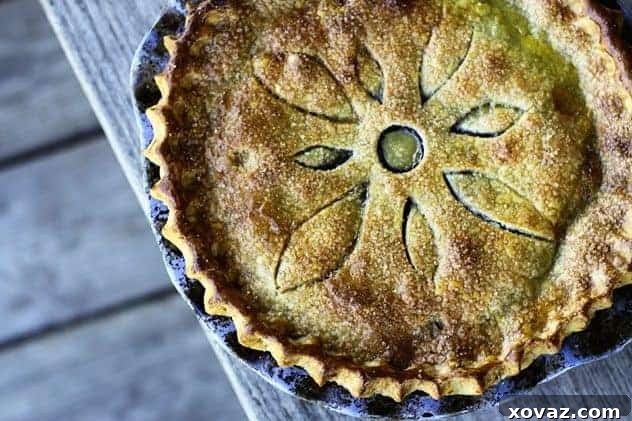
- For an enhanced presentation and flavor, brush the entire top pastry with the beaten egg. Then, generously sprinkle raw sugar or granulated sugar over the crust. This step is optional, but it contributes to a deeper golden-brown crust color and adds a beautiful, sparkling caramelized texture and a touch of extra sweetness.
- Bake the pie in the preheated oven for 15 minutes. After this initial bake, reduce the oven temperature to 350°F (175°C) and continue baking for another 30 to 40 minutes, or until the crust achieves a rich, deep golden-brown color and the filling is visibly bubbling through the vent holes. If you notice the edges of the crust browning too quickly, you can gently crimp aluminum foil around them to protect them from over-browning.
- Once baked, carefully transfer the hot pie plate to a wire cooling rack. The trickiest part truly begins now: the waiting. Allow the pie to cool completely—if you possess the superhuman willpower to make yourself wait—before slicing and serving. While the filling will still be juicy, it will set more firmly and hold its shape better when fully cooled.
- For the ultimate, authentic Western New York grape pie experience, serve each warm slice with a generous scoop of classic vanilla ice cream on top. The cool, creamy sweetness of the vanilla is the perfect counterpoint to the pie’s tart and sweet grape filling, creating a match made in culinary heaven.
- Store any leftover grape pie tightly covered at room temperature for up to 3 days.
The Grand Finale: A Slice of Autumn Bliss
In the end, every single moment, from the patient skinning of the grapes on the porch to the “sweet torturous anticipation” of waiting for the pie to bake and cool, is unequivocally worth it. The first forkful delivers on every tantalizing promise of scent and vision. Your fork effortlessly drops into a beautifully flaky pie crust, yielding to a thick, silky grape filling where tender grape skins mingle with the luscious, concentrated juice. The flavors burst forth – a perfect harmony of tartness and sweetness, a true embodiment of autumn. As you savor each bite, your lips, teeth, and tongue are stained a delightful royal purple, mirroring the color on your fingertips from months earlier when you painstakingly preserved the filling. These are the profound, sensory moments that truly hook you on the art of canning and the timeless joy of homemade food. It’s not just a pie; it’s a memory, a tradition, and a celebration of the season.
Nutritional information provided is an estimate and should be calculated with the actual ingredients used in your recipe using your preferred nutrition calculator.
Did You Make This Recipe?
We’d love to see your creations! Share your photos on Instagram and tag @foodiewithfam with the hashtag #foodiewithfamily so we can admire your delicious work!
Pin Recipe
Share on Facebook