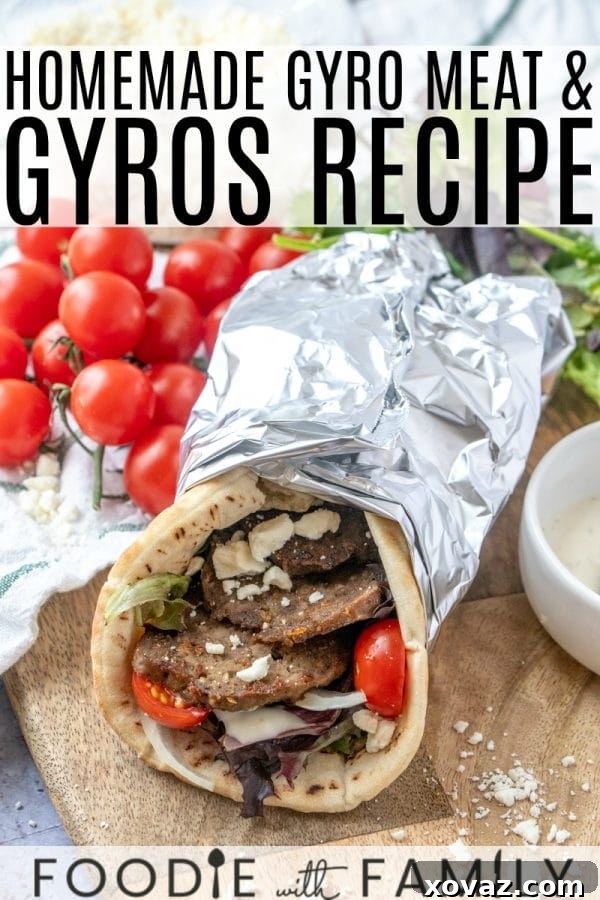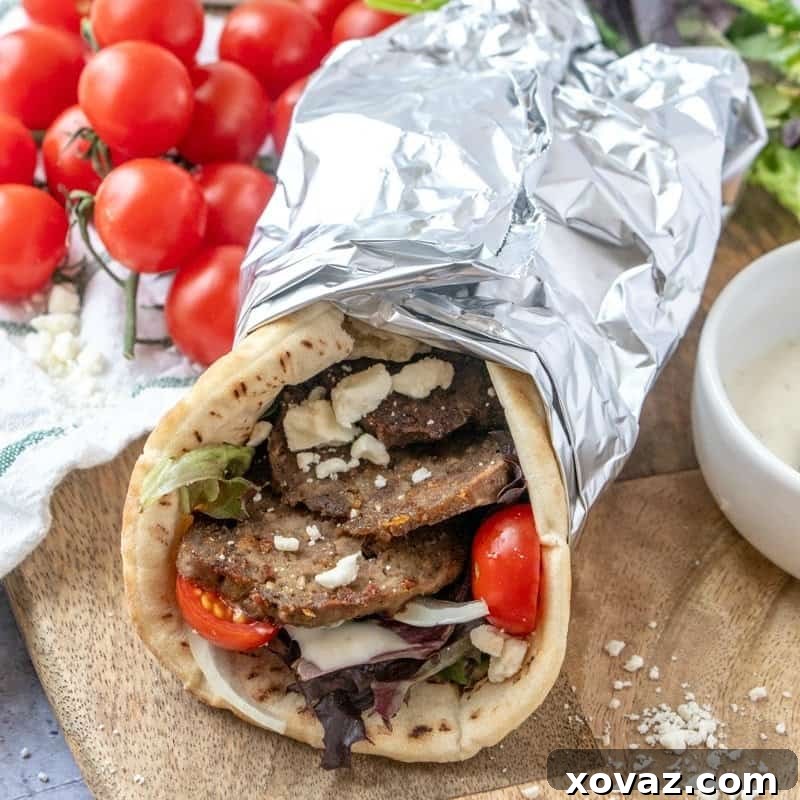
Experience the unparalleled satisfaction of crafting authentic, restaurant-worthy gyro meat and assembling mouthwatering gyros right in your own kitchen. Imagine tender, garlicky, and herb-infused strips of Greek/Lebanese meatloaf, crisped to perfection, nestled within soft flatbreads bursting with fresh toppings. This comprehensive guide will help you bring the vibrant flavors of the Mediterranean to your home, transforming a culinary craving into a delightful reality.
There are those rare moments when a particular dish utterly captivates your mind, becoming an undeniable craving. For me, that obsession recently centered around the humble yet magnificent gyro. Just a few weeks ago, during a delightful lunch outing to a bustling Mediterranean eatery with my mom, sister, and sister-in-law, I encountered a culinary revelation. I ordered a lamb and beef gyro platter, and what arrived was an impressive salad piled high with an astonishing quantity of perfectly crisped gyro meat. My family jokingly suggested I chose it specifically to avoid sharing, and indeed, with my vegetarian mother and sister, and my meat-abstaining sister-in-law (due to Lent), I found myself delightfully monopolizing the platter.
For a fleeting moment, I questioned if I could truly conquer the mountain of food before me. But then, that first bite. The outer crispiness, the tender interior, the explosion of garlic and aromatic herbs – it was pure bliss. In that instant, homemade gyro meat ascended to the top of my culinary must-make list. Any doubts about finishing the generous portion vanished; I savored every last strip of that intensely flavorful meat. It lingered in my thoughts for days, its irresistible taste a constant whisper in my mind. I couldn’t stop talking about it, much to my husband’s eventual amusement (or perhaps, exasperation). The idea of making regular pilgrimages to the city just for a gyro, however, was simply out of the question.
Crafting the Perfect Homemade Gyro Meat
The solution was clear: I had to master the art of making homemade gyro meat. Not just a small batch, but enough to ensure I would never again be without this delectable treat. Replicating the distinct restaurant-quality texture and flavor proved to be a fascinating culinary challenge. My goal was to achieve that signature super-fine, dense texture while ensuring the meat remained incredibly moist and succulent. This wasn’t merely about cooking meat; it was about recreating an experience.
To match the superb gyros I had enjoyed, I opted for a blend of ground lamb and beef. This combination offers a rich, complex flavor profile that is essential for authentic gyro meat. Once I had my high-quality meats, the next crucial step was infusing them with an abundance of garlic and a thoughtfully chosen medley of herbs. This aromatic foundation is what elevates the gyro meat from good to truly exceptional, allowing the flavors to meld and deepen over time. The careful selection of spices like oregano, thyme, cumin, and rosemary ensures a truly authentic Mediterranean taste that will transport your taste buds.
Achieving the characteristic fine, dense texture of traditional gyro meat might sound daunting, but it’s surprisingly straightforward with a simple, albeit somewhat unconventional, technique. After generously combining the lamb, beef, minced garlic, and herbs, I allowed the mixture to rest in the refrigerator for several hours. This crucial step permits the flavors to “marry,” creating a more harmonious and pronounced taste profile throughout the meat. Following this resting period, I processed the meat mixture in batches using a food processor. The key here is to pulse it until it transforms into a thick, sticky paste – a texture that is vital for achieving the desired density and preventing crumbly meat once cooked. This vigorous processing breaks down the meat fibers, creating the unique emulsified texture.
Once the meat mixture reached the ideal paste-like consistency, I firmly pressed it into loaf pans, ensuring to eliminate any air pockets along the way. This meticulous packing is essential for a uniformly dense final product that holds together beautifully when sliced. The loaf pans were then strategically placed into a larger roasting pan. Boiling water was carefully poured into the roasting pan, rising approximately two-thirds of the way up the sides of the loaf pans. This water bath method, known as a bain-marie, provides a gentle, even heat, allowing the meatloaf to cook slowly and evenly, preventing it from drying out and ensuring a tender, juicy result. The entire setup was then carefully transferred to the oven to bake for about an hour, or until the internal temperature of the loaves registered a safe and delicious 165°F (74°C).
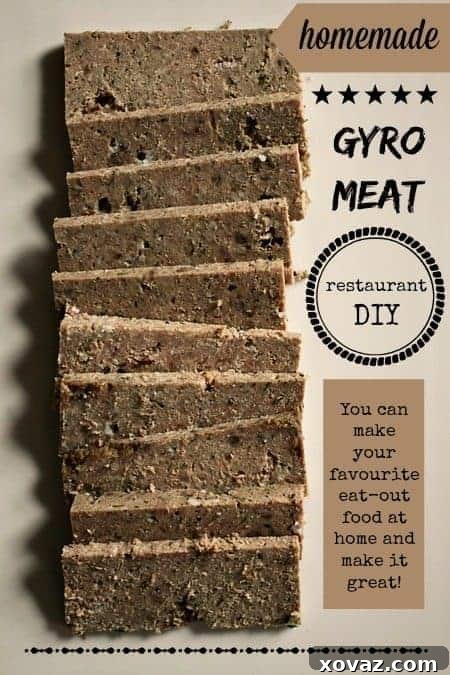
Upon reaching the perfect internal temperature, the loaves were carefully removed from the water bath. I then drained off any accumulated excess fat – a natural byproduct of cooking such a rich meat blend. To achieve that coveted super-fine, compressed texture, I employed a clever trick inspired by culinary greats: foil-wrapped bricks. These were placed directly on the surface of the hot meatloaves, applying gentle but firm pressure. This compression step is instrumental in tightening the meat’s structure, mimicking the tightly packed layers of traditional spit-roasted gyros and making them perfect for thin slicing. After a brief resting period under the bricks, I removed them, carefully extracted the cooled loaves from their pans, and wrapped them tightly in plastic wrap. Refrigerating them until they were completely firm was the final, critical step, making it incredibly easy to slice the meat into paper-thin, uniform strips that will crisp up beautifully when fried.
Assembling Your Ultimate Homemade Gyros
The anticipation leading up to the assembly of these gyros was almost unbearable. Once the gyro meat was perfectly chilled and firm, I used a sharp knife to effortlessly slice it into long, thin strips, each no thicker than a quarter-inch. The true magic happened next: browning these delicate strips. I melted a generous (some might say indulgent) amount of ghee in a heavy-bottomed frying pan over medium heat. As the meat hit the hot ghee, my kitchen was instantly transformed into a fragrant Mediterranean eatery. The intoxicating aroma of garlicky, oniony, herbed beef and lamb, sizzling and crisping in what was essentially browned butter, was enough to make anyone ravenous. The strips developed a beautiful golden-brown crust, locking in the succulence while adding an irresistible crunch.
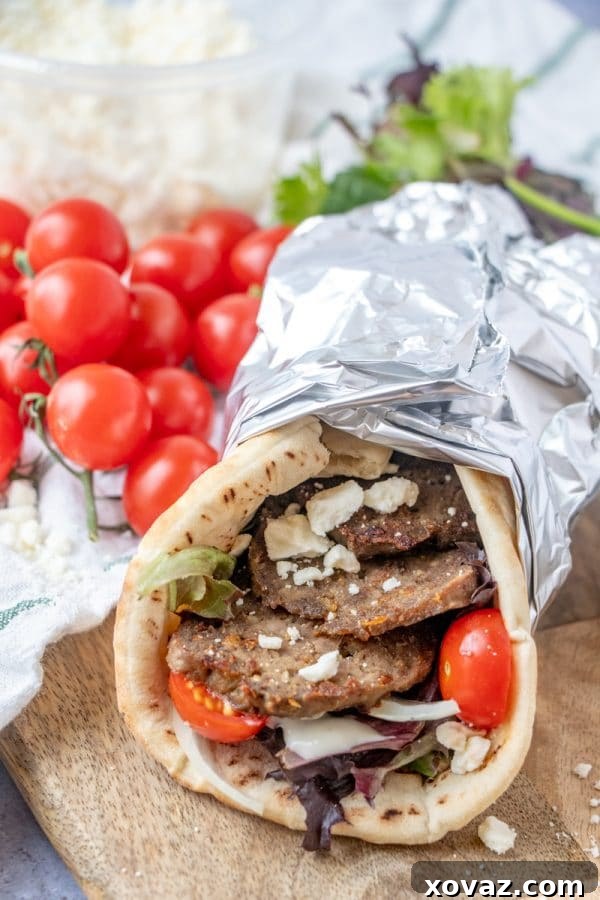
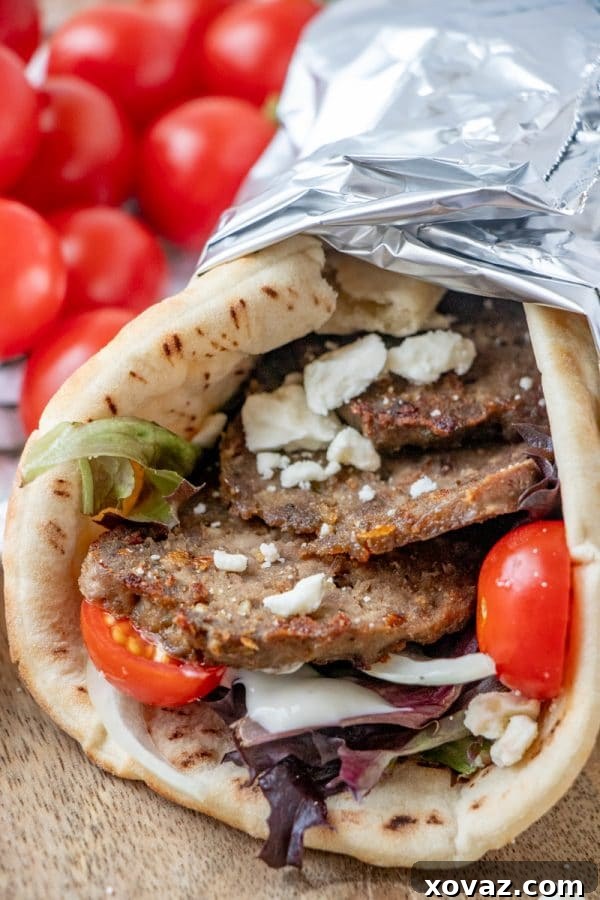
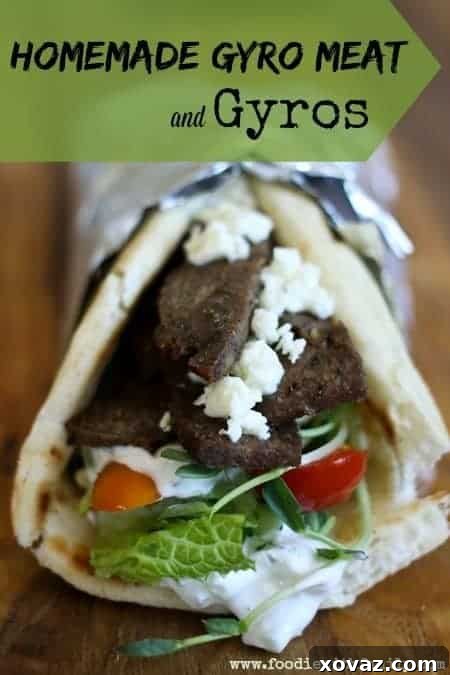
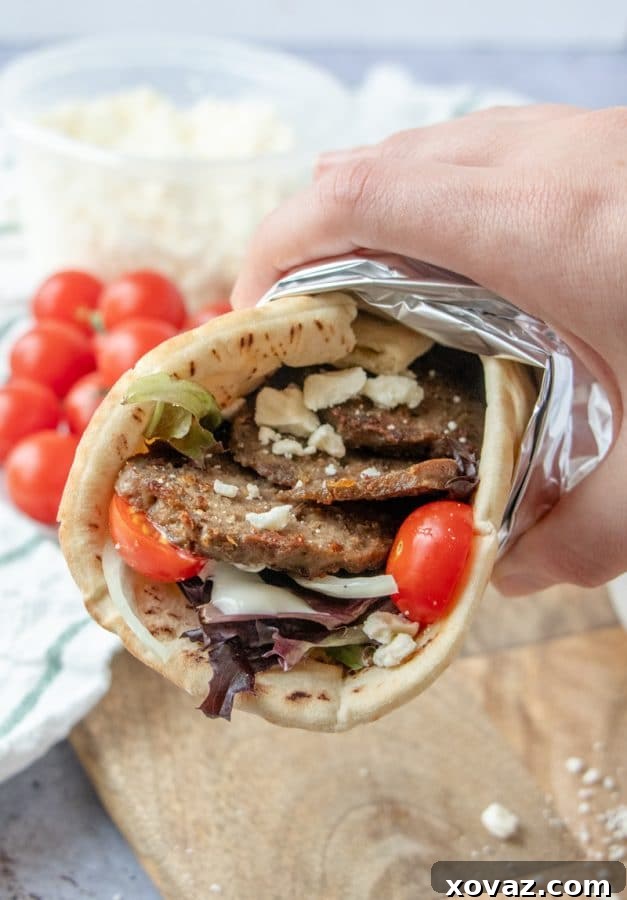
Once the strips were beautifully browned and crispy, they were transferred to a plate for a brief cool-down. Then came the joyful assembly. Each warm flatbread pita was generously filled with a vibrant array of fresh ingredients: crisp salad greens, finely chopped cherry tomatoes, delicate slices of sweet onion, a dollop of cooling cucumber yogurt sauce (often referred to as Tzatziki), crumbled Feta cheese, and a scattering of smashed Greek olives. A final drizzle of zesty Greek dressing tied all the flavors together, adding a bright, acidic counterpoint to the rich meat. Folding the pita around its abundant filling and wrapping it in foil ensured all those mouthwatering components stayed perfectly contained, ready for that first glorious bite. It was a moment of pure culinary triumph; I had created one of the best gyros I’d ever tasted, rivalling any restaurant offering and proving that authentic flavors are achievable at home.
This journey from a simple craving to a masterful homemade creation was incredibly rewarding. With a little planning and effort, I now have the power to satisfy my gyro cravings whenever they strike, offering a healthy and delicious alternative to takeout. And it’s not just me; my family has become equally enamored with these crispy meatloaf strips, requesting them at every opportunity. It’s a joy to oblige, knowing that a batch of this flavorful gyro meat is always within reach, ready to be transformed into an unforgettable meal that brings the taste of Greece directly to our dining table.
Expert Tips for Homemade Gyro Success
- Patience is a Virtue: Don’t be discouraged by the overall time commitment for making homemade gyro meat. A significant portion of this is “inactive” waiting time (chilling, resting), and the incredible flavor and texture payoff is truly worth every minute. Think of it as an investment in future deliciousness, and plan your cooking day accordingly.
- The Onion Secret: It might seem like an extra, fussy step to finely chop the onion and then squeeze out its excess moisture using a towel. However, this step is absolutely crucial for achieving the desired fine, dense texture of the finished gyro loaf. The absence of excess water ensures the meat compacts properly, resulting in a smoother, more authentic meatloaf consistency. Don’t skip it!
- Meat Variations: While the lamb and beef blend offers the most classic gyro flavor, feel free to experiment with using all ground beef or all ground lamb. Be aware that this will subtly alter the flavor and texture of your final product. For instance, all beef will be milder, while all lamb will be richer. Choose what best suits your palate!
- Batch Cooking & Freezing: This recipe yields a generous amount, which is perfect for meal prepping and ensuring you always have gyro meat on hand. You can certainly halve the quantities if you prefer a smaller batch. However, given the length of the preparation process, making a larger quantity and freezing individual loaves for later use is highly recommended. Having a ready-to-slice gyro loaf in your freezer is a game-changer for quick, delicious meals on busy weeknights.
- Crisping the Strips: You have a few excellent options for crisping your thin gyro meat slices. While broiling is an option, I personally find the flavor developed by browning them in ghee (my top choice), butter (a close second), or good quality olive oil (a solid third) to be superior. The rich fats contribute significantly to the overall taste experience, creating a more savory and satisfying crisp.
- The Art of Compression: Placing foil-wrapped bricks on top of the cooked gyro loaves is not strictly mandatory, but it makes a remarkable difference. This technique effectively compresses the meat, contributing immensely to that fine, dense, restaurant-quality texture that is so highly prized in authentic gyros. If you can’t find bricks or prefer not to bother, your gyro meat will still be incredibly delicious, just perhaps a touch less dense. Heavy cans or cast-iron pans can also work as alternatives.
Authentic Homemade Gyro Recipe
This recipe ensures you create flavorful, tender, and perfectly textured gyro meat, ready to be transformed into your favorite Mediterranean wraps.
Ingredients
For the Gyro Meat:
- 2 pounds ground beef (between 80/20 and 90/10 lean)
- 2 pounds ground lamb
- 1 large onion, peeled and cut into 1-inch chunks
- 2 tablespoons minced garlic
- 1 tablespoon dried oregano
- 1 tablespoon dried thyme
- 2 1/2 teaspoons ground cumin
- 2 teaspoons kosher salt
- 2 teaspoons ground black pepper
- 1 teaspoon dried rosemary
For Assembling the Gyros:
- Fully cooled gyro meat loaf, sliced into thin strips
- Ghee or extra virgin olive oil for frying
- Flatbread pitas, gently warmed
- Mixed salad greens
- Cucumber yogurt sauce (Tzatziki)
- Halved cherry tomatoes or chopped large tomatoes
- Thinly sliced sweet onions
- Crumbled Feta cheese
- Optional but highly recommended: Greek dressing and chopped or smashed Greek olives
Instructions
To Make the Gyro Meat:
- Place the onion chunks in a food processor and blitz until they are super finely chopped. Scrape the finely chopped onion into the center of a clean tea or flour sack towel, twist it tightly, and squeeze it over the sink to remove any excess moisture.
- In a large bowl, use your hands to thoroughly combine the squeezed onion with the ground beef, ground lamb, minced garlic, dried oregano, dried thyme, ground cumin, kosher salt, ground black pepper, and dried rosemary. Mix until all ingredients are well incorporated and the mixture is uniform. Cover the mixture with plastic wrap and let it rest for at least 1 hour, or ideally, overnight, in the refrigerator to allow the flavors to meld.
- Preheat your oven to 325°F (160°C). Bring a pot of water to a boil on the stovetop for the water bath.
- Working in batches, transfer a portion of the meat mixture to the food processor. Pulse for about a minute, or until the mixture transforms into a tacky, thick paste. This finely processed texture is key for a dense gyro loaf.
- Press the meat paste, a little at a time, into two standard bread loaf pans, taking care to eliminate any air pockets as you go. Press down firmly on the surface of the meat to ensure it is evenly distributed and compact.
- Place a wet kitchen towel on the bottom of a large roasting pan. Position the two filled loaf pans on top of the towel. Carefully pour the boiling water into the roasting pan until it reaches about two-thirds of the way up the outsides of the loaf pans.
- Carefully transfer the roasting pan into the preheated oven. Bake for 50-70 minutes, or until an instant-read thermometer inserted into the center of the thickest part of the loaf registers 165°F (74°C).
- Carefully remove the loaf pans from the roasting pan. Pour off any accumulated fat from around the loaves. Place the loaf pans on a heat-proof surface (like a cooling rack or a sturdy pan on top of the oven). For a truly authentic, dense texture, place a foil-wrapped brick directly on the surface of each meat loaf to compress it.
- Let the meat loaves rest under the compression of the bricks for 20 minutes. After 20 minutes, remove the bricks. Run a knife around the edges of the loaves to loosen them, then gently turn the loaves out onto a clean surface.
- Wrap the cooled loaves tightly with plastic wrap and chill them in the refrigerator for several hours, or preferably overnight. This chilling process allows the meat to firm up completely, making it much easier to slice into thin, even strips.
To Assemble the Gyros:
- Unwrap one of the chilled gyro loaves. Using a very sharp knife, cut long, thin strips of meat, aiming for a thickness no greater than 1/4-inch.
- Melt at least 2 teaspoons of ghee or olive oil in a heavy-bottomed frying pan over medium heat until shimmering.
- Lay the gyro meat strips down into the hot ghee or olive oil in a single layer, being careful not to overcrowd the pan. Fry for at least 1 1/2 minutes on each side, using tongs or a small flexible spatula to flip them, until they are crisped and browned to your liking. Repeat with remaining meat strips, adding more fat as needed.
- Gently transfer the crisped meat strips to a plate to cool briefly.
- Warm your flatbread pitas according to package directions. Then, assemble your gyros by piling the warm, crispy gyro meat, mixed salad greens, cucumber yogurt sauce, chopped tomatoes, sweet onion slices, crumbled Feta cheese, and optional Greek dressing and olives onto each pita.
- Fold the pita, wrap it in foil to help hold all the delicious components together, and dig in immediately to enjoy your incredible homemade gyro!
Nutrition Information (Estimate per serving)
Calories: 495kcal | Carbohydrates: 34g | Protein: 25g | Fat: 27g | Saturated Fat: 11g | Cholesterol: 85mg | Sodium: 735mg | Potassium: 396mg | Fiber: 1g | Sugar: 1g | Vitamin A: 105IU | Vitamin C: 3.1mg | Calcium: 106mg | Iron: 3.5mg
Nutritional information provided is an estimate and should be calculated with the actual ingredients used in your recipe using your preferred nutrition calculator.
Did you make this recipe?
We’d love to see your creations! Make sure to tag @foodiewithfam on Instagram and use the hashtag #foodiewithfamily so we can admire your delicious homemade gyros!
Complement Your Gyro Experience: Related Recipes You’ll Love
If you’re a fan of this incredible homemade gyro meat recipe, you might also enjoy exploring these complementary dishes:
- Greek Salad Gyro Salad Plate: Turn your gyro meat into a delicious and healthy salad.
- Classic Greek Dressing: The perfect tangy accompaniment for your gyros or any Mediterranean salad.
- Cardamom Pistachio Baklava: Indulge in a sweet, sticky, and aromatic dessert to complete your Greek feast.
- Homemade Greek Tzatziki Dip: A cool, creamy, and garlicky staple that pairs perfectly with gyros.
- Greek Stuffed Sweet Potatoes: A unique and flavorful twist on a classic side.
- Greek Chicken Pasta Skillet: Another hearty and delicious Mediterranean-inspired meal.
This recipe for Homemade Gyros was originally published in March 2014 and has been thoroughly updated in April 2019 to include new insights, an improved video guide, and enhanced cooking notes for an even better culinary experience.