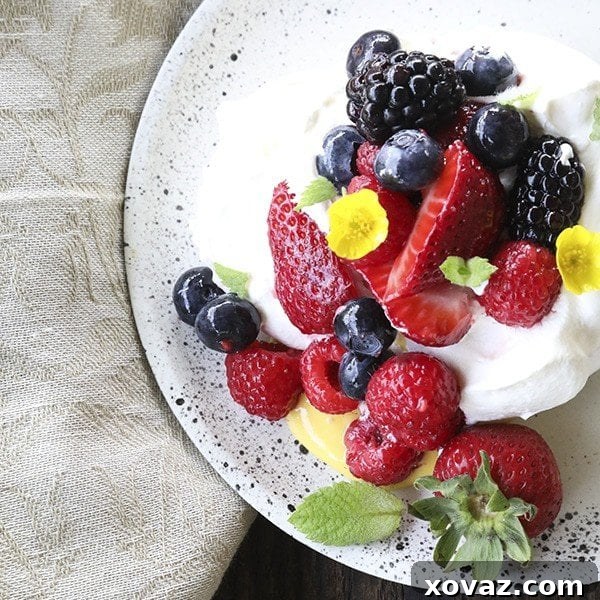
Welcome to the ultimate guide to creating the most Perfect Mini Pavlova Recipe. Imagine a dessert that’s impossibly light, boasting a dazzlingly crisp exterior that shatters delicately, revealing a soft, marshmallowy core within. This isn’t just a dream; it’s a reality within your grasp, even if your baking experience extends only to whipping cream. These individual pavlovas are as simple to master as they are breathtakingly beautiful, making them an ideal treat for any occasion, especially vibrant summer gatherings.
Our journey to this foolproof mini pavlova recipe was inspired by the exquisite pavlovas served aboard Caribbean Cruises. As an avid cruiser and dessert enthusiast, I savored these delicate confections while enjoying the warm Caribbean breeze. This post, while celebrating that inspiration, offers my thoroughly tested insights and original recipe, all opinions and methods remaining entirely my own.
The Caribbean Inspiration Behind Our Perfect Mini Pavlovas
I’ve long been enchanted by pavlovas, but a recent Western Caribbean Cruise with Princess Cruises truly ignited my passion to perfect a mini pavlova recipe. I recall a serene afternoon on the forward deck of the Caribbean Princess, seeking a quiet nook to indulge in a good book. To complement my reading, I would often grab a few mini pavlovas from the International Marketplace after lunch. As I sat there, basking in the sun like a happy lizard on a warm rock, enjoying the blissful solitude and my delectable dessert, a thought began to form.

I wondered about the secret behind Princess Cruises’ impeccable mini pavlovas. How did they manage to withstand the tropical Caribbean heat and humidity on the buffet line without weeping, wilting, or collapsing? It was a true puzzle, especially knowing that the talented chefs on Princess Cruises create everything from scratch daily – from freshly baked bread to exquisite sauces and comforting soups. There are no shortcuts; every dish is a testament to their dedication.
This meant that the personal-sized pavlovas I devoured with such relish were handcrafted by a skilled pastry chef, meticulously separating eggs and forming these picture-perfect meringues right there, on the ocean, in a warm environment. I returned home with a clear culinary mission: to develop a truly foolproof mini pavlova recipe that could replicate that cruise-level perfection and resilience.
Unlocking the Secrets to Foolproof Mini Pavlovas
My quest began with enthusiasm, but quickly hit a snag. My initial attempts with super fresh, farm-local chicken eggs yielded very shiny, incredibly fluffy, and incredibly sticky pavlovas that lacked structural integrity. They were far from the stable, crisp meringues I remembered from the cruise. It became clear that some serious experimentation was in order.
After numerous batches and varying degrees of success (and some glorious failures!), I finally cracked the code. I am thrilled to share with you the most foolproof mini pavlova recipe, ensuring you too can enjoy these delicate, individual desserts. Imagine yourself escaping to a warm, quiet spot, a captivating book in hand, and a perfect mini pavlova to savor. It’s a moment of pure bliss, made possible by these tried-and-true techniques.
Essential Tips for Meringue Perfection
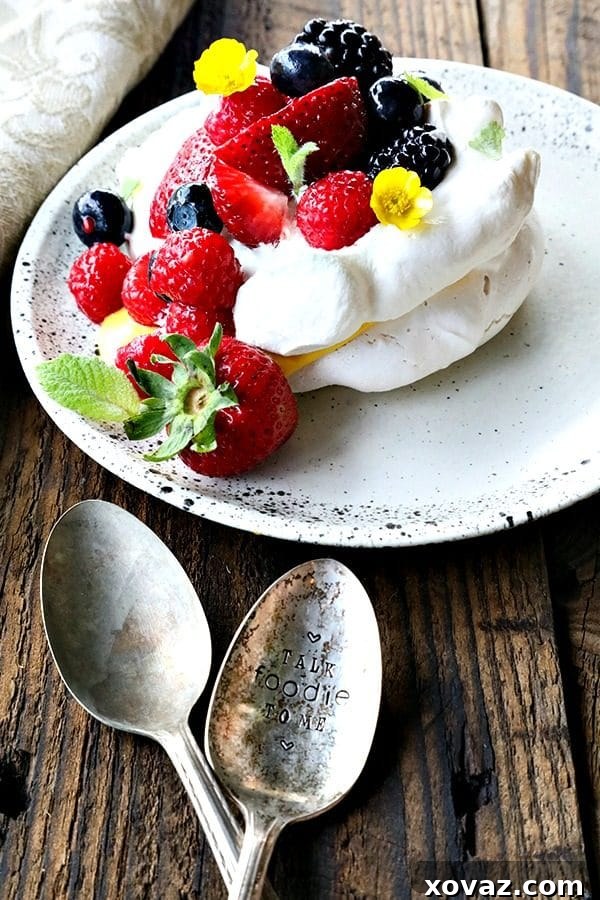
While making mini pavlovas is surprisingly easy, a few key discoveries truly elevate them from good to absolutely perfect. These might seem unconventional, but trust the process:
- Embrace Packaged Egg Whites: This might sound counterintuitive for a homemade recipe, but for pavlovas, liquid egg whites from a carton are your best friend. The tiniest speck of yolk or any fatty residue can prevent egg whites from whipping to their full potential. Packaged egg whites eliminate this risk, offering a pure, consistent base for your meringue. Even my farm-fresh eggs, while delicious for other uses, proved to be “too fresh” and problematic for pavlovas due to their inherent oiliness and the difficulty of perfectly separating them.
- Cold Egg Whites Work Wonders: While many recipes advocate for room temperature egg whites, my extensive testing revealed consistently superior results with cold egg whites. Whipping them for a slightly longer duration when cold seems to create a more stable, voluminous meringue. This wasn’t a one-off fluke; it was a repeated observation throughout my trials.
- Gradual Mixer Speed is Key: Don’t rush the whipping process. Starting your mixer on a low speed and gradually increasing it makes a significant difference. Begin on low, let it run for about a minute, then slowly (every 30 seconds or so) increase the speed to medium. Continue at medium until the egg whites are frothy with small, even bubbles. This slow progression allows the egg whites to build a robust structure, trapping air efficiently and uniformly, which is crucial for a stable meringue.
- Sugar Matters, but Not Excessively: You don’t need fancy “caster” or “superfine” sugar. Regular granulated white sugar works beautifully for this mini pavlova recipe. However, if you plan to use raw sugar or demerara sugar, give it a quick spin in a food processor with a metal blade for about 30 seconds to refine its texture. Of all the options, I personally found plain granulated white sugar produced the most consistent and delightful results.
- Cream of Tartar Reigns Supreme: In the battle of meringue stabilizers, cream of tartar emerged as the clear victor over white vinegar. Its ability to create a more stable and voluminous meringue was undeniable. I now consider it indispensable for my pavlovas and wouldn’t consider using vinegar again unless absolutely desperate.
- Spoon for Simplicity and Texture: While intricate piping might look impressive, it often proves more troublesome than beneficial. I found that spooning the meringue into simple mounds creates a more rustic, charming aesthetic, and more importantly, ensures even cooking. Pavlovas shaped with spoons consistently developed the classic crisp exterior and delightful marshmallowy interior that we all adore.
The Golden Rules for Perfect Pavlovas
Beyond the tips above, adhering to these fundamental rules will guarantee your mini pavlovas are nothing short of spectacular:
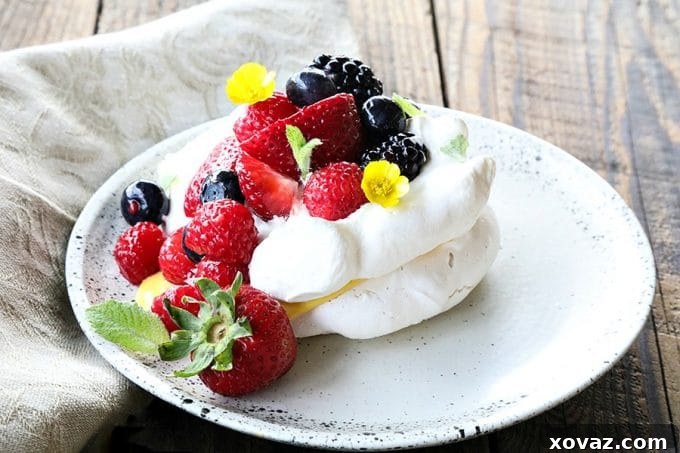
- Immaculate Equipment is Non-Negotiable: Your mixing bowl and beaters (or stand mixer bowl and whisk attachment) must be scrupulously clean and completely grease-free. Even a minuscule amount of fat will prevent your egg whites from whipping correctly, dooming your pavlovas from the start. A quick wipe with lemon juice or vinegar on your bowl and whisk can help ensure perfection.
- Zero Yolk Allowed: If you insist on separating your own eggs, proceed with extreme caution. Yolk contains fat, and as previously emphasized, fat is the ultimate enemy of perfect meringue. If even the tiniest bit of yolk infiltrates your egg whites, it’s best to discard that batch and start over or use packaged egg whites.
- Avoid Overwhipping: The goal for your egg whites is thick and glossy, forming stiff peaks. This means when you lift the whisk, the meringue should hold its shape firmly, with only the very tip gently curling over. Overwhipping can lead to a dry, brittle meringue that weeps, leaving you with a sticky, sad mess.
- Parchment Paper or Silpat is Mandatory: This is a rule you absolutely cannot compromise on. Lining your baking sheet with parchment paper or a silicone baking mat (Silpat) is essential for easy removal. Trust me, trying to chisel a beautifully baked pavlova from an unlined sheet is a heartbreaking, sticky endeavor. I made that sacrifice so you don’t have to!
- The Great Pavlova Debate: Finally, a lighthearted but firm rule: never, ever initiate a debate about whether pavlovas were invented by Australians or New Zealanders. This historical dispute is fiercely contested! My proposal to settle this culinary conundrum? A grand pavlova bake-off, of course! I selflessly volunteer to embark on another 7-day Caribbean Cruise to serve as the unbiased judge. What do you say?
A Detailed Guide to Meringue Success
Before you begin the magic, take a moment to prepare your workspace. Precision and patience are your best allies in crafting these delightful mini pavlovas.
- Prepare Your Dry Ingredients: In a small bowl, combine your granulated sugar and cornstarch. Whisk them thoroughly until they are evenly mixed. This ensures the cornstarch is distributed perfectly, aiding in the pavlova’s stable structure and marshmallowy texture. Set this mixture aside.
- Oven Setup: Preheat your oven to a gentle 275°F (135°C). Arrange your oven racks in the very center to ensure even baking. Line a half sheet pan or cookie sheet with parchment paper or a Silpat baking mat – remember, this step is non-negotiable!
- Whip the Egg Whites: Pour your cold liquid egg whites into the impeccably clean bowl of a stand mixer fitted with a whisk attachment (or a large mixing bowl if using a hand mixer). Sprinkle the cream of tartar and a pinch of salt over the surface of the egg whites. Begin whipping on the lowest speed. After 30 seconds to 1 minute, gradually increase the speed by one setting. Continue slowly increasing the speed every 30 seconds until you reach medium speed. Maintain this medium speed, whipping until the egg whites become frothy and the bubbles are consistently small and even. This slow, steady start builds a strong foundation for your meringue.
- Incorporate the Sugar: Increase the mixer speed to medium-high. Now, begin adding the prepared sugar and cornstarch mixture, one tablespoon at a time. Aim the spoonfuls towards the wall of the mixer bowl to prevent the sugar from poofing up in your face. Continue adding the sugar slowly until all of it has been fully incorporated into the egg whites. Once all the sugar is in, let the mixer run at this speed for another 3 to 4 minutes. This extended mixing time is crucial for allowing the sugar to dissolve properly, resulting in a smooth, glossy, and stable meringue.
- Vanilla and Stiff Peaks: Add the pure vanilla extract. Increase the mixer to high speed and “let ‘er rip!” Continue whipping until the egg whites are thick, glossy, and form stiff peaks. You’ll know they’re ready when you lift the whisk, and the meringue holds its shape like a little snow-capped mountain, with just the very tips folding gracefully over. This final whipping stage typically takes about 4 to 5 minutes, depending on your mixer.
- Shape the Pavlovas: On your prepared parchment or Silpat-lined baking sheet, use two standard tablespoons (the kind you eat with, not measuring spoons) to portion out 10 to 12 mounds of meringue. Scoop the meringue with one spoon and use the second to gently coax it off onto the baking sheet. Ensure you leave ample space between each mound for air circulation, which is vital for even drying. Use the back of a spoon to create a small indentation in the center of each pavlova; this little nest will perfectly hold your chosen toppings later.
- Baking and Cooling: Bake your mini pavlovas for 50-60 minutes. Resist the urge to open the oven door more than once! At approximately the 30-minute mark, open the door quickly and gently to rotate your pan from front to back. If you’re using multiple pans, rotate them from top to bottom as well. Close the door swiftly and quietly, then continue baking for the remaining 20-30 minutes, or until the exteriors are dry and crisp, and the pavlovas can be easily lifted from the parchment without sticking. For the best longevity and texture, allow the mini pavlovas to cool completely inside the oven with the door closed. This gradual cooling prevents cracking and helps maintain their crispness.
- Storage: Store any leftover, untopped pavlovas loosely wrapped at cool room temperature. If they happen to lose some of their crispness, you can easily re-crisp them on a parchment-lined pan in a 200°F (95°C) oven for about 15 minutes.
Inspiring Topping Ideas for Your Mini Pavlovas
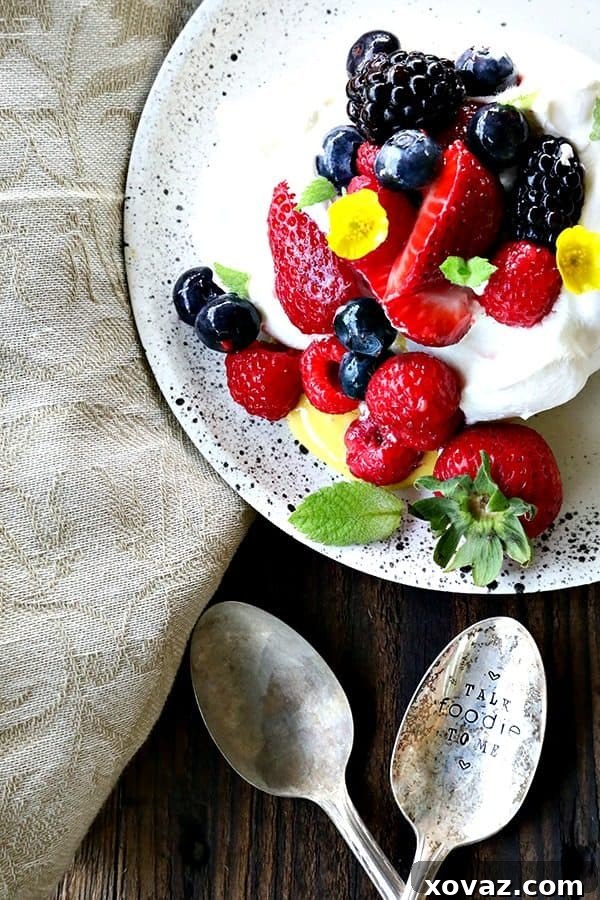
The beauty of mini pavlovas lies not just in their delicate texture but also in their versatility when it comes to toppings. The creamy, tart, or sweet additions perfectly complement the meringue’s crispness and marshmallowy interior. Feel free to use any of these ideas alone or combine them for a truly bespoke dessert experience!
- Lemon Curd, Lemon-Lime Curd, or Any Fruit Curd: A zesty curd adds a bright, tangy contrast that cuts through the sweetness of the meringue.
- Blueberry Sauce: A warm or chilled blueberry sauce, bursting with fruity flavor, makes a vibrant and delicious topping.
- Whipped Cream: A classic for a reason! Lightly sweetened whipped cream provides a cloud-like texture and rich creaminess that’s simply irresistible.
- Mixed Berries: A colorful medley of fresh strawberries, raspberries, blueberries, and blackberries offers natural sweetness and a beautiful presentation.
- Citrus Salad: A refreshing mix of grapefruit, orange, and lime segments, perhaps with a hint of mint, provides a sophisticated and tangy twist.
- Seasonal Fruit: Embrace the bounty of the season! Sliced peaches, kiwi, mango, or pomegranate seeds can transform your pavlovas with their unique flavors and textures.
Essential Tools for Crafting Your Mini Pavlovas
Having the right equipment at hand will make your pavlova-making experience smooth and enjoyable:
- Stand Mixer: A stand mixer is highly recommended for efficient and consistent whipping of egg whites, though a hand mixer can also work.
- Liquid Measuring Cup: For precise measurement of your liquid egg whites.
- Parchment Paper or Silpat Baking Mat: Absolutely essential for preventing sticking and easy removal of your delicate pavlovas.
- Half Sheet Pan: A sturdy baking sheet to support your pavlovas in the oven.
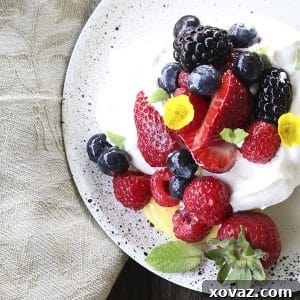
Perfect Mini Pavlova Recipe
Author: Rebecca Lindamood
Prep Time: 15 mins
Cook Time: 1 hr
Total Time: 1 hr 15 mins
Perfectly portioned, individually sized mini pavlovas. Ethereally light with a shatteringly crisp exterior and a marshmallowy interior, these personal pavs are what every summer needs!
Ingredients (Yields 12 servings)
- 1 1/2 cups granulated sugar
- 1 1/2 tablespoons cornstarch
- 3/4 cup liquid 100% egg whites (6 ounces)
- 1 1/2 teaspoons cream of tartar
- Pinch of salt
- 1 1/2 teaspoons pure vanilla extract
Instructions
- In a small mixing bowl, whisk together the granulated sugar and cornstarch until everything is evenly combined. Set aside.
- Preheat your oven to 275°F (135°C) with your oven racks arranged in the center. Line a half sheet pan or cookie sheets with parchment paper or Silpat baking mats.
- Pour the liquid egg whites into the bowl of a stand mixer fitted with a whisk attachment (or a large mixing bowl if using a hand mixer). Sprinkle the cream of tartar and salt over the surface, and begin whipping on low speed. After 30 seconds to 1 minute, raise the speed one setting. Slowly raise the speed every 30 seconds until you reach medium speed. Continue mixing on medium until the egg whites are frothy and the bubbles are small and even.
- Raise the mixer speed to medium-high, then begin using a spoon to slowly sprinkle the sugar mixture into the mixer, aiming for the wall of the mixer to avoid the sugar going POOF in your face. Do this about a tablespoon or so at a time, until all of the sugar has been incorporated. Let it go for about 3 to 4 minutes at this speed to help dissolve the sugar.
- Add the vanilla, raise the mixer to high speed, and whip until the whites are thick and glossy, reaching stiff peaks. This is likely to take about 4 to 5 minutes.
- On a parchment or Silpat-lined baking sheet, use two tablespoons (the eating kind) to portion about 10 to 12 mounds. Scoop the meringue with one spoon and use the second one to coax it from the first one onto the sheet. Be sure to leave ample space between the mounds for air to circulate. Use the spoons to make an indentation to hold whatever goodies you intend to use to top your mini pavlovas.
- Bake for 50-60 minutes, opening the oven door only once at about 30 minutes to rotate the pan from front to back, and -if using more than one pan- from top to bottom. Close the door as quickly and gently as possible and continue cooking for another 20-30 minutes, or until the exteriors are dry and crisp and the mini pavlovas can be easily lifted from the parchment without sticking.
- Allow the mini pavlovas to cool completely on the pan in the oven with the door closed.
- Top as desired.
- Store untopped mini pavlovas loosely wrapped at room temperature.
Nutrition
Calories: 110kcal, Carbohydrates: 26g, Protein: 1g, Sodium: 25mg, Potassium: 45mg, Sugar: 25g, Calcium: 1mg
Nutritional information is an estimate and provided to you as a courtesy. You should calculate the nutritional information with the actual ingredients used in your recipe using your preferred nutrition calculator.
Did you make this recipe?
Make sure to tag @foodiewithfam on Instagram and #hashtag it #foodiewithfamily so I can check it out!
If you love this Mini Pavlova Recipe, you’ll also adore these other excellent fruit desserts, perfect for any season!
- Berry Skillet Cake
- Triple Berry Choux Cake
- Berry Crumb Bake with Vanilla Glaze
- Big Batch Crisp Toppings and Any Fruit Crisps
- Whole Cherry Clafoutis
- Whiskey Peach Cobbler
- Modern Peaches and Cream Rice Pudding