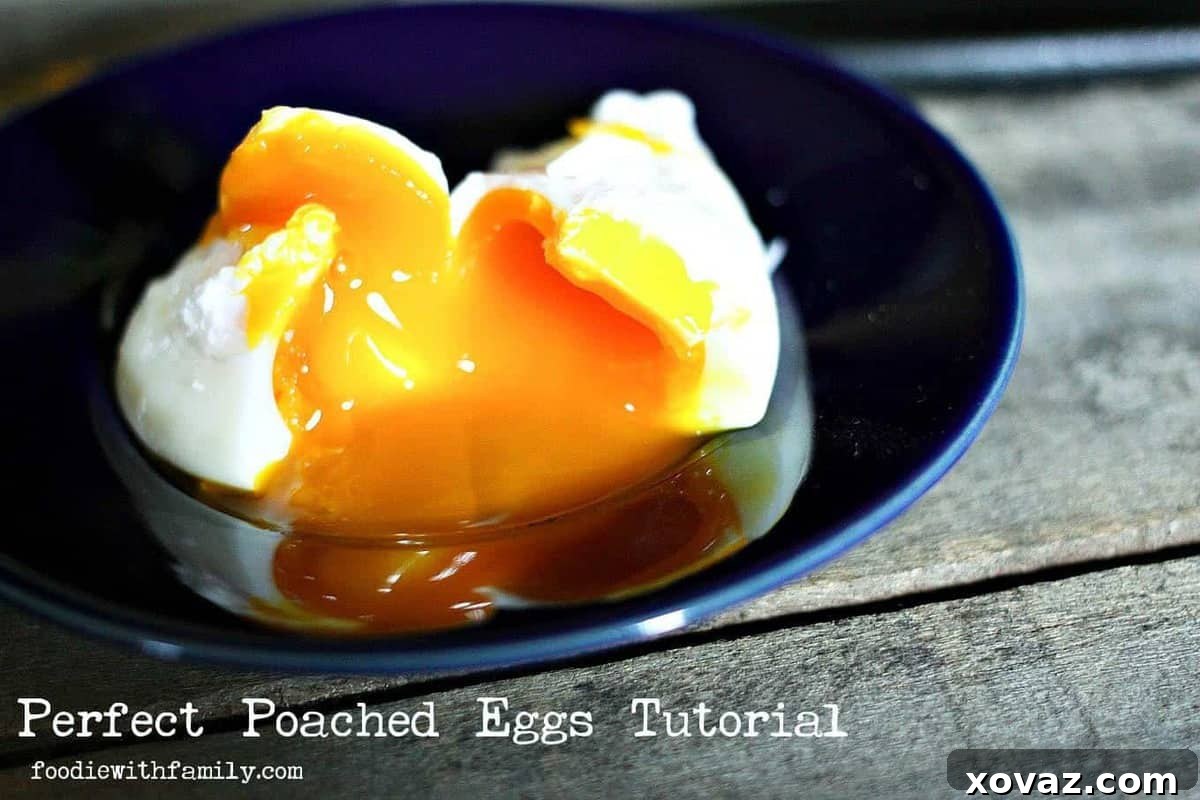
Unlock the secret to a perfect brunch and elevate your culinary skills with the art of poaching an egg. While it might seem intimidating at first, mastering how to poach an egg flawlessly transforms your breakfast and brunch repertoire. Imagine indulging in a beautifully poached egg on a crisp piece of toast, nestled atop a vibrant salad, or gracing the classic Eggs Benedict. Once you discover the simple techniques, a world of elegant and delicious possibilities awaits.
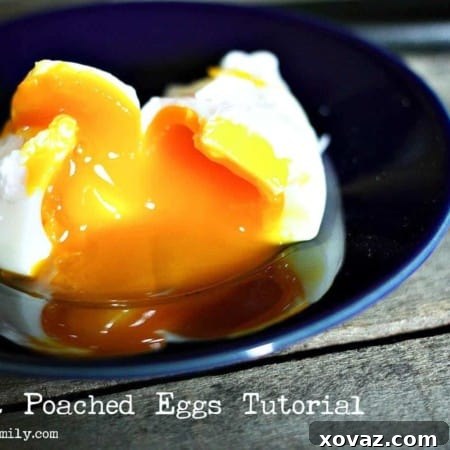
There’s a unique satisfaction that comes from a perfectly poached egg: the firm yet tender whites, delicately embracing a molten, golden yolk, just waiting to burst forth with a luxurious flow when your fork breaks through. This guide will walk you through achieving that ideal texture and presentation every single time, turning what many consider a culinary challenge into an effortless delight.
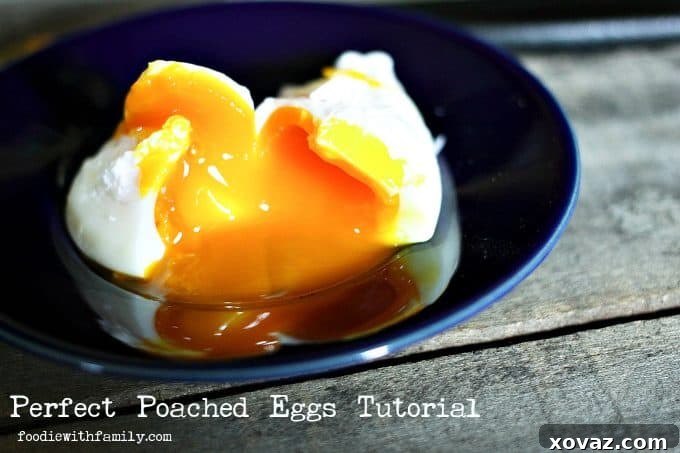
Achieving this level of perfection isn’t about complex maneuvers; it’s about understanding a few crucial, simple steps that ensure a tightly formed egg white around a perfectly cooked yolk. We’ll demystify the process, making it accessible for even the most novice home cooks.
Mastering the Art of Perfect Poached Eggs: A Foolproof Guide
The quest for the ideal poached egg often leads to frustration: wispy whites, overcooked yolks, or eggs that simply fall apart in the water. But fear not, for there’s a lesser-known yet incredibly effective technique that guarantees beautifully cohesive eggs with minimal effort. This method, honed through years of professional kitchen experience, addresses the common pitfalls of poaching, ensuring your eggs turn out pristine every time. It’s a simple trick that makes all the difference in achieving those coveted, perfectly formed poached eggs.
The Revolutionary Trick for Flawless Poached Eggs
What if I told you there’s a unique preparatory step that sets apart truly perfect poached eggs from the rest? This “secret trick” is surprisingly simple and rarely makes it into mainstream tutorials, yet it’s incredibly effective. Many might dismiss it as an extra step, but its impact on the final result is undeniable. Having experimented extensively both with and without this method, I can confidently say it consistently yields superior results.
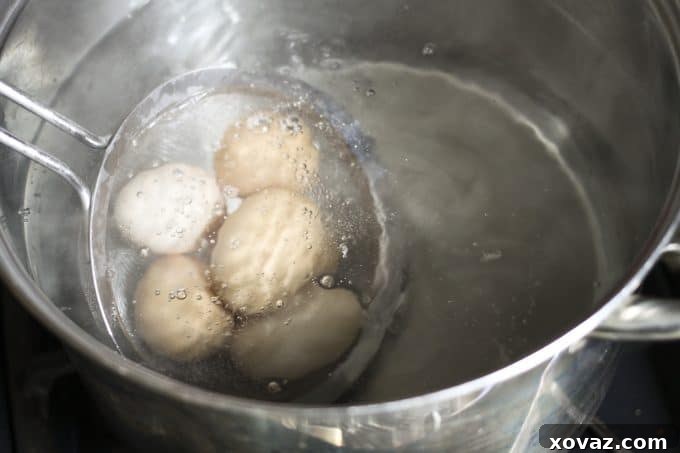
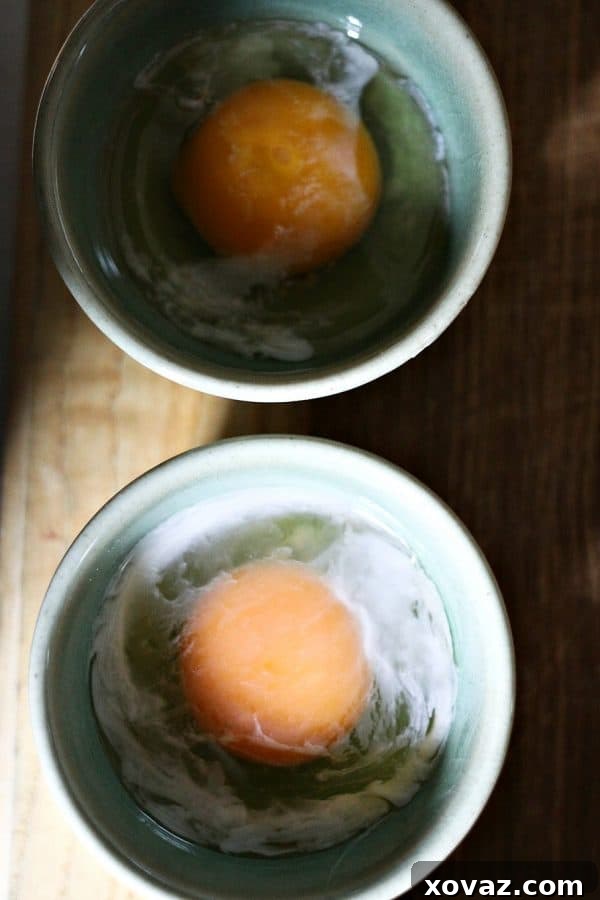
The trick involves briefly lowering room-temperature eggs—still in their shells—into boiling water for precisely 10 seconds. After this quick blanch, you crack each egg into its own ramekin. As you can observe in the image above, this brief exposure to heat causes the outermost layer of the egg whites to set ever so slightly. This pre-coagulation is crucial; it helps the whites hold together beautifully when they are gently introduced into the poaching water, preventing them from spreading out into wispy tendrils.
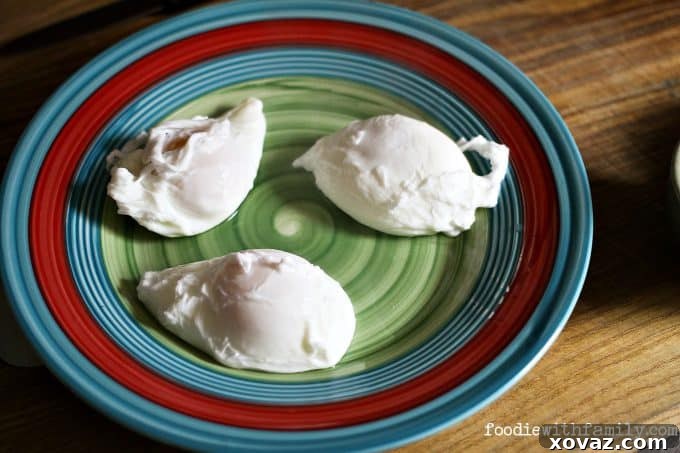
While you might occasionally encounter a tiny “tail” on one of the eggs, this technique largely ensures that your eggs remain compact and perfectly formed. The result is a much more aesthetically pleasing poached egg, a crucial element for any dish where presentation matters. After all, visually appealing food inherently enhances the dining experience.
Step-by-Step Guide to Perfect Poached Eggs
Beyond the blanching trick, several other elements contribute to the perfect poached egg. Here’s a more detailed breakdown of each critical step, ensuring you achieve consistent, delightful results every time you poach eggs.
1. Bring Eggs to Room Temperature
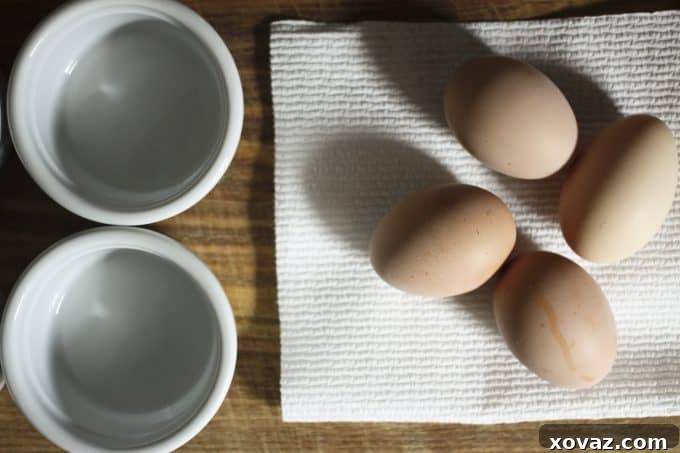
As briefly mentioned, allowing your eggs to come to room temperature for about 30 minutes before poaching is a fundamental step. There’s solid scientific reasoning behind this. Cold eggs, when dropped into warm water, experience a greater thermal shock, which can cause the whites to separate more readily and cook unevenly. Room temperature eggs, on the other hand, cook more uniformly and the whites set more consistently around the yolk, greatly aiding in the egg’s final appearance and texture. This simple preparation makes a significant difference.
2. Prioritize Cleanliness: Wash Your Egg Shells
This point might seem obvious, but it’s worth emphasizing: thoroughly wash your egg shells before dunking them into the boiling water for the 10-second blanch. This is particularly important if you source your eggs from backyard chickens, like many home cooks do, as shells can carry surface contaminants. Washing them ensures hygiene and allows you to use the same pot of water for both the initial blanching and the actual poaching, eliminating the need for two separate boiling pots and saving you time and effort.
3. The Ramekin Advantage
Always crack each individual blanched egg into its own small dish or ramekin before gently lowering it into the poaching water. This small step provides control and precision. It allows you to inspect the egg for any shell fragments and ensures a smooth, controlled entry into the water, preventing the egg from splattering or breaking apart.
4. Create a Vortex for Perfect Shaping
Before introducing your egg, create a vigorous vortex in the poaching water. Use a spoon to stir the water rapidly in a circular motion until a distinct whirlpool forms in the center. This vortex is not merely for show; it’s a brilliant technique to encourage the egg white to wrap snugly around the yolk as it descends into the water, resulting in that desirable compact, teardrop shape. Don’t be shy; swirl the water with enthusiasm!
5. Poaching Multiple Eggs
If you’re poaching more than one egg, maintain the vortex between each addition. After lowering the first egg, gently insert your spoon about a third of the way into the water and give it another swift twist or two. This re-establishes the swirling motion, preparing the water for the next egg and ensuring each egg receives the same optimal conditions for setting perfectly.
6. The Magic of Vinegar
Adding a splash of white wine or rice vinegar to your poaching water is a game-changer. Vinegar, an acid, helps to speed up the coagulation of egg whites. This means the whites will set faster and more firmly, minimizing feathering and helping the egg maintain its shape beautifully in the water. The amount is small enough that it won’t impart a noticeable flavor to your delicate eggs.
7. Timing for Desired Yolk Consistency
The timing is crucial for achieving your preferred yolk consistency. Here’s a general guide for perfect poached eggs in gently simmering water:
- 3 minutes: For whites that are fully set and yolks that are gloriously runny, perfect for a classic Eggs Benedict.
- 3.5 minutes: Results in set whites and yolks that are slightly thickened but still luxuriously gooey.
- 4 minutes: Delivers set whites and yolks that are nearly firm but still retain a soft, custardy center.
Adjust these times slightly based on the size of your eggs and your stove’s heat, but these provide an excellent starting point for consistent results.
8. Handling and Trimming
Once your eggs are perfectly poached, use a slotted spoon or a fish spatula to carefully lift them out of the water and transfer them to a clean plate. If any rogue egg white bits or tiny tails have formed, a quick trim with kitchen shears or a small paring knife will give them a professional, polished look. Consider it our little secret!
How to Poach Eggs Perfectly
Rate Recipe
By Rebecca Lindamood
Pin Recipe
Share on Facebook
Ingredients
- 2 quarts water in a soup pot
- 2 teaspoons white wine or rice vinegar
- 2 teaspoons kosher salt
- fresh eggs, at room temperature
Instructions
-
Bring the pot of water to a rolling boil. Using a slotted spoon, pasta drainer, or steaming basket, carefully lower the desired number of eggs (in their shells) into the boiling water. After exactly 10 seconds, lift the eggs back out of the water and drain them. Immediately crack each blanched egg into its own small dish or ramekin.
-
Add the vinegar and salt to the pot of boiling water, then reduce the heat to low. The water should be gently simmering with steam rising, not vigorously boiling. Insert a spoon and stir the water as vigorously as possible in a circular motion to create a strong vortex (whirlpool) without spilling water over the edges.
-
Quickly lower one of the ramekins close to the surface of the swirling water and gently tip the egg into the center of the vortex. If poaching more than one, give the water another quick swirl with the spoon (about 1/3 depth) before carefully adding each subsequent egg, up to two or three at a time, ensuring the water still has some motion.
-
Set a timer: 3 minutes for perfectly set whites and very runny yolks; 3 1/2 minutes for set whites and slightly thickened yolks; and 4 minutes for set whites and almost-set, custardy yolks.
-
Once cooked to your preference, use a slotted spoon to carefully lift the finished poached eggs from the water and transfer them to a clean plate or directly onto your serving dish. Trim any wispy edges with kitchen shears for a clean presentation if desired.
Nutritional information provided is an estimate and should be calculated with the actual ingredients used in your recipe using your preferred nutrition calculator for accuracy.
Did you make this recipe?
We’d love to see your perfect poached eggs! Make sure to tag @foodiewithfam on Instagram and use the hashtag #foodiewithfamily so we can admire your culinary creations!
Pin Recipe
Share on Facebook
Creative Ways to Enjoy Your Perfect Poached Eggs
Now that you’ve mastered the art of poaching, it’s time to explore the myriad of delicious ways to enjoy your perfectly cooked eggs. Poached eggs are incredibly versatile and can elevate almost any meal:
- Classic Breakfast & Brunch:
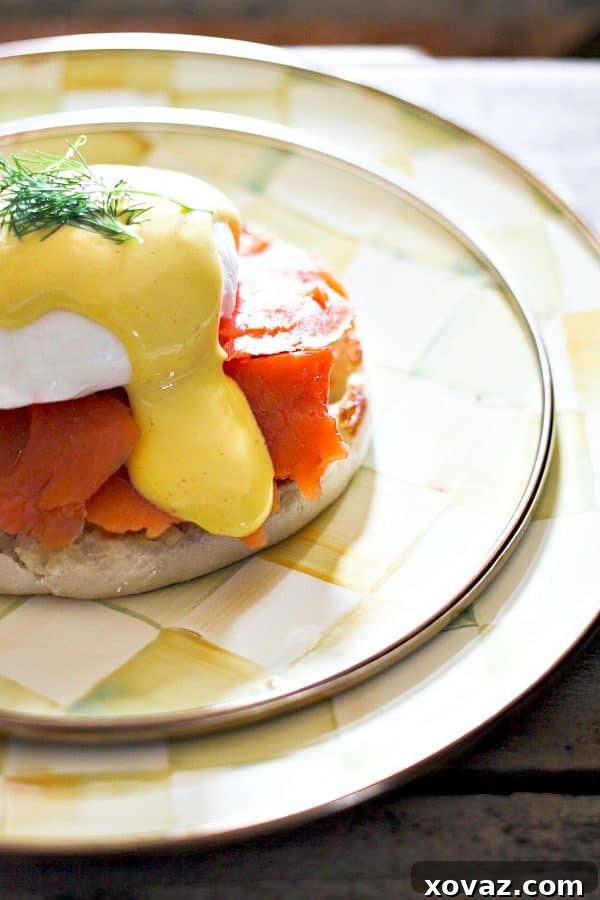
- Eggs Benedict: The quintessential choice! Serve two poached eggs on toasted English muffin halves, topped with Canadian bacon (or ham) and a generous drizzle of hollandaise sauce.
- Avocado Toast: A simple yet gourmet option. Top a slice of toasted artisanal bread spread with mashed avocado, a sprinkle of everything bagel seasoning, and a luscious poached egg.
- On Toast with Extras: Beyond plain toast, try serving poached eggs on sourdough with a smear of labneh, a sprinkle of za’atar, or alongside sautéed mushrooms and spinach.
- Full English/Irish Breakfast: Add a poached egg to your traditional fry-up for a lighter, yet equally satisfying, alternative to fried eggs.
- Salads & Bowls:
- Warm Grain Bowls: Place a poached egg on top of a hearty bowl of quinoa, farro, or brown rice mixed with roasted vegetables and a light vinaigrette. The runny yolk acts as a natural dressing.
- Spinach or Arugula Salad: A simple bed of greens, some cherry tomatoes, cucumber, and a poached egg make for a light, healthy, and satisfying lunch. Add some crispy bacon bits for extra flavor.
- Niçoise Salad Twist: Substitute hard-boiled eggs with perfectly poached ones for a richer texture in your Niçoise salad.
- Comfort Food & Dinner:
- Polenta or Grits: A creamy bowl of polenta or cheesy grits topped with a warm poached egg creates a comforting and filling meal, especially delicious with a dash of hot sauce.
- Asparagus with Poached Egg: A seasonal delight! Serve perfectly steamed or roasted asparagus spears with a poached egg, allowing the yolk to coat the tender vegetables.
- Soup Topping: Believe it or not, a poached egg can be a fantastic addition to certain soups, like a hearty lentil soup or a creamy tomato bisque, adding richness and protein.
- Shakshuka Alternative: While traditionally made with baked eggs, a poached egg can be gently placed into a simmering tomato and pepper sauce for a quick and flavorful take on shakshuka.
With these straightforward steps and a little practice, you’ll be creating restaurant-quality poached eggs right in your own kitchen. No more daunting brunches or less-than-perfect eggs. Embrace the joy of a perfectly poached egg and explore the endless culinary adventures it brings to your table!