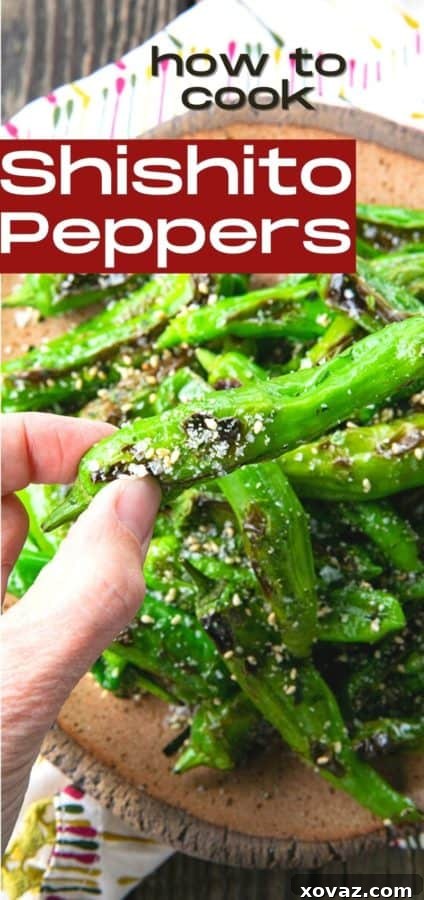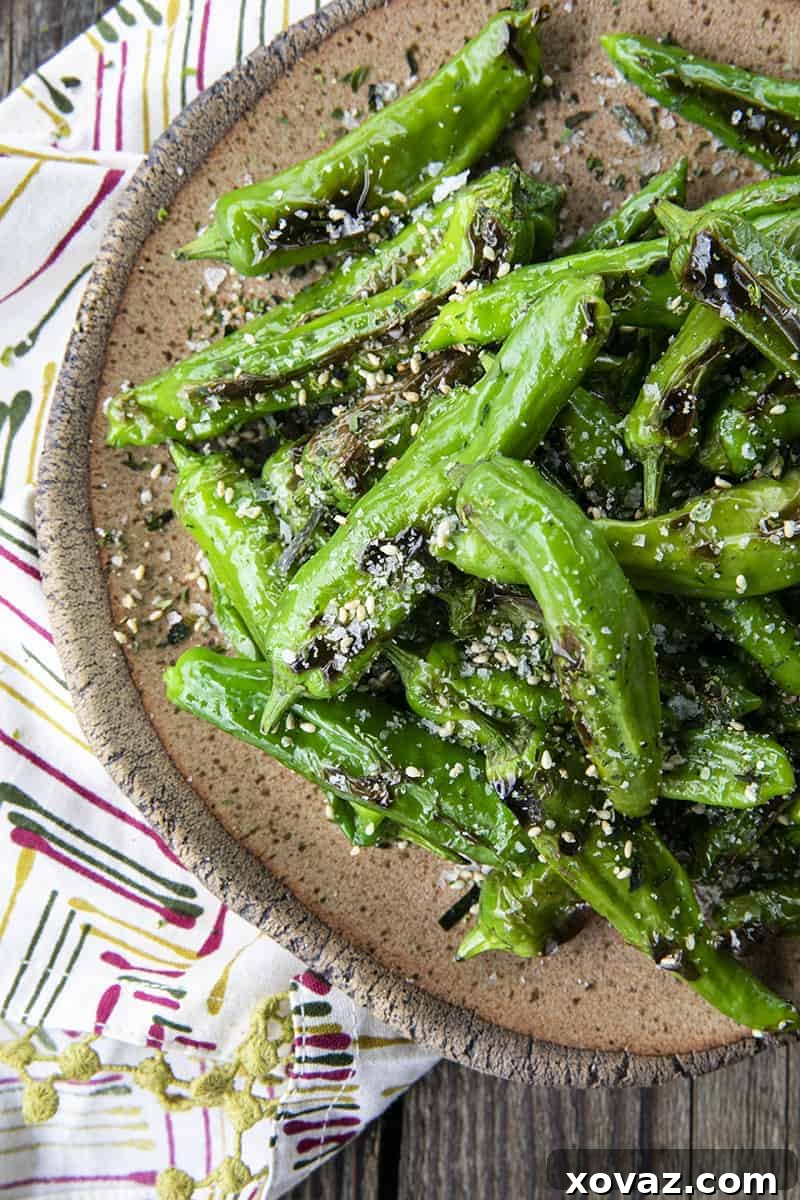
How to Cook Shishito Peppers: Your Ultimate Guide to Blistered & Grilled Perfection
Ever wondered what those vibrant, wrinkly green peppers are, or how to transform them into an irresistibly delicious snack or side dish? If you’re looking to effortlessly add a burst of savory flavor to your meals or elevate your appetizer game, you’ve come to the right place! Shishito peppers are wonderfully versatile, surprisingly easy to cook, and boast an addictive quality that will have everyone reaching for more. Whether you prefer them perfectly blistered in a hot pan or smoky from the grill, this comprehensive guide will teach you everything you need to know to prepare them like a pro.
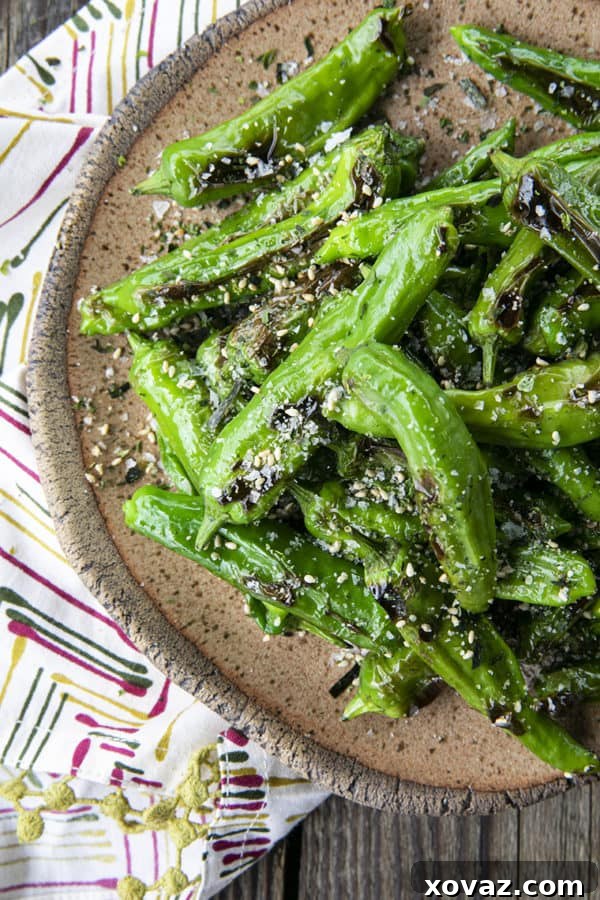
These delightful peppers are a culinary secret weapon for their simplicity and incredible taste. Lightly seasoned and quickly cooked, shishito peppers are poised to become your new favorite go-to appetizer or a fantastic accompaniment to a wide range of dishes. Picture them alongside grilled steak, pan-fried fish, or roasted chicken, or simply enjoyed on their own as a satisfying snack with your favorite craft beer or a refreshing cocktail.
What Are Shishito Peppers? A Culinary Delight
Shishito peppers, scientifically known as Capsicum annuum, are small, slender peppers originating from East Asia. You might have spotted their distinctive bright green color and wrinkled surface on restaurant menus or in the produce aisle, and perhaps wondered about their unique appeal. These thin-walled peppers cook incredibly fast, making them an ideal choice for a quick, impressive appetizer or a last-minute side dish.
Their name, “shishito,” is a portmanteau derived from the Japanese words “shishi” (meaning lion) and “tōgarashi” (meaning chili pepper), reportedly because the bulbous end of the pepper resembles a lion’s head. While most commonly associated with Japanese cuisine, where they are a popular snack often served alongside beer in izakayas, shishito peppers are also cherished in Korea, where they are known as kkwari-gochu (groundcherries), a nod to their crinkly skin resembling a different fruit. Their flavor is generally mild with a slightly sweet and earthy profile, which intensifies and gains a subtle smokiness when blistered or charred.
The Shishito Roulette: Are They Hot?
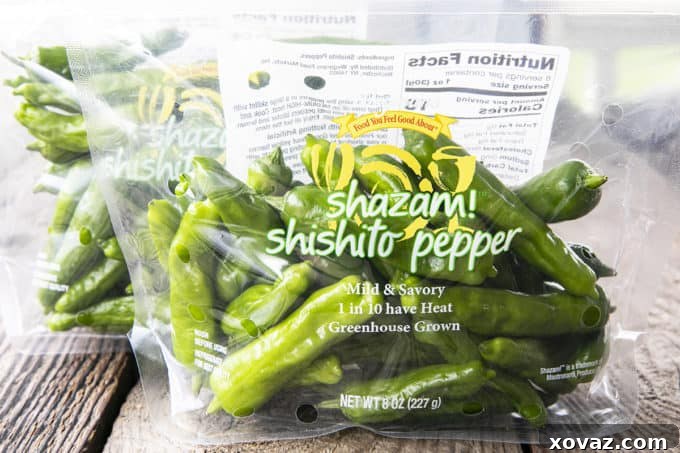
One of the most exciting aspects of eating shishito peppers is the element of surprise, often likened to a playful game of “culinary Russian roulette.” While the vast majority of shishito peppers are delightfully mild, every now and then—about 1 in every 10 to 20 peppers—you might encounter one with a noticeable kick. These spicier outliers are typically in the range of 50 to 200 Scoville Heat Units (SHU), which is quite gentle compared to a jalapeño, which can range from 2,500 to 10,000 SHU.
So, what causes this occasional heat? It’s largely due to genetic variations and environmental stressors like water availability or temperature fluctuations during growth. The good news is that even the “hot” shishitos deliver more of a pleasant tingle than a fiery inferno. The heat is brief, quickly dissipating on the palate, much like the pungent warmth of horseradish. This fleeting heat is just enough to wake up your tastebuds and add an exciting dimension to the experience, often leaving you eager for the next bite. Rest assured, you won’t be reaching for a glass of milk to quell a face-melting burn; it’s all part of the fun!
Health Benefits of Shishito Peppers
Beyond their delightful flavor and culinary versatility, shishito peppers are also a nutritious addition to your diet. They are an excellent source of several essential vitamins and minerals, contributing to overall well-being. These small green wonders are rich in:
- Vitamin A: Important for vision, immune function, and skin health.
- Vitamin C: A powerful antioxidant that supports the immune system and aids in collagen production.
- Vitamin E: Another antioxidant that protects cells from damage.
- B Vitamins: Crucial for energy metabolism and nerve function.
Additionally, shishito peppers are low in calories and provide dietary fiber, which supports digestive health. Their high antioxidant content helps combat free radicals in the body, making them a healthy and flavorful choice for snacking or as part of a balanced meal.
Choosing and Storing Shishito Peppers
To ensure you’re getting the best possible flavor and texture, selecting and storing your shishito peppers correctly is key.
How to Choose Fresh Shishito Peppers:
- Appearance: Look for peppers that are vibrant green, firm to the touch, and have a shiny skin. While their surface is naturally wrinkly, avoid any that appear soft, slimy, or discolored.
- Stem and Cap: The greener and fresher the cap and stem are, the more recently the peppers were harvested.
- Blemishes: A fresh shishito pepper should be free of significant blemishes or dark spots.
How to Store Shishito Peppers for Maximum Freshness:
Shishito peppers are best enjoyed fresh, but they can be stored to extend their shelf life:
- Keep Dry: Moisture is the enemy of fresh produce. Ensure the peppers are dry before storing them.
- Refrigeration: Place them in a paper bag or a loosely sealed plastic bag. Store them in the warmest part of your refrigerator, such as the crisper drawer.
- Shelf Life: When stored properly, fresh shishito peppers can last for up to 2 weeks.
- Color Variation: Don’t be alarmed if you find a red or orange shishito pepper in your bag. These are simply riper peppers and are still perfectly fine—and delicious—to eat, often possessing a slightly sweeter flavor.
Shishito peppers are generally available year-round in many grocery stores, but their peak season is typically during the summer and early fall. They are also relatively easy to grow in containers, allowing home gardeners to enjoy them fresh from their own patch.
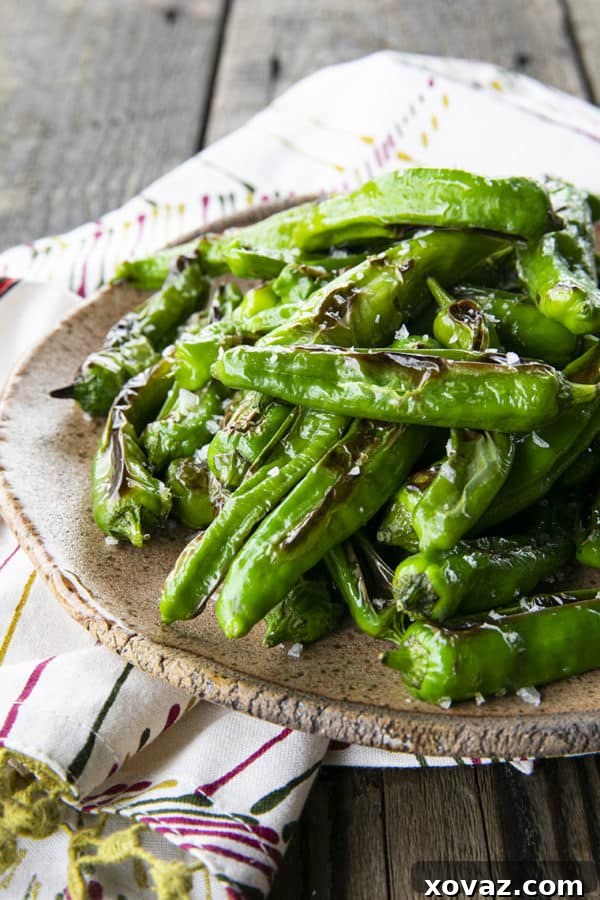
Essential Equipment and Ingredients for Shishito Peppers
Cooking shishito peppers requires minimal equipment and just a few simple ingredients, highlighting their effortless nature.
Equipment You’ll Need:
- Heavy-Bottomed Skillet or Grill: For pan-blistering, a cast iron skillet is highly recommended for its excellent heat retention and even cooking. A heavy stainless steel frying pan also works well. For grilling, any standard gas or charcoal grill will do.
- Tongs or Spatula: Essential for flipping the peppers evenly and safely.
- Toothpick or Small Skewer: For piercing the peppers, a crucial step we’ll discuss next.
- Optional for Grilling: Metal skewers are ideal for easy turning on the grill. If using bamboo skewers, remember to soak them in water for at least 30 minutes before grilling to prevent them from burning.
Simple Ingredients:
- Fresh Shishito Peppers: The star of the show!
- Neutral High Smoke Point Oil: Grapeseed, canola, sunflower, vegetable, extra light olive oil, or peanut oil are all excellent choices. These oils can withstand high heat without breaking down or imparting a strong flavor, allowing the natural taste of the peppers to shine.
- Salt: Coarse sea salt, such as flaky Maldon salt, is perfect for its texture and clean flavor. Furikake (a Japanese seasoning blend, often containing sesame seeds, nori, and other seasonings) is another fantastic option for an umami kick.
- Optional Seasonings: Soy sauce or liquid aminos for added depth, and toasted sesame seeds for a nutty crunch.
The Golden Rule: Don’t Forget to Pierce!
Before you cook your shishito peppers, regardless of the method, there’s one simple but important step: poke a small hole in each pepper. This can be done quickly with a toothpick or a thin skewer, running it from side to side. Why is this important? The thin walls of shishito peppers mean steam can build up rapidly inside during cooking, potentially causing them to “explode.” Piercing them allows this steam to escape, preventing messy bursts and ensuring a more aesthetically pleasing, evenly cooked pepper. While not strictly necessary for safety, it certainly enhances the cooking experience and the final presentation.
Mastering Blistered Shishito Peppers (Pan-Fried Method)
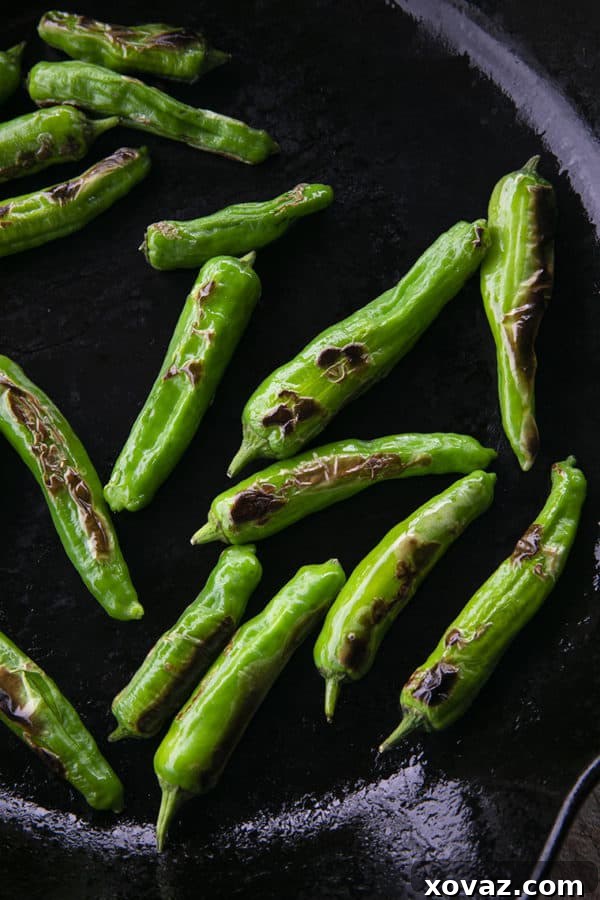
The pan-fried method, resulting in beautifully blistered shishito peppers, is often lauded as the easiest and most flavorful way to prepare them. This technique yields peppers that are tender-crisp with delightful pockets of smoky char.
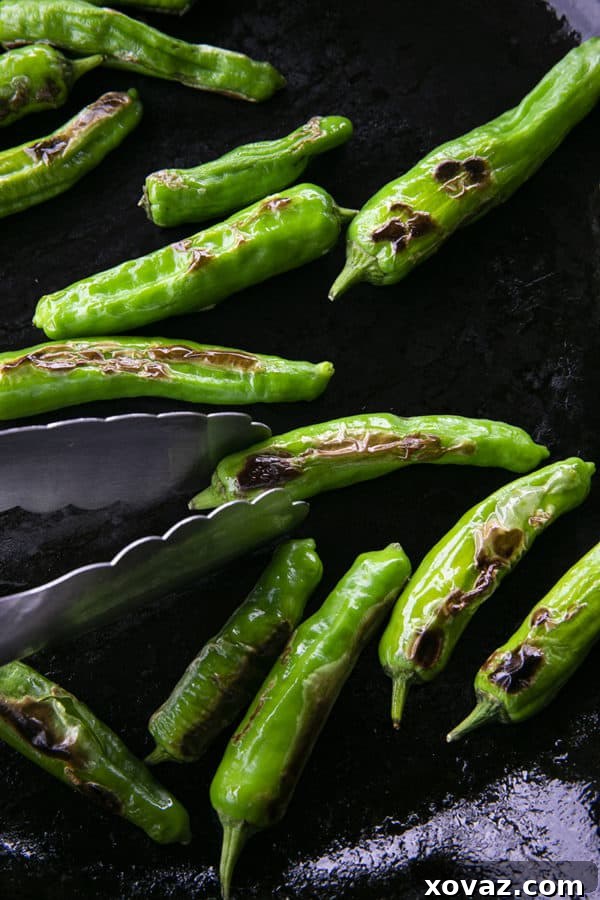
Step-by-Step Instructions for Pan-Blistering:
- Prepare Peppers: Wash your fresh shishito peppers thoroughly and pat them completely dry. Using a toothpick or small skewer, poke a small hole in the side of each pepper.
- Heat the Pan: Place a heavy-bottomed skillet (preferably cast iron) over medium-high heat. Allow the pan to heat until it’s screaming hot – you should feel significant heat rising when you hold your palm a few inches above the surface. This high heat is crucial for achieving that desirable blister.
- Add Oil: Carefully swirl a thin layer of your chosen neutral, high smoke point oil into the hot pan.
- Cook the Peppers: Add the prepared shishito peppers to the pan in a single layer. Give the pan a quick shake to distribute them, then resist the urge to stir or shake for the next 1 to 2 minutes. This undisturbed cooking time is essential for developing a good blister and char on the first side. You’ll hear sizzling and popping as they cook.
- Flip and Finish: Once the bottoms of the peppers are blistered and show some charred areas, use tongs to flip them over. Continue cooking for another 1 to 2 minutes, allowing the other sides to blister and char.
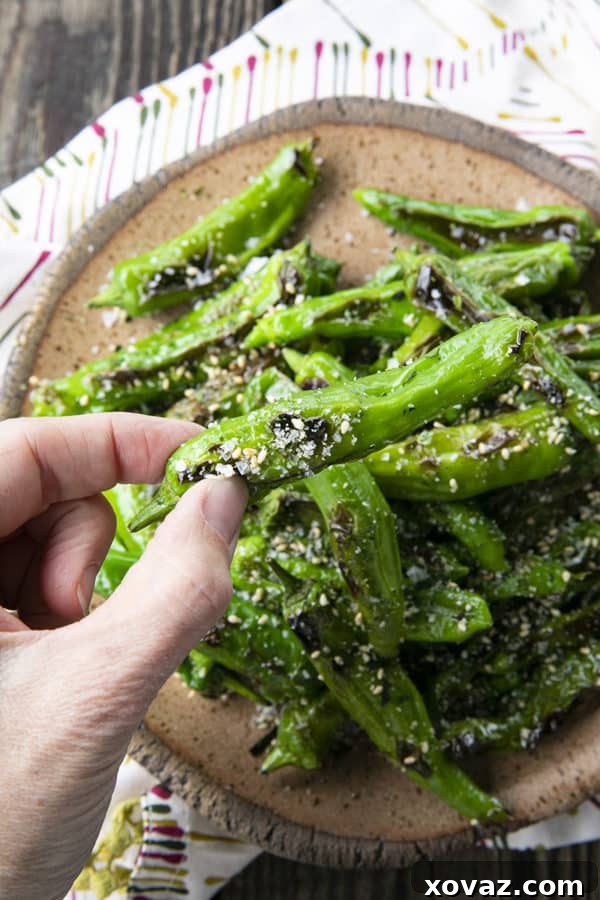
- Transfer and Season: Once cooked to perfection, transfer the peppers to a paper towel-lined plate to blot off any excess oil. Then, move them to a serving dish. Drizzle lightly with soy sauce or liquid aminos, and sprinkle generously with coarse flaked sea salt (like Maldon) or furikake.
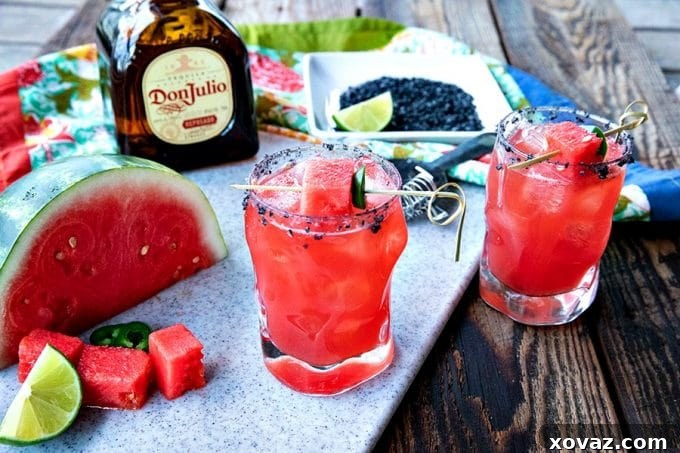
Serve immediately and enjoy with wild abandon! These blistered beauties pair wonderfully with an ice-cold beer or iced tea. For a more festive occasion, consider serving them alongside a vibrant Watermelon Margarita (a.k.a. Sandia En Fuego) or refreshing Pure Sweet and Puckery Lime Sorbet and Summer Shandy Beer Floats.

Grilling Shishito Peppers for a Smoky Twist
If your grill is already fired up for other dishes, grilling shishito peppers is an excellent alternative to pan-frying. This method imparts a fantastic smoky flavor and a beautiful char, offering a slightly different, but equally delicious, experience.
Step-by-Step Instructions for Grilled Shishito Peppers:
- Prepare Peppers & Skewers: Wash and thoroughly dry your shishito peppers. If using bamboo skewers, soak them in water for at least 30 minutes to prevent burning. Metal skewers do not require pre-soaking.
- Preheat Grill: Build a bed of hot coals for a charcoal grill or preheat a gas grill to high heat.
- Oil and Skewer: In a mixing bowl, toss the dried shishito peppers with a thin layer of neutral, high smoke point oil. Thread several peppers onto each skewer, piercing them from side to side rather than end to end. This side-to-side threading makes them easier to turn on the grill. The act of skewering effectively creates the necessary hole for steam release.
- Grill the Peppers: Arrange the skewered peppers on the hot grill. Grill until you hear sizzling and popping, and the peppers are blistered all over with some noticeable charred areas. This typically takes about 2 to 5 minutes per side, depending on the intensity of your grill’s heat.
- Serve: Once cooked, remove the skewers from the heat and carefully slide the shishito peppers onto a serving dish. Season with a drizzle of soy sauce or liquid aminos and a generous sprinkle of flaked sea salt or furikake.
Grilled shishito peppers make an outstanding accompaniment to barbecue feasts. Consider serving them alongside Korean Barbecue Grilled Flat Iron Steak, Crispy Smoked Chicken Wings, or a Smoked Whole Chicken. You can easily toss them on the grill while your main course is cooking!
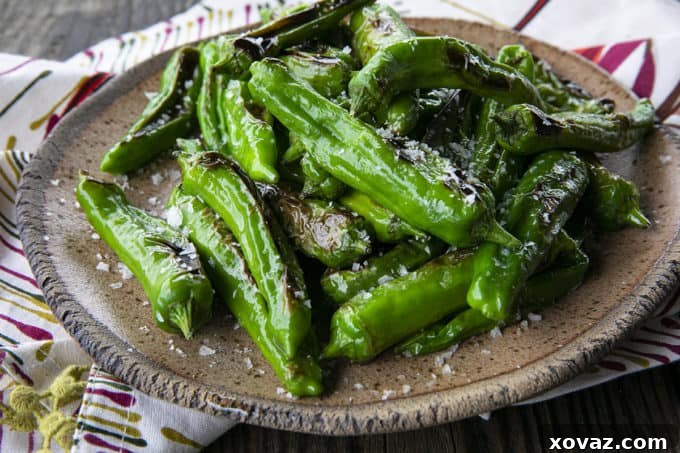
Flavor Enhancements and Perfect Pairings
While simple salt and soy sauce are fantastic on shishito peppers, don’t hesitate to experiment with other seasonings and serving ideas to elevate your dish.
Creative Seasoning Ideas:
- Citrus Brightness: A fresh squeeze of lime or lemon juice after cooking adds a vibrant, tangy counterpoint.
- Nutty Crunch: Sprinkle with toasted sesame seeds for added texture and a rich, nutty flavor.
- Japanese Spice: A dash of Togarashi (Japanese seven-spice blend) brings a complex mix of chili, orange peel, sesame, and seaweed flavors.
- Garlic Infusion: Add a tiny amount of very finely minced garlic or garlic powder during the last minute of cooking (be careful not to burn it) for an aromatic kick.
- Umami Boost: A sprinkle of nutritional yeast can add a cheesy, umami depth.
Versatile Serving Suggestions:
- Ultimate Appetizer: Serve them hot as a stand-alone appetizer, perhaps with a side of aioli or a spicy dipping sauce.
- Bar Snack Extraordinaire: A perfect accompaniment to your favorite beer, sake, or cocktails, just like in Japanese izakayas.
- Dynamic Side Dish: Pair with virtually any grilled or roasted protein, from chicken and beef to fish and tofu. They are also excellent with rice bowls, noodles, or simple scrambled eggs.
- Salad and Bowl Topping: Chop cooked shishitos and sprinkle them over salads, grain bowls, or tacos for a burst of flavor and a gentle heat.
- Stir-Fries: Add them to the end of a stir-fry for a quick, tender addition.
Shishito Pepper Frequently Asked Questions (FAQ)
Here are answers to some common questions about shishito peppers:
- How spicy are shishito peppers? Most shishito peppers are quite mild, with only about 1 in 10 to 20 having a moderate, fleeting spiciness. It’s a fun surprise, not an overpowering heat!
- What do shishito peppers taste like? They have a mild, slightly sweet, and earthy flavor. When cooked, they develop a wonderful savory, smoky note.
- What does “shishito” mean? The name is Japanese, combining “shishi” (lion) and “tōgarashi” (chili pepper), referring to the pepper’s resemblance to a lion’s head.
- How do I know if shishito peppers are fresh? Look for peppers that are firm, shiny, and vibrant green. The stem and cap should also be green and crisp. Avoid any that are soft, slimy, or have dark spots.
- Can I eat red shishito peppers? Absolutely! Red or orange shishito peppers are simply ripe peppers. They are still perfectly edible and often have a slightly sweeter flavor than their green counterparts.
- Are shishito peppers healthy? Yes, they are! Shishito peppers are a good source of Vitamins A, C, E, and B vitamins, along with antioxidants and dietary fiber. They are low in calories, making them a healthy snack.
- How should I store shishito peppers? Keep them dry in a paper or loosely sealed plastic bag in the warmest part of your refrigerator (usually the crisper drawer). They will typically last for up to 2 weeks.
- Where do shishito peppers come from? They originated in East Asia and were popularized in Japan and Korea, where they are a common culinary ingredient and snack.
- Can I grow shishito peppers? Yes, shishito peppers are known for being easy to grow, even in containers, making them a great option for home gardeners. While available year-round, their natural growing season peaks in summer and early fall.
Easy Blistered & Grilled Shishito Peppers Recipe
This quick and easy method will teach you how to cook shishito peppers perfectly and effortlessly. With this recipe, these savory, deliciously addictive peppers will become a favorite side dish or snack with beer and cocktails!
How to Cook Shishito Peppers
By Rebecca Lindamood
These quick and easy methods will teach you how to cook shishito peppers perfectly. Delightfully blistered or grilled, these savory peppers are a favorite snack or side dish!
Equipment
- Cast iron skillet or heavy stainless steel skillet
- Tongs or spatula
- (Optional for grilling) Metal skewers or bamboo skewers
- Toothpick or small skewer for piercing
Ingredients
- 8 ounces fresh shishito peppers
- 1 teaspoon grapeseed oil (or another neutral high smoke point oil like canola, vegetable, extra light olive oil, or peanut oil)
- 1 teaspoon flaked sea salt or furikake, plus more to taste
- Optional: soy sauce or liquid aminos for drizzling
Instructions
Pan-Blistered Shishito Peppers
- Wash and thoroughly dry shishito peppers. Poke a small hole in each pepper using a toothpick or small skewer.
- Place a heavy-bottomed cast-iron or stainless steel skillet over a medium-high burner. Heat until very hot. Swirl the oil over the bottom of the pan.
- Add peppers in a single layer. Shake the pan to distribute, then leave undisturbed for 1-2 minutes until sizzling, popping, and the bottoms are blistered and charred.
- Use tongs to flip the peppers. Repeat for another 1-2 minutes until other sides are blistered and lightly charred.
- Transfer to a paper towel-lined plate to blot excess oil, then to a serving dish. Season generously with soy sauce or liquid aminos and flaked sea salt or furikake. Serve immediately.
Grilled Shishito Peppers
- If using bamboo skewers, soak them in water for 30 minutes. Build a bed of hot coals or preheat a gas grill to HIGH.
- In a mixing bowl, toss the shishito peppers with the oil. Skewer the peppers from side to side, threading several onto each skewer.
- Arrange the skewered peppers on the hot grill. Grill until sizzling, popping, and the bottoms are blistered and charred (2-5 minutes, depending on grill heat).
- Use tongs to flip the peppers. Repeat for another 2-4 minutes until the other sides are blistered and lightly charred.
- Slide the peppers off the skewers onto a serving dish. Season with soy sauce or liquid aminos and a generous sprinkle of flaked sea salt or furikake. Serve immediately.
Nutrition (per serving, estimated)
- Calories: 40 kcal
- Carbohydrates: 5g
- Protein: 1g
- Fat: 2g
- Saturated Fat: 1g
- Sodium: 1166mg
- Potassium: 199mg
- Fiber: 2g
- Sugar: 3g
- Vitamin A: 420 IU
- Vitamin C: 91mg
- Calcium: 12mg
- Iron: 1mg
Nutritional information is an estimate and provided to you as a courtesy. You should calculate the nutritional information with the actual ingredients used in your recipe using your preferred nutrition calculator.
Did you make this recipe?
We’d love to see your delicious creations! Make sure to tag @foodiewithfam on Instagram and use the hashtag #foodiewithfamily so we can check it out!