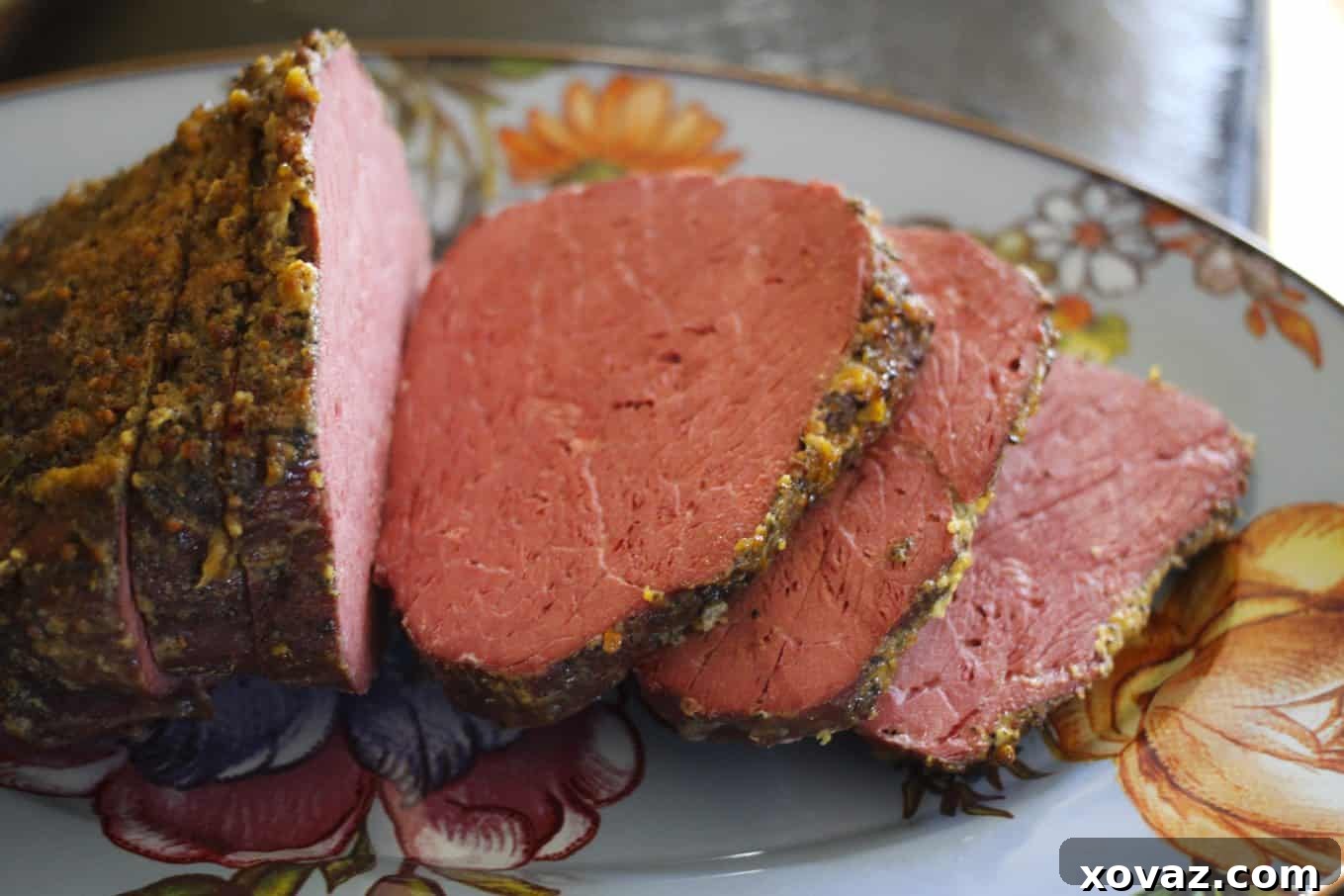
Updated Post: Growth is fun, isn’t it? Scroll to the bottom to see original (horrible) photos!
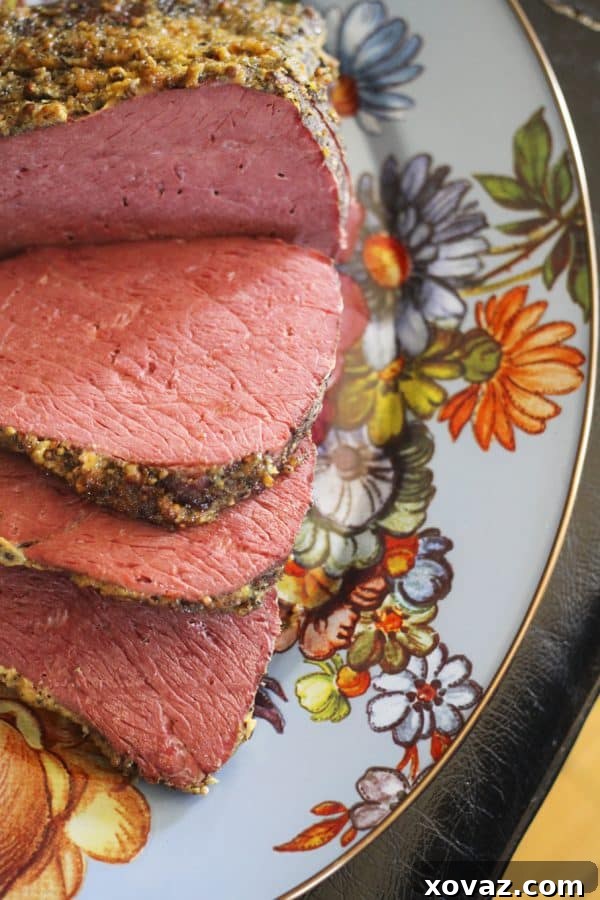
The Ultimate Glazed Corned Beef: Your New St. Patrick’s Day Tradition
I know I promised to deliver this recipe sooner, but sometimes life throws curveballs – or in my case, five kids with a 24-hour stomach bug! Rest assured, there was a very good reason for pushing this off until today, and I think that single sentence says it all, right?
Today, however, the sun is shining, the temperature is mild for March, and the kids are all better and happily playing outside. So, with peace restored and hunger on the horizon, let’s finally get our corned beef on, shall we? Prepare to elevate your St. Patrick’s Day feast, or any family dinner, with a recipe that promises to be nothing short of extraordinary.
Why This Isn’t Your Grandma’s Boiled Corned Beef (And Why That’s a Good Thing!)
When I declared that this corned beef is the “be all and end all,” I truly meant it. Corned beef has always held a special place in my heart; it was one of the savory delights that lured me back to the meat side after many years as a vegetarian (along with kielbasa and, oh, sweet ham!). A good old-fashioned boiled corned beef, served with its customary cabbage and potatoes, is certainly nothing to sniff at. It’s comforting, classic, and deeply satisfying. But a few years ago, after discovering ‘The Good Stuff Cookbook’ by Helen Witty, I stumbled upon a game-changing technique: glazing my corned beef.
The inspiration struck when I made her Golden Crunchy Pickled Onion Rings and noticed the suggestion for using the leftover syrup as a glaze. Lo and behold, while preparing our annual St. Paddy’s feast, I discovered a semi-eaten jar of those very onions in the fridge. It felt like fate. I decided to give it a go, and from the moment we sank our teeth into that brisket, there was no going back. This simple addition performs an incredible alchemy, transforming the humble brisket into something spectacular. The inside remains a vibrant pinkish-red, incredibly tender and juicy, while the outside boasts a sweet, tangy, and irresistibly crackling crisp crust. It is, without a doubt, the ultimate corned beef experience you’ve been searching for.
Forgive me for waxing rhapsodic again, but some dishes truly deserve all the praise they can get. My kids are currently desperate for someone to fling them around the yard on a huge wagon, so I’ll spare you further poetic declarations. Don’t ask. Just make this corned beef. I am genuinely excited to hear your feedback on the recipe. In case I haven’t mentioned it enough, I truly love hearing about your experiences with the recipes you try here. You. Complete. Me.
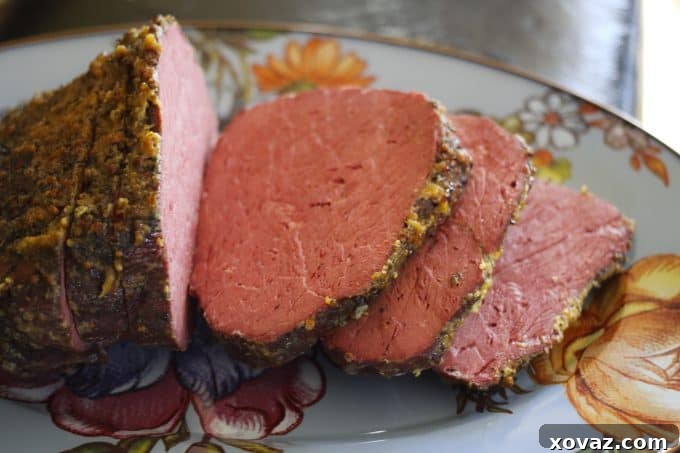
Selecting the Perfect Corned Beef Brisket
Choosing the right cut of corned beef brisket is the first step to culinary success. You’ll typically find two main cuts: the “flat” cut and the “point” cut. The flat cut, also known as the “first cut,” is leaner and cooks up into neat, uniform slices, making it ideal for sandwiches and presentation. The point cut, or “second cut,” is fattier and more marbled, offering a richer flavor and a more shreddable texture, perfect for hash or pulled corned beef. For this glazed recipe, either cut works beautifully, but a flat cut often provides a more even surface for the glaze to adhere and crisp up.
Look for a brisket weighing around 3 pounds, which is a good size for most family meals. While many briskets come pre-packaged with a small spice packet, don’t rely solely on it for this recipe. We’ll be adding extra spices to ensure a deeply flavorful boil.
Mastering the Boil: Achieving Fork-Tender Perfection
The secret to an incredibly tender corned beef lies in a slow, patient boil (or rather, a simmer). This initial cooking stage is crucial for breaking down the tough fibers of the brisket and infusing it with flavor.
Begin by removing your corned beef from its packaging and giving it a good rinse under cool, clean water. This helps remove any excess brine from the packaging. Place the rinsed brisket in a large stockpot, ensuring it’s comfortable and not cramped. Cover the meat with cool water by about 3 inches; this allows for sufficient liquid throughout the long simmering process. Now, add your pickling spices. Even if your brisket came with a packet, augment it with additional spices to truly enhance the aroma and taste of the meat. Place the pot over medium-high heat, uncovered, and bring it to a rolling boil. As it heats, you’ll likely see some scum rise to the surface. Skim this off with a spoon or ladle to keep your broth clear and clean.
Once boiling, reduce the heat to a gentle simmer. The water should be barely bubbling, not violently boiling. Allow the brisket to simmer, uncovered, for at least 3 hours, or until it is incredibly fork-tender. The exact time can vary depending on the size and cut of your beef, so plan ahead and be patient. This part of the process can even be completed up to two days in advance. If you opt to cook it ahead, simply remove the brisket from the water once tender, wrap it tightly in plastic wrap, and refrigerate. About an hour before you plan to serve, remove it from the fridge, allow it to sit at room temperature for about 20 minutes, and then proceed with the glazing steps.
Crafting the Irresistible Glaze: A Sweet and Tangy Secret Weapon
The glaze is truly what sets this corned beef apart, transforming it from good to absolutely glorious. The beauty of this recipe lies in its adaptability when it comes to the glaze’s liquid component. My initial inspiration came from the syrup left over from Golden Crunchy Pickled Onion Rings. However, any sweet pickle brine or bread and butter pickle syrup will yield fantastic results. These brines provide a perfect balance of acidity and sweetness that, when combined with brown sugar and heat, creates that desirable sticky, tangy crust.
The brown sugar, whether dark or light, adds a deep caramel note and helps to create that glorious crackling texture. When it melts and bubbles with the pickle brine under high heat, it forms a lacquered, flavor-packed coating that adheres beautifully to the brisket. This combination of sweet, sour, and savory is what makes each bite utterly melt-in-your-mouth delicious, with a sticky, tangy glaze that will have everyone asking for seconds.
The Grand Finale: Glazing for that Golden, Crispy Crust
Once your brisket is wonderfully tender from its long simmer, it’s time for the show-stopping glaze. Preheat your oven to a blazing 450°F (230°C) with an oven rack positioned in the center. Carefully transfer the cooked brisket to a roasting dish, ensuring the fat side is facing up. This fat layer will render down beautifully, contributing to the glaze and keeping the meat moist.
Generously drizzle your chosen pickled onion syrup (or sweet pickle brine or bread and butter pickle syrup) over the entire surface of the brisket. Then, evenly sprinkle the brown sugar over the top, gently patting it down to help it adhere to the moist surface. The combination of the pickle brine and brown sugar will create a magical transformation in the oven.
Place the roasting dish in the preheated oven and bake, basting occasionally with any pan drippings or additional pickle syrup. Keep a close eye on it; you’re looking for the coating to bubble up, caramelize, and form a gorgeous, crispy crust. This process typically takes between 15 and 25 minutes, depending on the specifics of your oven and your preference for crispiness. We personally love ours flecked with little charred areas, which add an extra layer of flavor and texture.
Once the glaze has reached your desired level of perfection, remove the brisket from the oven. It’s crucial to let the beef rest for at least 20 minutes before attempting to slice it. This resting period allows the juices to redistribute throughout the meat, ensuring every slice is as tender and succulent as possible. Then, slice against the grain and prepare for a chorus of delighted sighs!
Essential Cook’s Notes for Corned Beef Success
- Pickling Spices are Key: While many corned beef briskets are packaged with a small sachet of pickling spices, they often don’t contain enough for this recipe’s deep flavor. Don’t hesitate to augment what’s provided. You can find excellent mixed pickling spices at local bulk food stores, spice shops, or even the spice aisle of your regular grocery store. A generous amount makes a significant difference.
- Glaze Versatility: The heart of our exceptional glaze is the sweet and tangy liquid. Leftover pickled onion ring syrup is fantastic, but any sweet pickle brine or bread and butter pickle syrup will work beautifully. Experiment to find your favorite – each will lend a slightly different nuance to the final flavor. The goal is a melt-in-your-mouth brisket with that signature sticky, tangy crust.
- Pre-cooking Advantage: Don’t feel pressured to cook the entire dish in one go. The initial boiling of the brisket can be done up to two days in advance. Cook it until fork-tender, then wrap it tightly in plastic wrap and refrigerate. On serving day, just bring it to room temperature for about 20 minutes before proceeding with the glazing step. This flexibility makes holiday meal prep much smoother!
- Serving Suggestions: This glazed corned beef is magnificent served with classic accompaniments like boiled potatoes, tender cabbage wedges, carrots, and a dollop of coarse grain mustard. For a slightly different twist, serve it with roasted root vegetables or a creamy potato gratin.
Ultimate Glazed Corned Beef
Inspired by Helen Witty’s “Good Stuff Cookbook”
Rebecca Lindamood
Ingredients
- 1 corned beef brisket (about 3 pounds)
- 1 1/2 Tablespoons pickling spices
- 1 cup brown sugar (dark or light)
- 1/2 cup pickled onion ring syrup (or sweet pickle brine or bread and butter pickle syrup)
Instructions
- Remove corned beef from packaging and rinse thoroughly in clean, cool water.
- Place the rinsed brisket in a large stockpot and cover with cool water by 3 inches. Add the pickling spices. Place the pan over medium-high heat, uncovered. Bring to a boil, then carefully skim off any foam or scum that rises to the surface. Lower the heat to a gentle simmer and allow to simmer, uncovered, for at least 3 hours or until the brisket is easily pierced with a fork (fork tender).
- Cook’s Note: This simmering process may take longer depending on the specific cut and weight of your beef. Plan ahead, as this part can be done well before the meal is served. If you are preparing the brisket up to two days in advance, simply remove the meat from the water once cooking is complete, wrap it tightly in plastic wrap, and refrigerate. When ready to glaze, remove the chilled brisket from the fridge, allow it to sit at room temperature for 20 minutes, then proceed with the remaining steps.
- Preheat your oven to 450°F (230°C) with an oven rack positioned in the center. Place the tender brisket on a roasting dish, fat side up. Drizzle the pickled onion syrup (or your chosen pickle syrup) evenly over the top. Sprinkle the brown sugar evenly over the surface, gently patting lightly to help it adhere to the meat.
- Place the roasting pan in the preheated oven and bake. Baste occasionally with the pan drippings or additional pickle syrup if needed. Continue baking until the brown sugar and syrup coating has bubbled into a beautiful, crispy, and caramelized crust. This typically takes between 15 minutes and 25 minutes, depending on your oven and how crispy you desire the crust to be. We enjoy ours with small, slightly charred areas for extra flavor.
- Once the glaze is perfectly formed, remove the beef from the oven and let it rest for a minimum of 20 minutes before slicing. This allows the juices to redistribute, ensuring a moist and tender cut. Slice against the grain and serve immediately.
Nutritional information is an estimate and provided to you as a courtesy. You should calculate the nutritional information with the actual ingredients used in your recipe using your preferred nutrition calculator.
Make This Recipe Your Own!
There’s nothing more rewarding than seeing your culinary creations. If you make this Ultimate Glazed Corned Beef, please share your experience! Make sure to tag @foodiewithfam on Instagram and use the hashtag #foodiewithfamily so I can celebrate your delicious achievements!
Print Recipe
Pin Recipe
Share on Facebook
Beyond the Main Course: Creative Leftover Ideas
One of the best things about making a large corned beef brisket is the joy of leftovers! This Ultimate Glazed Corned Beef is so flavorful, it truly shines in a variety of dishes, ensuring no delicious morsel goes to waste.
- Corned Beef Hash: This is perhaps the most iconic leftover transformation. Dice your cooked corned beef and combine it with cooked potatoes and onions, then pan-fry until crispy. Serve with a fried egg for a hearty breakfast or brunch.
- Reuben Sandwiches: Layer thinly sliced glazed corned beef with sauerkraut, Swiss cheese, and a generous slather of Russian or Thousand Island dressing between slices of toasted rye bread. Grill or pan-fry until the cheese is melted and the bread is golden. An absolute classic!
- Reuben Egg Rolls: For a creative twist, chop the corned beef, mix with sauerkraut and Swiss cheese, then wrap in egg roll wrappers and deep-fry or air-fry until golden and crispy. Serve with Thousand Island dipping sauce.
- Corned Beef and Cabbage Soup: Transform your leftovers into a comforting soup. Sauté some onions, carrots, and celery, then add diced corned beef, leftover cabbage, potatoes, and beef broth. Simmer until heated through for a warming meal.
- Corned Beef Sliders: Pile thinly sliced corned beef onto mini buns with a touch of cheese and a spread of mustard or horseradish sauce for an easy appetizer or light meal.
- Corned Beef and Potato Cakes: Mash leftover potatoes with shredded corned beef, a little onion, and an egg. Form into patties and pan-fry until golden for a delicious side or light lunch.
A Look Back: My Culinary Journey (The Original Post)
This post was updated on October 29, 2014, to include a printable version of the recipe and new, improved photos. It was originally published in 2009, back near the very beginning of my blogging adventure. I like to think my photography skills have progressed significantly as my time in blogging has accrued, but I’ll let you, the discerning reader, be the judge of that. The old photos are proudly (and sometimes comically) displayed below for comparison. Growth is fun, isn’t it?
I especially love my clever caption. (She smacks her head on the desk.)
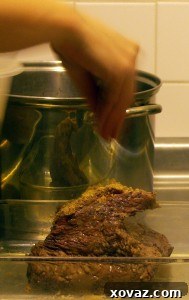
Perhaps you’d prefer an action shot? GAH!
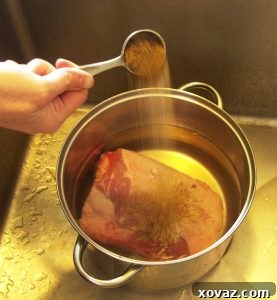
Please allow me to demonstrate the complex task of how to pour pickling spices on a brisket in a pan of water in my sink.