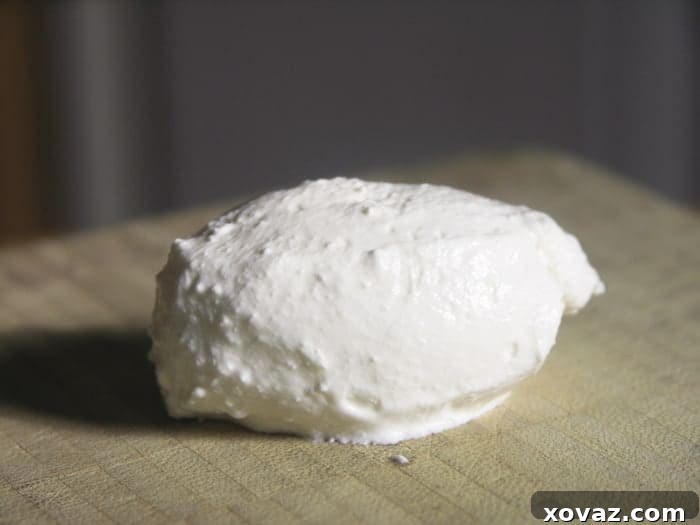
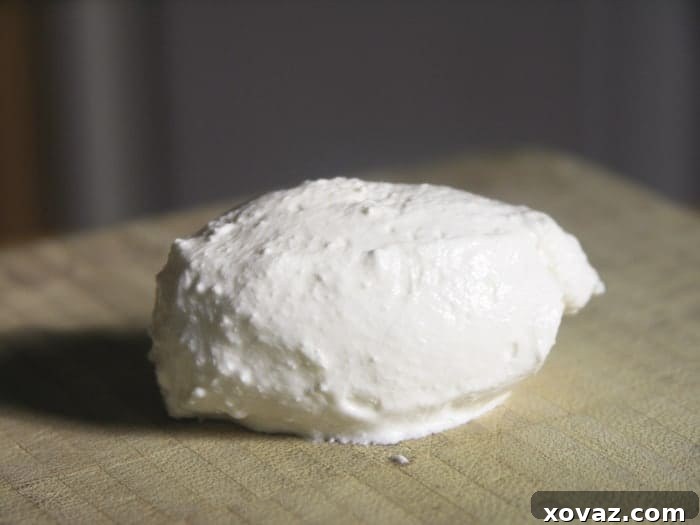
A Tale of Two Mascarpones: Crafting Creamy Perfection at Home
“It was the best of times, it was the worst of times, it was the age of wisdom, it was the age of foolishness, it was the epoch of belief, it was the season of Light, it was the season of Darkness, it was the spring of hope, it was the winter of despair, we had everything before us, we had nothing before us, we were all going direct to Heaven, we were all going direct the other way- in short, the period was so far like the present period, that some of its noisiest authorities insisted on its being received, for good or for evil, in the superlative degree of comparison only.”
Charles Dickens, ‘A Tale of Two Cities’
Just as Dickens eloquently captured the dichotomy of an era, we find ourselves at a similar crossroads when it comes to crafting one of the culinary world’s most luxurious ingredients: mascarpone cheese. For anyone who has ever savored the velvety richness of tiramisu, cannoli, or a delicate fruit tart, the distinctive taste of mascarpone is unforgettable. Its sweet, buttery, and slightly tangy profile sets it apart, making it an indispensable component in countless desserts and even some savory dishes. However, its often-hefty price tag at specialty stores can make it a rare indulgence for many home cooks.
The enthusiastic response to our Blueberry Tiramisu post confirmed what we already suspected: you, our cherished readers, share our profound love for mascarpone. And because we understand the cost barrier often associated with this creamy delight, we are thrilled to unveil a secret that will change your culinary game: making authentic, delicious mascarpone at home is not only incredibly easy but also remarkably inexpensive. Sounds like a dream come true, right?
But, and this is a significant “but,” we’re about to delve into a topic that often sparks lively debate among food enthusiasts: the pursuit of “authenticity.” Not to be confused with a big *butt*, although indulging in an entire batch of homemade mascarpone at once certainly poses a pleasant, albeit looming, danger to one’s waistline. But we digress.
When I first set out to share these homemade mascarpone recipes, I wrestled with a common internal conflict. Part of me felt compelled to present only the most hyper-traditional method, believing it to be the “correct” way, the “fancier” way. It’s easy to get caught up in the idea that unless a dish is prepared exactly as someone’s Nonna did in Abruzzi, it simply isn’t valid. But I continuously remind myself (and my burgeoning ego) that the ultimate goal in home cooking isn’t rigid adherence to tradition for tradition’s sake; it’s the joy and satisfaction of having made something delicious yourself. The journey, and the delicious result, are what truly matter. Hello, homemade goodness!
Life is full of moments where precision and adherence to strict rules are paramount – avoiding disaster, preventing health crises, mending heartbreak, or sidestepping financial ruin. Cooking mascarpone, thankfully, is not one of those times. Here, a little flexibility can lead to immense gratification.
The Authenticity Debate: Tradition vs. Innovation in Homemade Mascarpone
The term ‘authenticity’ is often applied to food with a rigidity that can stifle creativity and intimidate home cooks. According to some of the “noisiest authorities” out there, food can only be truly authentic if it adheres to the most traditional methods, uses the most traditional ingredients, and meets a strict definition of what the dish “is” or “isn’t.” Mascarpone is a prime example of this culinary puritanism. Traditionally, authentic mascarpone requires the use of tartaric acid.

Tartaric acid, naturally derived from grape skins, is a perfectly harmless substance. It plays a vital role in winemaking and, indeed, in traditional mascarpone production, a practice that has endured for centuries. It’s mild, relatively inexpensive, and boasts an impressively long shelf life. Undeniably, it lends an air of “mucho authentic” to the process. However, in my personal experience, it can also be a significant pain in the rear.
You heard that right. While traditional, I find the tartaric acid method for making mascarpone to be a major, massive, mondo, big, huge, giant pain in my tuckus. I’ve attempted the traditional route at least 25 times, and each time, it invariably demands more scraping of the cheesecloth, extended ‘hang time,’ and meticulous fine-tuning of the final product than I’m truly willing to invest. For me, “authentic” can take a hike when it comes to practical home cooking.
And that’s precisely why I’m excited to share a shortcut, a method I’ve come to love, that produces mascarpone every bit as delicious and creamy as its authentically made counterpart, without the undue fuss. Why would I keep such a valuable secret from you just because it deviates from a rigid definition of tradition? My foolproof recipe delivers consistent results, is incredibly easy, and yields a product that’s indistinguishable in taste and texture from the traditional version. Furthermore, my preferred method offers a distinct advantage: a longer shelf-life in the refrigerator. This is because it’s a cultured product, and the beneficial cultures actively help preserve the cream. This means you can confidently make a larger batch at once, ensuring you always have more luscious mascarpone on hand. And frankly, how could more mascarpone ever be a bad thing?
Whether you opt for the simpler, foolproof method or decide to embrace the traditional approach, both recipes will yield approximately two pounds of exquisite mascarpone for less than $6.00. Regardless of your chosen path, the ultimate outcome is a win for your palate and your wallet.
For those who prefer a printer-friendly, photo-and-culinary-angst-free version of these recipes, click here!
Foolproof Homemade Mascarpone: The Easy Way
This method transforms simple cream into rich mascarpone with minimal effort, making it perfect for beginners and busy home cooks alike. The secret lies in culturing the cream first, creating a flavorful crème fraîche that then thickens into mascarpone.
Yield: About 2 pounds of mascarpone
Ingredients:
- 2 quarts Half and Half or Light Cream, pasteurized is preferred, but ultra-pasteurized will do; it just might take longer to do its thing.
- 1 packet direct set Crème Fraîche culture (OR – for a homemade starter – 1/2 cup of room temperature buttermilk [less than a week old] mixed with 1/4 cup non-chlorinated room-temperature water and 1/8 teaspoon liquid vegetable rennet [or 1/8 of a tablet of vegetable rennet crushed and dissolved in the water]).
Necessary Equipment:
- A square, approximately 24-inches by 24-inches, of Ultra Fine Cheesecloth (commonly called butter muslin).
- A small instant-read thermometer, readily available in the kitchenware departments at most department stores and major grocery stores. If they sell spatulas, they usually sell these thermometers. Also available at Amazon.com.
- A fine mesh, stainless steel strainer.
- A 2-1/2 quart capacity saucepan with a lid.
Instructions for Foolproof Mascarpone:
- Warm the Cream: Pour the Half and Half or Light Cream into the saucepan. Place it over low heat and warm gently to 86°F. This is a crucial lukewarm temperature for the cultures to activate effectively. Once it reaches 86°F, promptly remove the pan from the heat. If you accidentally go slightly over temperature, don’t panic; simply stir the cream a few times to help it cool back down to 86°F before proceeding.
- Introduce the Culture: If you’re using the packet of direct set culture, sprinkle it evenly over the surface of the warm cream and allow it to rest undisturbed for 1 minute to rehydrate. If you’re opting for the buttermilk/water/rennet mixture, pour it directly into the warm cream and let it rest for 2 minutes. After the specified resting time, gently whisk the cream for approximately 2 minutes, or until the culture (or mixture) is completely dissolved and thoroughly incorporated.
- Culture and Thicken: Cover the saucepan with its lid and let the cream set in a warm place (ideally around 72°F, give or take a few degrees) for 12 to 24 hours. During this time, the cultures will work their magic, thickening the cream. The duration depends on your ambient temperature and the specific cream used. You’ll know it’s ready when it has visibly thickened. At this stage, you’ve successfully made Crème Fraîche. But we’re aiming for mascarpone!
- Drain to Mascarpone: To transform your freshly made Crème Fraîche into mascarpone, there’s just one more simple step. Line your fine-mesh strainer with a piece of dampened ultra-fine cheesecloth or dampened coffee filters. Carefully transfer the thickened Crème Fraîche into the lined strainer.
- The Final Transformation: Place the strainer over a larger bowl (to catch the whey) and allow it to drain at room temperature for 6 to 12 hours. The draining time is flexible and depends entirely on your desired consistency. For a thicker, more traditional mascarpone texture, drain it longer. For a slightly softer, spreadable version, drain it for a shorter period. Periodically check its consistency.
- Enjoy: Voilà! You now have exquisite homemade mascarpone, ready to elevate your desserts and savory dishes. This method not only saves you money but also eliminates the fussiness often associated with traditionally made mascarpone.

For comparison’s sake, we’ll also share the traditional way to make it. While the traditional method might appear simpler on paper, I’ve consistently found it requires more hands-on attention and often more frustration. I invariably have to scrape around the edge of the cheesecloth with a silicone spatula to encourage the release of liquid. It almost always needs to drain significantly longer than the standard 12 hours. Perhaps I’m messing it up, but if so, at least I’m consistently messing it up! Ultimately, I’ll stick with the method that consistently works best for me. A novel idea, I know!
If you’re a purist, or simply curious, by all means, give the traditional recipe a try! I would genuinely love to hear from anyone who decides to experiment with both methods. And if you’re an experienced hand at making traditional mascarpone and have some sage tips or tricks to share, please do! I’d be thrilled to discover two truly foolproof methods.
Traditional Mascarpone: The Classic Method with Tartaric Acid
For those who wish to follow the historical path of mascarpone creation, this method utilizes tartaric acid to coagulate the cream. While it requires a bit more precise temperature control and can be more finicky, it yields a beautifully rich mascarpone.
Yield: About 2 pounds of mascarpone
Ingredients:
- 2 quarts Half and Half or Light Cream, pasteurized (ultra-pasteurized is not ideal for this method as it can interfere with coagulation).
- 1/2 – 3/4 teaspoon tartaric acid.
Necessary Equipment:
- A square, approximately 24-inches by 24-inches, of Ultra Fine Cheesecloth (commonly called butter muslin).
- A small instant-read thermometer, available in kitchenware departments. Also available at Amazon.com.
- A fine mesh, stainless steel strainer.
- A 2-1/2 quart capacity saucepan with a lid OR a double boiler setup.
Instructions for Traditional Mascarpone:
- Prepare the Double Boiler: Add cold water to the bottom pan of a double boiler, ensuring there isn’t so much water that the top pan floats when inserted. Fit the top pan into place. If you don’t have a double boiler, you can create a makeshift one by placing a heatproof bowl over a saucepan of simmering water, ensuring the bottom of the bowl does not touch the water.
- Heat the Cream: Pour the cream into the top pan of the double boiler. Over medium heat, gradually bring the cream’s temperature up to 185°F. Maintain this temperature carefully. This high heat is essential for preparing the cream to coagulate properly.
- Add Tartaric Acid: Once the cream reaches and maintains 185°F, sprinkle the tartaric acid evenly over the surface. Stir continuously for 5 minutes, ensuring the temperature remains at 185°F throughout this period. You should observe the cream beginning to thicken almost immediately as the tartaric acid reacts with it.
- Cool and Thicken Further: After 5 minutes of stirring, remove the top pan from the double boiler setup. Continue to stir the thickened cream for an additional two minutes outside of the heat source. This helps cool it slightly and ensures a smooth, even texture.
- Drain the Mascarpone: Line a fine-mesh strainer with a dampened ultra-fine cheesecloth or dampened coffee filters. Carefully transfer the warm, thickened cream into the lined strainer.
- Refrigerate and Drain: Place the strainer over a bowl to collect the whey, and allow it to drain in the refrigerator for 12 to 24 hours, or until it achieves your desired thickness and firmness. The cooler temperature helps set the mascarpone and prevents spoilage.
- Storage: Given its traditional preparation without culturing, this mascarpone is highly perishable. It must be consumed within 48 hours of being made to ensure freshness and safety.
Why Make Mascarpone at Home?
Beyond the sheer satisfaction of crafting something exquisite from scratch, there are several compelling reasons to embark on your homemade mascarpone journey:
- Cost Savings: Store-bought mascarpone can be incredibly expensive. Making it at home drastically cuts down the cost, allowing you to enjoy this luxury ingredient more often.
- Freshness and Quality Control: When you make mascarpone at home, you control the quality of your ingredients, ensuring a fresher product free from additives or preservatives often found in commercial versions.
- Customization: You can adjust the thickness and even subtle flavor notes to your preference, something you can’t do with pre-packaged options.
- Culinary Adventure: It’s an enjoyable and educational process that deepens your understanding of dairy and cheese making.
Unleashing Your Homemade Mascarpone: Beyond Tiramisu
While tiramisu is undeniably mascarpone’s most famous role, this versatile cheese can elevate a myriad of dishes:
- Desserts: Layer it in fruit parfaits, use it as a filling for cakes and cupcakes, whip it with sugar for a simple yet elegant fruit dip, or incorporate it into cheesecakes for an extra creamy texture.
- Savory Applications: Stir it into creamy pasta sauces for a touch of richness, dollop it onto risottos just before serving, spread it on crostini with smoked salmon and capers, or use it to thicken soups and stews.
- Breakfast: Spread it on toast or bagels instead of cream cheese, perhaps with a drizzle of honey or a sprinkle of cinnamon.
Tips for Success & Troubleshooting
- Temperature is Key: For both methods, using an accurate instant-read thermometer is crucial. Deviating too much from the specified temperatures can impact the culturing or coagulation process.
- Cleanliness Matters: Ensure all your equipment is thoroughly clean to prevent unwanted bacterial growth, especially for the cultured method.
- Quality Ingredients: Start with fresh, good quality half and half or light cream. The fat content is important for a rich, creamy final product.
- Dealing with Ultra-Pasteurized Cream: While the foolproof method works with ultra-pasteurized cream, it might take longer to culture and thicken. Be patient!
- Too Thin? If your mascarpone isn’t thickening enough, try draining it for a longer period in the refrigerator. Ensure your cheesecloth is fine enough; if using coffee filters, they provide a very fine filtration.
- Storage: Store homemade mascarpone in an airtight container in the refrigerator. The foolproof, cultured version will last longer (up to a week), while the traditional version should be used within 2-3 days for best quality and safety.
Whether you choose the streamlined “Foolproof” path or the historically significant “Traditional” route, the journey to homemade mascarpone is a rewarding one. You’ll not only save money but also gain a deeper appreciation for this magnificent ingredient. So, gather your ingredients, pick your preferred method, and prepare to elevate your culinary creations with the unparalleled creaminess of homemade mascarpone. Happy cooking!