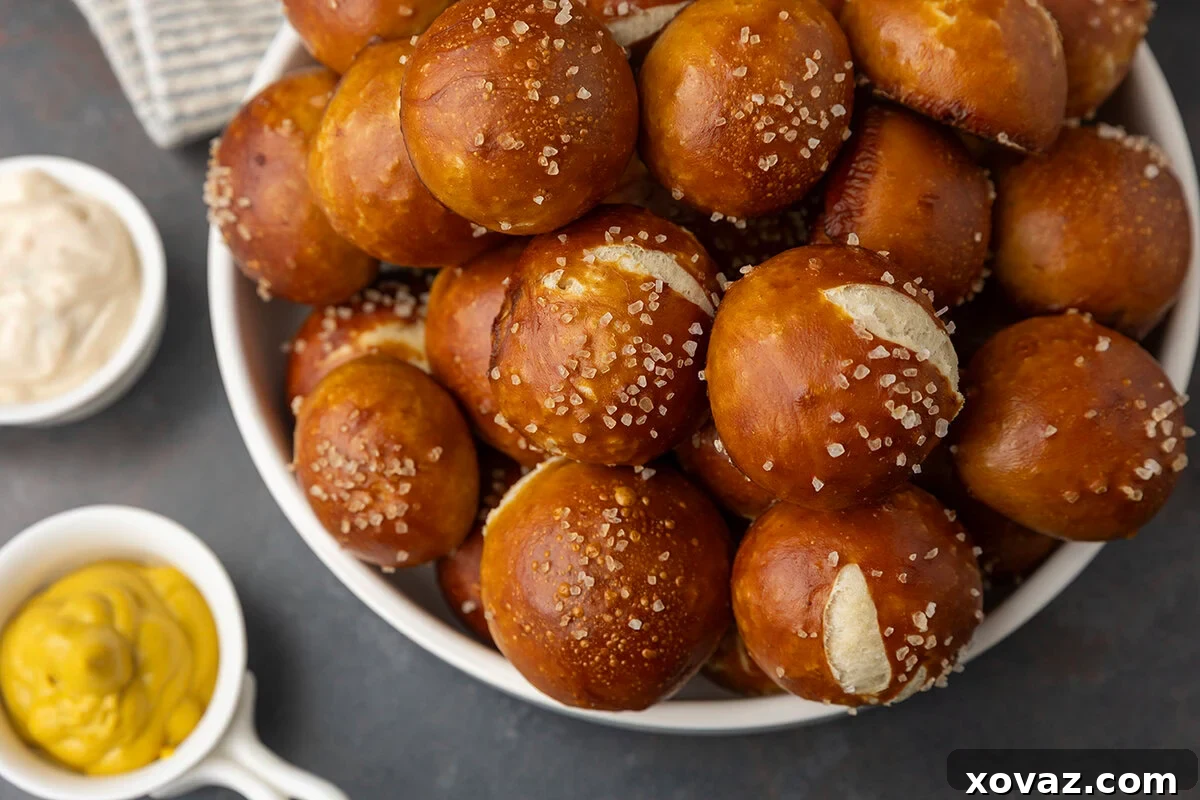
There’s nothing quite like the irresistible appeal of warm, soft pretzels. Now, imagine crafting those delectable treats right in your own kitchen, infused with a subtle tang from your sourdough starter. Sourdough discard pretzel bites are not just a delicious snack; they’re a rewarding baking project that transforms your unused sourdough discard into something truly spectacular. With a soft, chewy interior and a deeply browned, flavorful crust, these homemade pretzel bites are so tempting and remarkably easy that they might just become your favorite reason to keep your sourdough starter fed and thriving. Whether you prefer the classic savory kick of coarse salt or the sweet indulgence of melted butter and cinnamon sugar, prepare to be incredibly proud of your culinary creation!
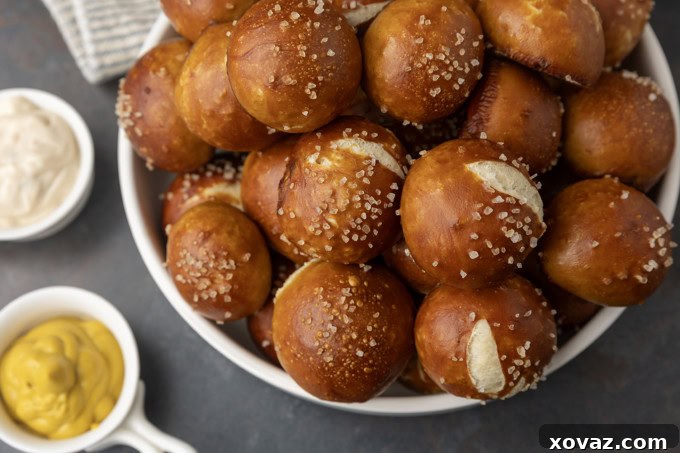
Irresistible Sourdough Discard Pretzel Bites: Your Guide to the Perfect Homemade Treat
Embarking on the journey of baking with sourdough discard has never been more delightful or accessible than with these incredible sourdough discard pretzel bites. This recipe offers a fantastic entry point into the world of sourdough baking, allowing you to harness the unique tangy goodness of fermented dough without needing to master the complex techniques often associated with maintaining a full sourdough loaf schedule. It’s a brilliant way to reduce waste and elevate your snack game simultaneously.
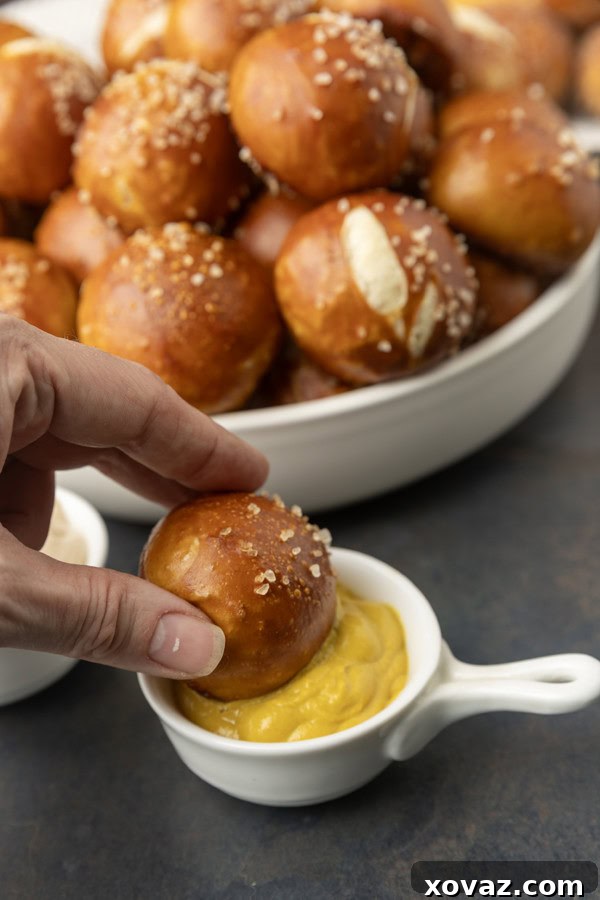
These little pretzel nuggets are incredibly versatile, making them perfect for any occasion. Serve them warm with your favorite dipping sauces – think zesty mustard, creamy queso, or even a sweet-and-savory honey mustard. They are an absolute crowd-pleaser for game day, movie nights, or simply as an elevated afternoon snack. Get ready to transform ordinary moments into something much tastier with these tender, chewy homemade pretzels!
The Secret to the Signature Pretzel Crust: Boiling vs. Lye Dipping
Many aspiring bakers believe that boiling soft pretzels before baking is an absolute necessity to achieve that characteristic chewy exterior. While there’s truth to the idea of an alkaline bath, the method and intensity of that bath can significantly alter the final result of your sourdough pretzel bites. The goal is to raise the pH of the water you use, which interacts with the starches in the dough to create a gelatinized surface, locking in moisture and promoting a deep, rich brown color during baking.
Method 1: The Simple Baking Soda Boil (Golden Brown & Chewy)
For a beautiful golden-brown crust and satisfying chew, a gentle simmer in water spiked with standard baking soda is an excellent and safe approach. This method is widely accessible and delivers delicious results that are far superior to un-boiled pretzels. Simply bring 2 quarts of water to a simmer in a non-reactive pot (like stainless steel or enameled cast iron), then carefully add 1/2 cup of baking soda. Gently submerge your pretzel bites, allowing them to simmer for about 30 seconds before carefully removing them with a slotted spoon and placing them back on your baking sheet. This brief alkaline bath will kickstart the browning process and contribute significantly to their tender-chewy texture.
Method 2: The Baked Baking Soda Method (Deeper Brown & Enhanced Chew)
If you’re looking for a richer, deeper brown color and an even more pronounced “pretzel” flavor without the intensity of lye, try baking your baking soda first! This simple trick transforms regular sodium bicarbonate into sodium carbonate, a stronger alkali. The process is straightforward: spread 1 cup of baking soda evenly over a foil-lined sheet pan. Bake it in a preheated 250ºF (120ºC) oven for one hour. Once baked, let it cool completely, then use the foil to carefully funnel it into an airtight jar for storage at room temperature. This activated baking soda will provide a more intense alkaline bath, leading to a darker, more traditional German pretzel look and texture. This single batch of baked baking soda will be sufficient for two batches of these delicious sourdough discard pretzel bites.
Method 3: Food-Grade Lye Dip (Authentic Bavarian Mahogany & Blistered Crust)
For the truest, most authentic Bavarian soft pretzels – those with the unmistakable mahogany-brown crust, distinctive chew, and subtly blistered exterior – you’ll want to embrace food-grade lye. While the idea of using lye (sodium hydroxide) might sound intimidating, it’s a technique used by professional pretzel makers and can be safely managed at home with proper precautions. Many seasoned bakers find the lye dipping process less cumbersome than boiling, as it involves a quick dip in cold lye water rather than a simmering bath. The chemical reaction between the lye and the dough’s surface creates unparalleled results in both color and texture, making your homemade lye pretzels truly stand out.
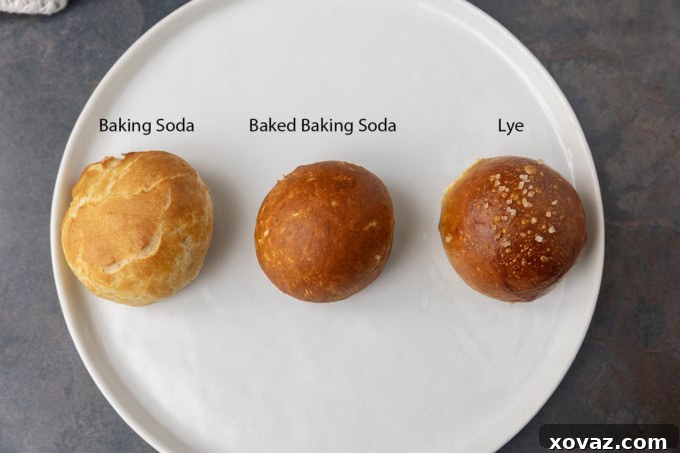
The visual differences between these methods are quite striking, as shown in the photo above. From left to right, you can observe a pretzel bite prepared with a simple baking soda boil, one with a baked baking soda boil, and finally, a lye dip. While the baked baking soda method gets you commendably close in terms of color, the unique blistered, super-chewy crust of an authentic pretzel truly comes to life when you opt for the lye method. If you’re ready to achieve the gold standard of homemade pretzels, the lye dip is the way to go.
Essential Safety Precautions for Working with Food-Grade Lye
Taking the plunge into lye pretzels requires a commitment to safety. Food-grade lye is a strong alkaline substance and must be handled with care. However, with the right precautions, it’s a perfectly manageable and rewarding technique. Here are critical safety rules to follow when working with food-grade lye:
- Personal Protective Equipment (PPE): Always wear gloves (disposable nitrile or rubber gloves are ideal) and safety goggles to protect your hands and eyes from splashes.
- Mixing Procedure: Critically, *always* add the lye slowly to COLD water, never the other way around. Adding water to lye can cause a violent, exothermic reaction. Never use warm or hot water, as this will also accelerate the reaction and create dangerous fumes.
- Container Choice: Use a glass or plastic bowl for your lye water solution. Metal, especially aluminum, can react adversely with lye.
- Ventilation: When adding lye to water, do not hold your head directly over the bowl. The initial reaction can release fumes. Work in a well-ventilated area.
- Disposal: Once you’ve finished dipping your pretzels, carefully pour the lye water down the drain, flushing it thoroughly with plenty of running water.
- Neutralization: After dipping and disposal, wipe down your counter, the bowl, and any utensils that came into contact with the lye solution using vinegar. Vinegar is acidic and will neutralize any residual lye, ensuring your workspace is safe and clean.
By following these guidelines, you can confidently and safely create incredibly authentic lye pretzels with that signature German taste and texture.
Understanding Sourdough Discard Consistency for Perfect Pretzel Dough
When preparing your sourdough discard pretzel bites, it’s important to recognize that the consistency of your sourdough discard isn’t always uniform. Its age and how long it’s been stored in the refrigerator can cause significant variations. A discard that has been “languishing” for a month or more will likely be quite liquid, almost pourable. Conversely, a relatively new discard, perhaps only a few days old, will tend to be sturdier and thicker, closer to a paste-like consistency.
This variation directly impacts the hydration of your dough. If you’re using a fresher, thicker discard, you may find that your dough feels a bit too stiff after mixing the initial ingredients. Don’t fret! This is perfectly normal. You might need to add a few extra tablespoons of water to achieve the desired smooth, slightly tacky dough. The key is to add water slowly, one tablespoon at a time, working it fully into the dough after each addition. This careful approach prevents you from over-hydrating the dough, ensuring it maintains the proper structure for forming and baking perfect pretzel bites. The ideal dough for pretzels is typically stiffer than most bread doughs but should never be crumbly; it needs to be pliable and smooth.
The Art of Topping: Salt, Sweet, and Savory Delights
No pretzel is complete without its signature topping, and for sourdough discard pretzel bites, you have a spectrum of delicious choices. The classic choice is, of course, salt. But not just any salt will do. For that authentic pretzel experience, you’ll want to use a coarse salt that won’t entirely melt away during the baking process. Many bakers opt for dedicated pretzel salt. It’s an inexpensive investment that lasts indefinitely when stored properly, and its unique crystal structure adheres beautifully to the pretzel crust without dissolving. If specialty pretzel salt isn’t readily available, a high-quality extra coarse sea salt can serve as an excellent substitute. Just remember that sea salt can sometimes taste “saltier” than pretzel salt, so you might want to use a slightly lesser amount. Also, be aware that coarse sea salt might melt a bit more during baking compared to true pretzel salt, but it will still provide a wonderful textural and flavor contrast.
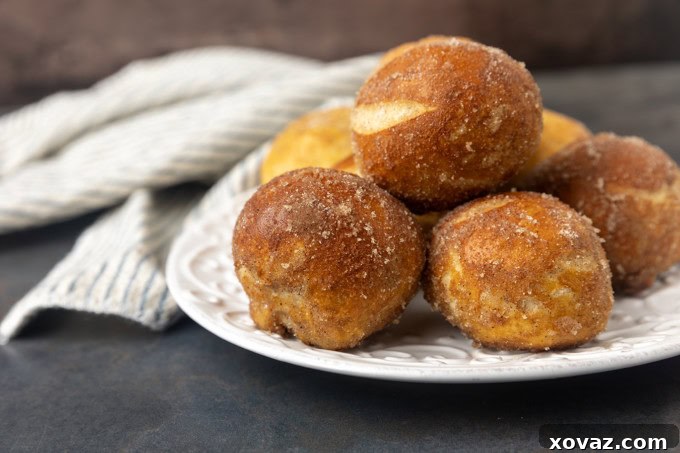
Beyond the savory, a sweet option often proves to be an equally popular choice, especially among younger palates. Don’t hesitate to skip the salt entirely and, immediately after baking (or even after a quick dip in melted butter), roll your warm pretzel bites generously in a delightful mixture of cinnamon sugar. My own children absolutely adore this sweet variation, highlighting its universal appeal. The combination of the slightly tangy sourdough, the rich butter, and the sweet spice is truly addictive. And for those who love dipping, don’t forget the endless possibilities: from classic yellow mustard and spicy brown mustard to rich cheese dips like queso, or even a homemade honey mustard. Each pairing brings a new dimension to these incredible sourdough soft pretzels.
Essential Tools for Crafting Perfect Sourdough Pretzel Bites
Having the right tools can make your pretzel-making experience smoother and more enjoyable. While not all are strictly mandatory, these pieces of equipment are highly recommended for achieving consistently great results with your sourdough discard pretzel recipe:
- Half Sheet Pans: Essential for baking multiple batches and providing ample space for your pretzel bites to rise and bake without crowding.
- Silpats or Premium Parchment Paper: These non-stick surfaces prevent your pretzels from sticking to the pan, ensuring easy removal and perfect bottoms.
- Slotted Spoon or Spatula: Crucial for safely transferring the pretzel bites in and out of the boiling water or lye solution.
- Dutch Oven or Everyday Pan: If you’re opting for the baking soda boil method, a large, non-reactive pot like a dutch oven or a deep everyday pan is ideal for holding the boiling water.
- Glass or Plastic Mixing Bowl: If you choose the lye dipping method, a dedicated glass mixing bowl is vital for safely containing the lye solution.
- Bench Knife and/or Dough Scraper: Invaluable for neatly portioning and handling the dough with ease.
Unlock More Sourdough Discard Delights
Once you’ve fallen in love with making homemade sourdough pretzels, you’ll likely be searching for even more innovative ways to utilize your sourdough discard. The versatility of discard extends far beyond just pretzels! Consider trying a savory creation like Roasted Garlic Rustic Sourdough Boule. This classic, chewy, and full-flavored rustic sourdough bread is elevated with aromatic roasted garlic cloves artfully rolled into the dough during shaping, creating a truly memorable loaf. For those seeking the ultimate sandwich or burger base, The Most Perfect Soft Pretzel Rolls are an absolute game-changer. Tender, chewy, and robust enough to stand up to the most substantial fillings, these pretzel rolls are my go-to choice for burger buns, promising a dining experience that’s anything but ordinary. The possibilities with sourdough discard are truly endless, offering a world of flavor and texture to explore in your baking adventures.
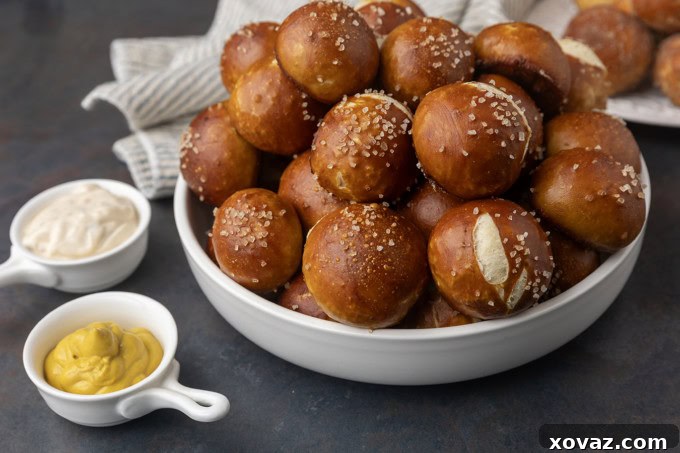

Sourdough Discard Pretzel Bites
These chewy yet tender, mahogany brown sourdough discard pretzel bites are truly the best. Dip in nacho cheese, mustard, honey mustard, or melted butter—whatever suits your fancy!
Yields approximately 32 pretzel bites when made as instructed.
*Approximate nutritional information is based on salted pretzels, not cinnamon sugar versions.
Author: Rebecca Lindamood
Prep Time: 35 mins
Cook Time: 20 mins
Total Time: 2 hrs 5 mins
Pin Recipe
Equipment
- Bench knife and/or dough scraper
- Silpat or premium parchment paper
- Half baking sheet pan
- Slotted spoon
Ingredients
Ingredients for dough:
- 4 cups bread flour (1 pound 1 ounce by weight)
- 1 tablespoon granulated sugar (1/2 ounce or 14 grams by weight)
- 2 teaspoons SAF or instant yeast
- 1 1/4 teaspoons kosher salt
- 1 cup whole milk
- 1/2 cup unfed sourdough starter (4 ounces or 113 grams by weight)
Ingredients for pretzel boil:
- 2 quarts water
- 1/2 cup baking soda (See notes! or 40 grams of food grade lye)
Optional ingredients for toppings:
- 2 tablespoons pretzel salt
- Melted butter
- Cinnamon sugar
Instructions
To Make the Dough:
- In the work-bowl of a stand mixer fitted with a dough hook (or in a mixing bowl using your hands), combine the flour, salt, sugar and yeast. Mix on low about 30 seconds, or just to combine dry ingredients. With mixer still on low, carefully pour in the milk and sourdough starter. Continue mixing on low or by hand until you have a smooth, slightly tacky dough. Remove bowl from the mixer, cover with a damp tea towel and set aside to rise in a warm, draft-free place until nearly doubled in bulk and puffy, about an hour or so.
To Form the Pretzels:
- Line two half sheet pans with silpats or premium parchment. If using parchment, spray generously with non-stick cooking spray. Set next to your work area.
- Turn the dough out onto a clean surface.
To Form Pretzel Bites:
- Use a bench knife to cut the dough into 12 equal pieces. Roll each piece like play-dough until you have a snake of dough about double the circumference of your thumb.
- Cut into 2-inch pieces and roll each piece into a ball.
- Transfer the pretzel bites onto the lined baking sheets, being sure to leave generous amounts of room between them. They will expand as they rise and again as they bake. When you have dealt with all the dough, cover the pans with tea towels and let them rise in a warm, draft-free place until puffy looking, about 20 minutes.
- Preheat oven to 400°F (200°C).
Option One: Boil the pretzel bites:
- Bring 2 quarts of water to a boil in a stainless steel or other non-reactive pan (enameled cast-iron, tempered glass, etc…). When water simmers, add the baking soda. Gently lift the pretzels or pretzel rods one at a time into the boiling water. (You can boil more than one at a time, but be sure not to crowd the pan as they will expand as they boil.) Let simmer for about 30 seconds. Use a slotted spatula or spoon to drain and return each piece to its place on the pan. Continue until all pieces have been boiled and returned to the pan.
Option Two: Lye Dip the Pretzel Bites
- Add 2 quarts of very cold water to a glass or plastic mixing bowl. Carefully stir in 40 grams of food grade lye with a stainless steel slotted spoon or plastic/silicone spatula.
- Using gloves, lower several pretzel bites into the water. After 15 seconds, gently flip them over and let them stay in the water another 15 seconds. Lift the pretzel bites, allowing excess water to drain away before replacing them on the lined sheet pans. Be sure to allow space between them for them to expand while baking.
To Bake the Pretzel Bites
- Sprinkle each pretzel with about a sprinkle of pretzel salt to taste. Place pans in oven and bake the pretzels at least until golden brown (at least 10 minutes), but you can bake until they are deep brown which is my preference (closer to 15 minutes in my oven.)
- Let stand for at least 5 minutes before eating. These are best enjoyed warm, but can be stored in a non-airtight container such as a bowl covered with a clean tea towel or a paper bag that is cinched or clipped shut at room temperature for a couple of days. They can be quickly reheated prior to serving.
Notes
Adjusting Water for Dough Consistency: The amount of water needed can vary significantly due to factors like the hydration level of your starter, whether ingredients are measured by weight or volume, local humidity, and elevation. Older sourdough discard tends to be more liquid, while newer discard is sturdier.
The dough should be stiffer than typical bread dough but should not be crumbly. Use your judgment based on how the dough looks and feels. If it’s too dry, you can add small amounts of water to your hands and work it into the dough gradually until the desired smooth, slightly tacky consistency is achieved.
Baked Baking Soda Preparation: If you choose the baked baking soda method for your boil, remember to prepare it in advance. Spread 1 cup of baking soda evenly over a foil-lined sheet pan. Bake in a preheated 250ºF (120°C) oven for one hour, then cool completely. Transfer it to an airtight jar for storage at room temperature. This amount is sufficient for two batches of pretzels or pretzel bites.
Nutrition (Estimate)
Calories: 274 kcal
Carbohydrates: 52g
Protein: 10g
Fat: 2g
Saturated Fat: 1g
Polyunsaturated Fat: 0.5g
Monounsaturated Fat: 0.4g
Cholesterol: 4mg
Sodium: 4186mg
Potassium: 137mg
Fiber: 2g
Sugar: 3g
Vitamin A: 51 IU
Vitamin C: 0.01 mg
Calcium: 56 mg
Iron: 1 mg
Nutritional information is an estimate and provided as a courtesy. Please calculate the nutritional information with the actual ingredients used in your recipe using your preferred nutrition calculator for accuracy.
Did you make this recipe?
Make sure to tag @foodiewithfam on Instagram and #hashtag it #foodiewithfamily so I can check it out!
Pin Recipe