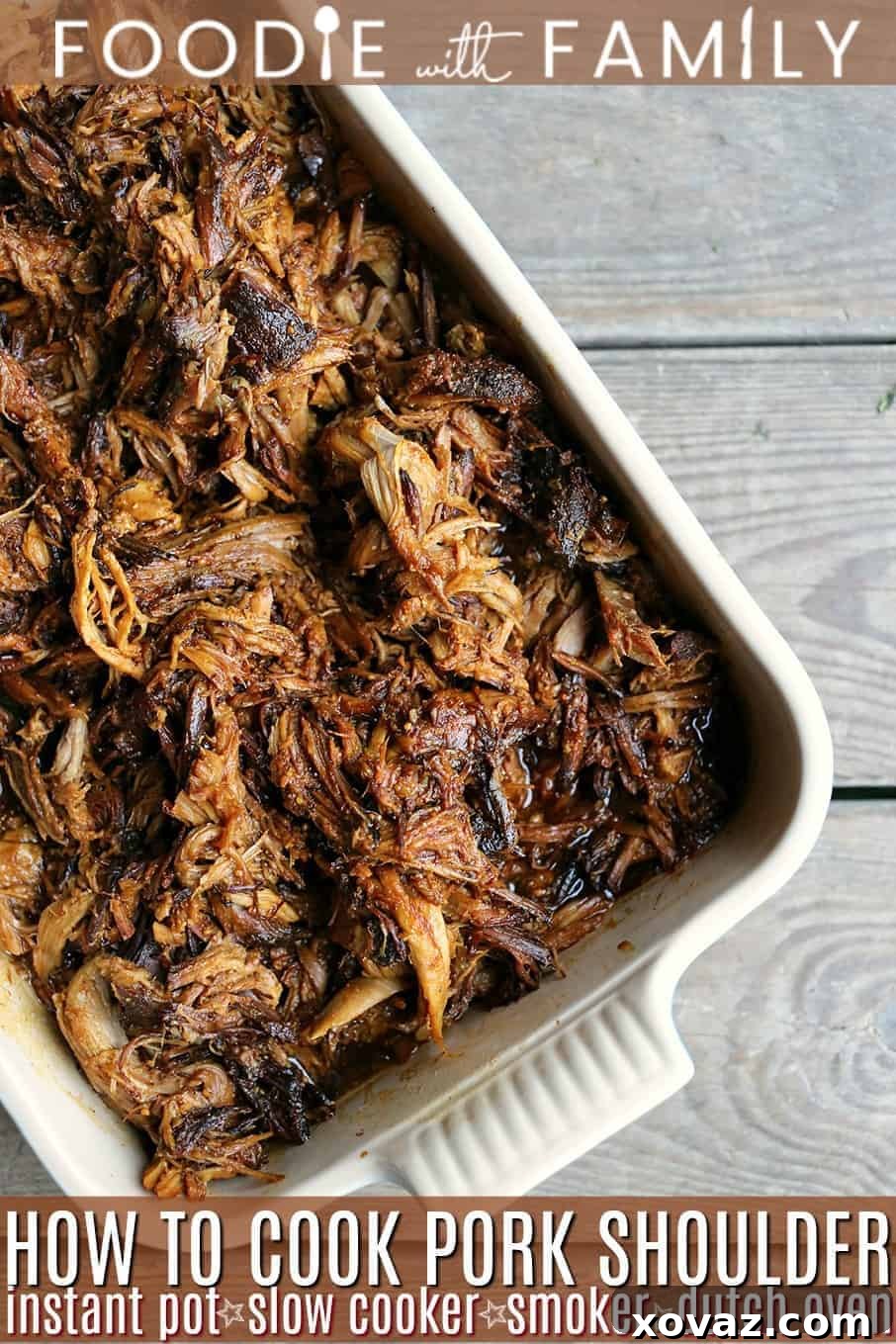
Today’s guide on How to Cook Pork Shoulder is proudly sponsored by our friends at the National Pork Board. All culinary insights, photographs, and recipes remain, as always, our own.
Mastering Pork Shoulder: Your Ultimate Guide to Perfect Pulled Pork
Have you ever found yourself staring into the freezer, triumphant with a large, economically priced pork shoulder, yet unsure of how to transform it into a culinary masterpiece? If so, you’re in excellent company. This often-overlooked cut is a true gem, promising incredible flavor and versatility once you know the right techniques. Whether you’re a seasoned chef or a home cook looking to expand your repertoire, mastering the pork shoulder will elevate your cooking game and provide a bounty of delicious meals.
Before we dive into the delicious details, ensure your magnificent pork shoulder is properly thawed. A large cut typically requires a couple of days in the refrigerator for complete and safe thawing. Once it’s ready, prepare to discover why this humble cut is one of the most rewarding proteins you can cook, yielding countless delectable meals thanks to its rich marbling and connective tissues that break down beautifully with slow cooking.
We’re thrilled to share not only our favorite methods and recipes for creating the most succulent pulled pork but also expert tips from our friends at the National Pork Board to help you maximize every morsel from your pork shoulder. Get ready to turn that budget-friendly cut into a week’s worth of extraordinary dishes!
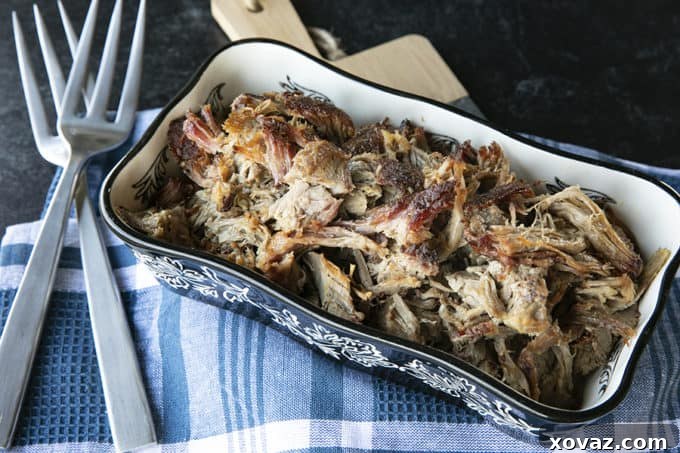
Why Pork Shoulder is a Culinary Powerhouse
Pork shoulder, often referred to as pork butt (despite coming from the upper shoulder, not the rear), is an absolute game-changer in the kitchen. We’re eager to show you not only how to perfectly cook this cut but also how it can become the foundation for more meals than almost any other protein. Its inherent qualities make it exceptionally well-suited for slow cooking methods, resulting in fork-tender meat that practically melts in your mouth.
Economical Excellence
One of the most compelling reasons to embrace pork shoulder is its incredible affordability. It consistently ranks as one of the most budget-friendly cuts of meat available, offering exceptional value without compromising on flavor. For instance, it’s common to find pork shoulder for as low as $1.69 per pound in many markets. Even accounting for a typical 40% weight loss during cooking (due to bone, rendered fat, and moisture reduction), the yield of flavorful, cooked meat per dollar spent is outstanding, especially given that shoulders are generally quite large, ranging from 5 to 10 pounds or more.
This cost-effectiveness makes pork shoulder an ideal choice for feeding families on a budget, meal prepping for the week ahead, or preparing large batches for gatherings and parties. You get a substantial amount of high-quality protein without breaking the bank, proving that delicious and impressive meals don’t always have to come with a hefty price tag.
Unmatched Versatility and Flavor
Beyond its economical appeal, pork shoulder boasts a rich, savory flavor profile that complements a wide array of cuisines and seasonings. Its marbling and abundant connective tissues, which can make leaner cuts tough, are precisely what make the shoulder so desirable for slow cooking. Over hours of gentle heat, these tough tissues slowly break down into gelatin, infusing the meat with incredible moisture and creating that characteristic melt-in-your-mouth tenderness and depth of flavor that pulled pork is famous for.
Whether you’re aiming for classic American barbecue, vibrant Latin-inspired dishes, hearty Asian stir-fries, or simple comforting meals, pork shoulder serves as a fantastic canvas. Its robust flavor stands up well to bold spices and rich sauces, yet it’s equally delightful with minimalist seasoning, allowing the natural, succulent taste of the pork to shine through. This versatility means one cooked pork shoulder can inspire several different meals, keeping your dinner rotation exciting.
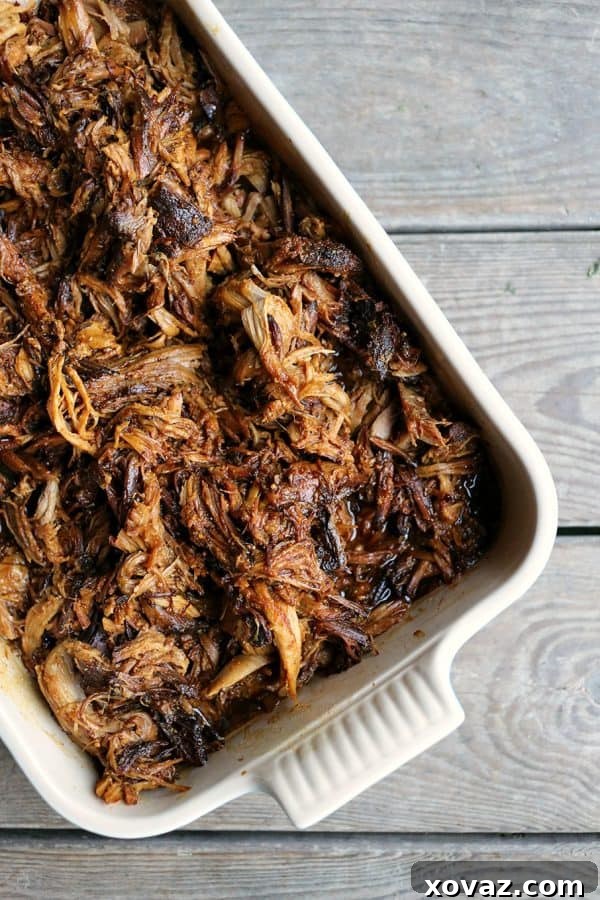
How to Cook Pork Shoulder: A Guide to Perfect Tenderness
The beauty of pork shoulder lies in its incredible adaptability. You have a veritable “embarrassment of riches” when it comes to cooking methods, ensuring that you can achieve perfect, shreddable pulled pork using equipment you likely already own. From the set-it-and-forget-it convenience of a slow cooker to the rustic charm of a Dutch oven, or the smoky allure of a backyard smoker, there’s a method for every cook and every occasion. Each approach brings out unique qualities in the pork, but all promise exceptional tenderness.
1. Slow Cooker Pork Shoulder: The Easiest Method for Busy Days
For sheer ease and minimal active effort, the slow cooker (or Crock-Pot) is undoubtedly the champion of cooking pork shoulder. This method is incredibly forgiving and consistently delivers exceptionally tender results with minimal fuss. You’ll need a slow cooker of at least 5 quarts to accommodate a standard pork shoulder, though larger cuts will require an 8-quart or even 10-quart model to ensure proper fit and even cooking.
To cook pork shoulder in a slow cooker, simply unwrap your seasoned pork, place it in the slow cooker, and add your chosen liquid and aromatics (sliced onions, whole garlic cloves, chicken or vegetable broth, apple cider, or even a lager beer are all excellent choices). Cover the pot tightly and let it do its magic. A common and effective approach is to cook on HIGH for the first hour to jumpstart the cooking process and build heat, then reduce to LOW for another 7 to 12 hours, or even overnight. The prolonged, gentle heat breaks down the connective tissues beautifully, leaving you with meat that literally falls off the bone, ready to be effortlessly shredded with two forks. One of our earliest and most beloved recipes, Classic Slow-Cooker Cuban Pork, exemplifies just how effortless and delicious this method can be, making it a staple in countless kitchens.
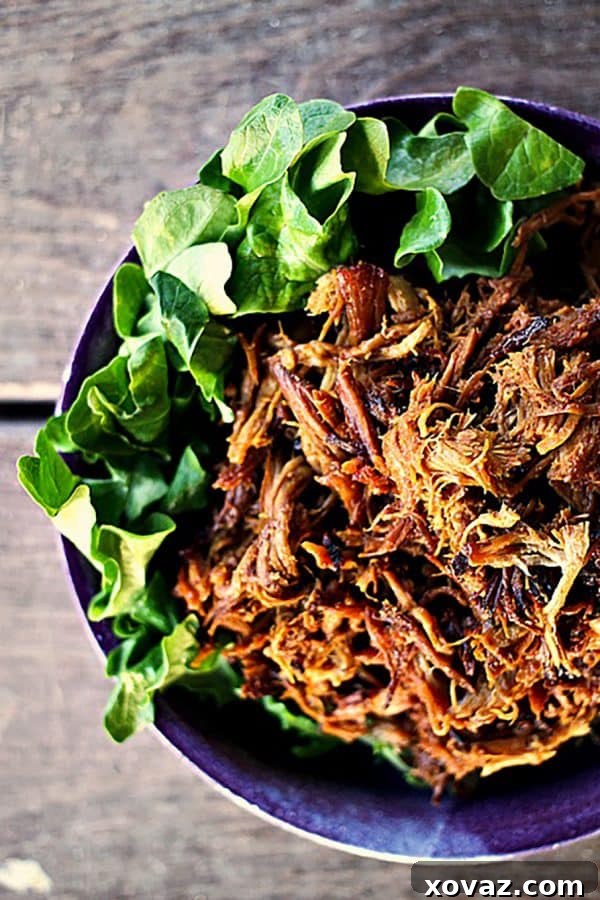
2. Instant Pot Pulled Pork: Speed and Efficiency for Quick Meals
Pressure cookers, such as the ever-popular Instant Pot, have truly revolutionized the way we cook, making quick work of dishes that traditionally require hours of simmering or braising. Pork shoulder is no exception to this time-saving magic. These versatile countertop wonders are perfect for those times when you crave succulent pulled pork but are short on time, transforming a tough cut into tender perfection in a fraction of the traditional time.
The high-pressure environment of an Instant Pot significantly reduces cooking time while still achieving that desirable fall-apart tenderness. The intense heat and pressure force moisture and flavor deep into the meat, ensuring a juicy result. A fantastic Instant Pot pulled pork recipe from the National Pork Board demonstrates just how simple it is to prepare using a boneless pork shoulder. In a little over an hour, including pressure build-up and release time, you can go from raw meat to perfectly tender pulled pork, making it an excellent, speedy option for weeknight meals when you thought pulled pork was out of reach.
3. Dutch Oven Pork Shoulder: Braised Perfection with Rich Flavor
For those who appreciate a more traditional stovetop-to-oven approach, a sturdy Dutch oven is an excellent choice for cooking pork shoulder. This method creates a beautifully braised pork, rich in flavor and wonderfully tender, reminiscent of classic slow-cooked roasts. It’s nearly as simple as slow cooking but offers the added benefit of searing the meat directly in the pot, which develops a deeper, more complex flavor profile through the Maillard reaction – creating a delicious crust on the exterior.
Start by preheating your oven to around 325°F (160°C). While optional, searing the pork shoulder in a tablespoon of oil in the Dutch oven over medium-high heat until all sides are golden brown is highly recommended for enhanced flavor. This step locks in juices and builds a flavorful foundation. After searing, nestle sliced onions and whole garlic cloves around the pork, then add your chosen braising liquid – water, chicken broth, beef broth, apple cider, or a lager-style beer all work wonderfully to infuse flavor. Bring the liquid to a gentle simmer on the stovetop before covering the Dutch oven tightly with its lid and transferring it to the preheated oven. The slow braising process typically takes a couple of hours, but the exact time will depend on the size of your pork shoulder and whether it’s bone-in or boneless. The good news is, pork shoulder is incredibly difficult to overcook using this method; simply continue braising until it reaches that characteristic fall-apart tender state, checking every 30-60 minutes after the initial cooking period.

4. Smoked Pork Shoulder: The Art of Barbecue Excellence
For an authentic barbecue experience and an unparalleled depth of flavor, smoking a pork shoulder (often affectionately called pork butt in this context) is the way to go. This method involves cooking the meat low and slow over indirect heat with aromatic wood smoke, resulting in a crispy, flavorful “bark” on the exterior and incredibly juicy, smoky meat inside. This technique is a labor of love, but the rich, complex flavors are truly rewarding.
Begin by generously seasoning your trimmed pork shoulder with a robust barbecue rub (in place of simple salt and pepper). Apply it liberally, ensuring every surface is covered. Preheat your smoker to a consistent 225-250°F (107-121°C) using your favorite wood chips or chunks – hickory, apple, pecan, or cherry are all popular choices that impart wonderful flavor to pork. Place the seasoned pork shoulder directly on the smoker grate, ensuring a drip pan is positioned underneath to catch rendering fat and keep the smoker clean. Smoke for 3-5 hours, or until the internal temperature of the pork reaches around 160°F (71°C) and a good bark has formed. At this point, many pitmasters employ the “Texas crutch” – wrapping the pork tightly in heavy-duty foil or butcher paper, often with a splash of apple cider or broth. This helps the meat power through “the stall” (when the meat’s temperature temporarily plateaus due to evaporative cooling) and keeps it incredibly moist. Continue cooking, either in the smoker or a conventional oven, until the internal temperature reaches 200-204°F (93-96°C) and the meat is “probe-tender,” meaning a skewer or thermometer slides into the meat with very little resistance, feeling like “butter.” This entire process can take anywhere from 8 to 16 hours, depending on the size of the shoulder, but the rich, smoky reward is absolutely worth the wait.
Understanding Pork Shoulder Yield and Substitutions
When cooking pork shoulder, particularly bone-in cuts, it’s helpful to anticipate the final yield of cooked meat. You should generally expect a weight loss of approximately 40% from the starting raw weight, regardless of your chosen cooking method. This accounts for the bone (if present), rendered fat, and moisture loss during the long cooking process. To estimate your final yield, multiply the initial weight by 0.6 (representing 100% minus the 40% loss). For example, a 10-pound bone-in pork shoulder will typically yield about 6 pounds of cooked, shredded meat. This amount can provide between 12 to 18 generous servings, assuming ½ to ⅓ pound of cooked meat per person per meal. While boneless cuts might experience slightly less weight loss, they are almost always more expensive per pound upfront, so consider the cost-per-cooked-pound when making your purchase.
Don’t despair if you’re craving pulled pork but don’t have a pork shoulder readily available. Several other pork cuts can be prepared in a similar fashion to achieve delicious results, though slight adjustments to cooking times may be necessary. Excellent substitutes include:
- Pork Butt (Boston Butt): This is technically part of the pork shoulder but is often sold separately. It’s very similar in composition, with excellent marbling, and is often considered the ideal cut for pulled pork due to its superior tenderness when slow-cooked.
- Pork Sirloin Roast: A leaner option than pork butt, but still suitable for slow cooking. It may cook a bit faster due to its lower fat content, so monitor for tenderness to prevent it from drying out.
- Boneless Spare Ribs or Country Style Ribs: These cuts are essentially strips of pork shoulder or loin, cut to resemble ribs. They cook more quickly due to their smaller size and are great for creating individual portions of “pulled pork” with a satisfying texture.
- Boneless Pork Loin: While generally much leaner and better suited for quick roasting or grilling, pork loin can be slow-cooked if you’re careful not to dry it out. Ensure ample liquid is used and perhaps opt for a shorter cooking time on the low setting to maintain moisture.
When substituting, always remember that smaller, leaner cuts will cook significantly faster than a large, bone-in pork shoulder. Adjust your cooking times accordingly, focusing on achieving that signature fall-apart tenderness rather than strictly adhering to a timer. A meat thermometer is your best friend for internal temperature checks, but ultimately, tenderness is the key indicator of doneness for pulled pork.

Beyond the Basic: Creative Pulled Pork Recipes
Once you’ve mastered the art of cooking a perfect pork shoulder, a world of culinary possibilities opens up! Pulled pork is incredibly versatile, serving as the star or a fantastic supporting act in countless dishes. If you’re looking for more pantry-friendly combinations to flavor your pork shoulder during cooking, consider our popular Slow Cooker Honey Mustard Pulled Pork, and the fragrant Apple Cider Pulled Pork, in addition to our aforementioned Classic Slow-Cooker Cuban Pork. These recipes are designed to be simple, flavorful, and make the most of your cooked pork shoulder.
But the real fun begins when you have a generous batch of already cooked pulled pork ready to transform into new meals. Here on Foodie with Family, we love getting creative and finding innovative ways to use up leftovers or simply integrate this delicious protein into diverse dishes. You can enjoy:
- Pulled Pork Huevos Rancheros: A hearty and flavorful breakfast or brunch option that takes traditional huevos rancheros to a new level.
- Filthy Burgers (Beef, Barbecue, Pulled Pork, and Bacon Burgers): An outrageously indulgent burger experience, perfect for serious meat lovers.
- Barbecue Pulled Pork and Toasted Cheese Sandwiches: A comforting and satisfying classic, upgraded with smoky, tender pulled pork.
- Barbecue Pulled Pork Pizza: A flavorful twist on pizza night, using pulled pork and barbecue sauce as unique toppings.
- BBQ Pulled Pork Overstuffed Shells: A creative and delicious pasta dish, perfect for family dinners.
- Pulled Pork Walking Tacos: A fun, portable, and customizable meal, perfect for parties, tailgates, or casual dinners.

The National Pork Board is also an incredible resource for inspiring ways to use pulled pork. Beyond traditional sandwiches, they offer innovative recipes designed to showcase the versatility of this beloved meat. Some highlights include:
- BBQ Pork Mac and Cheese: A comforting and hearty casserole that combines two ultimate comfort foods.
- Pulled Pork Nachos: The ultimate appetizer or game-day snack, loaded with savory pulled pork.
- Pulled Pork Soft Tacos: Quick, customizable, and always a crowd-pleaser, perfect for a fresh and flavorful meal.
What’s more, many recipes calling for ground pork or diced pork can easily be adapted to use pre-cooked pulled pork, making meal preparation incredibly efficient and helping minimize food waste. For example, if a recipe like these Tex-Mex Stuffed Peppers from the Pork Board calls for ground pork, you can simply substitute 3 cups of pulled pork and skip the browning step since it’s already fully cooked. Similarly, a recipe like this Black Bean Pork Chili, which typically uses raw boneless pork sirloin roast, can be made faster and just as deliciously by using 3 cups of pulled pork. This adaptability is a true superpower in the kitchen, allowing you to create diverse meals with ease.
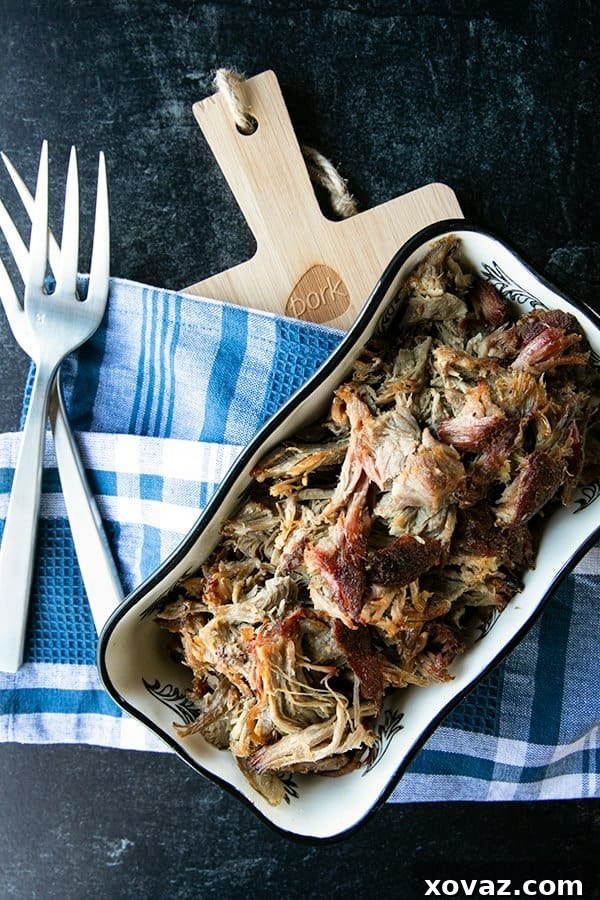
Ultimate Pulled Pork: A Versatile Master Recipe
This master recipe provides comprehensive instructions for cooking a pork shoulder to perfection using a Dutch oven, slow cooker, or smoker. Whichever method you choose, you’ll achieve succulent, fall-apart tender pulled pork, ready to be enjoyed in countless ways.
Author: Rebecca Lindamood
Prep Time: 10 minutes
Cook Time: 2-12 hours (varies by method and size)
Yields: Approximately 12-18 servings (based on a 10lb pork shoulder)
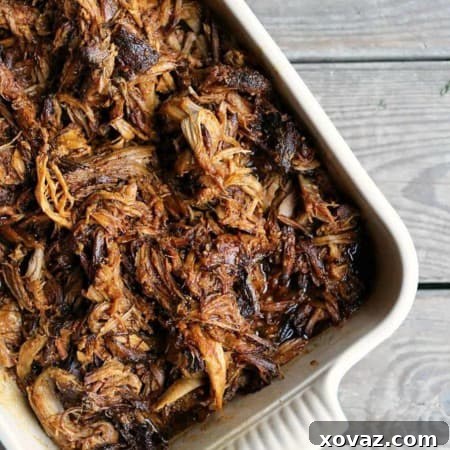
Ingredients
- 1 tablespoon olive oil (or vegetable, canola, sunflower, or peanut oil)
- 10 pounds pork shoulder (bone-in or boneless)
- 2 onions, peeled and sliced into thick slabs
- 12 cloves garlic, peeled and left whole
- 1 tablespoon kosher salt
- 1 teaspoon freshly ground black pepper
- 2 cups water, broth, orange juice, hard cider, or lager beer
Optional Aromatics:
- Stems of fresh cilantro or parsley for flavor
- Other aromatics like toasted dried chile peppers, fresh hot peppers, or preferred spice blends
Instructions
1. How to Prepare a Pork Shoulder for Cooking
- Trim any large sections of excess fat away from the outside of the shoulder, leaving smaller amounts and interior fat, which will render and add flavor and moisture during cooking.
- Generously sprinkle the entire surface of the pork shoulder with kosher salt and freshly ground black pepper. Rub it in thoroughly.
2. How to Cook Pork Shoulder in a Dutch Oven
- Preheat your oven to 325°F (160°C).
- Place your 5-quart or larger Dutch oven over medium-high heat on the stovetop.
- Optional Searing: To develop a richer flavor and a delicious crust, drizzle a tablespoon of oil into the Dutch oven. Add the seasoned pork shoulder and sear on all sides until golden brown. If the pork shoulder is very large, sear it in batches to avoid crowding the pot.
- Nestle the sliced onions and whole garlic cloves around the sides of the pork shoulder. Pour in the 2 cups of liquid (water, broth, cider, or beer).
- Bring the liquid to a gentle simmer on the stovetop. Once simmering, cover the Dutch oven tightly with its lid and carefully transfer the entire pot to the preheated oven.
- Set a timer for 2 hours, after which you will begin checking for doneness. The total cooking time will vary based on factors like the starting weight (e.g., a 5lb shoulder will cook faster than a 10lb one) and whether the pork is bone-in or boneless.
- Check the pork shoulder every 30 minutes after the initial 2-hour mark. A finished pork shoulder will be incredibly tender, easily falling away from the bone or shredding effortlessly when prodded with two forks. The internal temperature should reach around 200-204°F (93-96°C).
- Pro Tip: It is exceptionally difficult to overcook pork shoulder using this slow braising method. When in doubt, cook for another half an hour to ensure maximum tenderness; dry meat is usually undercooked, not overcooked.
3. How to Cook Pork Shoulder in a Slow Cooker
- Place the prepared and seasoned pork shoulder into a large slow cooker. A 10-pound shoulder will typically require an 8-quart or larger slow cooker. Smaller cuts can be used in smaller slow cookers, ensuring there is still room for liquid and aromatics.
- Add all remaining ingredients (sliced onions, whole garlic cloves, salt, pepper, and liquid) to the slow cooker with the pork shoulder. Ensure the liquid covers at least the bottom third of the pork.
- Secure the lid in place and cook on the HIGH setting for 1 hour. This initial high heat helps bring the cooker up to temperature quickly.
- After 1 hour, reduce the slow cooker setting to LOW and continue cooking for 7 to 12 hours, or until the meat is completely fall-apart tender and can be shredded with ease.
4. How to Cook Pork Shoulder in a Smoker
- For smoking, we highly recommend using a barbecue spice rub on the trimmed pork shoulder instead of just salt and pepper. Rub it generously over the entire surface, pressing it into the meat.
- Preheat your smoker to a consistent 250°F (121°C) with your preferred wood (e.g., hickory, apple, pecan, or cherry) for at least 10 minutes to establish clean, thin blue smoke.
- Place the seasoned pork shoulder directly on the smoker grate, ensuring a drip pan is positioned underneath to catch rendered fat and facilitate easy cleanup. Smoke for 3 to 5 hours, or until the internal temperature of the pork reaches 160°F (71°C) and a dark, flavorful “bark” has formed on the exterior.
- At this stage, carefully transfer the pork shoulder to a disposable aluminum pan. Add the sliced onions, garlic, and pour in apple cider, hard cider, or lager beer with the pork shoulder. (It’s generally best to avoid using delicate fresh herbs or certain aromatics with smoked pork, as their flavors can sometimes become bitter under prolonged smoke exposure.)
- Tightly cover the aluminum pan with heavy-duty foil and continue cooking for an additional 3 to 4 hours, or until the internal temperature of the pork at its thickest part reaches 200-204°F (93-96°C) and it is undeniably fork-tender.
5. How to Pull Pork for Serving
- Once the pork shoulder is incredibly tender and falls apart easily, carefully transfer it to a large, heat-proof mixing bowl or a sturdy cutting board with a juice groove. Allow it to rest for 15-30 minutes, covered loosely with foil, to allow the juices to redistribute.
- While the pork rests, strain the cooking liquid and any cooked aromatics (onions, garlic) through a fine-mesh sieve or colander set over a saucepan. Discard the solids. Place the saucepan over medium-high heat.
- Allow the pan juices to simmer and reduce to about one-third of their original volume. This concentrates their flavor, creating a rich sauce.
- While the sauce reduces, use two sturdy forks or heat-proof barbecue gloves to shred or “pull” the pork into bite-sized pieces. Discard any large pieces of fat, bone, or gristle.
- Gradually add the reduced pan juices to the pulled pork, a couple of tablespoons at a time, tossing to coat until the pulled pork reaches your desired level of moistness and flavor. Serve warm, perhaps with your favorite barbecue sauce on the side.
Nutrition Information (Estimated per serving)
- Calories: 291 kcal
- Carbohydrates: 2g
- Protein: 36g
- Fat: 14g
- Saturated Fat: 5g
- Cholesterol: 124mg
- Sodium: 608mg
- Potassium: 660mg
- Fiber: 1g
- Sugar: 1g
- Vitamin A: 11 IU
- Vitamin C: 3mg
- Calcium: 34mg
- Iron: 2mg
Nutritional information is an estimate and provided as a courtesy. You should calculate the nutritional information with the actual ingredients used in your recipe using your preferred nutrition calculator for precise values.
Made this recipe?
We’d love to see your culinary creations! Share your photos on Instagram and tag @foodiewithfam with the hashtag #foodiewithfamily so we can admire your delicious work!
This comprehensive guide should equip you with all the knowledge, tips, and inspiration you need to confidently tackle cooking pork shoulder, turning an inexpensive yet remarkable cut into extraordinary, memorable meals for any occasion. Enjoy the journey of culinary discovery!