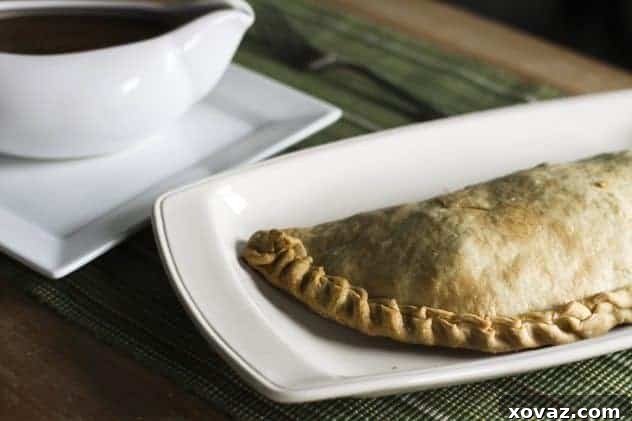
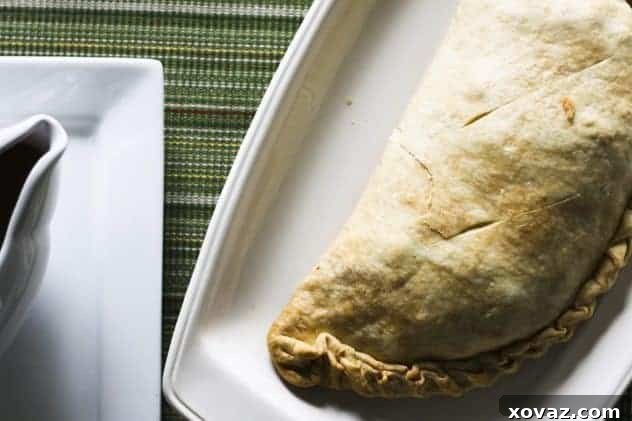
For those familiar with the rich cultural tapestry of Michigan, especially its rugged Upper Peninsula (U.P.), the term “pasty” evokes a very specific culinary image. But for readers elsewhere, a crucial clarification is in order: we are talking about the savory, handheld meat pie, pronounced ‘PASS-tee’, not the other kind, pronounced ‘PAY-steeze’, which refers to small adhesive body coverings. From this point forward, when you see “pasty,” envision a hearty, satisfying meal encased in a delicious pastry crust.
To fully appreciate the world of the Yooper pasty, it helps to understand a bit of local Michigan vernacular. The state is divided into two distinct landmasses, and its residents have developed their own colorful lexicon:
- Yooper: This term proudly designates a resident of Michigan’s Upper Peninsula, a region known for its stunning natural beauty, rugged winters, and a fiercely independent spirit.
- U.P.: The widely adopted acronym for the Upper Peninsula. It’s far more convenient than repeatedly typing out “Upper Peninsula of Michigan.”
- Big Mac: An affectionate nickname for the majestic Mackinac Bridge, a five-mile-long suspension bridge that gracefully connects the U.P. to the Lower Peninsula.
- Trolls: Residents of Michigan’s Lower Peninsula. The whimsical moniker comes from the idea that they live “under the bridge” (the Big Mac).
- Summer: Often humorously described by Yoopers as “two months of bad snowshoeing,” highlighting the region’s famously long and harsh winters.
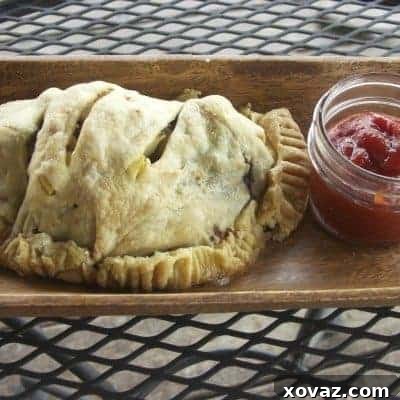
The Hearty Legacy of Yooper Pasties: A Culinary Journey from Cornwall to the U.P.
Our journey now returns to the star of the show: the pasty. This culinary delight is more than just food; it’s a profound symbol of Yooper and Cornish heritage. The pasty arrived in the Upper Peninsula with Cornish miners who immigrated to the region during the booming era of iron and copper mining. These hardworking individuals brought with them not just their skills but also their cherished homeland cuisine, and the pasty quickly became an indispensable part of life in the U.P.
The pasty’s rapid adoption was no accident. Its ingenious design made it the perfect miner’s lunch: a self-contained, portable meal that could be easily carried into the mines. More importantly, it was incredibly nourishing, capable of warming a miner from their chilled toes to their ear tips during the brutal U.P. winters. This hearty, delicious pie transcended its Cornish origins, quickly becoming a favored food across all ethnic groups in the region, including the significant Finnish population. Its popularity isn’t confined to the U.P. alone; pasties are also a beloved staple in restaurants south of the Big Mac, in the Lower Peninsula. One particularly renowned spot in the northern Lower Peninsula is Cousin Jenny’s in Traverse City, a testament to the pasty’s widespread appeal.
More Than Just a Meal: The Pasty’s Cultural Resonance
For those of us who grew up in the Upper Peninsula but now live elsewhere—what we might call “Yoopers-in-exile”—the pasty evokes a deep sense of nostalgia and longing. The mere mention of a fresh batch or a conversation with relatives who’ve just picked up their pasty orders from a local church fundraiser can trigger powerful hunger pangs and fond memories. I recently experienced this firsthand when I received a pasty order form via email from a relative’s church bulletin. My mind immediately conjured images of Finnish grandmas in Marquette, diligently hand-crafting hundreds of succulent pasties, destined to be sold for the benefit of local community chests, booster clubs, or other worthy causes. This communal aspect of pasty-making and sharing further solidifies its role as a cultural cornerstone.
After such a vivid mental journey through pasty land, I found myself with an undeniable craving. The options were clear: lament my distance from genuine Yooper pasties or take matters into my own hands. I chose the latter, embarking on the rewarding task of making a couple dozen myself. While the term “whip up” might imply a quick process, pasty-making is certainly a labor of love. It requires dedication, patience, and a healthy dose of sisu—a powerful Finnish concept.
*Sisu: A unique Finnish term that defies a direct English translation. It embodies an inner strength, remarkable perseverance, and an unwavering determination to push through adversity, regardless of the challenges or personal cost. It’s the spirit that allows one to tackle a stubborn rutabaga or a multi-pie crust recipe with a smile.
The Anatomy of a Perfect Pasty: Ingredients and Authenticity
I once heard pasties described as “hand-held beef stew pies,” but that’s a disservice to their unique character. Beef stew, in its most ambitious dreams, wishes it could achieve the perfection of a pasty. While some regional variations exist—depending on available meats like beef, venison, chicken, or turkey, and the precise ratios of vegetables—certain elements remain sacrosanct. The traditional pasty demands a specific quartet of vegetables: potatoes, onions, carrots, and, crucially, rutabaga. I am a staunch traditionalist in this regard; when it comes to pasties, you simply don’t mess with perfection. This isn’t a statement you’ll hear me make often in my kitchen, but pasties are about tradition, about culinary heritage, and respecting that legacy. While I confess to making delicious cheese pasties, they are, to my palate, a completely different entity—more akin to cheese pastries, delightful in their own right, but not the quintessential Yooper pasty.
Crafting Your Own Yooper Pasties: A Step-by-Step Guide
Making pasties can seem like a daunting task, especially for first-timers, but with these step-by-step instructions, you can benefit from shared experience. I recommend dedicating at least three hours for this project the first time around, allowing ample time before you plan to eat. If you’re not feeding a small army, feel free to adjust the quantities. Remember, pasties freeze and reheat beautifully. Any cooled leftovers can be wrapped securely in heavy-duty foil and frozen for up to two months. To reheat, simply place them (still in foil) on a baking sheet in a preheated 350°F oven for about 50 minutes, or until heated through. Once you’ve tasted the magic, you’ll want to thank yourself for making such a generous batch.
Yooper Pasties Recipe
This recipe typically yields about 16 plate-sized pasties. Don’t be shy about making a full batch; you’ll be grateful for the freezer stash. These truly are the ultimate winter meal-in-one.
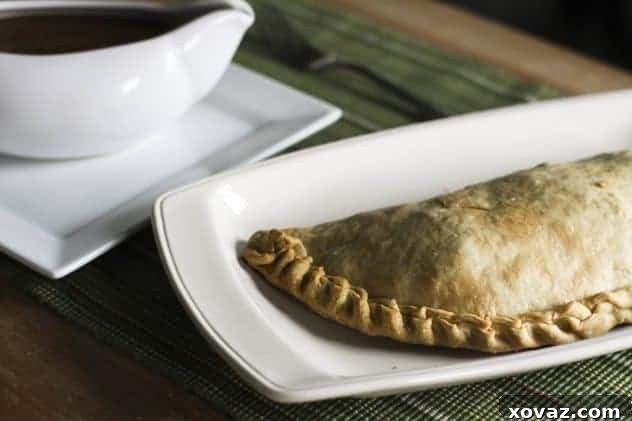
Yooper Pasties
Recipe by: Rebecca Lindamood
Ingredients
- 1 large rutabaga and 1 small rutabaga, peeled and diced
- 2 large carrots, peeled and diced
- 2 medium onions, peeled and diced
- 8 medium potatoes, preferably a waxy variety like Yukon golds or reds, peeled and diced
- 4 pounds lean ground beef
- Enough sturdy pie dough for eight double crust pies (e.g., butter tart crust dough from the Fannie Farmer cookbook, or eight boxes prepared refrigerated pie crusts)
- Salt and pepper to taste
Notes
I often use a double or triple batch of the pie crust for this recipe. A good crust recipe can be found at https://www.foodiewithfamily.com/meat-and-potatoes-pie/
Nutritional information provided is an estimate and should be calculated with the actual ingredients used in your recipe.
Preparation Instructions
The first step in pasty preparation, and perhaps the most physically demanding, involves the rutabaga. This formidable root vegetable does not yield easily. I advise you to sharpen your knife to ensure clean cuts, though I jest (mostly) about finger-related incidents. Exercise caution; the rutabaga is notoriously stubborn.
To safely tackle this recalcitrant vegetable, begin by slicing a thin sliver off one end. This creates a stable flat base, allowing the rutabaga to stand securely on your cutting board. Then, employ your largest, sharpest knife to confidently halve it. If the thought of gripping a slippery, wax-covered, hard, and round vegetable while cutting is too unsettling, a hatchet or an axe can make quick work of it – just not on your kitchen counter!
Once you’ve wrestled it open, place the halves flat-side down and further dismantle the rutabaga into quarters. Trim another small piece from the bottom of each quarter so they can stand upright. Now, using another sharp knife, carefully remove the peel from the inside edges. From this point, slice the rutabaga into approximately 1/4-inch thick pieces, stacking them neatly like a deck of cards. Next, slice these rutabaga “cards” into 1/4-inch strips, and then cut the strips into precisely 1/4-inch cubes. Isn’t that wonderfully symmetrical?
Combine all your precisely diced vegetables in a generously sized mixing bowl. Crumble the lean ground beef over the top. Season generously with salt and freshly ground black pepper to taste. Now, using your hands, thoroughly mix all the ingredients until everything is well combined and evenly distributed. This ensures every bite of your pasty is packed with flavor.
Next, roll out a piece of your sturdy pie crust dough to a diameter of 8 to 10 inches. Carefully lay the rolled crust onto a pie plate, ensuring about a 1/4-inch overhang beyond the rim. Using your hands or a large spoon, transfer a substantial amount of the prepared filling onto one half of the crust, which should be hanging over the edge of the plate. Mound the filling generously, gently pressing it down with your hands to create a compact, well-filled half-moon shape.
Now, carefully fold the empty portion of the pie crust over the filling, creating a perfect half-moon. Pinch the seams firmly together to seal the pasty, ensuring no filling escapes during baking. Transfer the pasty to your countertop and, using a fork, artfully crimp the edges for a decorative finish and an even more secure seal. With a sharp knife, make three small vents in the top of the pasty to allow steam to escape. Finally, transfer your beautifully crafted pasty to a baking dish or a parchment-lined baking pan.
Preheat your oven to 375°F (190°C). Slide the pans into the hot oven and bake for approximately 45 minutes to an hour. Unlike some pies, traditional pasties are not brushed with an egg wash, so they won’t develop a glossy sheen. Instead, look for a deep, crispy, golden-brown crust, indicating they are perfectly done. Oh, the aroma filling the kitchen at this stage is truly irresistible!
Pasties are incredibly versatile and can be enjoyed hot, cold, or at any temperature in between. My own father, a true Yooper, had his unique methods for heating them: sometimes on a steam-pipe at the factory, or even on the manifold of the log skidder he operated. Their inherent portability is truly legendary!
To experience a pasty in authentic Yooper fashion, serve it smothered with a good quality ketchup. If ketchup isn’t to your liking, a rich, savory gravy of your preference makes an equally delicious accompaniment. Either way, these homemade pasties are sure to be a deeply satisfying and wonderfully flavorful experience.