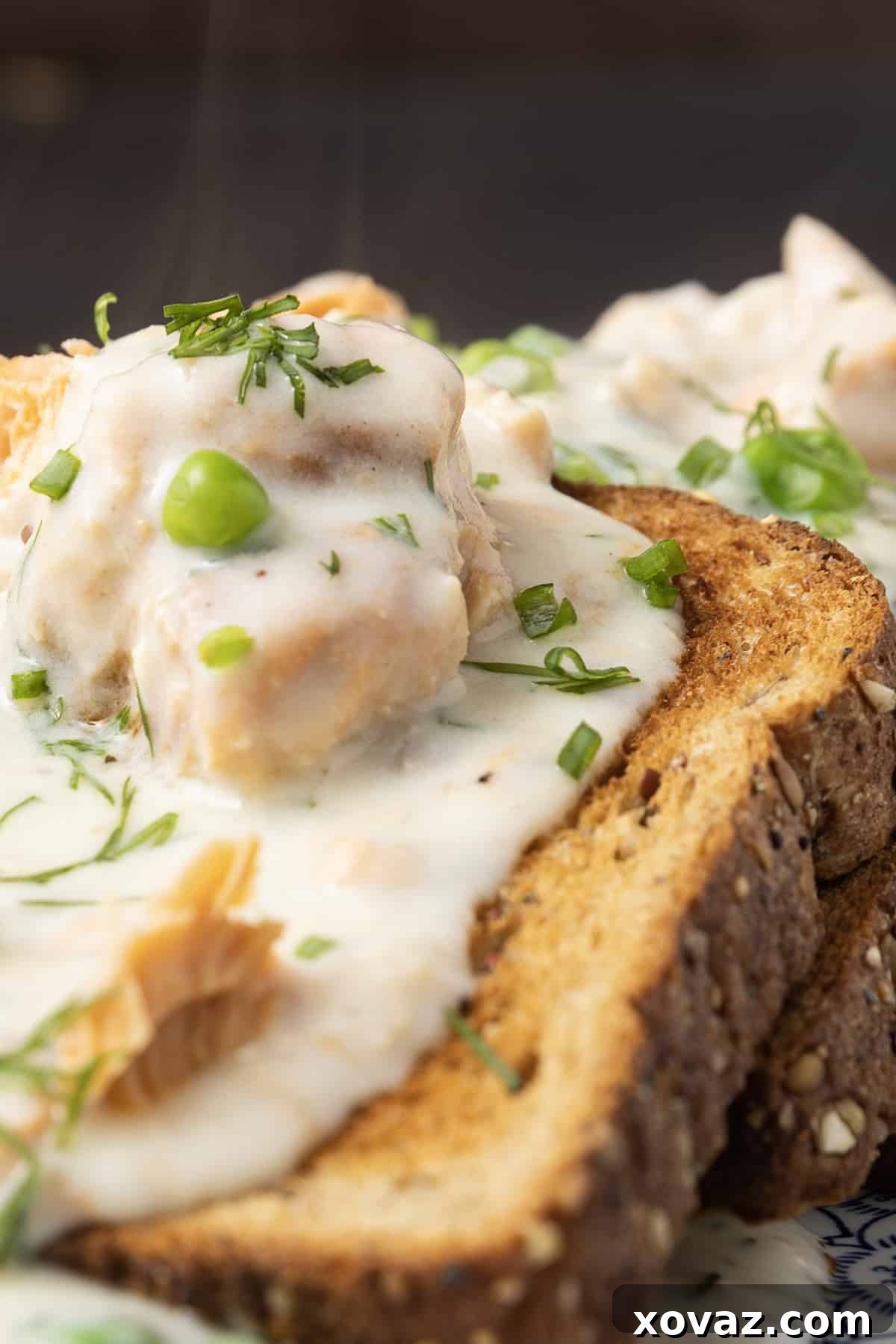
Classic Comfort: The Ultimate Old-Fashioned Creamed Salmon Recipe
Step back in time with this timeless creamed salmon recipe – a dish that brings warmth and flavor to any table. Unapologetically old-fashioned, this creamy salmon sauce or gravy is incredibly versatile, making it the perfect ultra-fast meal option for breakfast, lunch, or dinner. Serve it over your favorite toast, fluffy rice, or hot egg noodles for a truly satisfying experience.
Beyond its comforting taste, this budget-friendly creamed salmon is a foundational recipe that invites customization. While delicious as written, we’ll explore fantastic ideas for variations, allowing you to tailor this classic to your unique preferences and pantry staples.
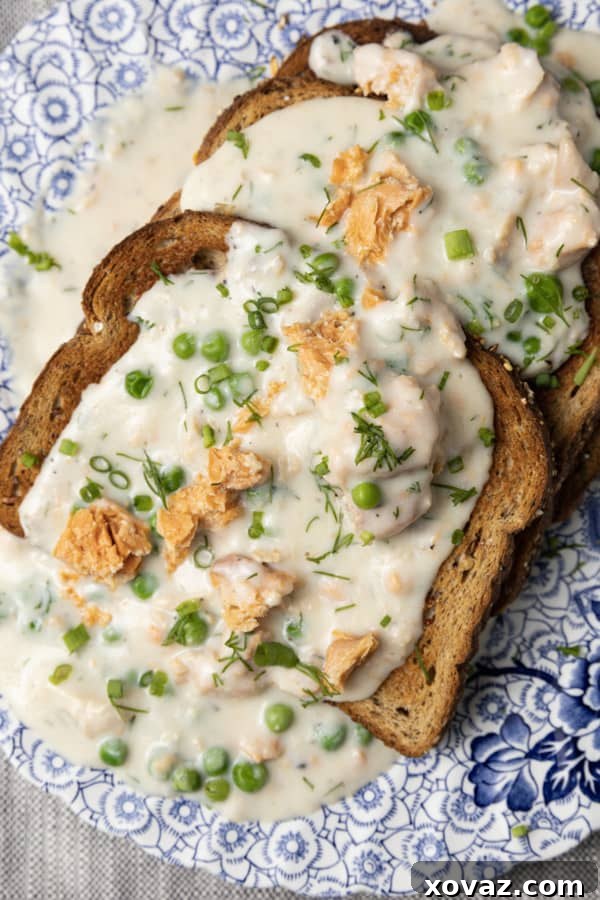
Why This Creamed Salmon Recipe is a Weeknight Winner
In a world of complex culinary trends, sometimes all you crave is simple, hearty comfort food. This creamed salmon dish delivers exactly that. It’s a nostalgic staple for many, reminiscent of grandmothers’ kitchens and easy family meals. But its appeal extends far beyond sentimentality:
- Unbeatably Fast: Thanks to the convenience of canned salmon, this recipe comes together in under 20 minutes, making it ideal for busy weeknights when you need a delicious meal on the table without fuss.
- Remarkably Budget-Friendly: Utilizing affordable canned salmon and common pantry ingredients, this dish proves that gourmet taste doesn’t have to come with a hefty price tag. It’s a smart choice for economical meal planning.
- Incredibly Versatile: Whether you’re serving it for a hearty breakfast, a quick lunch, or a satisfying dinner, this creamy salmon is a chameleon. It pairs wonderfully with a variety of bases, from classic toast to elegant puff pastry.
- Easy to Customize: The basic recipe is a fantastic canvas. We’ll show you how to easily adapt it with different vegetables, herbs, and even other types of canned fish to suit your taste or what you have on hand.
- Nutrient-Packed: Salmon, even canned, is a powerhouse of Omega-3 fatty acids, protein, and essential vitamins, making this a wholesome and nourishing meal option.
This recipe isn’t just about feeding your family; it’s about creating a moment of simple joy and delicious satisfaction with minimal effort.
The Secret to Success: Embracing Canned Salmon
While fresh or frozen salmon has its place, this particular recipe truly shines with the use of canned salmon. It’s not just a convenience; it’s a deliberate choice that elevates the dish in several ways:
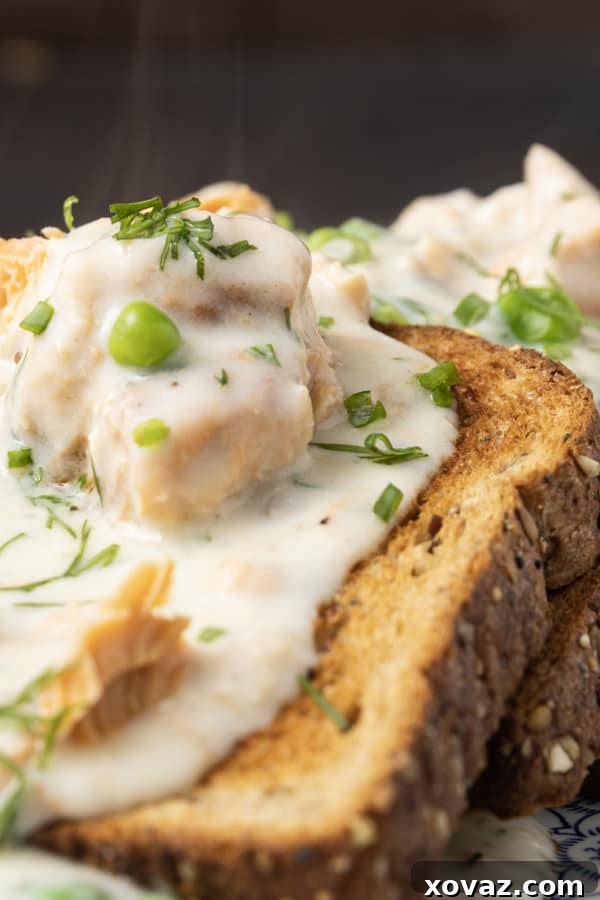
Economical & Sustainable Choice
Let’s talk cost. A can of wild-caught, boneless, skinless salmon often comes in at a lower price per pound than its fresh or frozen counterparts. For instance, a quality canned salmon might be around $12.79/pound, or even less for pouched versions at $9.54/pound. Compare that to the least expensive frozen Atlantic salmon, which can easily exceed $13/pound at many grocery stores. This makes canned salmon an undeniable win for your wallet, especially when considering its extended shelf life.
Furthermore, choosing canned salmon can often be a more sustainable option. Many brands offer sustainably sourced or wild-caught varieties, helping you make environmentally conscious choices without compromising on flavor or nutrition. Always look for labels like “wild-caught” or certifications from organizations like the Marine Stewardship Council (MSC).
Convenience & Nutritional Value
The convenience of canned salmon is unparalleled. It’s shelf-stable, meaning you can stock your pantry and have a healthy protein source ready whenever inspiration strikes. No need to thaw or lengthy cooking times – simply open the can, and you’re ready to go. This significantly cuts down on prep and cook time, making an already speedy recipe even faster.
Nutritionally, canned salmon is a powerhouse. It’s an excellent source of omega-3 fatty acids, which are vital for heart health and brain function. It also provides a substantial amount of protein, vitamin D, and calcium (especially if you opt for varieties with soft bones). Don’t let the “canned” label fool you; it’s a highly nutritious ingredient.
Types of Canned Salmon and Substitutions
You’ll typically find two main types of canned salmon:
- Boneless and Skinless: This is the easiest option for most, requiring minimal prep. It’s often flaked and ready to add directly to your sauce.
- With Skin and Bones: This variety is even more frugal, often priced under $9/pound. The bones in canned salmon are typically soft and edible, providing an excellent source of calcium. However, if you prefer, you can easily pick out the skin, bones, and any cartilage before adding the salmon to your recipe. Simply drain the can, transfer the salmon to a bowl, and use a fork to flake it and remove any undesired bits.
Can I use canned tuna? Absolutely! If you’re out of salmon or simply prefer it, canned tuna makes an equally amazing and delicious creamed dish. Creamed tuna on toast is another beloved classic that shares the same comforting qualities.
Key Ingredients for Your Delicious Creamed Salmon
This recipe relies on a handful of simple, readily available ingredients that come together to create a remarkably flavorful and satisfying dish. Here’s a closer look at each and why they’re important:
The Core Ingredients:
- Butter: Forms the essential base for our roux, providing richness and flavor.
- All-purpose flour: The thickening agent for our creamy sauce, working with butter to create a smooth roux.
- Dried mustard: A subtle but critical flavor enhancer. It adds a nuanced tang and depth that complements the salmon beautifully without overpowering it.
- Granulated Onion: Provides a foundational savory aroma and umami without the texture of fresh onion, ensuring a silky smooth sauce.
- Milk: The primary liquid for the cream sauce. We prefer whole milk for its inherent richness, which keeps the sauce lighter on the palate compared to heavy cream while still delivering a luxurious texture.
- Salt and pepper: Essential seasonings to bring out all the flavors in the dish. Coarsely ground black or white pepper works wonderfully.
- Canned salmon: The star of our show, offering convenience, flavor, and nutrition. Don’t forget to include its natural juices for extra flavor and moisture!
Flavor Enhancers & Adaptable Add-ins:
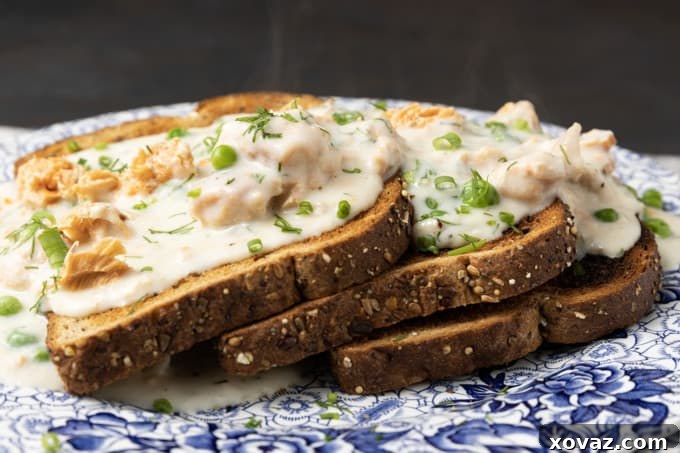
- Frozen peas: We absolutely adore frozen peas in this recipe for their vibrant color, pop of sweetness, and pleasant texture. They add a lovely freshness.
- Variations: Feel free to swap them with raw baby spinach (stirred in at the end until wilted), cooked asparagus tips, finely diced cooked green beans, or omit them entirely if you prefer.
- Lemon juice: A splash of fresh lemon juice is what truly makes this recipe sing. Its bright acidity cuts through the richness of the cream sauce and elevates the flavor of the salmon.
- Substitutions: If fresh lemons aren’t available, half a teaspoon of bottled lemon juice can work. While the fresh zest and juice are truly special, the dish is still delicious without it.
- Fresh dill weed (or dried dill weed): Dill is a natural and classic pairing for salmon. Its fresh, slightly grassy, and anise-like flavor is perfect here.
- Substitutions: Fresh dill provides the best aroma and flavor, but dried dill is also very tasty and convenient. If you don’t have dill on hand, fresh or dried parsley makes a lovely alternative, offering a slightly different but equally delightful flavor profile. Fresh chives are another excellent choice for a mild oniony note.
Optional additions:
- Green onions or fresh chives: Sliced thinly, these make a wonderful, fresh garnish, adding a mild oniony bite and a splash of color when serving.
- Parmesan Cheese: While optional, a handful of grated Parmesan cheese stirred into the sauce or sprinkled over individual servings can add a delightful salty, umami kick. In our household, it’s a matter of personal preference, so adding it at the table is often the easiest solution!
Crafting the Perfect Cream Sauce for Your Salmon
The heart of this dish is its velvety smooth, savory cream sauce. While it might sound like a “salmon with cream” recipe, we opt for a lighter, yet equally rich, approach by using whole milk instead of heavy cream. This choice keeps the sauce beautifully creamy and satisfying without being overly heavy on the palate.
Building a Flawless Roux
The secret to a lump-free and flavorful cream sauce lies in a well-made roux. A roux is a mixture of cooked fat (butter) and flour, which serves as the thickening agent. Starting with melted butter and gradually whisking in the flour creates a smooth paste. Cooking this roux for a couple of minutes until it’s bubbly helps cook out the raw flour taste, ensuring your sauce has a clean, rich flavor.
Achieving Silky Smoothness
Once your roux is ready, the key to a silky sauce is gradual addition and continuous whisking of the milk. Pouring the milk in slowly while whisking vigorously helps prevent lumps and ensures the flour is evenly dispersed, leading to a perfectly smooth consistency. As the mixture comes to a boil and simmers, it will thicken beautifully, coating your spoon and signaling it’s ready for the salmon.
The Milk Advantage

Using whole milk offers a fantastic balance. It provides enough fat for a luxurious mouthfeel and rich flavor, yet it feels less decadent than heavy cream, making the dish more suitable for an everyday meal. If you prefer an even richer sauce, you can certainly substitute some or all of the milk with half-and-half or light cream, but whole milk truly shines here.
Optional Additions for Extra Flair
As mentioned, a handful of freshly grated Parmesan cheese can be a wonderful addition, offering a salty, savory depth. We recommend adding it towards the end of cooking or offering it as a tabletop garnish so everyone can customize their serving. Other cheeses like white cheddar or a hint of Gruyère could also add interesting dimensions if you’re feeling adventurous!
Essential Equipment for Creamed Salmon
You likely have all the necessary tools in your kitchen already to whip up this quick and easy creamed salmon. Here’s a simple checklist:
- Measuring Spoons: For accurate measurement of spices and liquids.
- Measuring Cups: For measuring milk and other larger quantities.
- 2-quart saucepan or stainless steel everyday pan: A medium-sized saucepan is perfect for making the roux and simmering the sauce.
- Whisk: Crucial for creating a smooth, lump-free roux and sauce. A sturdy whisk makes all the difference.
- Stovetop or induction cooktop: Any standard cooking surface will work.
A Note on Cookware: We highly recommend using a stainless steel saucepan for this recipe. If you opt for a non-stick skillet or pan, ensure you’re using a whisk specifically designed for non-stick cookware (e.g., silicone-coated). Metal whisks can easily scratch and damage non-stick coatings, compromising their integrity and lifespan.
How to Make Old-Fashioned Creamed Salmon: A Step-by-Step Guide
Follow these simple steps to create a rich, comforting, and utterly delicious creamed salmon dish that will become a family favorite.
- Start the Roux: In a 2-quart saucepan or a large skillet, melt the butter over medium heat. Once the butter is fully melted and slightly shimmering, stir in the all-purpose flour and dried mustard powder. Whisk continuously until the mixture is smooth and forms a thick paste, known as a roux.
- Cook the Roux: Continue cooking the roux for about 2 minutes, stirring constantly. It will become bubbly and lightly golden. This step is crucial for cooking out the raw flour taste. Then, whisk in the granulated onion until fully incorporated.
- Add the Milk: Gradually whisk in the milk, adding a little at a time, ensuring each addition is fully incorporated before adding more. Continue whisking constantly to prevent lumps.
- Thicken the Sauce: Increase the heat slightly and bring the mixture to a gentle boil. Cook and stir continuously for 1-2 minutes, or until the sauce has noticeably thickened and coats the back of a spoon.
- Incorporate Salmon & Flavors: Reduce the burner to low heat. Stir in the lemon juice, canned salmon (including its natural juices for extra moisture and flavor), thawed frozen peas, salt, pepper, and minced dill weed.
- Gentle Simmer: Cook gently over the lowest heat for about 5 minutes, or until the salmon is heated through and all the flavors have melded together. Avoid vigorous boiling at this stage to keep the salmon tender.
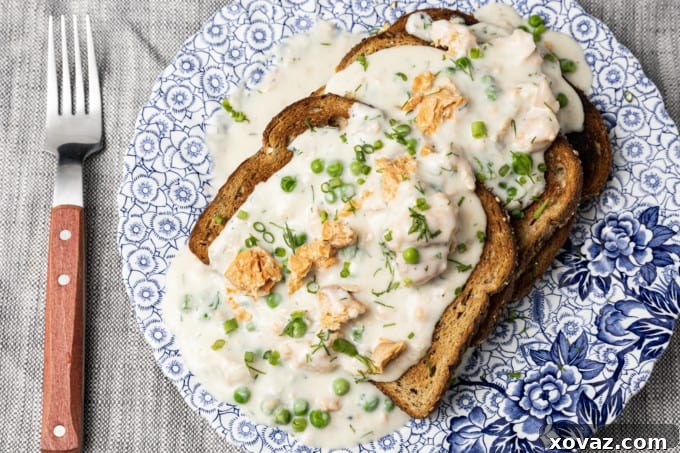
- Serve and Enjoy: Ladle the warm creamed salmon sauce generously over your chosen base – toast, hot egg noodles, crusty bread, or rice. Garnish with sliced green onions or fresh chives, if desired, for a touch of freshness and color. Serve immediately and savor every comforting bite!
Creative Serving Ideas & Delicious Variations
One of the beauties of this old-fashioned creamed salmon recipe is its adaptability. While delicious on its own, it’s also incredibly versatile and can be customized to suit different tastes and occasions. Here are some ideas to inspire you:
Serving Suggestions: Beyond the Plate
Traditional serving methods are tried and true, but don’t limit yourself!
- Classic Toast: Golden brown, buttery toast is a quintessential pairing. The crisp texture provides a delightful contrast to the creamy sauce.
- Hot Egg Noodles: Simple, tender egg noodles are fantastic for soaking up every drop of the rich sauce.
- Fluffy Rice: White or brown rice offers a neutral base that lets the salmon shine.
- Crusty Bread: A warm, crusty baguette or sourdough loaf is perfect for dipping and scooping.
- Mashed Potatoes: For ultimate comfort, spoon the creamed salmon over a bed of creamy mashed potatoes.
- Biscuits: Flaky buttermilk biscuits make an excellent, hearty foundation, especially for a brunch or lunch serving.
- Cauliflower Rice: For a low-carb option, cauliflower rice works surprisingly well, absorbing the sauce beautifully.
- Puff Pastry Shells: For a more elegant presentation, fill pre-baked puff pastry shells with the creamy salmon.
- Baked Potatoes: Split open a baked potato and ladle the creamed salmon inside for a filling and satisfying meal.
Flavorful Variations: Make It Your Own
Don’t hesitate to experiment with different ingredients to add new dimensions to your creamed salmon.
- Add Cheese: Beyond Parmesan, try stirring in a handful of shredded sharp cheddar, Monterey Jack, or Gruyère for a richer, more complex flavor. Add it at the end of cooking until just melted.
- Spice It Up: A pinch of cayenne pepper, a dash of hot sauce, or a hint of smoked paprika can add a subtle warmth and depth.
- Herbal Touches: Experiment with other fresh herbs. Besides dill and parsley, consider chives, tarragon (a classic pairing with fish), or even a touch of thyme.
- Extra Vegetables: Sautéed mushrooms, finely diced celery, bell peppers, or even a handful of chopped spinach (stirred in at the very end) can boost nutrition and flavor. Roasted red peppers, chopped, also add a nice touch.
- Creamier Texture: For an even richer sauce, substitute some of the milk with half-and-half or light cream. If you want true indulgence, heavy cream can be used, though it will make the dish considerably richer.
- Lemon Zest: For an extra burst of citrus aroma, add a little finely grated lemon zest along with the juice.
- Garlic Powder: A small pinch of garlic powder (about 1/4 teaspoon) can add another layer of savory flavor if you enjoy garlic.
Storing Leftovers & Reheating Tips
This creamed salmon recipe is so delicious, you might not have any leftovers! But if you do, here’s how to store and reheat it properly to maintain its creamy texture and flavor:
- Refrigeration: Allow the creamed salmon to cool completely before transferring it to an airtight container. Store it in the refrigerator for up to 2-3 days.
- Freezing: While possible, freezing cream-based sauces can sometimes alter their texture upon thawing, making them slightly grainy or separated. If you do freeze, store in an airtight, freezer-safe container for up to 1 month. Thaw overnight in the refrigerator before reheating.
- Reheating on the Stovetop: This is the best method for reheating. Transfer the desired amount of creamed salmon to a saucepan. Heat over low to medium-low heat, stirring frequently. Add a splash of milk or broth (about 1-2 tablespoons per cup of sauce) to help thin it out and restore its creamy consistency if it has thickened too much in the fridge. Do not boil vigorously.
- Reheating in the Microwave: While less ideal than the stovetop, you can microwave individual portions. Place the salmon in a microwave-safe dish, cover loosely, and heat on medium power in 1-minute intervals, stirring in between, until heated through. Again, add a little milk if it seems too thick.
With proper care, your leftover creamed salmon can be just as delightful as the first serving!
Frequently Asked Questions About Creamed Salmon
Here are answers to some common questions about making and enjoying this classic creamed salmon dish:
Can I use fresh or frozen salmon instead of canned?
Yes, you certainly can! If using fresh or frozen salmon fillets, you’ll need to cook them first. Bake, pan-sear, or poach the salmon until it’s cooked through and flakes easily. Then, flake it into bite-sized pieces and add it to the cream sauce in step 5, just as you would with canned salmon. Adjust cooking time for the salmon heating through accordingly. This will add to your prep and cook time.
What if my sauce is too thin or too thick?
If your sauce is too thin, continue to simmer it gently over low heat, stirring occasionally, until it reaches your desired consistency. Be patient, as it will thicken. If it’s too thick, simply whisk in a tablespoon or two of extra milk until it thins to your preference.
Is this recipe gluten-free?
As written, this recipe is not gluten-free due to the all-purpose flour. To make it gluten-free, substitute the all-purpose flour with a gluten-free all-purpose flour blend (ensure it contains xanthan gum) or use a cornstarch slurry. For a cornstarch slurry, dissolve 1-2 tablespoons of cornstarch in an equal amount of cold milk or water, then whisk it into the hot sauce and simmer until thickened.
How can I make this recipe dairy-free?
Making this dairy-free is possible but requires substitutions. Replace the butter with a plant-based butter alternative and the milk with an unsweetened plain dairy-free milk (such as almond, soy, or oat milk). Note that the flavor and consistency may vary slightly.
Can I prepare this dish ahead of time?
While best served fresh, you can prepare the cream sauce ahead of time and store it in the refrigerator. When ready to serve, gently reheat the sauce, adding the flaked salmon and peas in the final steps. This helps maintain the best texture for the salmon and prevents overcooking.
Recipe Card: Old-Fashioned Creamed Salmon
This comforting and delicious creamed salmon recipe is a testament to simple, wholesome cooking. It’s a quick, budget-friendly meal that’s perfect for any time of day.
| Prep Time: 5 mins | Cook Time: 10 mins | Total Time: 15 mins |
Ingredients (Yields 5 Servings)
- 3 tablespoons butter
- 3 tablespoons all-purpose flour
- ½ teaspoon dried mustard
- 1 teaspoon granulated onion
- 2 cups milk (whole milk recommended)
- 1 teaspoon kosher salt
- ½ teaspoon coarsely ground black or white pepper
- 12 ounces canned boneless skinless salmon, undrained
- 1 cup frozen peas, thawed
- 1 teaspoon lemon juice (freshly squeezed is best)
- 1 teaspoon minced fresh dill weed (or ¼ teaspoon dried dill weed)
- 6 slices of toast, or rice, hot egg noodles, or crusty bread, for serving
- Optional: Sliced green onions or fresh chives for garnish
Instructions
- Prepare Roux: In a 2-quart saucepan or large skillet, melt the butter over medium heat. Stir in the flour and dry mustard powder until smooth.
- Cook Roux: Cook for 2 minutes, stirring constantly, until bubbly. Whisk in the granulated onion.
- Thicken with Milk: Gradually whisk in the milk until fully incorporated. Bring to a boil, then cook and stir continuously for 1-2 minutes until the sauce has thickened.
- Add Salmon & Flavors: Reduce heat to low. Stir in the lemon juice, canned salmon (with its juices), thawed peas, salt, pepper, and dill.
- Simmer: Cook gently over the lowest heat for about 5 minutes, ensuring the salmon is heated through and flavors are well combined.
- Serve: Ladle the creamy salmon sauce over toast, noodles, crusty bread, or rice. Garnish with sliced green onions or fresh chives, if desired, and serve immediately.
Nutrition Information (Estimate per serving)
| Nutrient | Amount | Unit | Nutrient | Amount | Unit |
|---|---|---|---|---|---|
| Calories | 256 | kcal | Carbohydrates | 13 | g |
| Protein | 21 | g | Fat | 14 | g |
| Saturated Fat | 7 | g | Polyunsaturated Fat | 1 | g |
| Monounsaturated Fat | 3 | g | Trans Fat | 0.3 | g |
| Cholesterol | 86 | mg | Sodium | 817 | mg |
| Potassium | 460 | mg | Fiber | 2 | g |
| Sugar | 6 | g | Vitamin A | 637 | IU |
| Vitamin C | 12 | mg | Calcium | 326 | mg |
| Iron | 1 | mg |
Nutritional information is an estimate and provided to you as a courtesy. You should calculate the nutritional information with the actual ingredients used in your recipe using your preferred nutrition calculator.
Share Your Delicious Creation!
We love seeing what you cook! If you make this old-fashioned creamed salmon, be sure to tag @foodiewithfam on Instagram and use the hashtag #foodiewithfamily so we can admire your culinary masterpiece!